When it comes to constructing a long-lasting backyard shed, the structure is only as reliable as the ground it rests upon. Recognizing the common challenges and confusion faced by both seasoned do-it-yourself enthusiasts and first-time builders, Outdoor Living Today has published an in-depth advisory detailing the essential procedures for establishing a sturdy, level base. Proper site preparation eliminates guesswork, ensuring that backyard additions remain durable, weather-resistant, and visually appealing for years to come.
A solid foundation serves as the literal and figurative anchor for any outdoor building project. Without an even and secure base, even the highest-quality shed kit can suffer from structural shifting, warped doors, uneven windows, and premature wear. To combat these issues, the new guidelines walk builders through the fundamental preparatory phases, emphasizing that patience and precision during the initial stages ultimately save time and prevent costly repairs down the road.
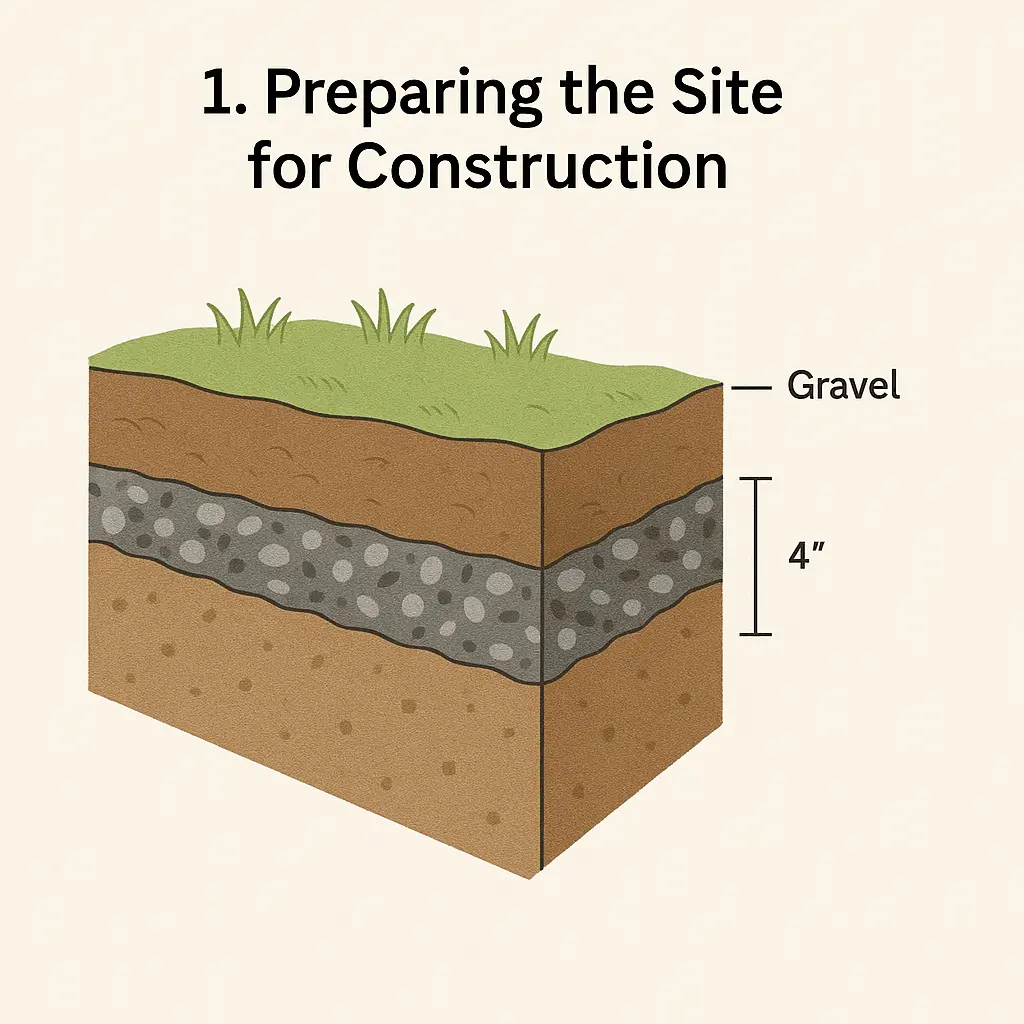
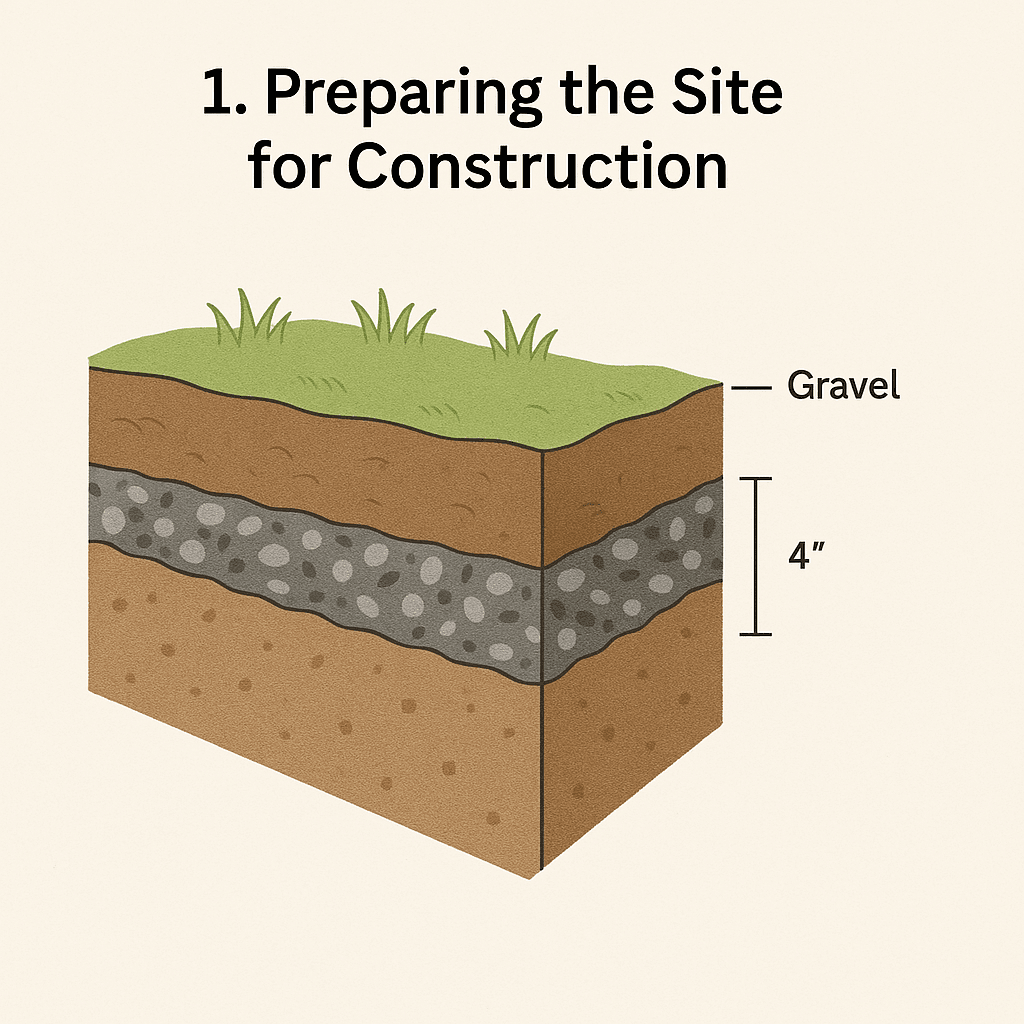
The process begins well before a shed kit arrives at a homeowner’s property, starting with thorough site selection and preparation. Builders must carefully choose a location that complies with local zoning laws and property lines, while also considering practical elements like accessibility, drainage, and sunlight exposure. Once a location is selected, the area must be meticulously cleared of all organic matter, including grass, topsoil, roots, and debris. Neglecting to remove topsoil can lead to settling as organic material decays over time, compromising the level surface required for construction.
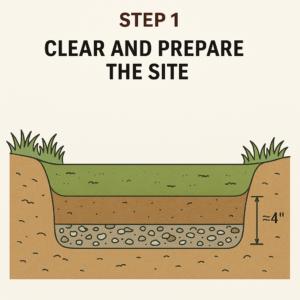
To achieve long-term stability, industry professionals recommend establishing a well-draining sub-base. Laying down a layer of landscape fabric prior to spreading gravel is a critical pro tip highlighted in the new guidelines. This simple yet effective measure acts as a dual-purpose barrier, preventing stubborn weed growth from piercing up through the floor while simultaneously stopping the underlying soil from shifting or mixing with the gravel over time.
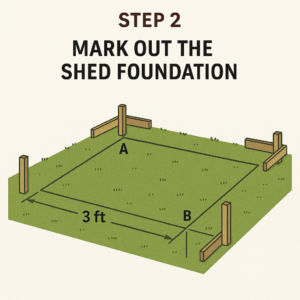
Following site clearance, builders must accurately mark out the perimeter of the foundation. Precision is paramount during this phase to ensure the finished base forms a true square. Even slight discrepancies in corner angles can cascade into major alignment issues when assembling wall panels and roof trusses. For builders seeking assistance with this geometric challenge, modern digital tools provide a streamlined solution. A variety of smartphone applications and online calculators are readily available to help verify right angles simply by inputting the specific dimensions of the planned shed. Ensuring a square layout at this stage guarantees that the subsequent installation of the shed kit will proceed smoothly and accurately.
Once the perimeter is marked and the ground is properly leveled, builders face the decision of selecting the most appropriate foundation type for their specific needs, property layout, and budget. Outdoor Living Today highlights three primary foundation options, each offering distinct advantages depending on the scope of the project.
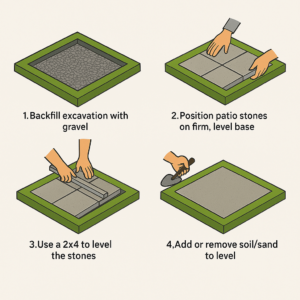
The first option is the patio stone foundation. Favored for its accessibility and affordability, a patio stone base is exceptionally quick to install and offers the unique benefit of being easy to modify, move, or adjust if ground conditions change over time. It provides a reliable, flat surface without requiring heavy masonry work, making it a popular choice for straightforward backyard installations.
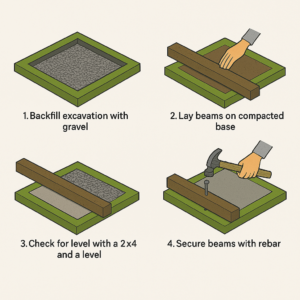
The second recommended approach utilizes four-by-four pressure-treated beams. This method elevates the structure slightly off the ground, a design choice that offers significant functional benefits. By lifting the base, the beam foundation creates natural space underneath the shed for vital air circulation. This increased ventilation helps prevent moisture accumulation, thereby protecting the wooden components from rot and extending the lifespan of the entire structure.
For property owners seeking the highest degree of permanence and durability, a concrete slab foundation is presented as the ultimate choice. Concrete offers unbeatable structural integrity and heavy-duty load-bearing capacity. Beyond its strength, a properly poured concrete slab provides superior pest resistance, sealing out burrowing insects and rodents that might otherwise find their way into a timber-framed structure. While more labor-intensive to install initially, a concrete pad provides a permanent, impenetrable base that withstands severe weather and heavy usage for decades.
Before embarking on any foundation project, builders are advised to keep several overarching principles in mind. Taking precise measurements, accounting for natural water drainage patterns, and ensuring the ground is thoroughly compacted are all critical factors that dictate the success of the build. Furthermore, while these general guidelines establish the industry best practices for site preparation, every construction project has unique variables.
Outdoor Living Today stresses that individual product designs may feature specific engineering requirements tailored to their respective models. Therefore, builders are strongly encouraged to consult the dedicated product assembly manuals included with their kits or available through official documentation to ensure complete alignment between the chosen foundation and the manufacturer’s precise specifications.