Across the country, educators are increasingly looking beyond the traditional four walls of the classroom to bring learning directly into the fresh air. Amid a growing body of research demonstrating that time spent in nature significantly improves student focus, confidence, and overall well-being, schools are steadily embracing outdoor education as an essential, meaningful component of the modern curriculum. Rather than viewing nature as a mere distraction or a space solely reserved for recess, instructional staff are successfully integrating the natural environment into daily academic routines.
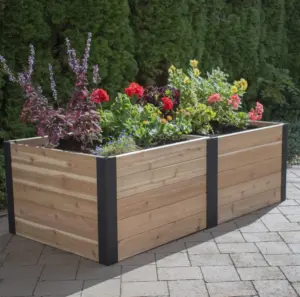
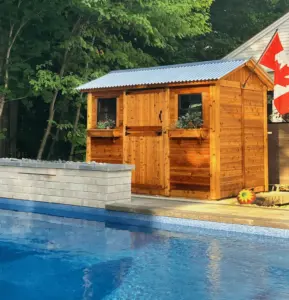
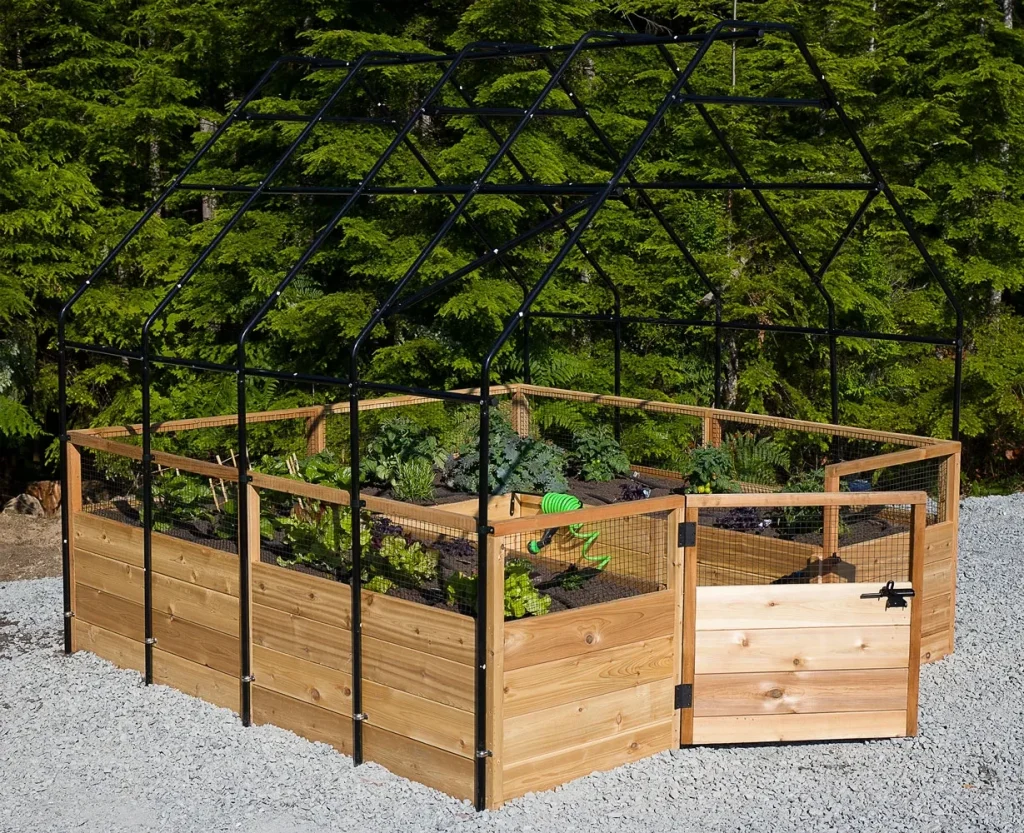
One initiative that has rapidly taken root in schoolyards nationwide is the installation and cultivation of dedicated garden beds. Raised garden beds, in particular, offer students a tangible, tactile way to explore foundational scientific principles, complex food systems, and vital lessons in environmental responsibility. To support these growing initiatives, organizations such as Outdoor Living Today—a Canadian manufacturer specializing in durable Western Red Cedar garden products—have provided reliable outdoor infrastructure that schools can depend on year after year, withstanding both eager young students and harsh seasonal weather.
The growing momentum behind schoolyard agriculture stems from a fundamental shift in educational philosophy. School gardens offer far more than just a pleasant plot of dirt to grow vegetables; they provide students with rich, real-world experiences that traditional textbook lessons simply cannot replicate. According to research published by the American Horticultural Society, garden-based learning actively helps improve academic performance, increases physical activity levels, and significantly enhances crucial social-emotional skills among students of all age groups.
At the core of this outdoor movement is the reinforcement of stronger academic learning. Gardens naturally intersect with core educational subjects, turning abstract concepts into visible realities. In mathematics, students measure plant growth rates, calculate plot dimensions, and track yields. In science, they observe pollination, study ecosystems, and track the life cycles of plants and insects. In language arts, students maintain garden journals, writing descriptive paragraphs about the changes they observe day by day.
This approach is rooted in the proven effectiveness of hands-on, experiential learning. Educational studies consistently show that students retain information at a much higher rate when they are actively participating in the learning process rather than passively listening. School gardens naturally encourage curiosity, prompt spontaneous experimentation, and foster collaborative problem-solving skills as students figure out how to overcome challenges such as drainage issues, uncooperative weather, or garden pests.
Beyond academics, these green spaces play a powerful role in shaping lifelong healthy eating habits. When children are given the opportunity to plant, tend, and harvest their own food, their relationship with what they eat shifts dramatically. They become far more willing to taste fresh vegetables and develop a deeper, more appreciative understanding of where their food actually comes from. Supporting this observation, research conducted by Cornell University found that children who were actively involved in school garden programs demonstrated a significantly higher willingness to consume fresh, healthy produce compared to their peers without similar hands-on gardening experience.
The benefits also extend deeply into social and emotional growth. Gardening is inherently a practice in patience and responsibility. It teaches teamwork as students divide up daily chores like watering and weeding, and it fosters a profound sense of personal confidence and pride when they finally witness the tangible results of their sustained effort.
Establishing a thriving school garden program requires careful planning and community collaboration. The journey typically begins with a comprehensive planning and design phase, where educators map out the ideal location for the garden beds, ensuring adequate sunlight access and proximity to water sources. Once a vision is established, schools must secure the necessary permissions from district administrators, school boards, and facility managers before any physical ground is broken.
Gathering supplies is the next critical phase. A standard school garden initiative requires durable raised beds, nutrient-rich soil, organic compost, hand tools suited for small hands, watering hoses, seeds, and starter plants. Many schools successfully offset these startup costs by collaborating with local businesses, garden centers, and community members who are often eager to donate supplies, lend their expertise, or financially sponsor a garden bed.
Integrating the garden directly into the established curriculum ensures that the space remains an educational asset rather than an extracurricular afterthought. Teachers weave garden-based activities into existing lesson plans, using the outdoor space for science experiments, creative writing prompts, and mathematical measurements. To maintain high levels of engagement, students are encouraged to participate in every stage of the process—from sketching initial bed layouts and creating planting schedules to sharing day-to-day responsibilities.
Choosing the right plants is another vital consideration. Successful school gardens feature varieties that thrive within the specific local climate and match the school calendar, often combining fast-growing vegetables, aromatic herbs, and colorful flowers to maximize both visual appeal and educational variety. To deepen the learning experience further, schools often create miniature gardening libraries filled with children’s books, instructional videos, and educational worksheets, while occasionally inviting local horticulturists and master gardeners to host interactive workshops.
As the garden matures, daily maintenance and care become part of the student routine. Establishing a regular schedule for watering, weeding, and pest management offers an ideal context for teaching sustainable environmental practices, soil health, and composting. The culmination of this cycle is the harvest and celebration, where students gather the fruits of their labor. The freshly grown produce is frequently incorporated into school cafeteria meals, featured in classroom tasting sessions, or donated to local community food programs. Finally, the program concludes each cycle with evaluation and reflection, allowing students to discuss what they have learned while staff members collect feedback to improve the initiative for future seasons.
Choosing the right materials for these schoolyard installations is crucial for longevity and safety, which is why many institutions turn to Western Red Cedar for their raised beds. Western Red Cedar is a natural, non-toxic wood that withstands the elements and remains completely safe for food-growing environments. Its exceptional durability significantly reduces long-term maintenance costs and deterioration, making it a wise, enduring investment for educational institutions looking to foster environmental stewardship for generations to come.