When exploring the sheer lengths to which human beings will go to nurture a patch of green, gardeners have long pushed boundaries. Stories surface of soldiers cultivating compact vegetable plots in the arid terrain of Iraq or urban residents transforming narrow Manhattan fire escapes into vibrant floral sanctuaries. Yet, pursuing this passion in one of the planet’s most unforgiving environments requires a level of ingenuity and dedication that redefines extreme horticulture. A journey into the archives of the Australian Antarctic Division’s Davis Station reveals a remarkable hydroponics facility where a dedicated team successfully grows fresh produce amidst the frozen expanse of Antarctica.
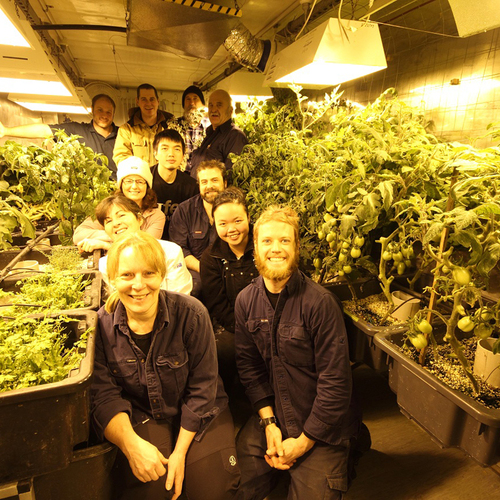
The existence of this remote agricultural endeavor came back into focus following community discussions among gardening enthusiasts, reflecting on extraordinary historical submissions. Darryl Seidel, who served as a station plumber and managed the hydroponics operation during a past season, offered a rare glimpse into what it takes to farm at the bottom of the world. Prior to his deployment, Seidel had no professional background in hydroponics, his practical gardening experience being limited to managing small vegetable and flower patches at his home in Adelaide, Australia. Taking on the role was driven largely by the unique challenges the position presented.
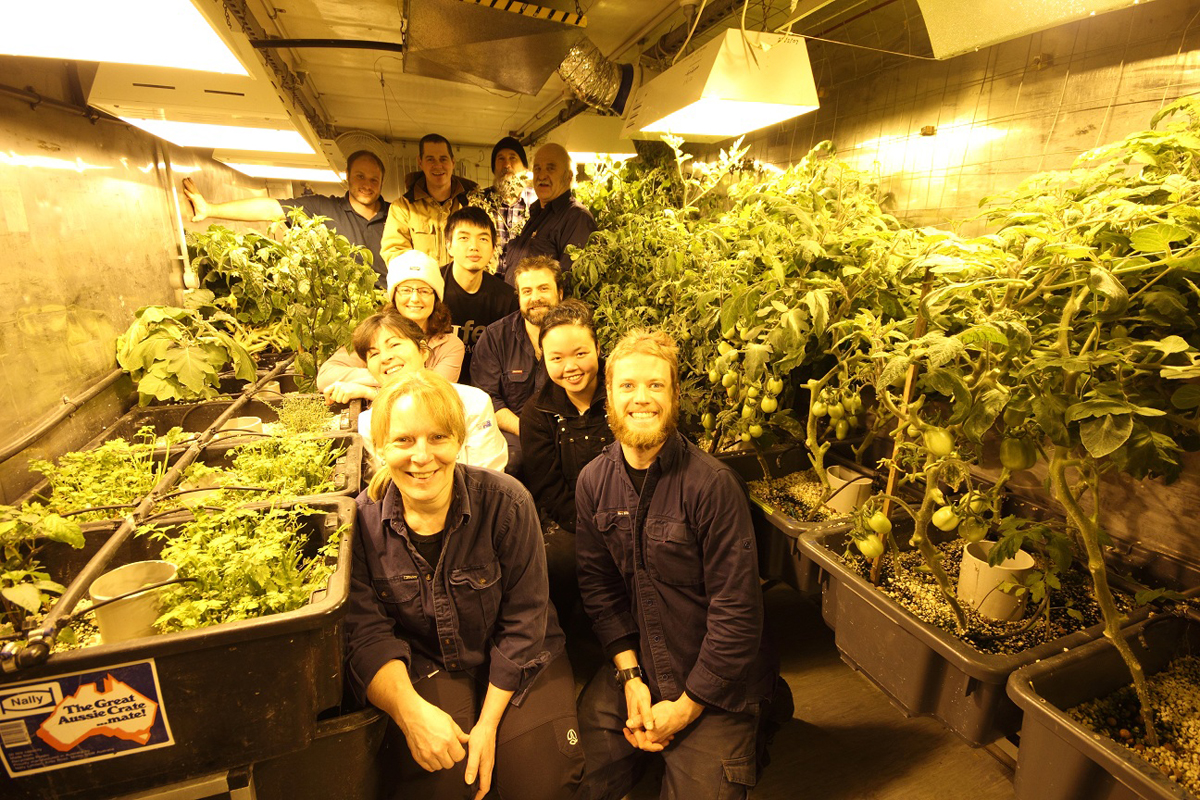
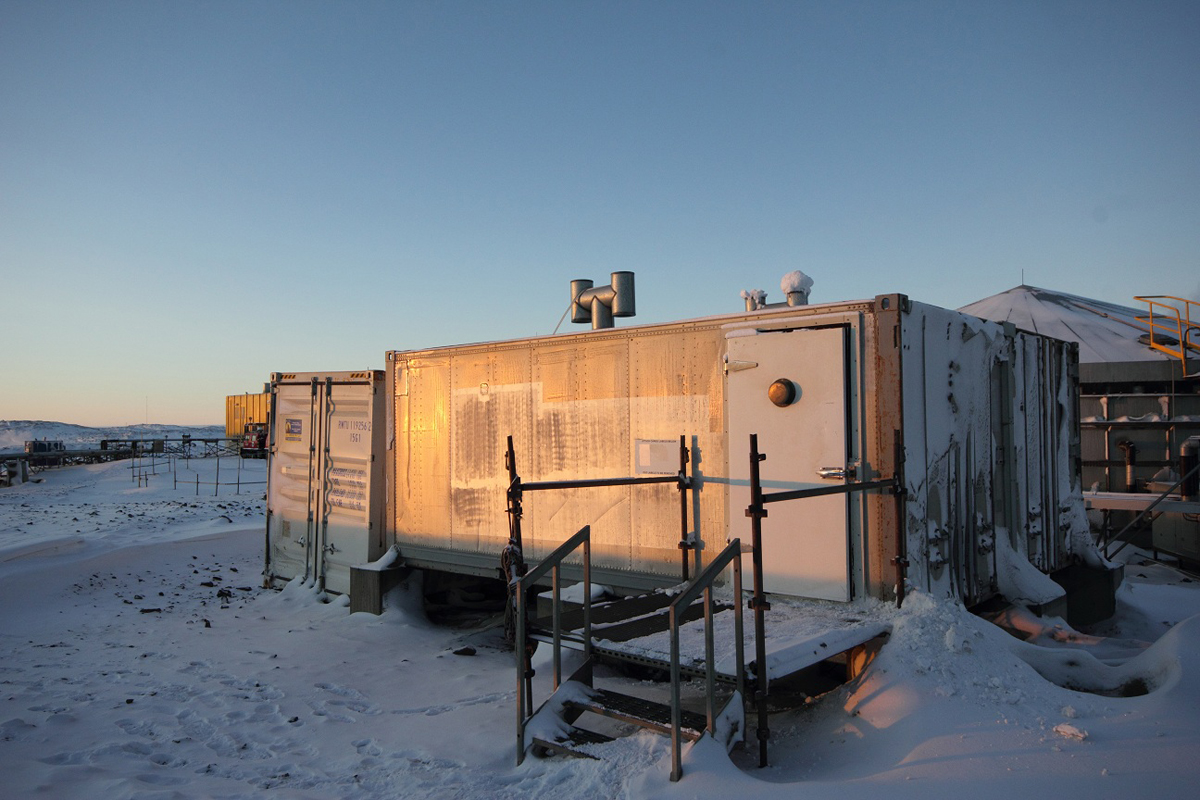
Operating out of a structure formed by two lined shipping containers joined together to create a three-room facility, the station’s hydroponics program serves a vital dual purpose. Primarily focused on hobby cultivation and boosting community morale, the setup does not attempt to feed the entire station population. Depending on the time of year, the demographics at Davis Station fluctuate significantly. During the summer months, the station can host a population exceeding 100 people. In contrast, the winter months see a smaller, tighter-knit group ranging from 16 to 25 individuals. During Seidel’s tenure, 21 people stayed over the winter months spanning from April to November, with 14 of those crew members actively participating in the hydroponics crew.
This collaborative structure fosters a strong community spirit on the station. According to the crew, whenever a technical or operational hurdle arises, there are always more than enough willing hands on station to help resolve the issue.
The external climate presents formidable obstacles that make traditional cultivation entirely impossible. Winter temperatures at Davis Station fluctuate wildly based on prevailing weather patterns. Clear days can plunge thermometers down to a staggering -30 degrees Celsius, accompanied by fierce winds reaching up to 100 knots. Even under more typical conditions, the average ambient temperature hovers around -20 degrees Celsius. These extreme atmospheric conditions completely eliminate any possibility of growing plants outdoors, cementing the necessity of a strictly controlled, indoor artificial environment.
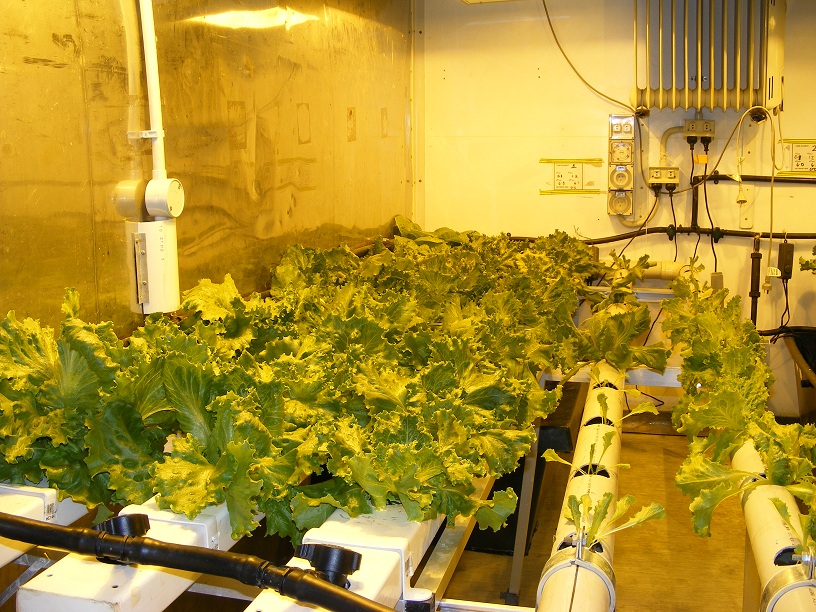
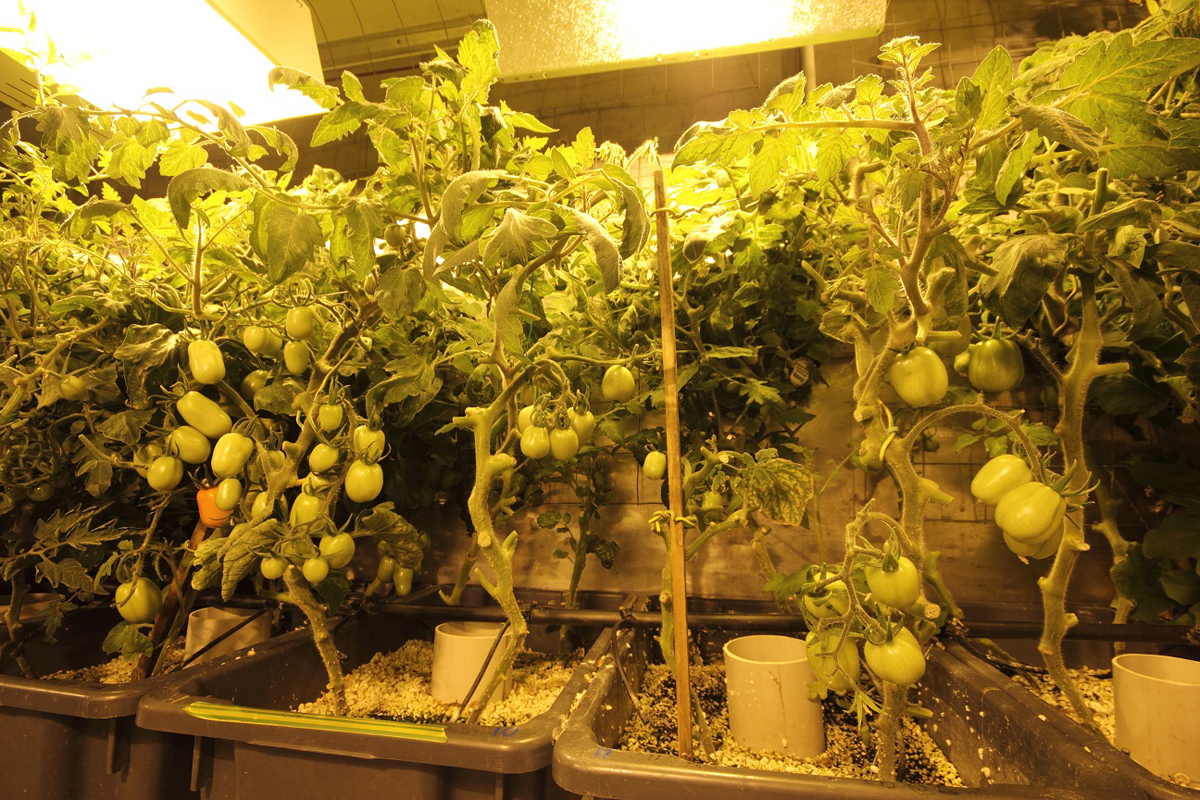
Strict biosecurity and quarantine regulations, combined with the inherent spatial limitations of a converted shipping container, dictate what the crew is permitted to cultivate. To maximize utility and comply with strict environmental safeguards, the station focuses exclusively on edible produce. During Seidel’s season, the crop selection included iceberg and cos lettuce, various tomato cultivars, Lebanese cucumbers, capsicums, and a diverse assortment of culinary herbs.
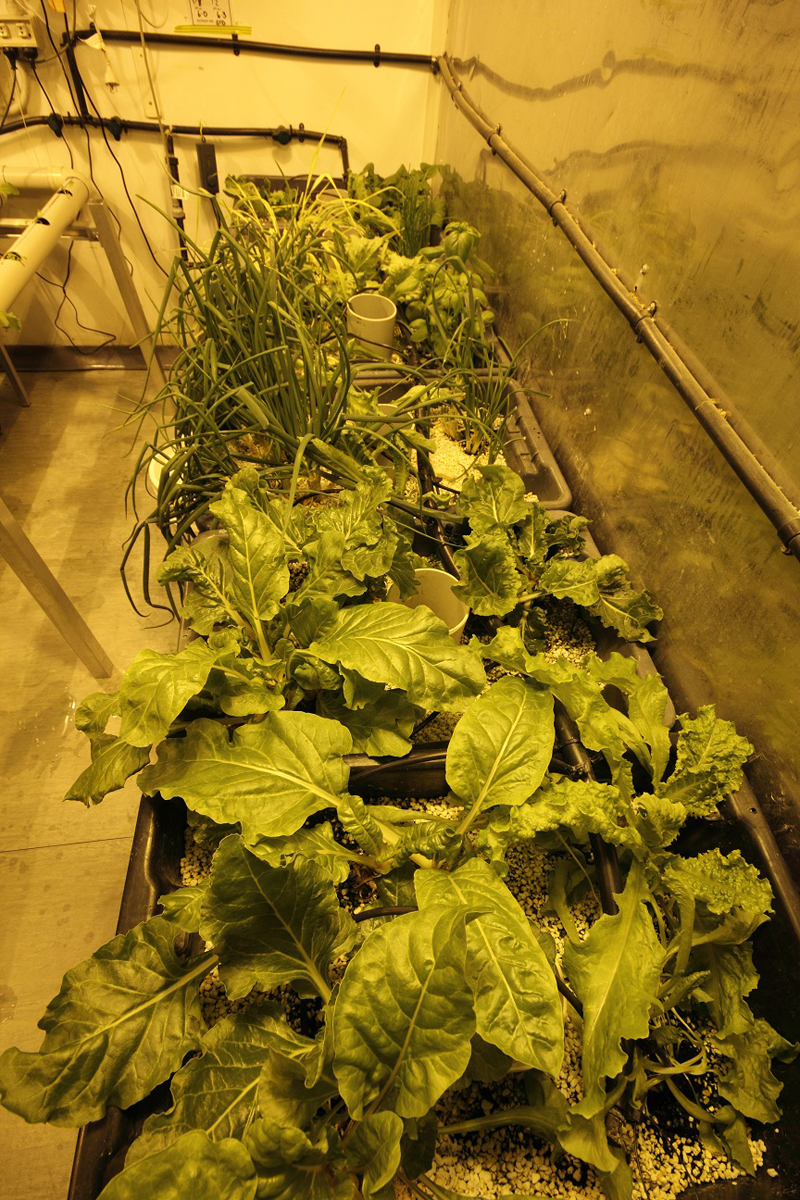
For the station personnel, stepping into the hydroponics unit offers a dramatic sensory reprieve from the surrounding frozen landscape. Inside the specialized containers, the environment is typically maintained at a warm 27 degrees Celsius with approximately 60 percent humidity, making it a popular retreat for crew members seeking warmth and living greenery.
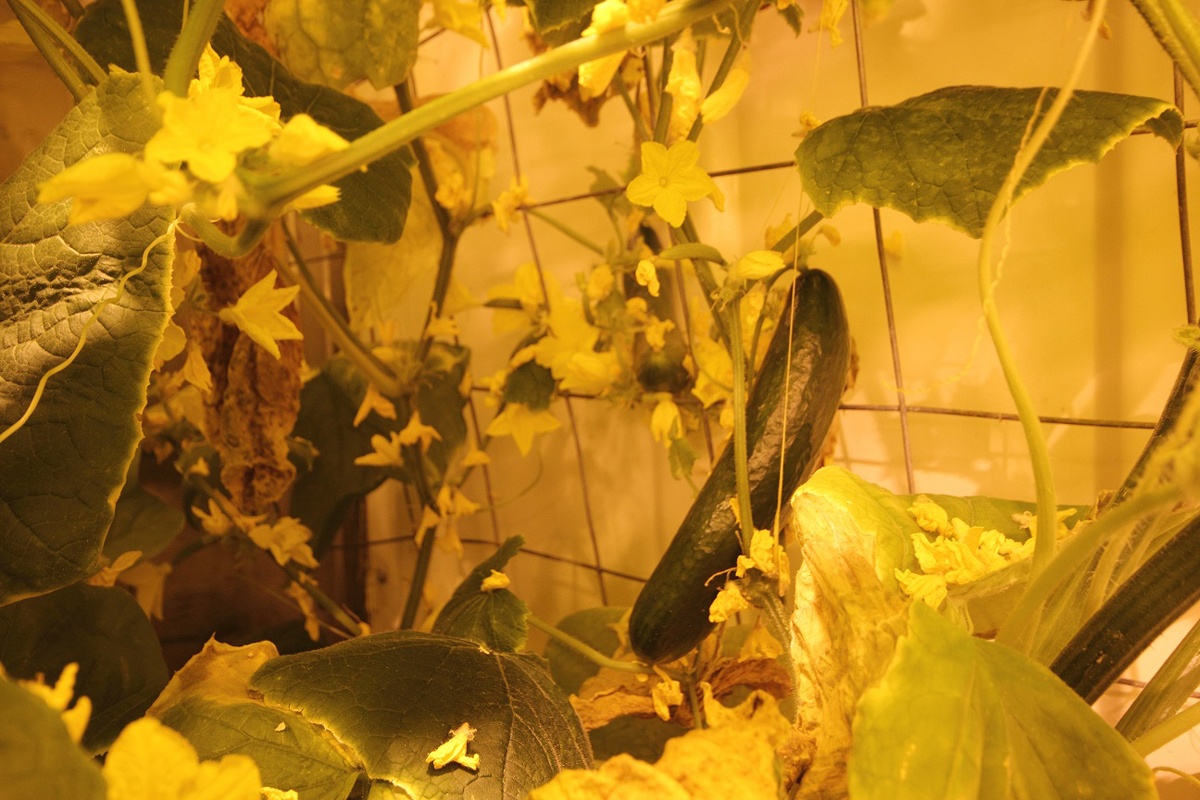
Management of the crops requires rigorous daily oversight. The station rosters two individuals per week to monitor the health and development of the plants twice daily, alongside two specialized crew members dedicated exclusively to seeding and propagation. Environmental protection remains a paramount concern throughout the process. At the conclusion of every season, all crops, along with the growing media in which they were cultivated, are entirely removed and incinerated. This strict protocol prevents the spread of plant diseases and ensures that no non-native biological materials or organisms are accidentally introduced into the delicate Antarctic ecosystem.
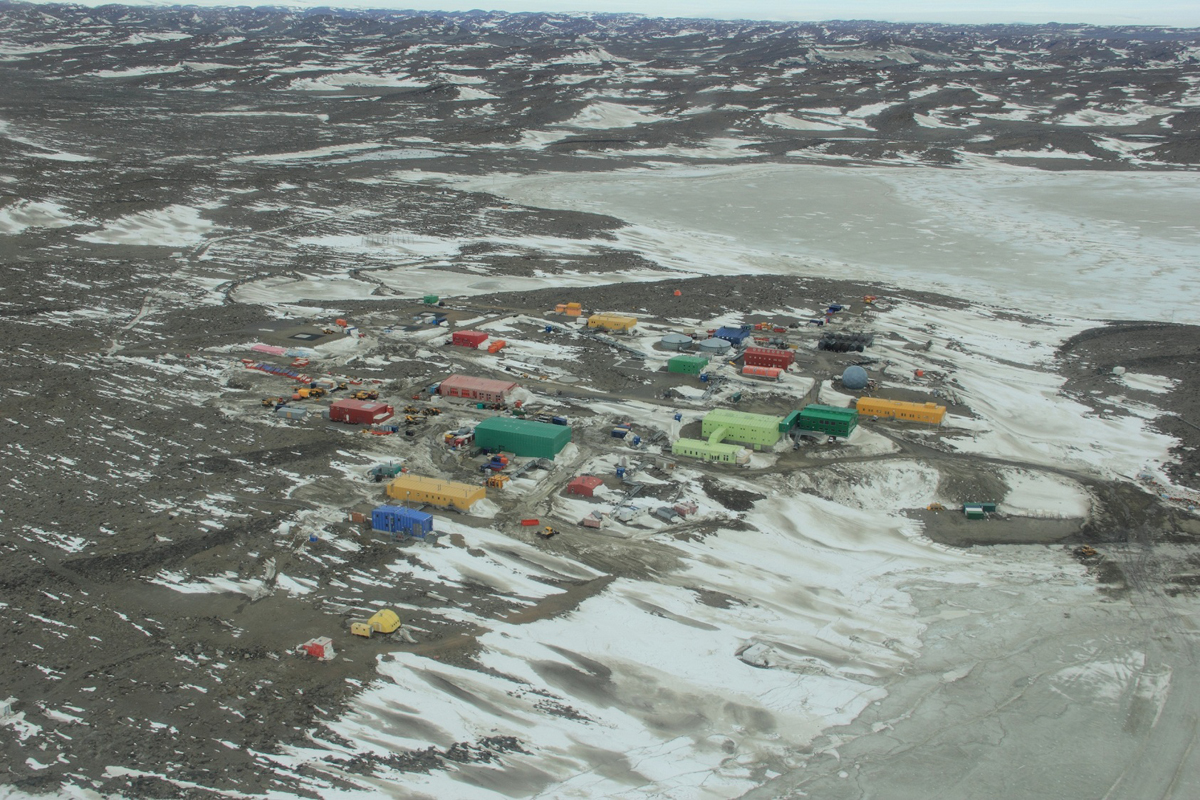
Maintaining the integrity of the water systems and preventing the entire facility from freezing solid stands as the primary technical challenge of running an Antarctic hydroponics lab. Because the operation is completely isolated and sterile, the plants generally encounter few, if any, of the traditional diseases that plague agricultural efforts in warmer climates. However, unexpected mechanical failures can still threaten months of meticulous work.
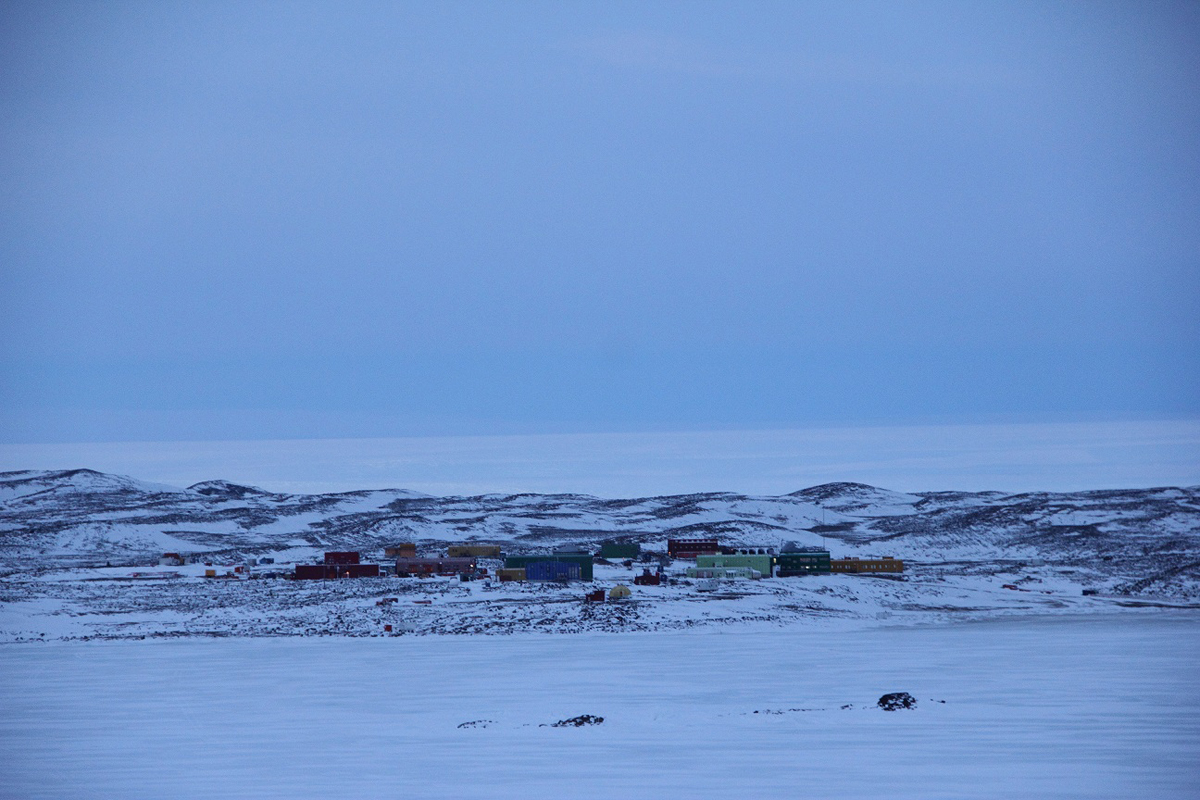
During one winter, a severe door malfunction occurred in mid-June, allowing precious heat to escape and bitter external cold to flood the facility over a 12-hour period. The resulting frost caused significant damage, wiping out a large portion of the crop. Remarkably, the majority of the lettuce and herbs managed to survive the freezing exposure. Demonstrating the resilience characteristic of Antarctic personnel, the team reset their systems, bounced back quickly, and re-established their crops even stronger than before. Over an eight-month operational window, the station harvested more than 60 kilograms of fresh, high-quality produce.

The endeavor highlights the profound impact that living plants and fresh food can have on human morale during the long, dark months of an Antarctic winter. Through a combination of technical ingenuity, strict quarantine protocols, and steady community dedication, the personnel at Davis Station successfully maintained a thriving oasis of green at the ends of the earth.
For readers inspired by these extreme horticultural feats, opportunities remain open to share different gardening journeys through community photo submissions, capturing everything from unique plant collections to remarkable garden spaces visited around the globe.