The traditional backyard garden shed is undergoing a quiet evolution. Long relegated to the utilitarian role of housing lawnmowers, bags of fertilizer, and forgotten tools, the backyard outbuilding is increasingly being looked upon as a blank canvas for architectural and lifestyle expansion. Fueled by a growing desire for functional home space and the natural aesthetic of sustainable timber, property owners are finding that a well-crafted structure can serve as much more than a simple storage locker.

Industry observers note that homeowners facing spatial constraints within their primary residences are looking outward, treating the backyard footprint as an extension of the domestic interior. At the center of this trend is the Western Red Cedar shed, a foundation prized for its structural integrity, natural resistance to decay and insects, and distinct aesthetic warmth. Rather than filling these structures with rakes and potting soil, a growing segment of homeowners is collaborating with contractors—or taking the DIY route—to convert these structures into bespoke backyard rooms tailored to modern living requirements.
For many professionals navigating the ongoing realities of remote and hybrid employment, the daily friction of working from a kitchen table or living room couch has driven the demand for dedicated exterior offices. Domestic distractions—ranging from household chores and family members to ringing doorbells—can severely disrupt productivity. By establishing a separate workspace mere steps from the back door, remote workers are able to carve out clear psychological and physical boundaries between their professional duties and domestic lives.
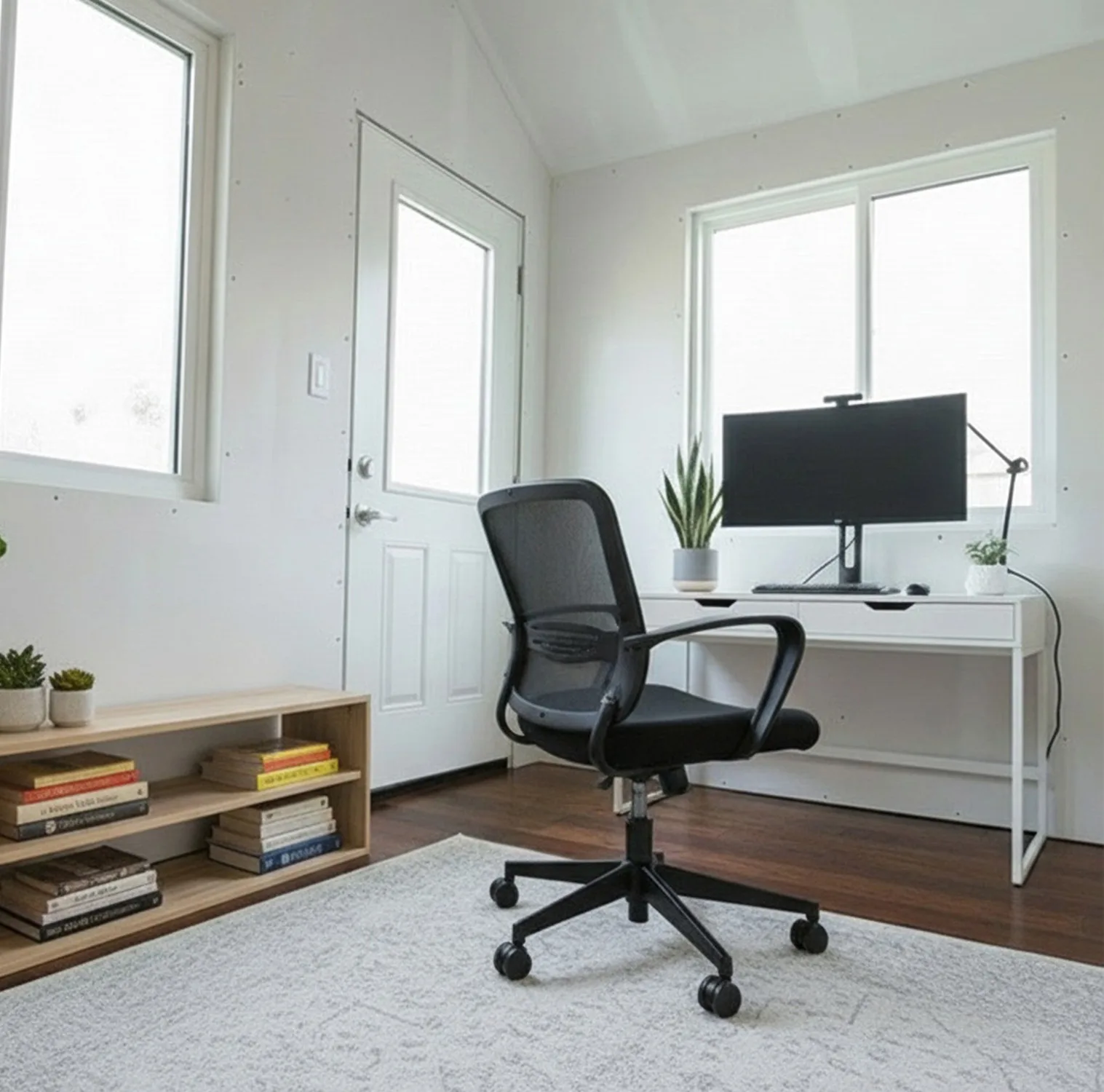
A cedar shed configured as a home office introduces a high degree of architectural flexibility. Outfitted with proper insulation, electrical wiring, and personalized interior finishes, these backyard studios offer natural beauty and privacy that can drastically alter a daily routine. The tactile presence of cedar wood, combined with natural light filtering through strategically placed windows, creates a calm, focused environment that mirrors the benefits of a commercial office without the commute.
At the same time, the search for personal sanctuary within crowded households has prompted families to reimagine these structures as specialized recreational retreats. Often referred to colloquially as "she sheds," "man caves," or dedicated family rec rooms, these transformed outbuildings function as dedicated escape valves when the main house feels bustling and loud. Whether a resident seeks a quiet corner to read undisturbed after dinner, a space to pursue specialized hobbies, or a private venue to watch athletic events without interrupting household harmony, a small cedar building provides an immediate architectural solution.
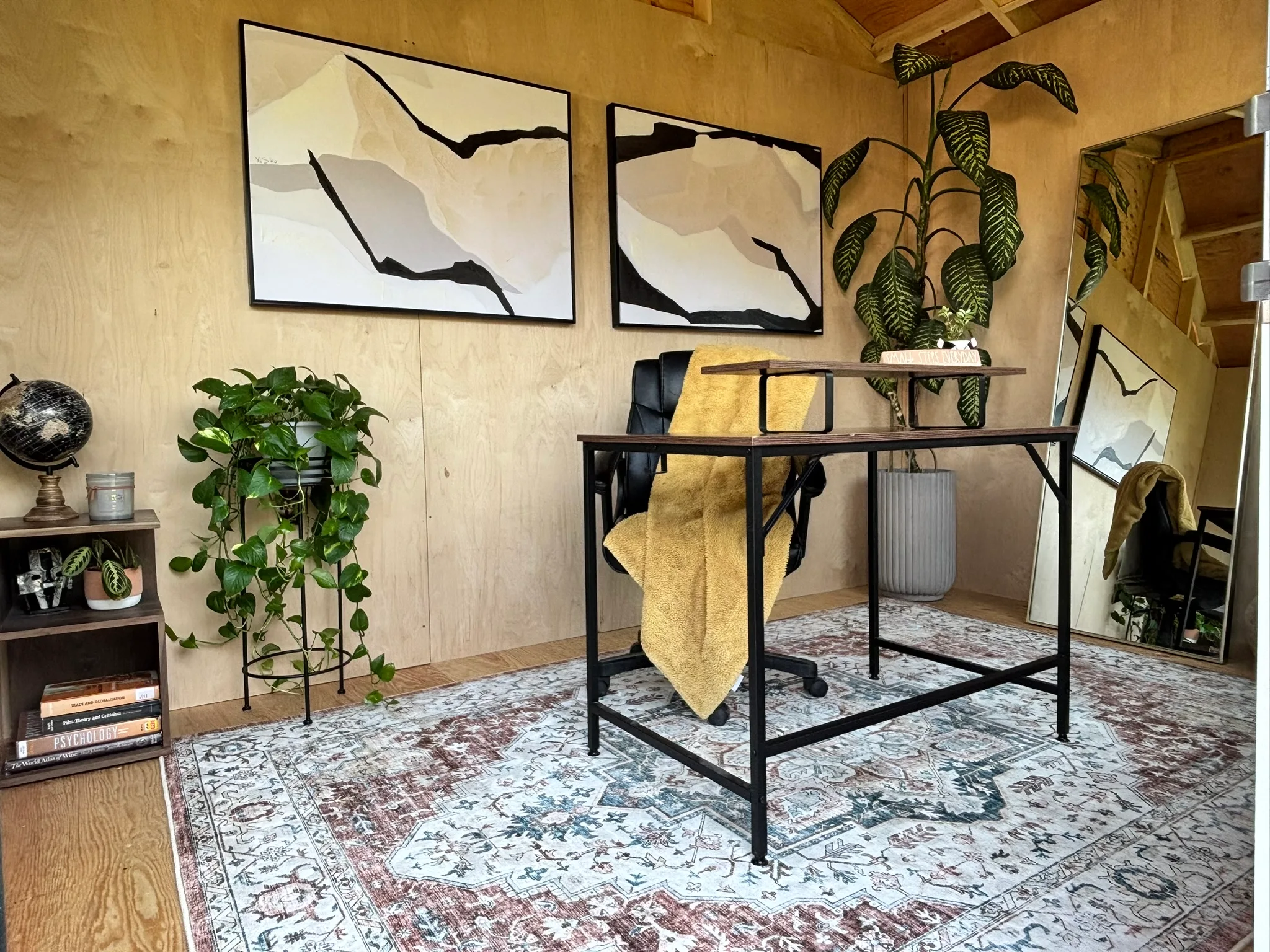
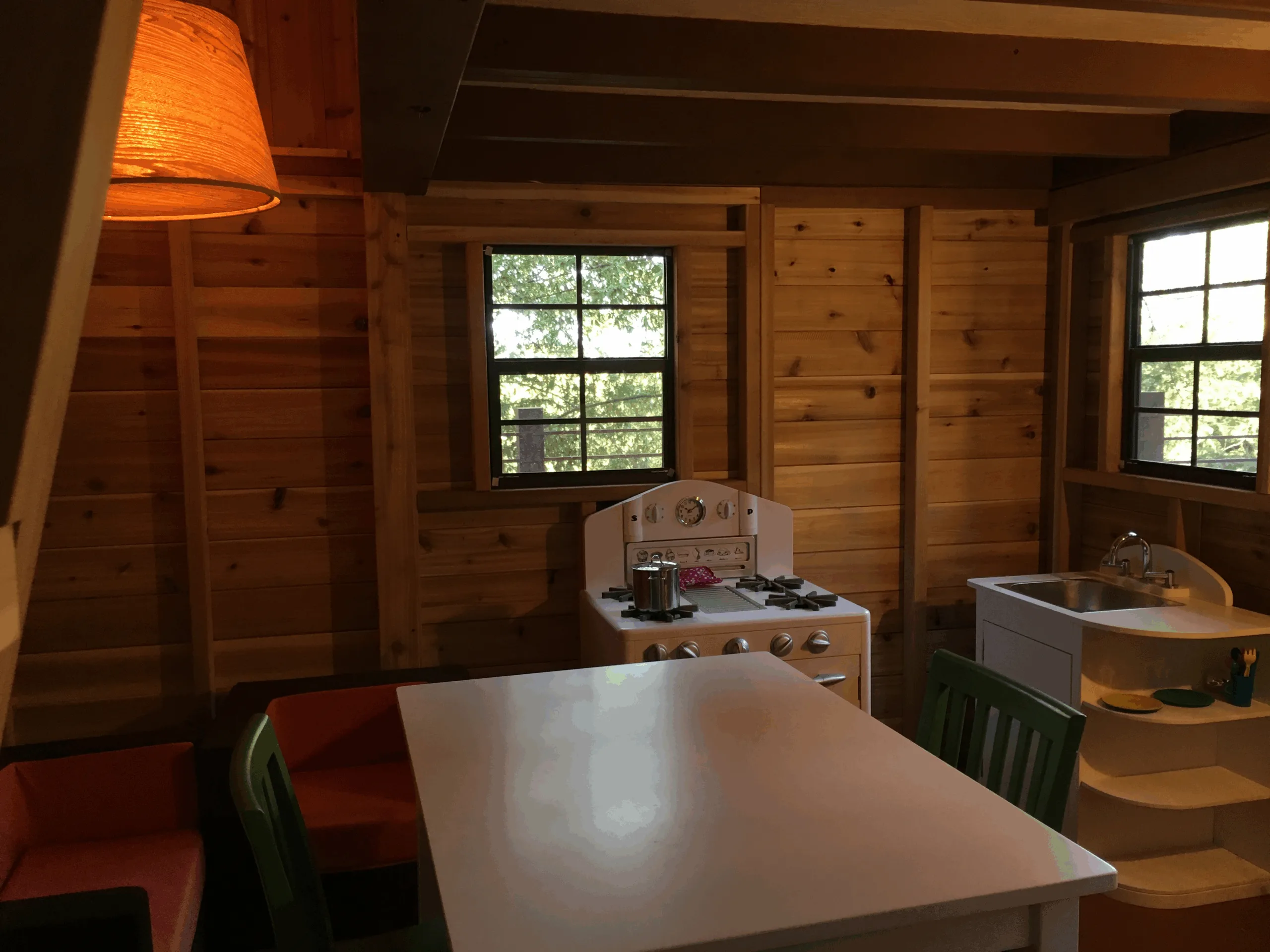
Beyond adult sanctuaries, families are increasingly turning their attention to the needs of younger household members by converting these structures into dedicated playhouses. Standard plastic or flimsy wooden play structures often have short lifespans and limited utility. In contrast, a sturdy cedar shed can be adapted to grow alongside children. When insulated and supplied with electricity, these spaces transition effortlessly from toy-filled toddler rooms into sophisticated study zones or teenage hangouts as the years progress. Homeowners can install durable flooring, cabinetry, and counters, relying on the inherent durability of Western Red Cedar to ensure the structure remains safe, weather-resistant, and secure against pests year-round.
The trend also extends into the realm of domestic hospitality. Homeowners who frequently entertain outdoors are finding that a cedar shed can easily double as an open-air bar, prep kitchen, or serving station. During the peak of barbecue season, the constant transit between an indoor kitchen and an outdoor patio can become burdensome. By outfitting a backyard shed with a serving counter, a compact refrigerator, and organized shelving for glassware and entertaining essentials, hosts can streamline their operations. Simple architectural adjustments, such as extending a roof overhang, create a naturally shaded serving window that shelters guests while elevating the overall outdoor dining experience.
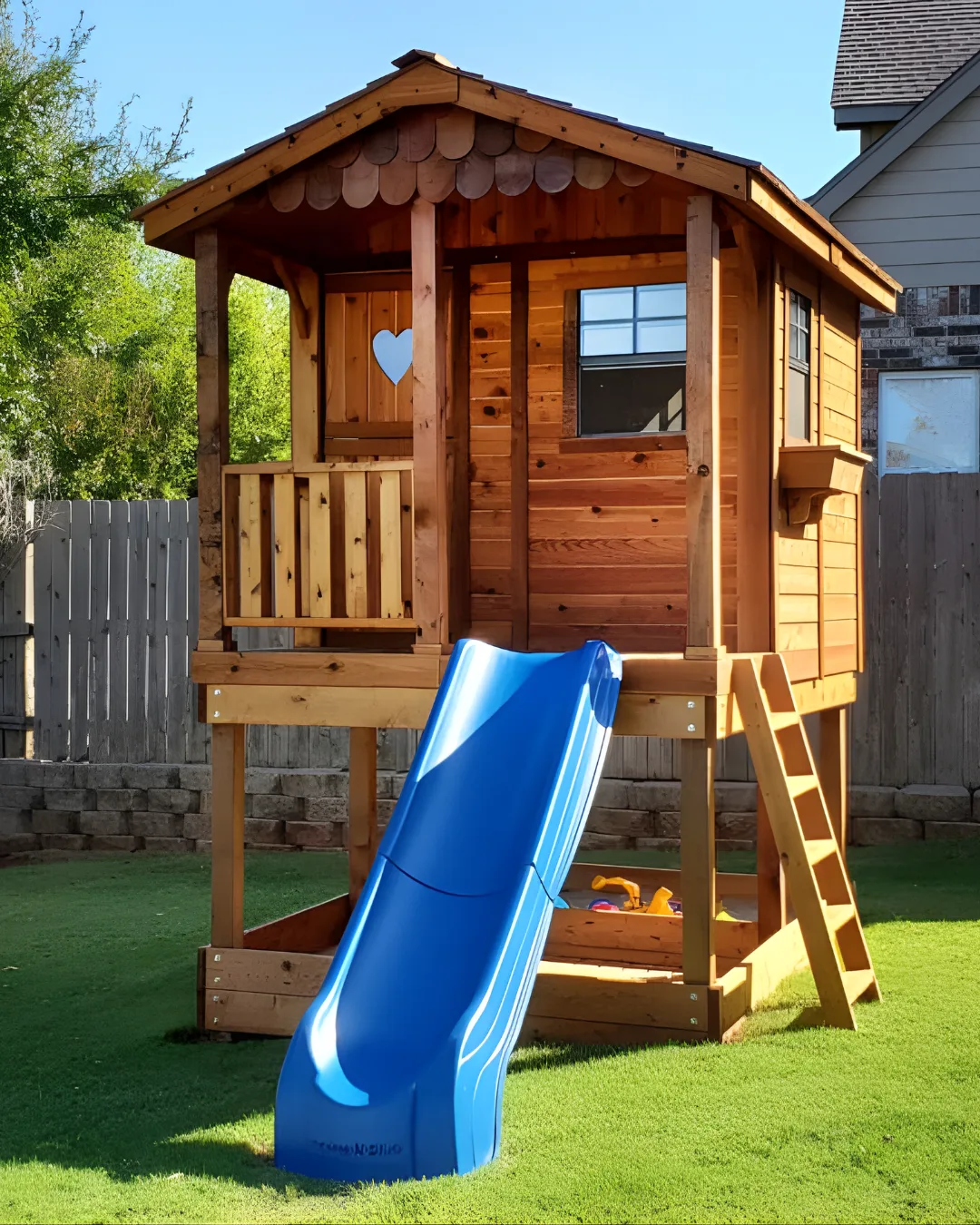
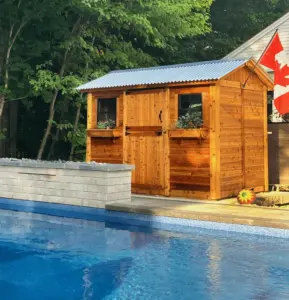
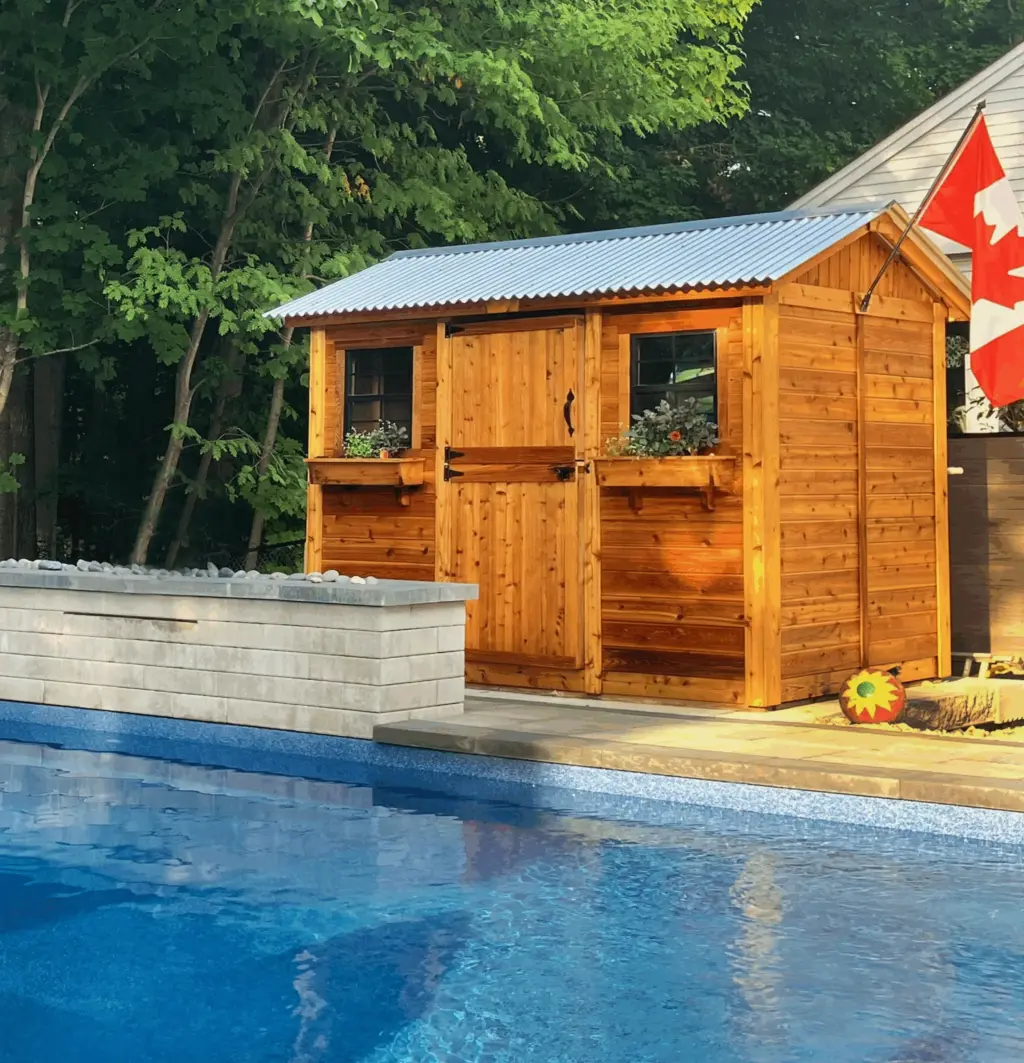
For properties equipped with swimming pools or hot tubs, the cedar outbuilding frequently assumes the role of a dedicated pool house. The constant stream of wet guests tracking through a primary residence can create maintenance challenges for homeowners. A dedicated poolside structure provides a convenient, elegant solution, offering a private space for guests to change, store towels, and dry off before re-entering the main house. Because Western Red Cedar contains natural oils that provide inherent resistance to moisture, humidity, and shifting weather patterns, the timber stands up exceptionally well to the damp environments typically associated with aquatic zones, maintaining its visual appeal across changing seasons.
Manufacturers specializing in these structures emphasize that the shift away from pure storage reflects a broader re-evaluation of residential square footage. Craftsmanship rooted in sustainably sourced timber allows these buildings to blend seamlessly into natural backyard landscapes while offering robust structural support. From compact studio layouts to larger multi-room configurations, the structures are designed to adapt fluidly to the changing needs of a household.
As property owners continue to seek innovative ways to maximize their residential properties, the traditional garden shed is shedding its purely functional reputation. Whether deployed as a quiet professional outpost, a family recreation hub, an entertainment center, or a poolside retreat, the versatile cedar outbuilding demonstrates that the most valuable square footage a home is missing might actually be found right outside the back door.