The arts and culture landscape is experiencing a week of high-stakes developments, ranging from contentious urban planning battles in the nation’s capital to major curatorial shifts in the contemporary art world. As protesters in Washington, DC, mobilize against a controversial architectural proposal, major cultural institutions like the Whitney Museum of American Art are already looking far ahead, announcing the curatorial teams that will shape the next generation of blockbuster exhibitions.
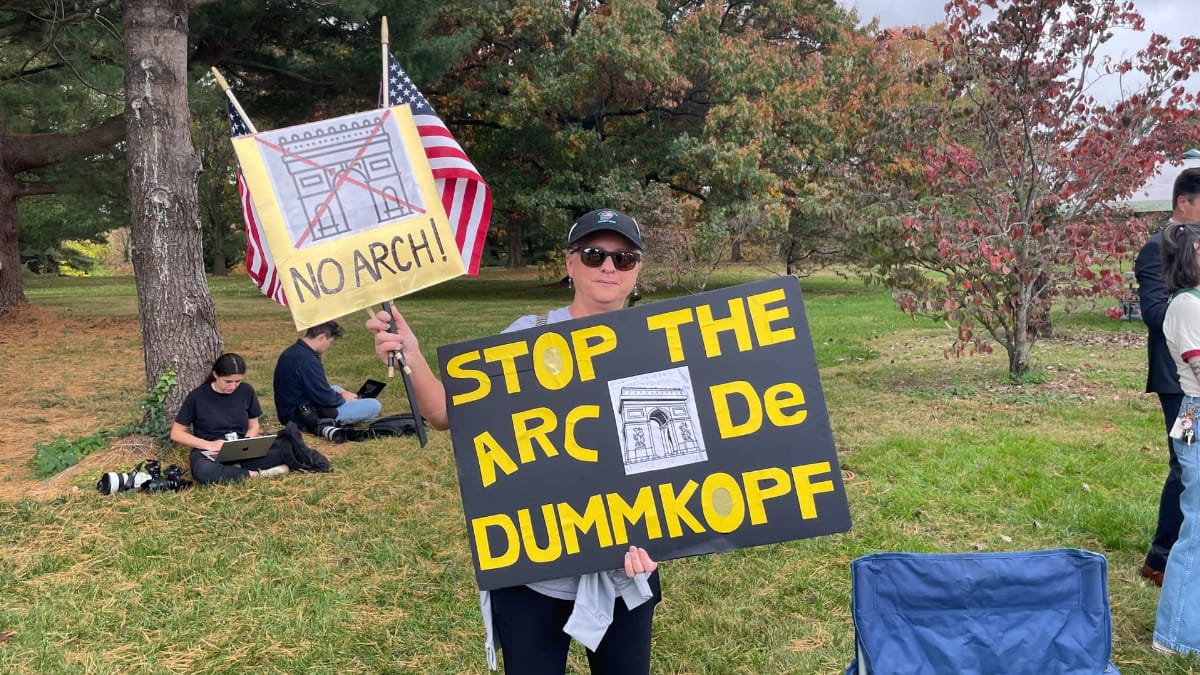
DC Protesters Slam Trump’s Fascist Triumphal Arch
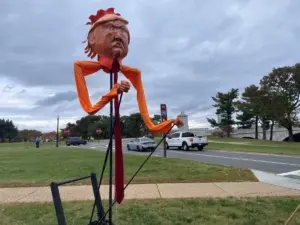
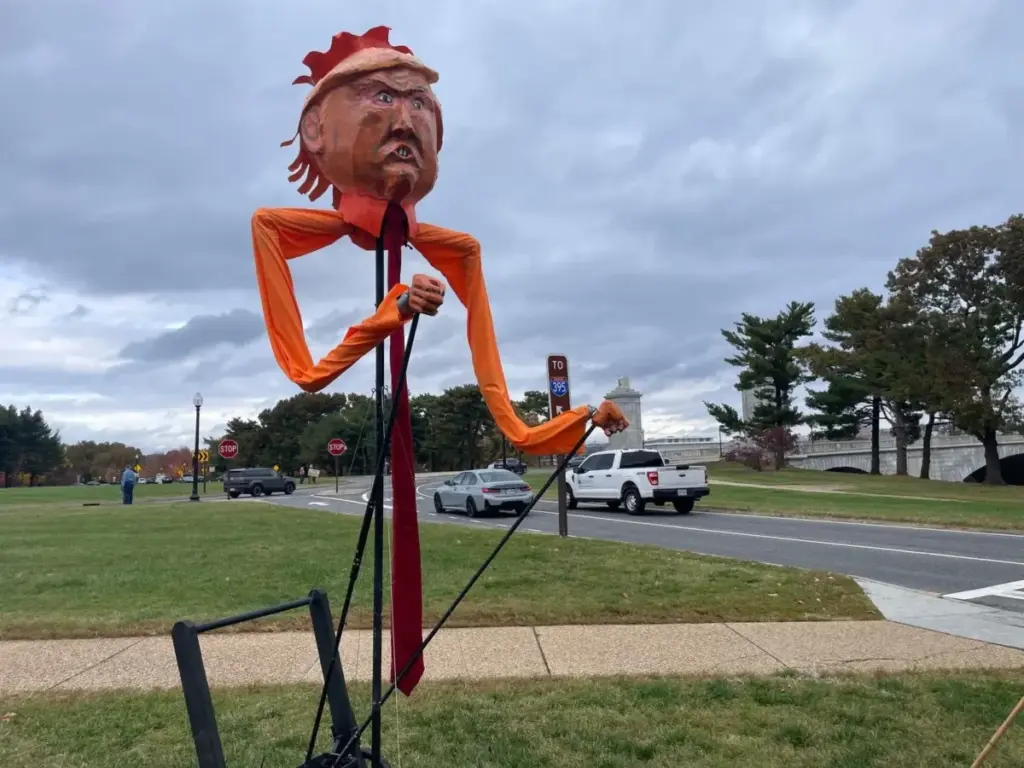
Tensions reached a boiling point in Washington, DC, as community members, activists, and preservationists gathered to voice fierce opposition to a controversial infrastructure project. South of Memorial Circle, well within eyeshot of the historic Lincoln Memorial and the flickering flame of the John F. Kennedy Eternal Flame, more than 50 protesters assembled to protest Donald Trump’s proposed 250-foot Triumphal Arch.
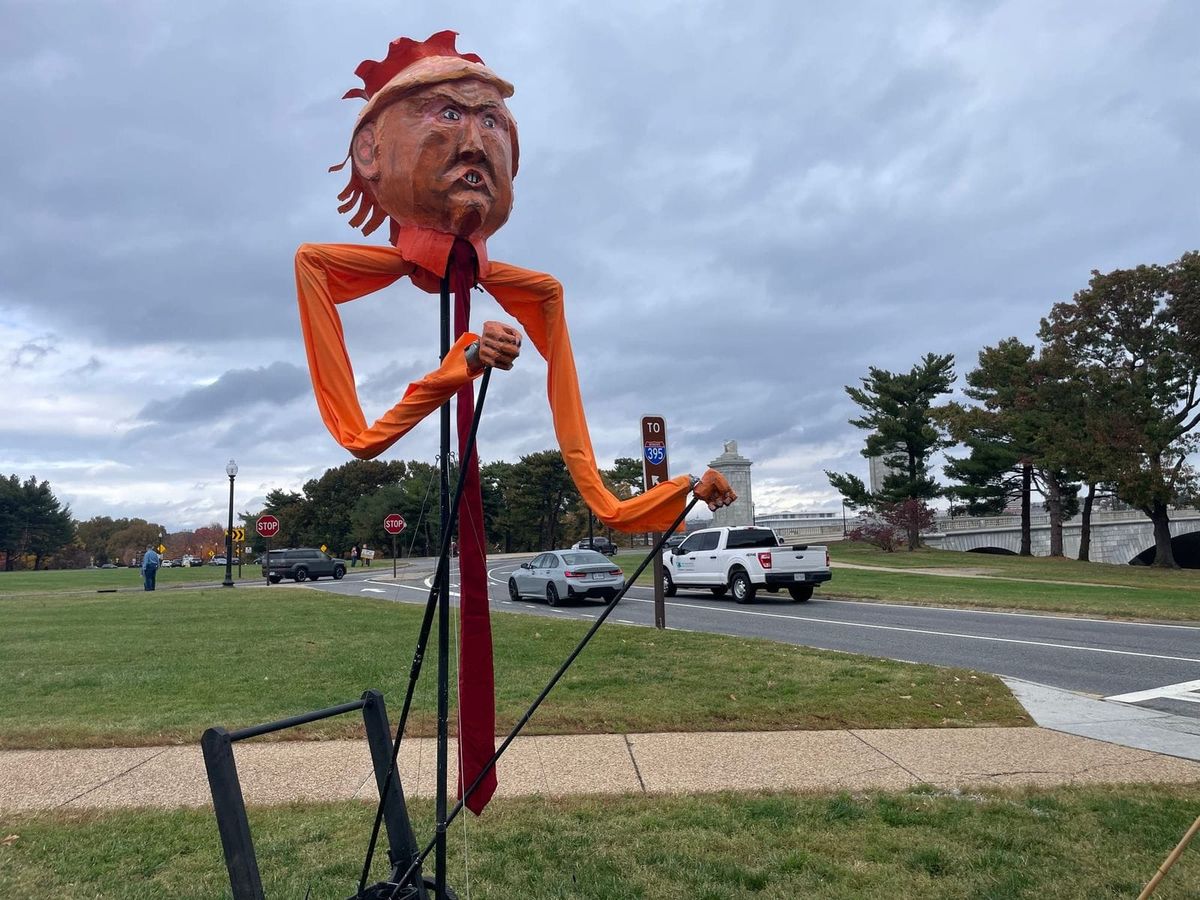
The demonstration took place just hours before the National Capital Planning Commission (NCPC) was scheduled to hold its final meeting and vote on the monumental project. Critics of the arch have increasingly characterized the massive structure as an authoritarian imposition on the capital’s classical landscape, prompting sharp debates over public space, architectural symbolism, and civic heritage.
Despite the mounting public outcry and grassroots opposition, the NCPC ultimately approved the arch project in an 8–4 vote. However, the legal battle over the monument’s future is far from settled. Hours after the commission’s decision was handed down, a district court judge intervened, granting the District of Columbia and the state of Virginia a temporary 14-day restraining order to halt any immediate construction and allow further legal scrutiny of the approval process.

Meg Onli and Zack Winokur to Curate 2028 Whitney Biennial
While architectural battles unfold in Washington, the museum world is already turning its attention to the future of American contemporary art. No sooner had the dust settled on the most recent iteration of the Whitney Biennial than the Whitney Museum of American Art announced the leadership team tasked with organizing its next major showcase.
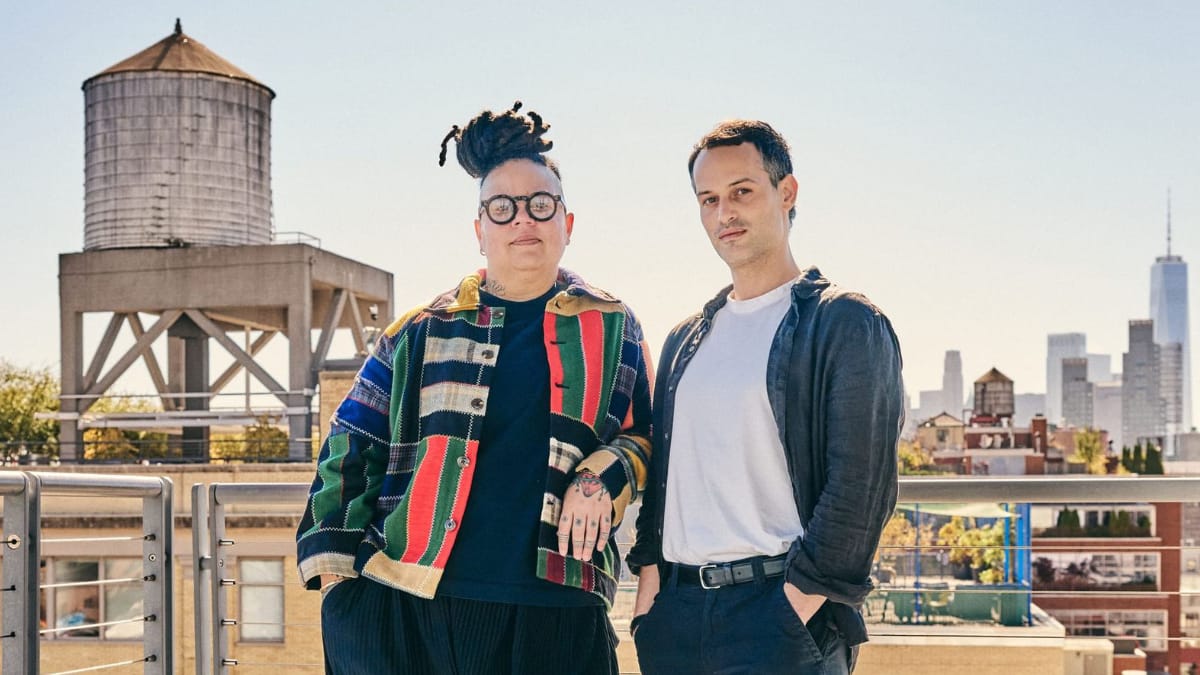
Staff writers have confirmed that Meg Onli, who served as a co-curator for the acclaimed 2024 edition of the biennial, will return to helm the 2028 exhibition. She will be joined by Zack Winokur, a renowned opera director and producer whose multidisciplinary background is expected to bring a dynamic, theatrical perspective to the museum’s flagship contemporary art survey.
The appointment signals a continued commitment by the Whitney to blend rigorous contemporary art curation with innovative performance and cross-disciplinary programming. As one of the most closely watched barometers of contemporary American art, the biennial’s leadership selection is already generating significant anticipation among artists, critics, and collectors alike.
Jordan Poorman Cocker’s Vision of Global Indigeneity
In tandem with discussions surrounding the future of American art institutions, curators are actively reevaluating how historical narratives are constructed and presented to the public. Recently, cultural critics caught up with pathbreaking Kiowa and Tongan curator Jordan Poorman Cocker, who recently spearheaded a major, comprehensive reinstallation of contemporary Indigenous art at Crystal Bridges Museum of American Art.
In a thoughtful conversation with Petala Ironcloud, Poorman Cocker discussed her groundbreaking approach to curatorial work, which involves treating Indigeneity not as a localized or isolated category, but as a robust global framework. Through her community-driven methodology, Poorman Cocker aims to dismantle traditional colonial frameworks within museum spaces, offering visitors a much more honest and inclusive story of American art that honors Indigenous perspectives, histories, and ongoing creative practices.
Uncovering the Tragic History Behind Renoir’s "Pink and Blue"
Historical reassessment is also taking place in the realm of art history and criticism, where scholars are shedding light on the human stories behind iconic masterpieces. A newly published book offers a poignant and long-overdue chronicle of the tragic lives of the Jewish sisters immortalized in Pierre-Auguste Renoir’s beloved painting, "Pink and Blue."
While the 1881 painting has long been celebrated for its lush Impressionist brushwork and charming depiction of childhood, the new historical study delves into the harrowing realities faced by the subjects and their family in the decades following its creation. By contextualizing the painting within the broader social and political tragedies of European history, the book deepens our understanding of the artwork, transforming a familiar visual icon into a complex repository of memory, loss, and resilience.
International Dialogues and Architectural Legacies
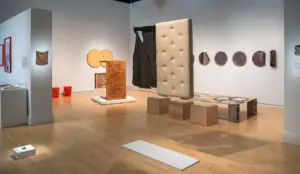
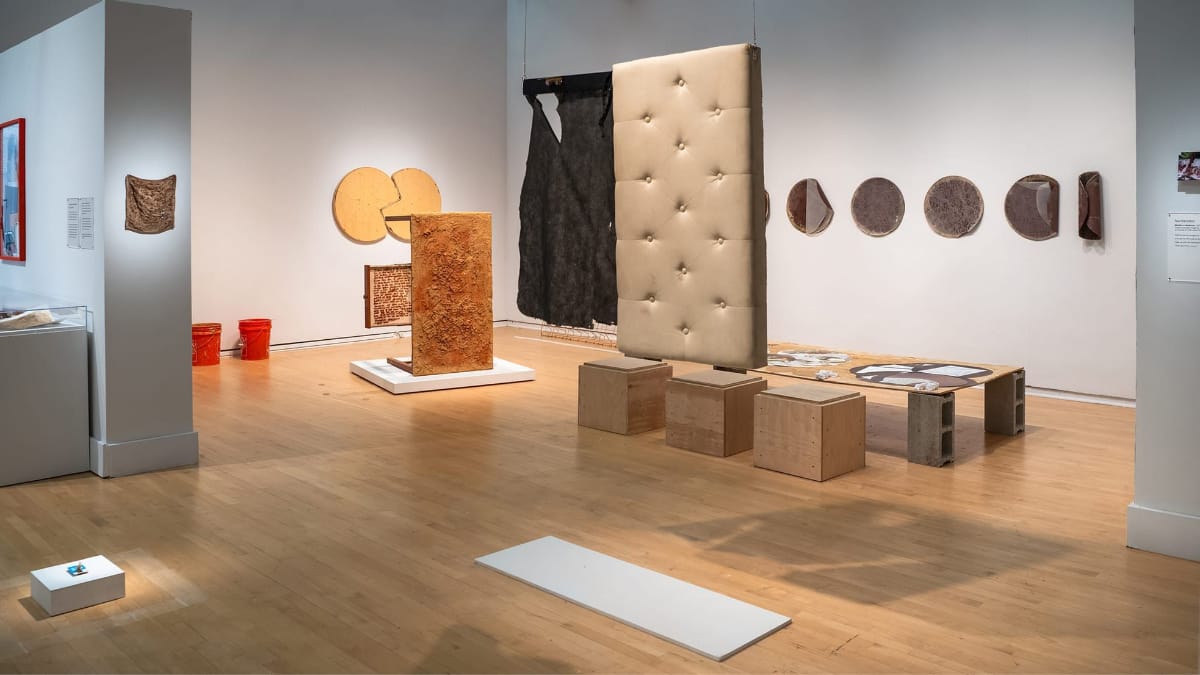
The global exchange of artistic ideas continues to resonate across international borders. Among the notable exhibitions currently drawing critical acclaim is All Manner of Experiments: Legacies of the Baghdad Modern Art Group, curated by Nada Shabout. On view at the New York University Abu Dhabi Art Gallery through January 3, 2027, the exhibition serves as a living archive, exploring the profound impact and experimental spirit of the 1950s Baghdad Modern Art Group within the context of the contemporary United Arab Emirates.
Meanwhile, architectural historians continue to examine the structural triumphs of the past. Archival retrospectives recently highlighted the enduring engineering marvel of Michelangelo’s dome at St. Peter’s Basilica in Rome, analyzing how the monumental structure successfully weathered centuries of seismic activity, material stress, and architectural challenges to remain one of humanity’s greatest engineering achievements. From contemporary political monuments sparking fierce civic resistance in Washington to historical deep-dives into Renaissance architecture and Impressionist portraiture, the cultural sphere remains a vital site where past, present, and future continuously intersect.