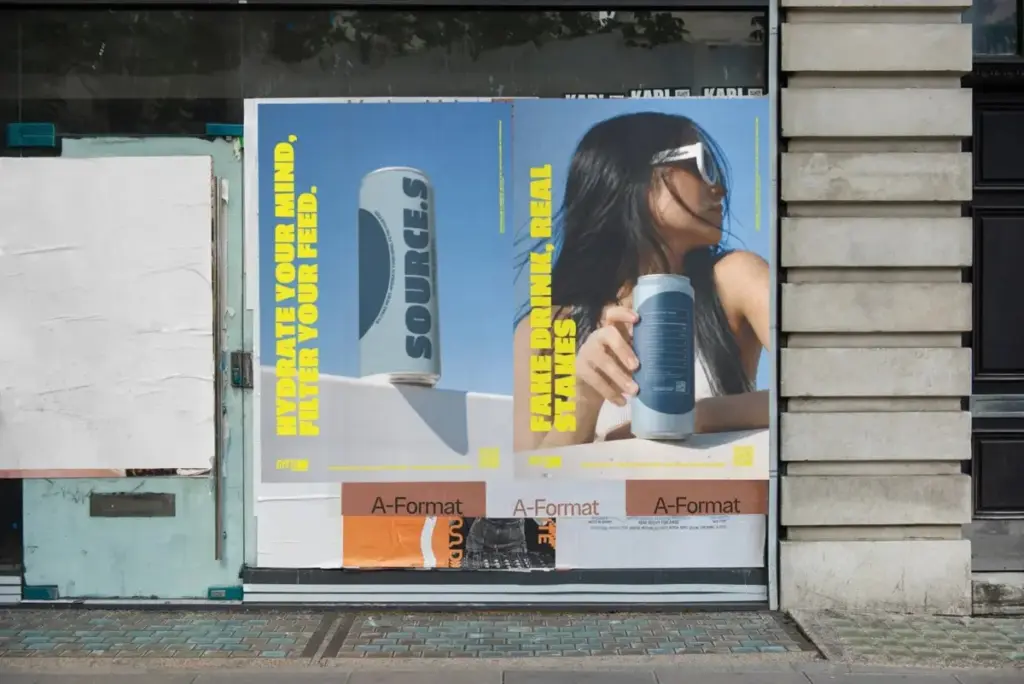
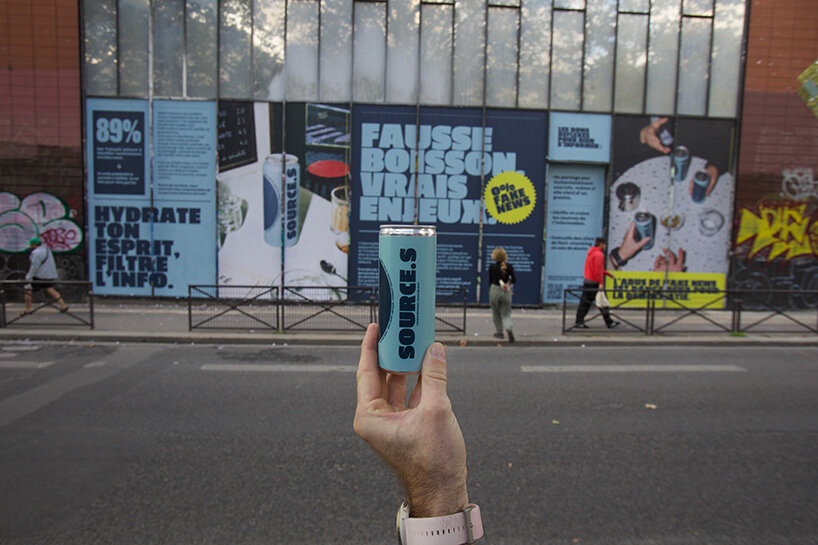
Paris-based nonprofit organization Dysturb has launched an inventive and provocative public awareness campaign across the streets of Paris and New York, introducing a fictional beverage called "Source.s" designed to challenge how people consume information in an age of widespread digital misinformation. Unveiled in October 2026, the campaign uses the polished, high-production aesthetics of a commercial product launch—complete with large-scale murals, striking posters, and promotional aluminum cans handed out directly to passersby—to encourage greater media literacy and critical thinking.
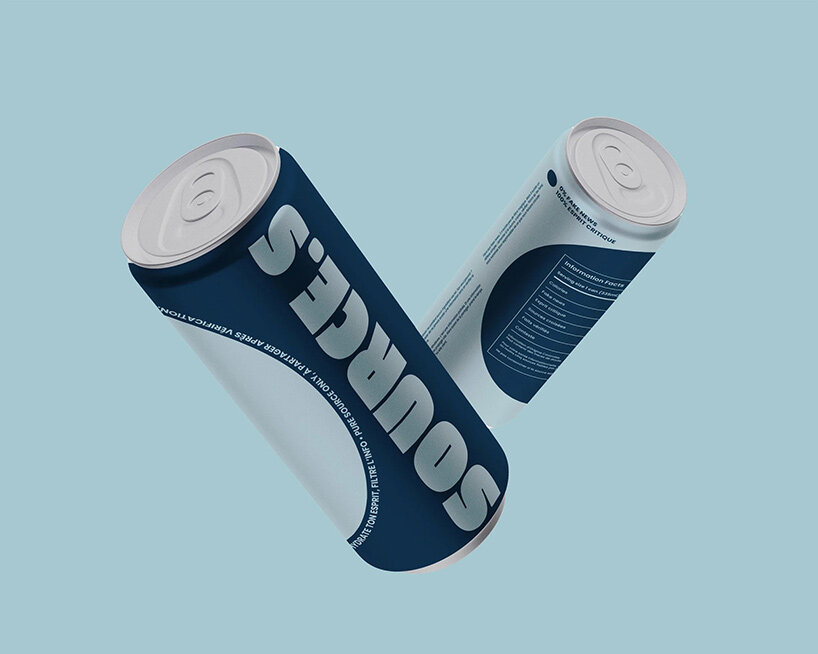
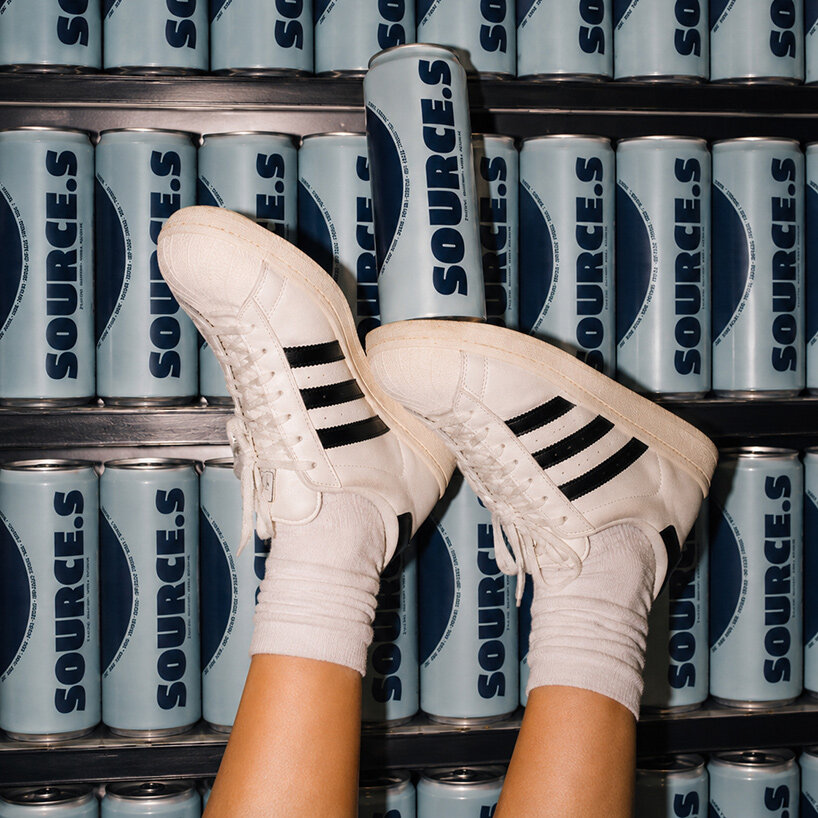
At first glance, Source.s can easily blend into the crowded marketplace of contemporary functional beverages. Its physical packaging features a pale-blue aluminum can emblazoned with oversized navy lettering, while its advertising campaigns lean heavily on the familiar promises of refreshment, vitality, and well-being. Although the brand itself is entirely imaginary, the promotional cans distributed on the streets are entirely real, offering a tangible touchpoint for a message that blurs the line between commercial marketing and public education.
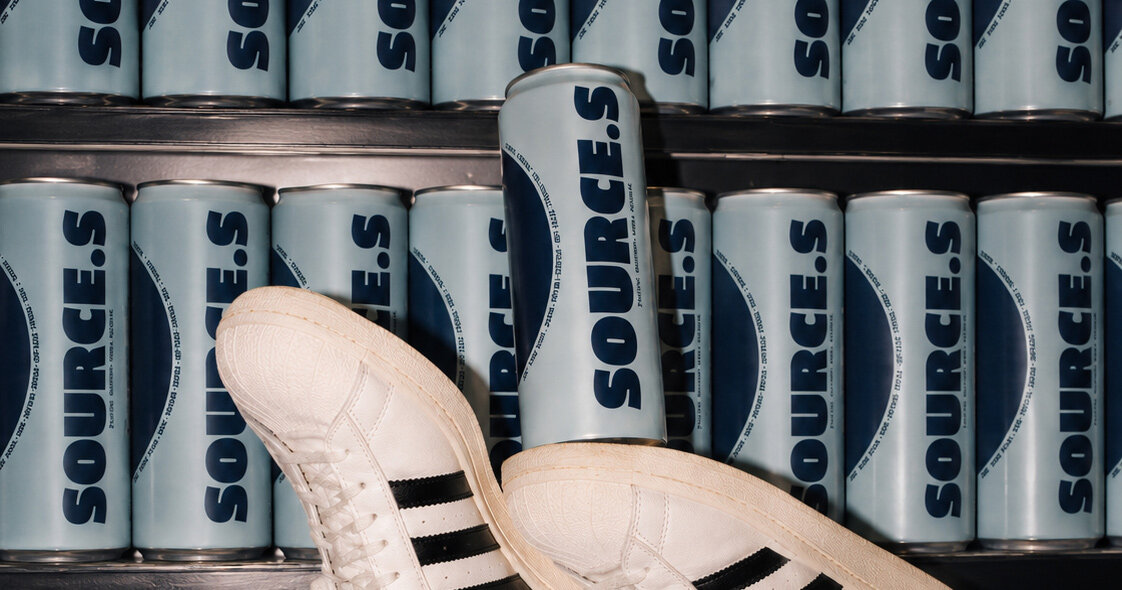
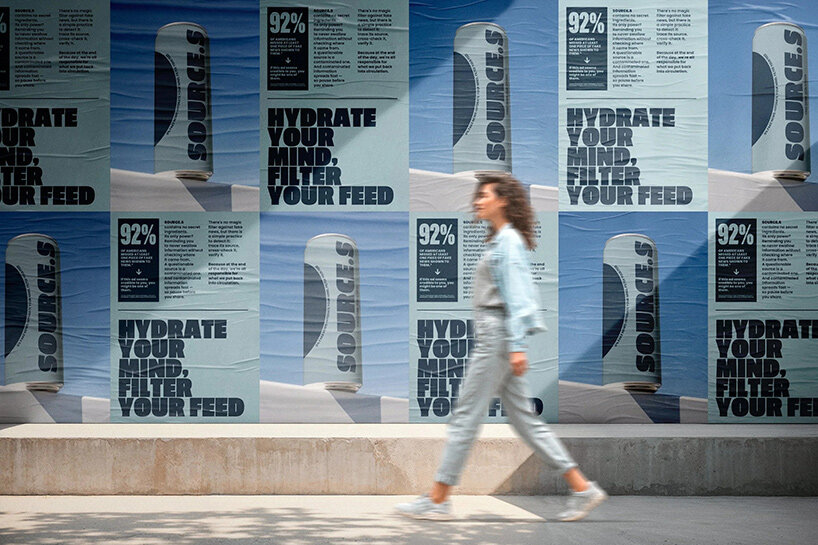
The illusion begins to unravel upon closer inspection of the product’s details. A clever "informational value" label replaces conventional nutrition facts, proudly listing 0% fake news and 100% critical thinking. Furthermore, the ubiquitous language of hydration and wellness undergoes a sharp conceptual rewrite. In the American market, the campaign deploys slogans such as "hydrate your mind, filter your feed," transforming a standard wellness catchphrase into an urgent reminder to question the veracity of the information individuals encounter daily. This playful approach to packaging design masks a deeper, underlying concern regarding the human tendency to readily trust information simply because it is presented with convincing graphic polish.
Bridging Paris and New York Through Distinct Visual Languages
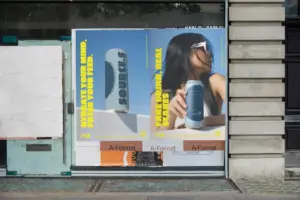
The rollout of the Source.s campaign adapts its visual and cultural cues to fit the specific urban environments of its two launch cities. In Paris, the campaign draws inspiration from the classic visual language of a traditional bistro drink. Posters feature oversized yellow typography set against stark photographic backgrounds, while the physical cans maintain the polished appearance of a high-end commercial beverage. A monumental mural installed along the Quai de Valmy anchors the campaign within the French capital, supplemented by smaller posters distributed across several vibrant neighborhoods. Members of the Dysturb team also engaged directly with the public by distributing cans along the canal and around nearby Métro entrances.
Across the Atlantic in New York, the American iteration of the campaign pivots toward contemporary wellness branding. The same pale-blue cans are showcased against bright skies and sunlit urban architecture, featuring lifestyle imagery of models holding the beverage in a manner identical to marketing campaigns for functional health drinks. Large-scale murals were erected strategically near the Navy Yard in Brooklyn and key locations in Manhattan to maximize public visibility.
Notably, Dysturb incorporates AI-generated imagery into the campaign’s visual assets—a particularly ironic and self-aware detail for a project fundamentally concerned with the credibility and manipulation of visual information. By utilizing recognizable commercial advertising conventions in both cities, the nonprofit successfully lends an invented product the illusion of total legitimacy, setting the stage for a broader conversation about how trust is visually manufactured.
A Health Warning Disguised as a Commercial Drink Campaign
As observers engage with the smaller print on the posters, the campaign’s core message becomes increasingly direct. Source.s cleverly borrows the authoritative tone of consumer health warnings to address the sociopolitical impacts of misinformation. One prominent warning label reads, "Excessive consumption of fake news is hazardous to democracy." Another draws a direct parallel between questionable digital information and a contaminated water source, effectively extending the beverage metaphor to explain how misleading stories and fabrications circulate and pollute online ecosystems. Integrated QR codes appear alongside the street advertisements, offering pedestrians a seamless pathway to explore the campaign beyond the physical posters.
For Dysturb, the creation of a fictional beverage offers an innovative methodology to introduce a pervasive societal problem through an unexpected, everyday format. For over a decade, the organization has dedicated itself to bringing photojournalism and public information into urban spaces, frequently utilizing large-scale photographic installations to spark civic dialogue. With the introduction of Source.s, Dysturb has actively adopted the sophisticated techniques of commercial advertising to turn the tables on consumer trust. The campaign challenges the public to reflect on why professional graphic design and familiar branding can inherently make a message appear credible, even before its underlying source has been critically examined.
Expanding Media Literacy Beyond the Street
The Source.s initiative operates as a cornerstone of Dysturb’s broader Anti Fake News Club, an educational undertaking that provides five free, downloadable media-literacy guides available in English, French, and Spanish. These educational materials delve into the underlying mechanics of misinformation and analyze the psychological and technological habits that shape how everyday people encounter news. Through practical exercises, the guides encourage readers to look far beyond a sensationalized headline, cross-reference independent sources, and rigorously examine the historical and geographic origins of photographs.
Specific modules within the guides explain how digital cropping or a deliberately misleading caption can entirely alter the context and meaning of an image, while others analyze the profound influence of algorithmic sorting on the information delivered to personal social media feeds. These resources have already been integrated into educational programs across numerous schools and institutional partners.
Concurrently, Dysturb is actively developing JustCheck, an advanced verification platform designed to assist users in evaluating questionable content. According to the organization, the proposed digital tool will accept a wide array of media inputs—ranging from screenshots to videos—and return a comprehensive credibility assessment backed by verifiable evidence and credible sources.
For the time being, however, Source.s brings these critical questions out of the digital ether and into a tangible, physical setting. Whether resting on a café table or pasted against a neighborhood wall, the fake drink arrives equipped with all the visual markers of a genuine consumer product, reserving its real purpose for the moment a curious passerby stops to read the label.