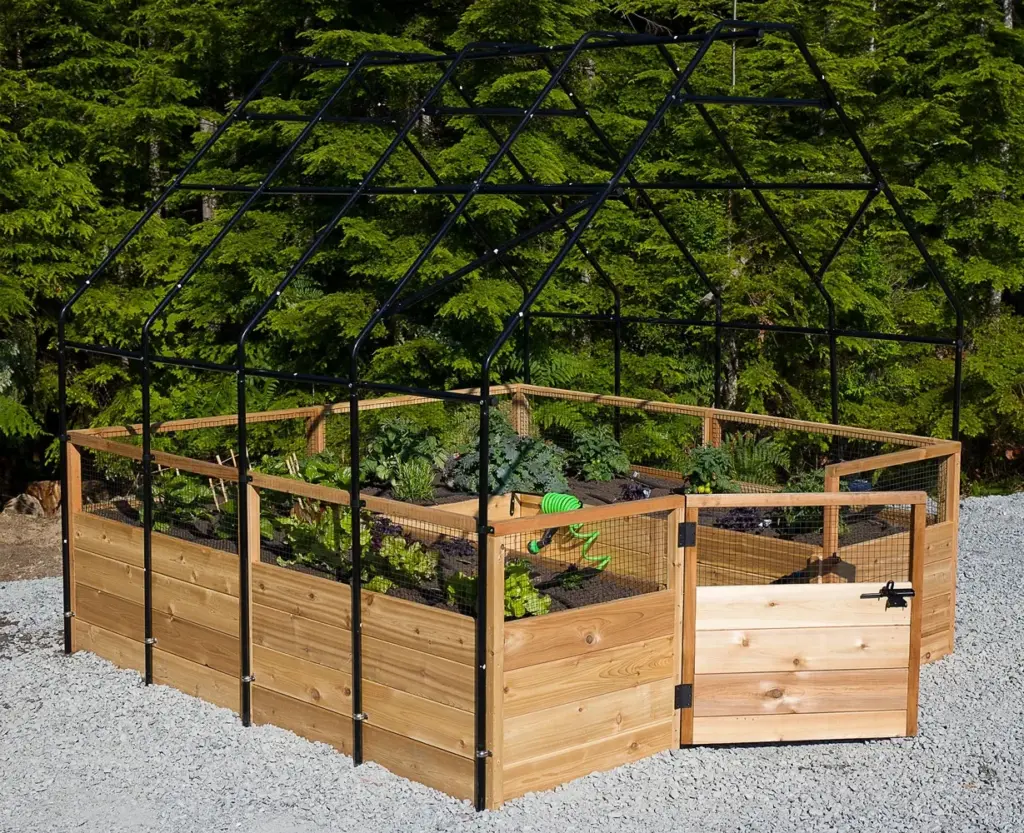
For many modern gardeners, the traditional growing season feels frustratingly brief. Spring often arrives late, autumn descends unexpectedly early, and volatile weather patterns—ranging from torrential downpours to sudden, unseasonal frosts—can instantly derail even the most carefully planned agricultural efforts. When combined with stubborn local pests, variable soil conditions, and the spatial constraints of modern urban and suburban living, it becomes easy to understand why an increasing number of growers are moving their operations indoors, or at least under protective cover.
To overcome these environmental hurdles, enthusiasts are increasingly turning to greenhouses. By establishing a controlled micro-environment, gardeners can cultivate significantly healthier plants, experiment with exotic or delicate new varieties, and extend their productive seasons far beyond the limitations of traditional outdoor plots. Whether a grower is nurturing fragile spring seedlings, cultivating heat-loving summer crops, or maintaining a steady supply of fresh culinary herbs through the depths of winter, having the right physical structure is the foundation of long-term horticultural success.
Manufacturers like Outdoor Living Today have stepped into this growing market by offering Western Red Cedar greenhouses that seamlessly blend sustainability, traditional craftsmanship, and intelligent architectural design. These structures are specifically engineered to help gardeners establish thriving, resilient plant environments capable of withstanding the elements for years. Preparing for this transition, however, requires careful consideration of structural styles, site placement, climate regulation, water management, and soil science.
Selecting the Right Greenhouse
Before planting the first seed or turning over the soil, prospective greenhouse owners must evaluate their specific gardening goals, available yard space, financial parameters, and the physiological needs of their intended crops. Choosing a structure that matches these variables ensures that the interior environment will naturally support optimal temperatures, humidity levels, and light penetration without requiring excessive artificial intervention.
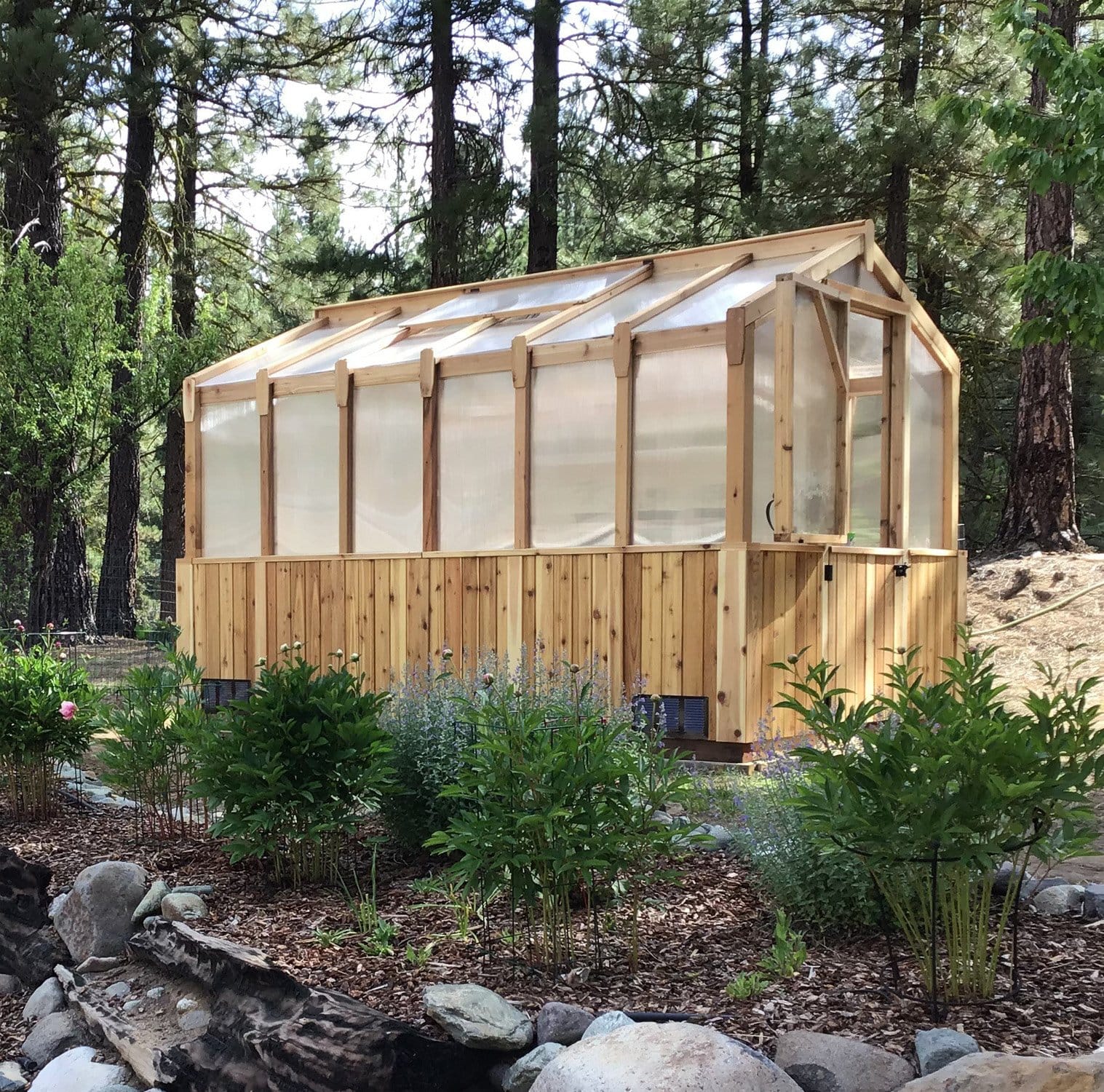
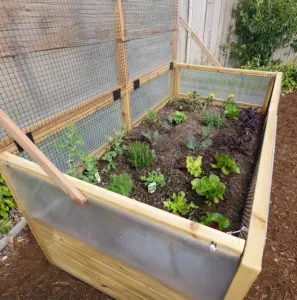
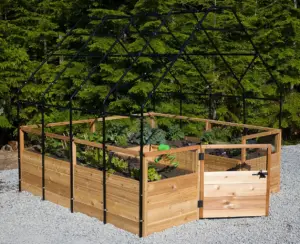
Manufacturers offer a diverse inventory of sizes to accommodate various property dimensions and ambitions. Models ranging from compact 8-by-8 and 8-by-12 configurations to larger 12-by-12 and 12-by-16 Western Red Cedar Greenhouses and SunShed variants provide exceptional structural durability, natural thermal insulation, and a classic aesthetic that complements residential landscaping.
Site Selection and Preparation
Choosing the precise physical location for a greenhouse is just as critical as selecting the model itself. The chosen spot dictates the volume of natural sunlight the structure receives, how efficiently it retains ambient warmth, and how easily the gardener can maintain and service the unit throughout the changing seasons.
To maximize these environmental factors, placement strategy should begin with sunlight exposure. Experts recommend positioning the structure to receive full, unobstructed sun, ideally facing south to capture the lowest possible angle of light during the winter months. Property owners must also clear away potential light barriers, such as low-hanging tree branches, neighboring fences, or outbuildings that might cast long shadows during critical growing periods.
Furthermore, establishing a solid, level foundation is non-negotiable. A stable base prevents uneven structural settling over time, thereby maintaining the integrity of the framing, doors, and glass or polycarbonate panels. Alongside the foundation, installing an effective weed barrier is essential for preventing invasive plant species from creeping up through the floorboards and competing with cultivated crops.
Sustainability: Why Cedar Makes a Difference
As environmental awareness influences consumer purchasing decisions, the material composition of backyard infrastructure has come under intense scrutiny. Western Red Cedar has emerged as one of the most sustainable greenhouse materials available on the commercial market. Harvested primarily from responsibly managed forests in Canada and the United States, cedar maintains a remarkably low environmental impact when compared to synthetic plastics, aluminum alloys, or chemically treated softwoods.
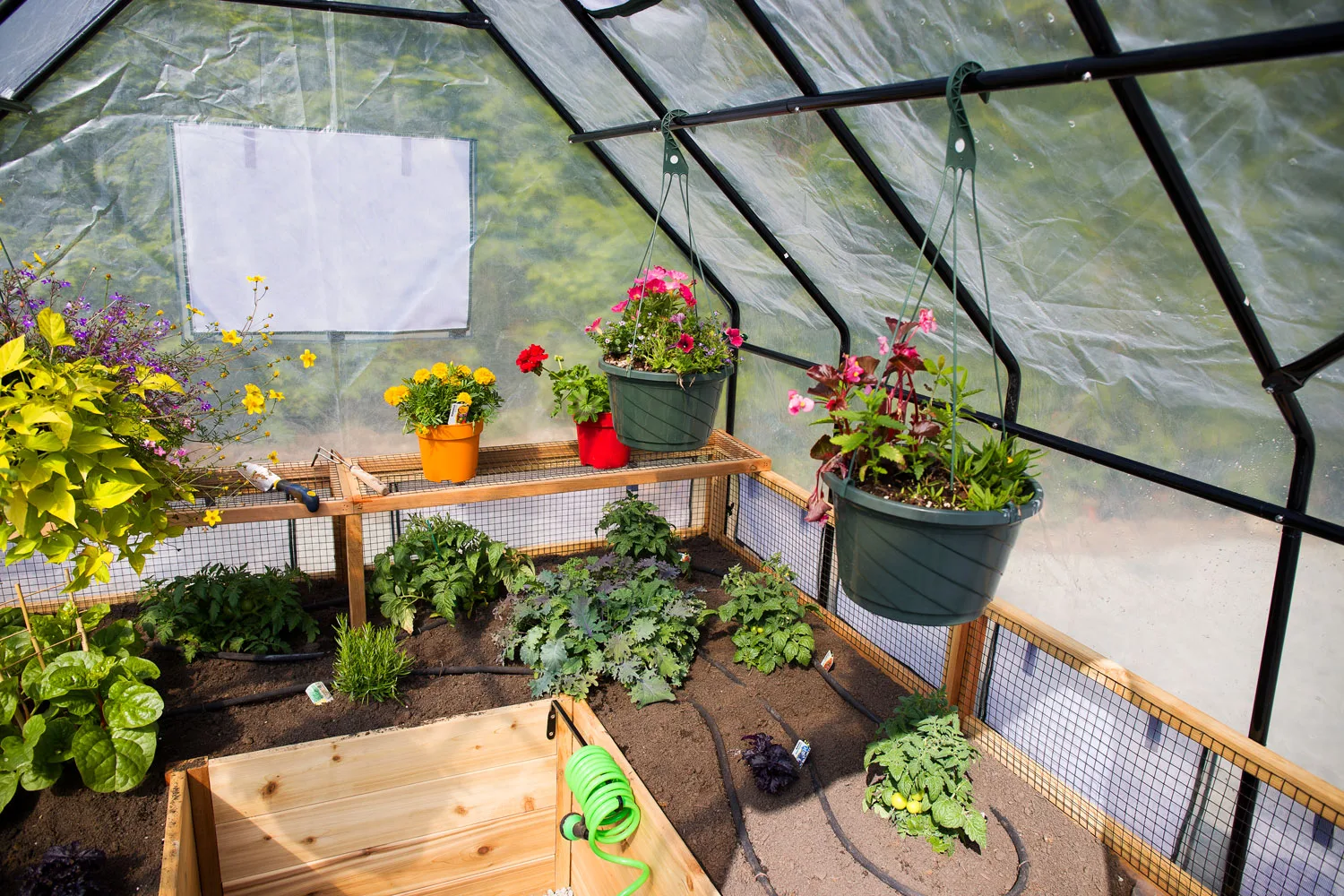
Forestry researchers note that responsibly managed cedar forests help ensure long-term ecological stability through controlled harvesting cycles and active regeneration programs. Beyond its renewable origins, cedar offers distinct physical advantages. The timber is naturally rot-resistant due to inherent natural oils, eliminating the need for toxic chemical preservatives. It boasts a long lifespan in demanding outdoor environments, which significantly reduces replacement waste over decades of use. Additionally, cedar possesses low structural density, meaning the wood expands and contracts very little during dramatic fluctuations in ambient temperature and humidity, preserving the tight seals of the greenhouse.
Climate Control and Ventilation
Maintaining a balanced equilibrium between internal temperature and continuous airflow is the ultimate determinant of greenhouse productivity. Without adequate ventilation, solar heat and plant transpiration can rapidly drive up interior temperatures and humidity. This stagnant buildup stresses plants, attracts destructive pests, and creates a breeding ground for aggressive fungal pathogens.
Modern greenhouse designs address this thermodynamic challenge through built-in climate management features. Adjustable roof vents, for instance, allow warm, moisture-laden air to escape naturally through convection, drawing cooler ambient air in through lower intake points without requiring complex mechanical fans.
Irrigation and Water Management
Because greenhouses trap heat and accelerate evaporation from soil surfaces, enclosed crops frequently demand more consistent moisture than their outdoor counterparts. However, overwatering poses an equally severe threat, frequently triggering root rot, soil compaction, and the leaching of vital nutrients.
To navigate this delicate balance, growers rely on targeted irrigation strategies. Misting nozzles are frequently deployed to maintain the high humidity levels required by germinating seeds and delicate tropical varieties. To further minimize environmental impact, many greenhouse operators integrate rainwater collection systems, such as barrel kits tied to the structure’s gutter network, providing a sustainable and chemical-free source of irrigation water. Ensuring proper structural drainage beneath and around the greenhouse floor prevents standing water and chronic soil saturation. According to broader agricultural data, enclosed greenhouse structures can dramatically reduce overall water consumption compared to traditional open-air farming, largely due to precise micro-irrigation and minimized surface evaporation.
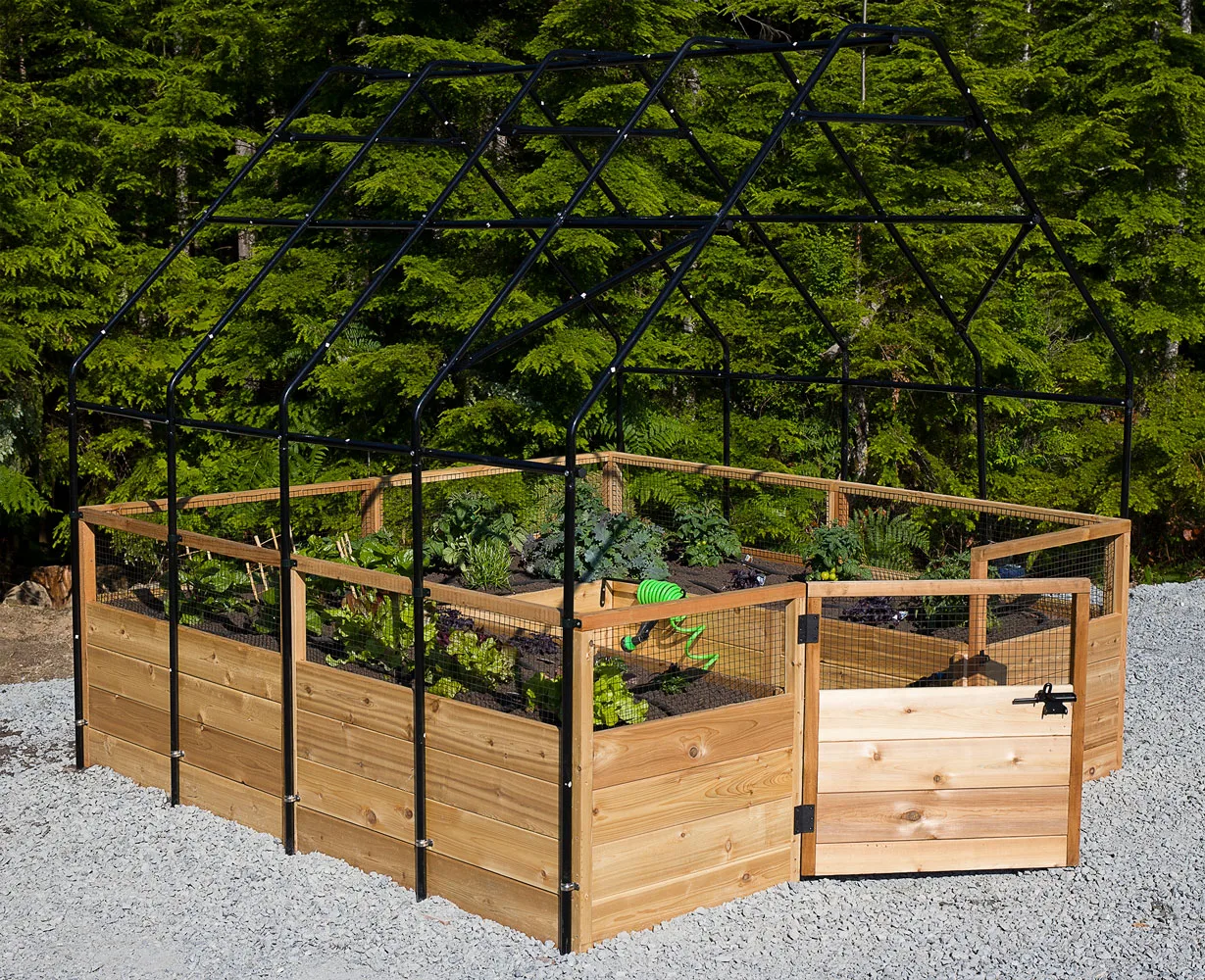
Soil and Plant Selection
The enclosed nature of a greenhouse allows for unprecedented control over growing conditions, but this autonomy demands meticulous attention to soil composition and plant compatibility. Utilizing high-quality, well-draining soil enriched with organic matter provides the structural matrix necessary for vigorous root development. Gardeners must also test soil pH and nutrient levels periodically to prevent imbalances.
Plant selection should reflect the unique environment of the enclosure. Successful greenhouse varieties include culinary herbs, leafy greens, warm-season crops like tomatoes, peppers, and cucumbers, as well as citrus trees and specialty cut flowers. While many growers choose to start seeds indoors in propagation trays before transplanting young specimens into established greenhouse beds, others accelerate the seasonal timeline by purchasing healthy nursery stock and gradually acclimating the plants to the structure’s distinct climate.
By integrating a thoughtfully chosen and properly prepared greenhouse into a backyard routine, growers can effectively neutralize the unpredictable whims of regional weather. Through careful attention to site planning, sustainable cedar construction, precise climate regulation, and balanced soil management, the modern backyard greenhouse transforms into a productive, resilient sanctuary across every season of the year.