In our modern consumer society, the fate

of a chipped plate or a cracked ceramic mug is almost universally sealed: it goes straight into the dustbin. We live in an era defined by mass production, convenience, and instant replacement, where structural perfection is expected, and minor damage renders an object entirely obsolete. Yet, a growing global movement is looking backward to 15th-century Japan for an entirely different perspective on how we treat our cherished belongings.

At the heart of this cultural shift is kintsugi, a centuries-old Japanese art form that translates literally to "golden joinery." Rather than hiding the fractures in broken pottery, kintsugi elevates them. By meticulously mending broken ceramics using special lacquer dusted with powdered gold, silver, or platinum, artisans create luminous, shining seams that trace the history of the object. Far from disguising the damage, the technique celebrates it, transforming a tragic break into a unique feature of beauty and resilience.

What began as a regional philosophical craft deeply rooted in the Japanese aesthetic of wabi-sabi—finding beauty in imperfection and impermanence—has evolved into a thriving contemporary art movement. Today, contemporary makers and visual artists are intentionally fracturing ceramic bowls, vases, and plates, only to painstakingly glue them back together in striking, unconventional configurations. As this meditative practice gains mainstream popularity outside of Japan, enthusiasts are increasingly turning to accessible products, specialized tutorials, and all-inclusive kits to bring the historic philosophy into their own homes.

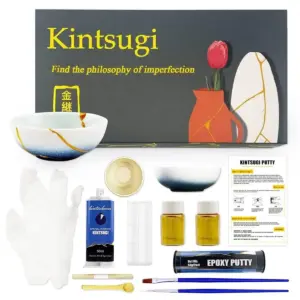
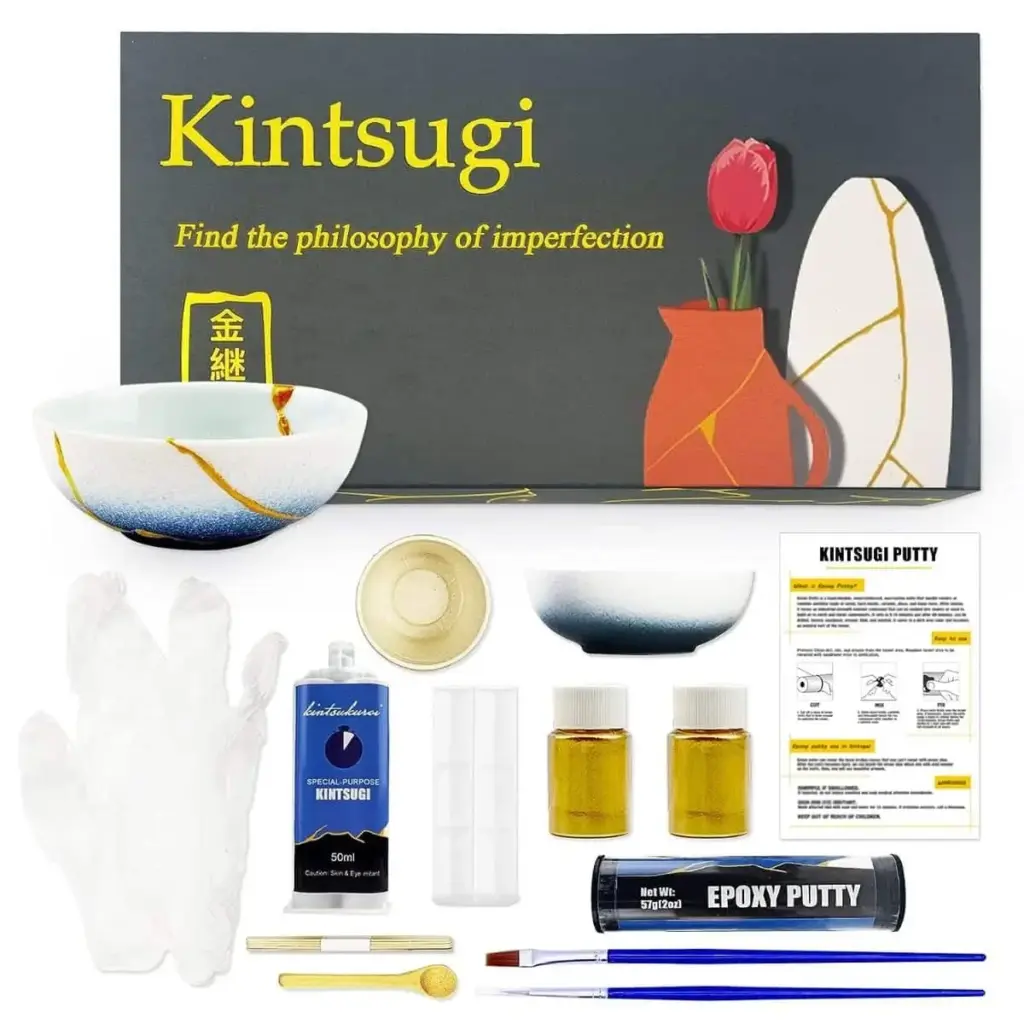
For those eager to try their hand at the craft without investing in professional-grade traditional materials, the market has responded with a wide array of accessible options. One popular entry-level DIY kit provides an affordable introduction to the technique, featuring non-toxic color powders that make the crafting process safe and suitable for family projects involving children. Meanwhile, collectors seeking a more premium experience can acquire specialized home craft kits that offer luxurious packaging paired with high-grade epoxy adhesives, ensuring a durable and visually striking finish.

For beginners worried about ruining their favorite household items, specialized starter kits offer practical solutions, such as including a dedicated practice cup so novices can master the techniques of alignment and application before attempting to restore a meaningful heirloom. Other products focus on expediting the process itself. Because waiting for traditional adhesives to cure can often test a crafter’s patience, certain kits incorporate quick-release epoxy glues designed to complete the restoration within a twenty-four-hour window.

Beyond commercial kits, a rich ecosystem of online resources, video demonstrations, and community-driven platforms has emerged to demystify the art form. From multi-step instructional guides hosted by Australian public broadcasters and specialty Japanese kitchenware journals to comprehensive written tutorials shared by home and lifestyle bloggers, beginners have access to a wealth of knowledge. Some tutorials simplify the process into as few as three core steps, demonstrating how to apply shimmering metallic lines to everyday mugs, while others recommend sourcing inexpensive ceramic pieces from local thrift stores to practice the craft affordably.

The versatility of the method has also expanded far beyond standard lacquer and gold powder. While traditional kintsugi relies on urushi lacquer derived from tree sap—a material requiring careful handling due to its toxicity—many modern DIY variations utilize alternative bonding agents, such as resin, standard epoxy, or even oil-based enamels. These alternative materials provide a refined, glossy appearance while remaining approachable for everyday crafters working in home environments. Some enthusiasts experiment with gold mica powder, creating family-friendly workshops that teach children the value of conservation and creative repair.

The movement has resonated deeply with those coping with the accidental loss of precious household items. Premium teacups, heirloom pottery, and art pieces that carry significant sentimental value often feel impossible to simply discard. Through the application of kintsugi principles, owners can grant these objects a dramatic second chance at life. The technique is no longer restricted to pottery and ceramics; experimental tutorials and video demonstrations now showcase the method being successfully applied to repair broken gemstones and unique pieces of jewelry, proving that the underlying philosophy can transcend traditional mediums.

As discussions surrounding sustainability, mindful consumption, and the reduction of household waste continue to grow, the philosophy of kintsugi offers a powerful metaphor for personal and material endurance. Whether explored through specialized commercial kits, detailed online instructional guides, or community forums where enthusiasts share their real-world restoration triumphs, the ancient Japanese tradition continues to bridge the gap between past and present. By teaching us that broken things can be made even more beautiful than they were before, kintsugi redefines our relationship with the material world, turning accidental breakage into an enduring celebration of history, art, and resilience.