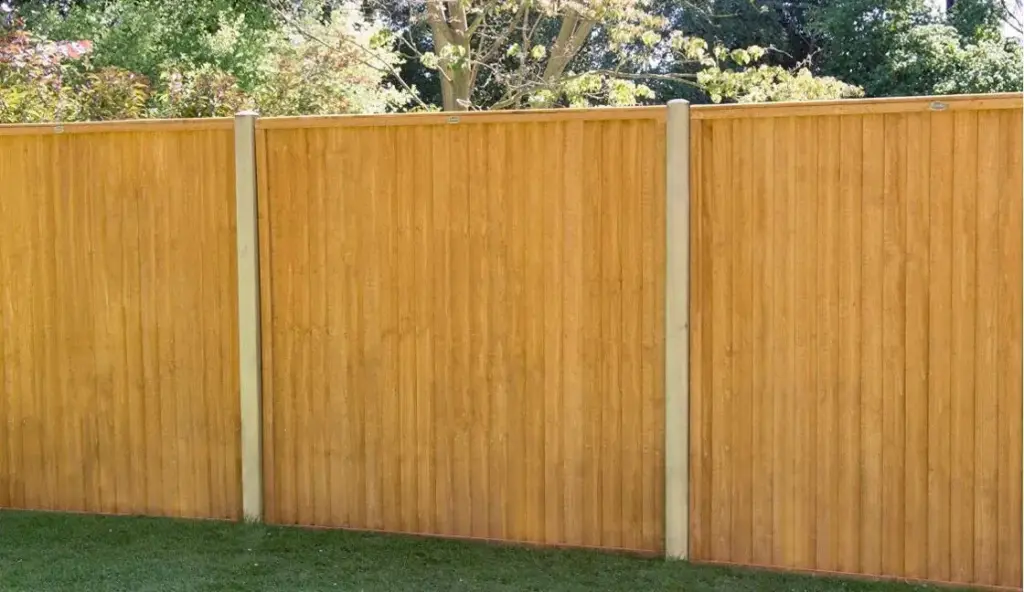
When undertaking garden and property improvement projects, securing wooden fencing securely remains a primary priority for homeowners seeking longevity and structural integrity. Industry recommendations emphasize that setting fence posts in concrete provides a significantly stronger and more durable foundation compared to alternatives such as post spikes, particularly when working with light or unstable soil conditions. While alternative anchoring methods may offer speed, concrete installations deliver the robust footing necessary to withstand severe weather and everyday wear over many years.
Property owners planning such upgrades must factor in additional time for their schedules. Choosing to concrete fence posts into the ground typically adds several days to the overall completion timeline of a project, as the material requires adequate time to cure and set properly before panels can be attached and subjected to structural loads.
Preparation for a successful installation begins long before the first hole is dug, starting with the careful selection and treatment of the timber itself. To ensure that both the posts and the final fence structure endure for many years, builders are advised to utilize pressure-treated timber. When available, selecting fence posts manufactured from heartwood rather than sapwood offers superior resilience, though buyers should anticipate higher costs for heartwood materials.

Dimensions also play a critical role in structural stability. Standard guidelines dictate that if a finished fence is designed to stand six feet tall, the supporting posts must be sized approximately 25 percent longer, translating to roughly eight feet in total length to allow for proper burial depth. Furthermore, to mitigate the risk of premature decay at the base, specialists recommend applying a quality wood preservative to at least the portion of the post that will be buried beneath the soil line, allowing it to dry thoroughly before placement. Gardeners frequently take this opportunity to treat the bottom edges of the adjacent fence panels as well.
Once the timber has been prepared, attention turns to excavation. The precise distance between individual post holes is typically dictated by the dimensions of the fence panels being utilized, which traditionally span six feet. Accurately measuring the panels beforehand ensures that the gaps left between the installed posts will align correctly without requiring subsequent adjustments.
Material preparation for the foundation requires careful consideration of concrete options. Builders generally choose between ready-mixed post-mix products or traditional hand-mixed batches. While ready-mix varieties offer convenience for smaller jobs involving only one or two holes, mixing custom batches becomes more practical and economical when larger quantities are required.
Traditional mixing involves combining cement, sand, and aggregate in a standard ratio of one part cement to two parts sand and three parts aggregate. Whether mixed inside a mechanical cement mixer or prepared manually on a mixing board or inside a wheelbarrow, the resulting compound should be kept relatively dry. Experts note that a drier concrete mix supports the alignment of the wooden posts far more effectively during the hardening process than a wet, fluid mixture would.
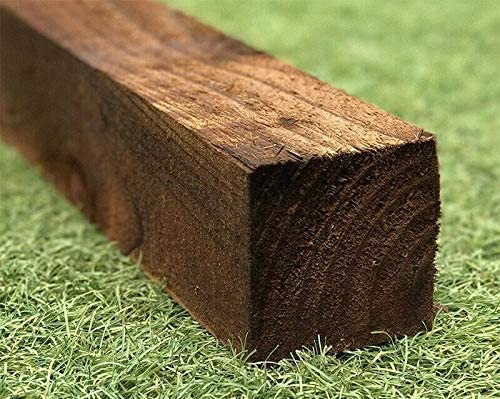
The actual setting phase benefits greatly from additional assistance, as having extra hands to hold the post and manage the shovel streamlines the process significantly. Workers must continuously monitor the vertical alignment of the timber using a spirit level as the concrete is introduced into the excavation.
By following these fundamental construction practices, property owners can achieve a resilient, professional-grade fence installation capable of maintaining its stability through changing seasons and demanding weather conditions.