For homeowners, gardeners, and builders embarking on outdoor projects, choosing the right timber is a critical decision that dictates not only the aesthetic appeal of a structure, but its long-term structural integrity, resistance to the elements, and overall value. Over the past two decades, however, the North American lumber and outdoor living markets have experienced a significant shift with the introduction of imported softwoods from Asia. Sold under various monikers such as "China Fir," "Chinese Cedar," or simply labeled generically as "cedar," these budget-friendly timber products have become increasingly common in retail supply chains.
While these imported alternatives often share a superficial visual resemblance to traditional North American cedars at first glance, they possess fundamentally different botanical classifications, durability profiles, and real-world performance metrics. This discrepancy has sparked widespread confusion among consumers and contractors alike, many of whom believe they are purchasing genuine, weather-resistant cedar, only to discover later that the material behaves very differently under environmental stress. Understanding the distinctions between these imported imposters and authentic species has become an essential part of modern material sourcing for outdoor construction.
Understanding Chinese Fir and Its Market Origins
Botanically known as Cunninghamia lanceolata, Chinese Fir is a fast-growing softwood species native to the forested regions of China and parts of Southeast Asia. Due to its rapid growth cycle and high yield, it has long been utilized domestically for various internal applications and low-stress building needs.
Around the mid-2000s, commercial supply chains began facilitating the mass export of Chinese Fir into North America. To make the unfamiliar softwood more attractive to a consumer base already well-acquainted with the stellar reputation of native cedars, importers and manufacturers frequently marketed the timber using familiar terms. Designations such as "China Fir," "Chinese Cedar," and eventually plain "Cedar" began appearing on packaging, marketing brochures, and retail displays.
This nomenclature inadvertently fostered a widespread misconception that Chinese Fir shared a close botanical lineage with true cedars, such as the Western Red Cedar (Thuja plicata). In reality, Chinese Fir belongs to an entirely different taxonomic family and lacks the specialized cellular structures and natural chemical compounds that give true cedars their legendary resilience. As the import volume expanded through the 2010s, the marketing strategy evolved further, with some suppliers dropping regional identifiers altogether and selling the wood simply as "cedar" with little to no indication of its true species, country of origin, or wood identification markings. This lack of transparency has frequently left buyers unable to accurately assess the lifespan and maintenance requirements of the materials they are investing in for their properties.
Evaluating Performance: Chinese Fir Versus Western Red Cedar
To understand why labeling and species identification carry such heavy weight in the building industry, experts point to the stark physiological and chemical differences between Cunninghamia lanceolata and Thuja plicata.
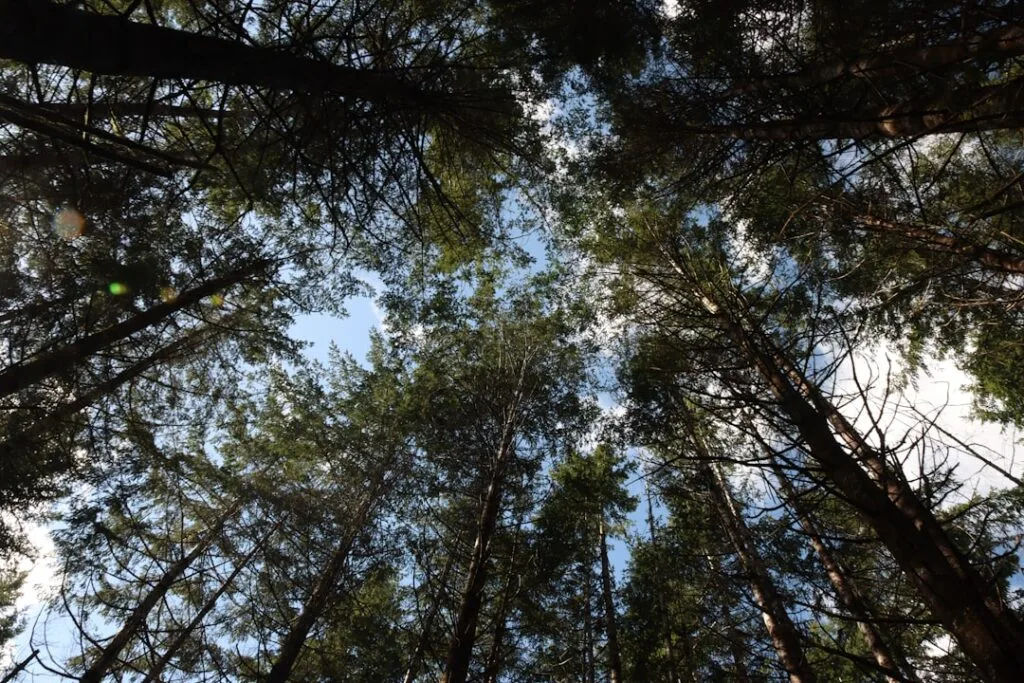
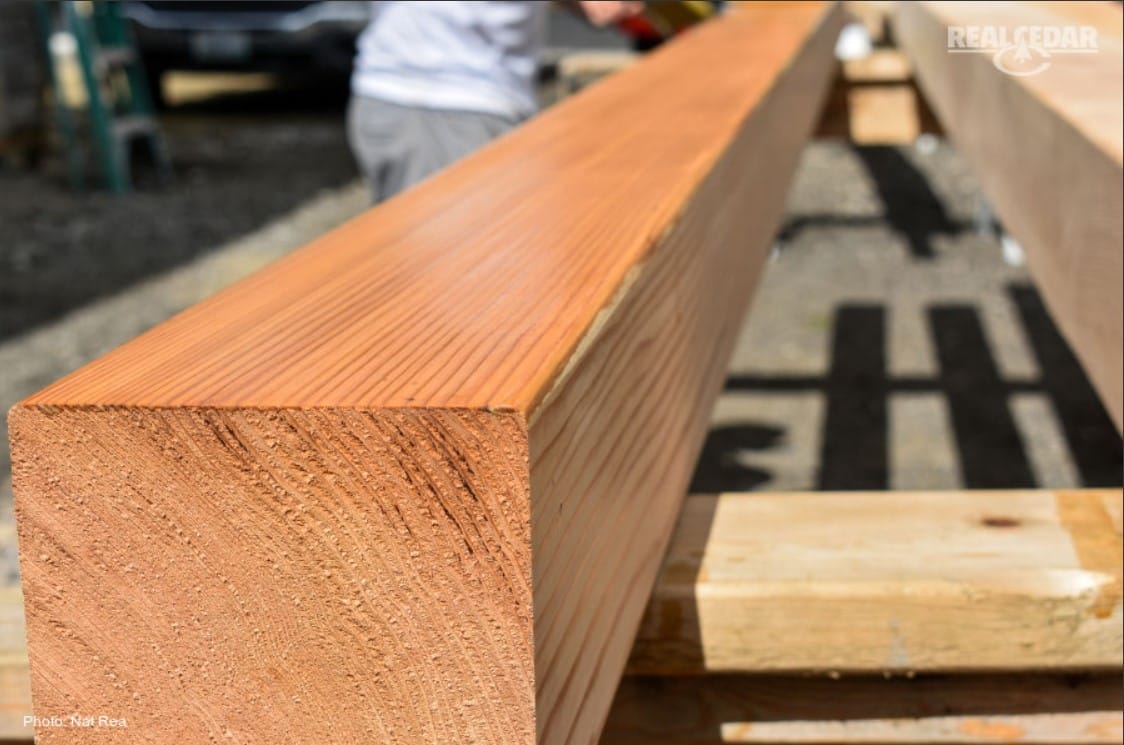
Originating in the Pacific Northwest of North America, Western Red Cedar has centuries of documented use in regional architecture. Its success stems from its natural composition: the wood is rich in natural oils and extractives that act as inherent deterrents against moisture absorption, fungal decay, and wood-boring insects. Furthermore, Western Red Cedar features a fine, straight grain and a low density that grants it exceptional dimensional stability. When exposed to the fluctuating temperatures, heavy rains, and intense sun of varied climates, it resists warping, cupping, and cracking, making it a premier choice for high-exposure outdoor structures such as pergolas, decking, siding, fencing, and raised garden beds. With minimal maintenance, structures built from authentic Western Red Cedar can endure for decades.
In contrast, Chinese Fir presents a very different set of physical properties. Visually, the wood tends to exhibit a pale white to light yellow coloration with a noticeably rougher grain compared to the warm reddish-brown tones of Western Red Cedar. While Chinese Fir is classified as moderately durable, it possesses a significantly lower tolerance for prolonged moisture exposure. When used outdoors without extensive and frequent protective treatments, it is considerably more prone to moisture-induced warping, cracking, and premature decay. Its resistance to insects relies much less on robust natural defenses, meaning it requires high levels of ongoing maintenance—including regular sealing and staining—to survive in demanding exterior environments. Consequently, while Chinese Fir can perform adequately in interior applications or sheltered, low-exposure settings where cost is the primary constraint, it struggles to match the longevity expected of exterior-grade North American softwoods.
The Impact of Transparency on Modern Building Projects
The ongoing debate surrounding timber labeling highlights a broader conversation within the construction and home improvement sectors regarding consumer protection and material honesty. When lumber products enter the market without clear species labeling, buyers are effectively stripped of their ability to make fully informed purchasing decisions. Choosing a building material based purely on an affordable price point can quickly become a false economy if the timber requires premature replacement or intensive, continuous upkeep due to environmental degradation.

Industry advocates emphasize that clear, standardized labeling protects consumers by ensuring that products are judged on their actual merits rather than a misleading marketing association. When a product is marketed simply as cedar without clarifying whether it is an authentic North American conifer or an imported softwood, the consumer cannot accurately anticipate how the material will react to local weather patterns.
As the market continues to adapt to a globalized supply chain, distinguishing between traditional building materials and imported alternatives remains vital for builders, gardeners, and homeowners alike. By recognizing the fundamental differences in origin, durability, and maintenance needs between species like Chinese Fir and Western Red Cedar, consumers can better align their material choices with the specific demands of their outdoor projects, ensuring lasting performance and structural reliability for years to come.