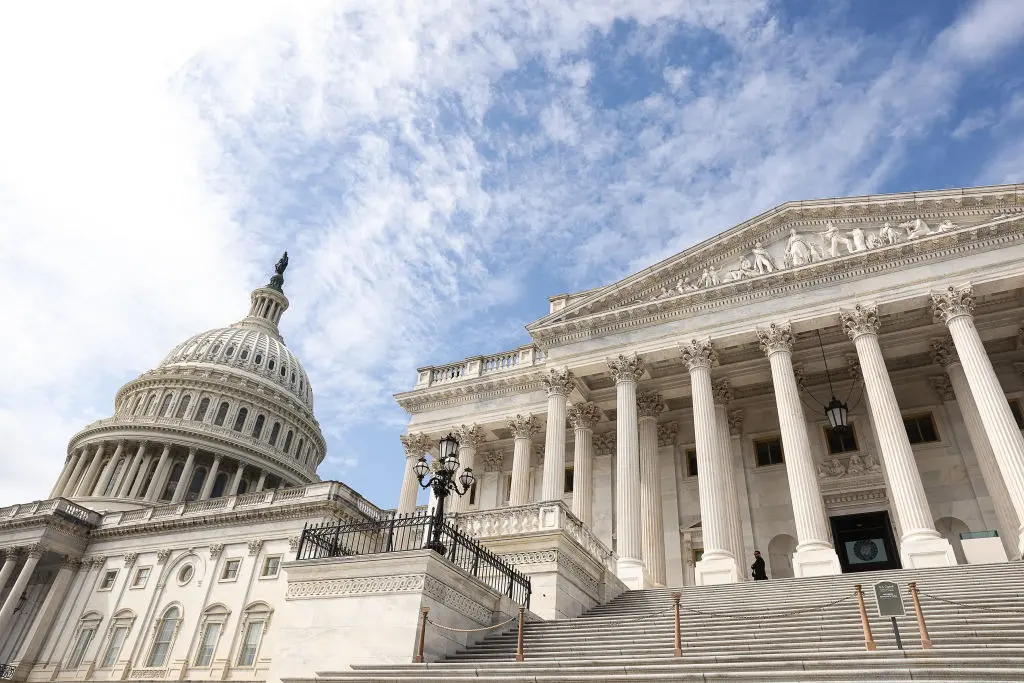
Historic preservationists, tribal leaders, and cultural heritage advocates are sounding the alarm over a major bipartisan legislative push in the United States Senate that proponents argue is necessary to cut through bureaucratic red tape and accelerate critical infrastructure and energy production projects nationwide.
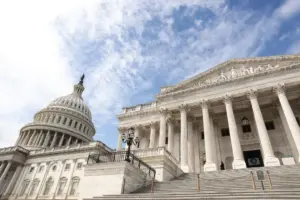
On Monday, the U.S. Senate advanced the Bipartisan American Affordability and Jobs Act of 2026 (S.5653) by a decisive vote of 73 to 25. The legislation was introduced by Senator Shelley Moore Capito, a Republican from West Virginia, and carries notable bipartisan backing. It is cosponsored by Senator Mike Lee, a Utah Republican; Senator Sheldon Whitehouse, a Rhode Island Democrat; and Senator Martin Heinrich, a New Mexico Democrat. The vote comes as the current legislative session of the Republican-controlled Senate moves rapidly toward its conclusion on December 18, with newly elected senators scheduled to take the oath of office on January 3.
While the bill’s sponsors emphasize its potential to unlock trillions of dollars in stagnant economic investments and modernize the nation’s physical landscape, critics contend it represents a severe and unprecedented rollback of vital cultural and environmental protections. At the center of the controversy are proposed modifications to the National Historic Preservation Act (NHPA), a cornerstone piece of federal legislation that has governed federal development reviews for decades.
Crucially, the newly advanced act would significantly narrow the scope of the NHPA, doing so in part by limiting the specific types of development and construction projects that trigger a formal federal review. Supporters of the legislation, however, frame these regulatory adjustments as an overdue economic necessity designed to eliminate costly delays that have hampered national development.
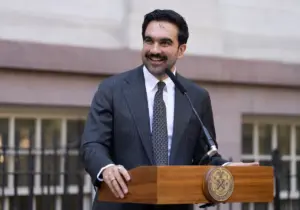
Speaking on the Senate floor on Monday afternoon, Senator Capito defended the sweeping legislation by pointing to the extensive financial burdens imposed by the existing regulatory framework. "For far too long, critical investments in our nation’s infrastructure, energy production, and economy have been forced to sit on the sidelines due to endless red tape, duplicative reviews, and regulatory uncertainty," Capito told her colleagues.
To underscore her point, Capito referenced economic research and industry data highlighting the economic toll of current federal permitting timelines. Data from the National Association of Manufacturers demonstrates that ongoing permitting delays are costing American manufacturers $12.1 billion every single year, a figure that includes $87 million in additional, avoidable costs in West Virginia alone. Furthermore, she cited new data from McKinsey showing that $1.8 trillion of potential investments are currently locked up in the federal permitting system nationwide, with $22.3 billion of those sidelined investments concentrated in her home state.
Despite these economic arguments from the bill’s sponsors, the legislative push has triggered swift and visible opposition from preservation groups, museum associations, and lawmakers who view the measure as a threat to American heritage. According to The Art Newspaper, approximately 800 protesters gathered on the West Lawn of the U.S. Capitol to voice their strong opposition to the bill.
The demonstration drew prominent leaders and representatives from a wide array of cultural institutions, including the Association of African American Museums, the DC Preservation League, the American Institute of Architects, and the Archaeological Institute of America. The backlash also found a voice inside the halls of Congress. Representative Melanie Stansbury, a Democrat from New Mexico, sharply criticized the measure during the public demonstrations, describing the legislation as a "dirty deal."
Critics and advocacy groups have also raised procedural concerns regarding how the legislation was brought to the floor. According to reports cited by The Art Newspaper, lawmakers and public watchdogs noted that the senators introduced the massive, 500-page bill just 48 hours before the scheduled Senate vote, leaving very little time for public scrutiny, institutional review, or debate on its far-reaching consequences.
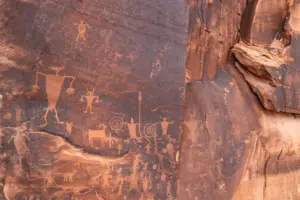
At the heart of the controversy is S.5653’s direct targeting of Section 106 of the NHPA. Section 106 is a foundational legal provision that requires federal agencies to carefully consider the potential impacts of any federally funded, licensed, or assisted building projects on historic and cultural resources. Importantly, the existing statute also mandates that federal agencies and project applicants consult directly with tribal nations regarding developments that may affect sacred or ancestral lands.
According to reporting by The Art Newspaper, the new bipartisan bill would fundamentally alter these requirements. Under S.5653, consultation with tribal nations would be made optional rather than mandatory. Furthermore, the legislation would remove the long-standing requirement that federal agencies formally notify and consult with the public and tribal nations regarding potential harm to historic sites. In addition to these changes to the consultation process, the bill would narrow the legal definition of what actually constitutes a protected historic site under federal law.
The legislative push has galvanized a massive coalition of opposition. On November 6, the 106 Strong Coalition—an expansive alliance comprising more than 1,200 organizations, tribal nations, preservation advocates, and cultural institutions—sent an open letter to Congress demanding the absolute defeat of S.5653.
The signatories of the letter include the American Alliance of Museums, numerous state-level museum associations, and a multitude of individual museums from across the country. In their communication to lawmakers, coalition members didn’t mince words, characterizing the 500-page bill as "a sweeping assault on the protections Congress enacted sixty years ago to ensure that federal agencies consider the consequences of their decisions for America’s historic and sacred places."
As the bill moves forward through the legislative process ahead of the end-of-year deadline, the intense debate between economic proponents seeking to streamline infrastructure development and preservationists fighting to protect the nation’s cultural and historical legacy continues to intensify on Capitol Hill.