The global art market cycle spanning late 2025 into early 2026 has revealed a striking divergence in collector behavior, characterized by a sharp divide between the headline-grabbing intensity of the secondary market and a growing, pragmatic desire among mid-market participants for accessible, primary-tier entry points. While blue-chip benchmarks continue to display remarkable institutional durability—frequently setting record-shattering prices that dominate industry news—the broader collecting community is increasingly pivoting toward primary gallery channels. This shift is not merely a reaction to rising costs but a strategic move to secure works with verified provenance and clear aesthetic lineages, often bypassing the volatile price surges that have defined recent high-profile auction house performances.
The current climate at major international auction houses underscores a robust, sustained demand for foundational postwar movements. South Asian Modernism and European Informalism, in particular, have emerged as focal points for serious collectors, alongside the perennial, if speculative, interest in high-tier urban editions. However, as secondary market prices for these categories continue to escalate, seasoned advisors and emerging collectors alike are finding themselves at an impasse. The difficulty lies in navigating a landscape where historical value is increasingly priced for institutional investors, leaving the average collector searching for viable, transparent pathways to acquire works that are historically aligned or directly related to these major movements.
Bridging the gap between the high-decibel signals of the secondary auction market and the stable, curated availability of the primary retail market has become a defining strategic advantage for the modern collector. By identifying established gallery programs that foster deep, direct ties to these overarching art-historical movements, collectors can successfully navigate the complexities of secondary pricing surges without sacrificing the institutional rigor or aesthetic pedigree that define a meaningful collection. Through direct relationships with partner galleries, primary inventory remains a highly vetted, accessible, and often more stable pathway for acquiring significant works, ranging from the outputs of master modernists to the explorations of contemporary mid-career painters and authenticated, limited-edition prints.
South Asian Modernism and the Legacy of the Progressives
The secondary market for South Asian Modernism has reached historic benchmarks, with recent auction results providing clear evidence of unprecedented momentum. At the center of this movement is the Bombay Progressive Artists’ Group, whose co-founder, Francis Newton Souza, has seen his market reach new heights. In late September 2025, a series of record-setting results highlighted the enduring value of his work. His 1962 landscape, Houses in Hampstead, realized a staggering $7.5 million at Sotheby’s London, while his 1955 drawing suite, Six Gentlemen of Our Times, achieved $2.3 million at Saffronart—a figure that stands as a record for a South Asian work on paper.
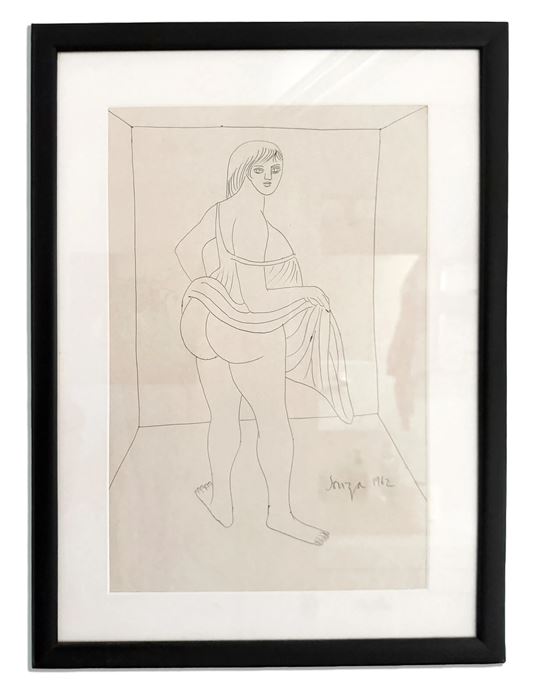
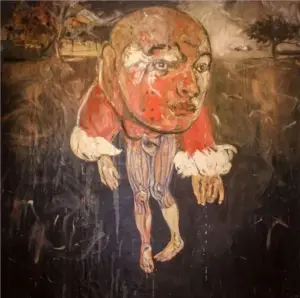
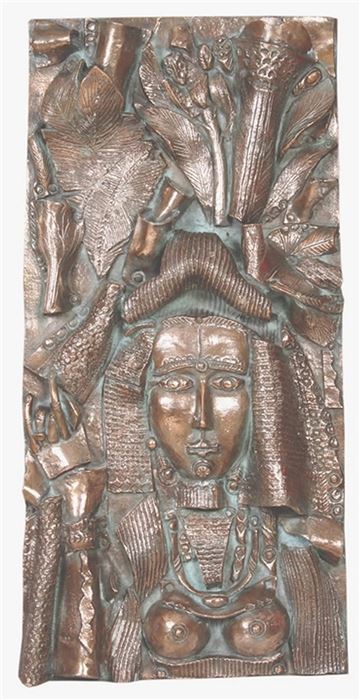
As the market for Souza’s singular vision continues to expand, collector focus has naturally broadened to include the wider canon of modern Indian masters. Among those receiving renewed attention is K. Laxma Goud. Trained in rural Andhra Pradesh, Goud is widely considered one of India’s most decorated living artists. His practice, which encompasses drawing, etching, and intricate bronze casting, is deeply rooted in the pastoral traditions and local storytelling of his upbringing. Goud’s work is characterized by a distinctive line quality and a tactile sensibility that places his compositions in direct aesthetic conversation with the mid-century pioneers who redefined modernism across the Indian subcontinent.
For collectors looking to enter this space, the primary market offers a significantly more grounded entry point. Sanchit Art has successfully positioned its curatorial program around the preservation and promotion of these modern Indian masters, offering collectors a direct link to Goud’s practice. By engaging with such galleries, collectors can acquire significant works—from smaller pieces on paper to larger bronze sculptures—with the benefit of transparent pricing and direct gallery support. This relationship-based approach provides a necessary counterweight to the often-opaque nature of the auction room, allowing for the development of a collection that is both historically significant and intellectually cohesive.
Gestural Abstraction and the European Informalism Tradition
European Informalism remains one of the most institutionally central movements in postwar art history, serving as a pillar for collections ranging from the Guggenheim Bilbao to private holdings worldwide. Anchoring this legacy is the master painter Antoni Tàpies, whose materiality-driven approach continues to define the movement. Tàpies’s influence is currently being underscored by an ongoing exhibition at MACBA in Barcelona, which further validates the historical weight of his contribution.
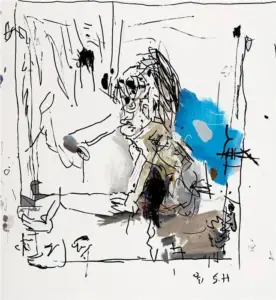
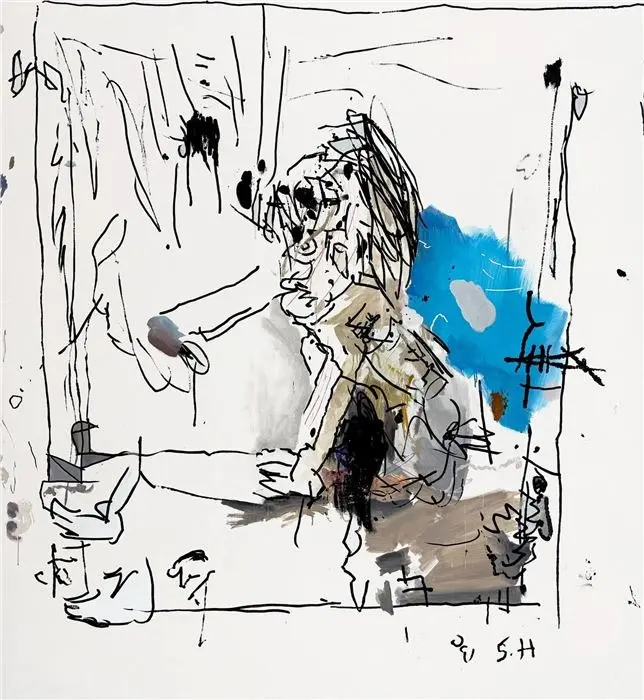
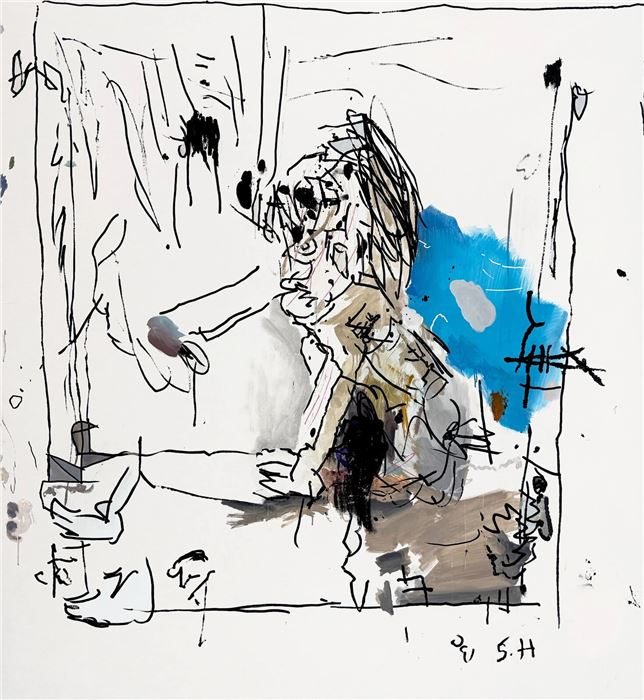
The secondary market for Tàpies is formidable; his auction record, set by Gran ocra amb incisions (1961) at $2.8 million, is supported by a cumulative turnover exceeding $69.4 million since 1998. This sustained demand reinforces a global appetite for gesture-first, material-heavy abstraction. Carrying this process-driven tradition into the contemporary era is the Madrid-trained painter Secundino Hernández. His work is characterized by dense surfaces, intense layering, physical abrasion, and the visible, almost violent trace of the painterly act. Hernández, who splits his time between Madrid, Berlin, and New York, explores the inherent tension between linear drafting and explosive color, creating a generational bridge to the material heritage established by artists like Tàpies.
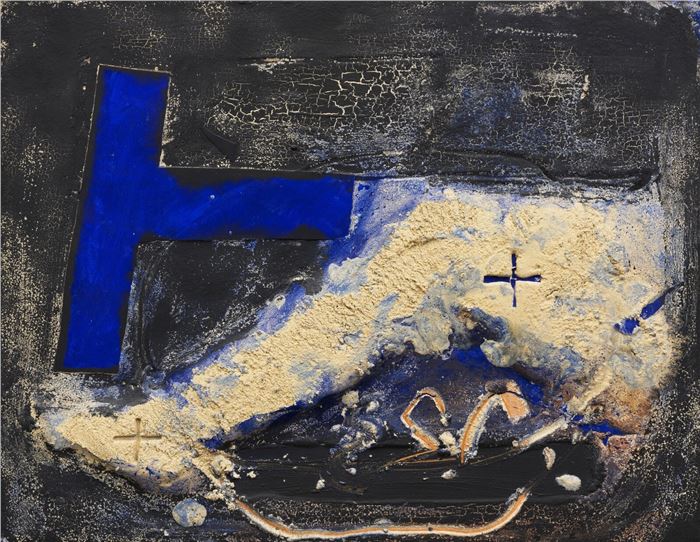
Collectors seeking a living counterpart to these postwar masters can find a direct pathway through galleries such as Galeria Jordi Pascual. By focusing on the process, texture, and physical movement that define Hernández’s work, collectors are not merely buying a canvas but investing in the evolution of a material tradition that is currently being celebrated in museum retrospectives worldwide. Engaging with primary inventory through specialized galleries allows collectors to acquire these contemporary works at a range of price points, providing a more manageable and sustainable way to build a collection that honors the past while supporting the artists of the present.
Street Art and the Challenges of Volatility
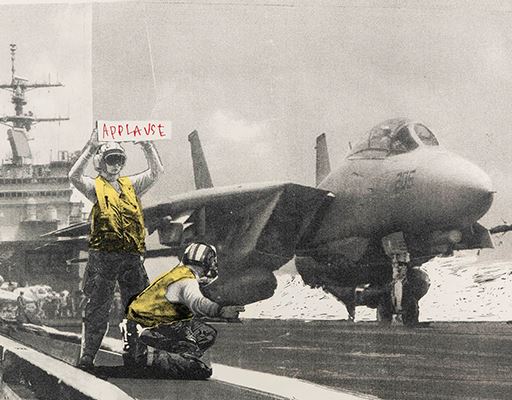
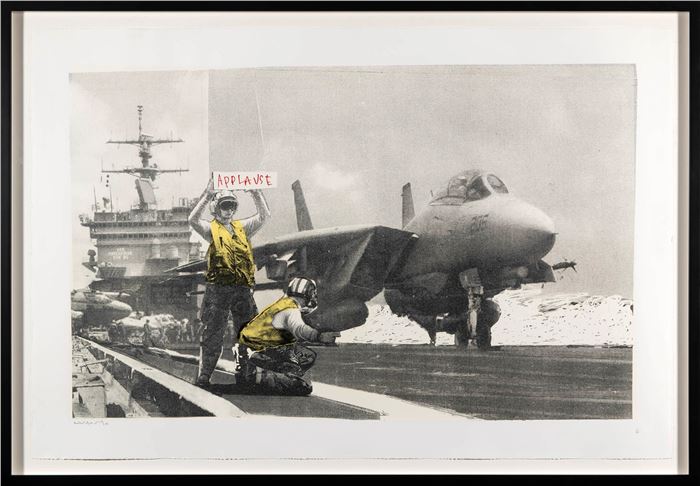
The market for prints and editions often acts as a barometer for broader collector sentiment, frequently exhibiting sharp, short-term momentum signals that can catch the unprepared off guard. The Sotheby’s March 2026 Prints & Multiples sale served as a case in point, where the screenprint Applause by Banksy fetched £96,000 (approximately $127,885)—a result that sat at three to four times its historical trading range and established a new record for the work. Similarly, a screenprint of Girl With Balloon reached £115,200 ($153,462), significantly exceeding its typical range of £50,000 to £65,000.
While these spikes are often interpreted by market commentators as a sign of renewed appetite for iconic street-art editions, they are not necessarily indicative of a durable, long-term repricing. Instead, these moments often represent intense, short-term volatility. For the serious collector, participating in public sales at the peak of such excitement can be fraught with risk. The challenge is in distinguishing between genuine market growth and speculative fever, especially when seeking the "bulletproof" provenance that is essential for long-term value.
To navigate this, many collectors have turned to established, primary-channel institutions like Andipa, which has functioned as an authority on Banksy prints since 2006. By acquiring works through a gallery that doubles as a long-standing authenticator, collectors can bypass the sharpest edges of auction-room volatility. Access to fully authenticated screenprints, backed by rigorous expertise and clear provenance, offers a layer of security that public auctions—by their very nature—cannot guarantee. This model of acquisition, based on the expertise of a trusted intermediary, is increasingly becoming the preferred route for collectors who prioritize the longevity and integrity of their holdings over the ephemeral thrill of the bidding floor.
Ultimately, understanding the structural connection between secondary market momentum and primary gallery availability is essential for any collector looking to build a rigorous, contemporary collection. Whether one is focusing on the pastoral modernism of K. Laxma Goud, the gestural abstraction of Secundino Hernández, or the street-art editions of Banksy, the ability to leverage auction data to inform, rather than dictate, primary acquisitions is a vital skill. By inquiring directly with partner galleries through platforms like MutualArt, collectors can access the necessary pricing documentation, provenance records, and inventory availability to make informed, strategic decisions. This direct engagement ensures that a collection remains not just a series of assets, but a thoughtful, curated narrative of art history in the making.