In 1979, at the very beginning of her seminal essay “Sculpture in the Expanded Field,” art critic and theorist Rosalind Krauss offered an observation that would come to define decades of subsequent art history. She wrote: “Over the last ten years rather surprising things have come to be called sculpture: narrow corridors with TV monitors at the ends; large photographs documenting country hikes; mirrors placed at strange angles in ordinary rooms; temporary lines cut into the floor of the desert.”

Krauss was attempting to map a postmodern crisis of categorization. For centuries, the definition of sculpture had rested on a relatively straightforward set of parameters: a monument erected on a base, meant to occupy a specific site and function primarily as a commemorative or expressive object. But by the late 1960s and 1970s, artists were breaking violently out of those traditional confines. They were engaging directly with the landscape, utilizing industrial materials, introducing temporal and performative elements, and questioning the very nature of the object in space.

In the decades since Krauss penned those words, sculpture has ventured even wider, evolving into realms that were relatively unexplored during her time by mainstream Western art. Today, the medium has expanded to encompass crafts, gardens, and masquerades. Sculpture can now take the form of a living bacterial culture, a free public health clinic, or a fully realized virtual world. The very definition of canonical titles has similarly fractured and multiplied. For instance, The Kiss can no longer be pinned down to just one masterwork; it can now refer to an 1882 marble sculpture by Auguste Rodin, a 1923–1925 limestone carving by Constantin Brancusi, or a 2003 constructed situation by Tino Sehgal where performers continuously embrace in a museum gallery.

How richly varied, complex, and unpredictable sculpture can be in our present moment is exceptionally well illustrated in a dynamic array of exhibitions currently on view in New York this fall. Spanning centuries of artistic production—from rare 15th-century bronzes to Beverly Buchanan’s poignant, site-specific memorials—these presentations demonstrate just how far the medium has traveled since Krauss’s theoretical mapping.

The timing of these exhibitions aligns with the vibrant cultural energy of Art Week NYC, a major citywide festival of art events co-organized by prominent art publications including ARTnews, Art in America, and Artforum. Taking place across the city, the festival highlights the breadth of New York’s visual arts ecosystem, drawing collectors, curators, and enthusiasts from around the globe to experience the city’s premier gallery and museum presentations.

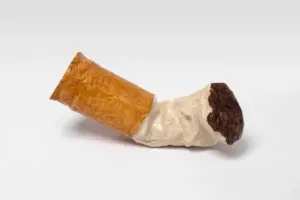
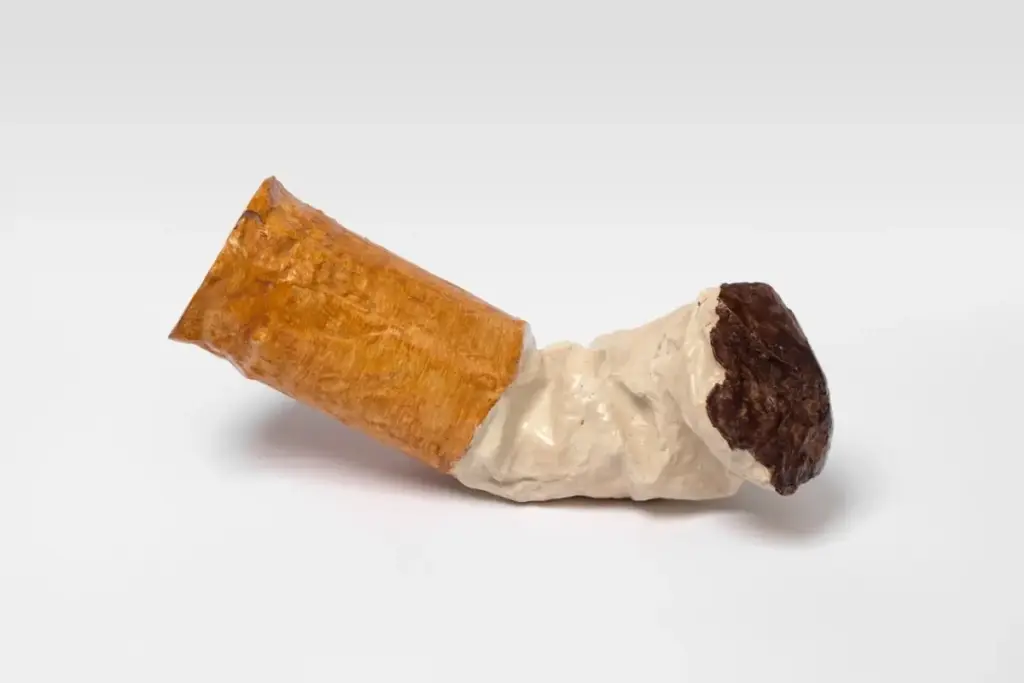
The diversity of the exhibitions on view this season proves that the boundaries of sculpture are still actively being pushed, challenged, and redefined. Artists and institutions are looking both backward and forward, re-evaluating historical figures whose contributions were previously marginalized while simultaneously embracing contemporary practices that defy traditional categorization. From monumental public installations to intimate studio studies like Claes Oldenburg and Coosje van Bruggen’s 1976 Fagend Study, Prototype, the current New York season offers a comprehensive look at an art form that refuses to stay still.