The international art world finds itself at a complex juncture as autumn 2026 unfolds, marked by a juxtaposition of high-stakes commercial momentum and significant sociopolitical friction. From the bustling aisles of elite fairs to the quiet corridors of national museums, the sector is grappling with its role in a changing global landscape.
In the Spotlight: High Stakes and Social Unrest
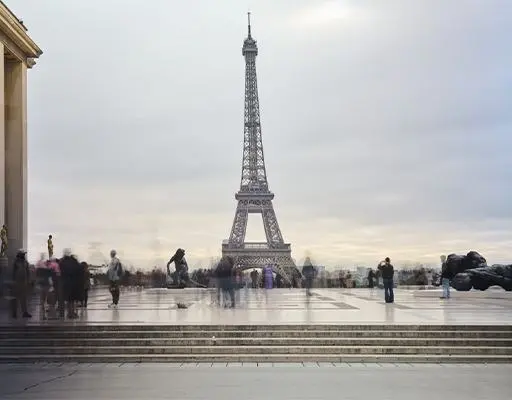
The art market’s resilience is being tested in France this week as the Avant-Première preview of Art Basel Paris opened its doors against a turbulent backdrop. Despite an escalation of anti-government protests, riots, and reports of looting across various French cities, the fair has managed to draw major collectors and industry leaders. The commitment of these participants underscores the enduring allure of the Parisian art scene, even as external instability threatens to overshadow the proceedings. The stark contrast between the lavish atmosphere inside the fair and the mounting civil unrest outside highlights the unique, often sequestered nature of the high-end art market during times of national crisis.
Simultaneously, a major shift is underway in the Italian art world. Billionaire collector François Pinault has announced a strategic pivot for his exhibition program at Venice’s Palazzo Grassi. Moving forward, the site will transition from hosting rotating, high-profile temporary exhibitions to housing a permanent display of the Pinault Collection. This decision marks the end of an era for the palazzo’s renowned temporary exhibition program, which has long served as a centerpiece for the Venetian cultural calendar. By establishing a permanent home for his holdings, Pinault is signaling a long-term commitment to the city, transforming one of its most prestigious venues into a more static, legacy-focused institution.
Across the Atlantic, the intersection of art and social activism has sparked controversy in Colombia. Over the weekend, demonstrators gathered outside the National Museum of Colombia in Bogotá to protest the removal of more than 30 objects. According to reports, these items were specifically associated with the struggles of the LGBTQ+ movement, feminism, and the political left. The removal has prompted a fierce public reaction, with critics characterizing the action as an act of institutional censorship that erases vital contemporary histories. The museum’s decision has ignited a broader conversation regarding the responsibility of national institutions to preserve diverse narratives, even those that may be politically contentious.
Museum and Gallery Developments
Institutional acquisition strategies remain a bright spot in the art sector, as evidenced by the recent activities of the Tate. Through the Frieze Tate Fund 2026, the institution has secured significant new works for the national collection, bringing artists Michaela Yearwood-Dan and Luis Fernando Zapata into the fold for the first time. This initiative highlights the ongoing importance of art fairs as primary conduits for institutional growth, providing a platform where public museums can identify and acquire works that represent the pulse of the contemporary market.
In the United States, the cultural landscape is preparing for a significant expansion with the announcement of the first-ever "Art Week NYC," scheduled for next month. With over 80 museums and galleries participating, the event aims to consolidate the city’s fragmented art scene into four days of intensive programming. The initiative is designed to foster a wider dialogue about the state of contemporary art, encouraging both the public and collectors to engage with the city’s vast ecosystem of exhibitions and discourse.
Meanwhile, in the United Kingdom, the historic Bluecoat in Liverpool has taken a major step toward its 2027 centenary by appointing Emer Grant as its first-ever creative director. As England’s oldest art center, the Bluecoat is looking to modernize its leadership structure to better navigate the challenges and opportunities of the next century. Grant’s appointment is seen as a pivotal move to redefine the institution’s artistic vision as it approaches this significant historical milestone.
Auction Trends and Market Shifts
The secondary market is turning its attention to Stockholm, where a rare work by the visionary Swedish artist Hilma af Klint is set to hit the auction block at Bukowskis next month. The piece, Ser III No.5, which dates back to 1920, is estimated to fetch between $600,000 and $800,000. Abstract works by af Klint are notoriously difficult to secure on the open market, making this sale a highlight for collectors of early 20th-century modernism. If the final hammer price exceeds expectations, it could potentially establish a new record for the artist, further cementing her status as a titan of abstraction whose market value continues to climb steadily.
Fairs, Biennales, and Curatorial Leadership
The organizational structures of major international exhibitions are also experiencing a period of renewal. The Biennale de Lyon has officially named Hélia Paukner as its new artistic director, effective February 1, 2027. Paukner’s appointment comes at a time when major biennales are being tasked with balancing artistic innovation with the logistical complexities of a globalized art world.
In Paris, the boutique-style fair Asia NOW is taking a proactive approach to curatorial development with its "New Voices" initiative. This program aims to spotlight emerging curators and highlight South Asian artistic practices, acting as a bridge between Asia and its diaspora. By focusing on the curators themselves, Asia NOW is attempting to shift the narrative away from purely commercial exchange toward a more profound exploration of cultural connectivity. The initiative represents a growing trend among mid-sized fairs to differentiate themselves by fostering intellectual and curatorial depth rather than relying solely on the volume of sales.
Recognizing Artistic Excellence
The Irish art scene recently celebrated a significant milestone with the presentation of the inaugural Francis Bacon Awards for Irish Visual Arts during the Dublin Gallery Weekend. The prizes were awarded to the esteemed Irish artist Patrick Graham and Northern Irish artist Cathy Wilkes. These awards are intended to bolster the visibility of Irish visual arts, recognizing practitioners whose contributions have been instrumental in shaping the artistic discourse both at home and on the international stage.
The recognition of artists like Graham and Wilkes underscores the ongoing effort to institutionalize support for contemporary creators, providing them with the platform and resources necessary to sustain their practices. As these artists move forward, their inclusion in the ranks of award recipients serves as a testament to the enduring, albeit evolving, influence of Irish artistic traditions in the contemporary global dialogue.
The coming months promise to be a period of significant transition for the international art world. Whether through the professionalization of institutional leadership, the heated debates surrounding museum acquisitions, or the high-stakes drama of the auction room, the sector remains deeply embedded in the social and cultural currents of the day. As fairs, museums, and galleries continue to adapt to these shifting pressures, the art world remains a space of both critical tension and significant creative achievement. For those tracking the pulse of the market, the events of this autumn provide a clear snapshot of an industry that is simultaneously looking back at its history and pushing forward into a complex, often volatile, future.