The past seven days have been a period of significant upheaval and strategic recalibration across the global art landscape. From the resolution of long-standing fiscal tensions at one of the world’s most visited museums to the collapse of a digital imaging giant and the passing of a visionary gallerist, the industry continues to navigate a complex and rapidly evolving environment.
In the Spotlight: Funding, Filings, and Recoveries
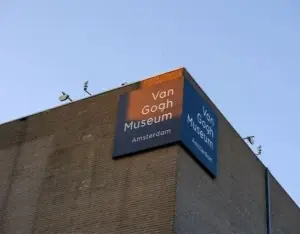
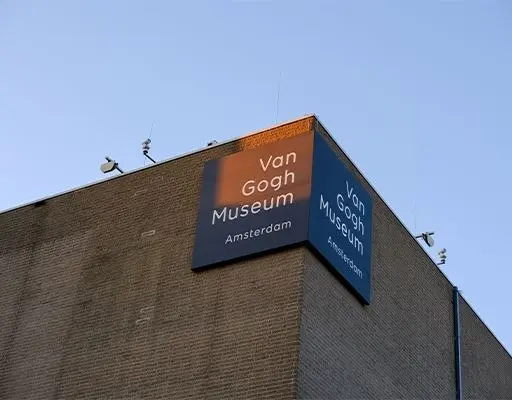
The week’s most significant relief comes from Amsterdam, where the Van Gogh Museum has finally secured a future free from the immediate threat of closure. For years, the institution has been locked in a high-stakes negotiation with the Dutch government, persistently lobbying for an increase in its annual subsidy. The museum argued that the existing funding model was insufficient to cover the mounting costs of essential infrastructure renovations and the preservation of its unparalleled collection. This recent deal provides the institution with the necessary financial runway to maintain its operations and move forward with the vital facility upgrades required to sustain its global reach. The resolution marks a major victory for the institution, ensuring that one of the world’s most iconic repositories of art remains accessible to the public.
While the Van Gogh Museum celebrates stability, the digital imaging sector is reeling from a dramatic downturn. Getty Images, a titan of the visual media industry holding an archive of over 477 million assets, has filed for Chapter 11 bankruptcy. This development follows the high-profile, failed attempt at a $3.7 billion merger with its primary competitor, Shutterstock. The collapse of the deal, which was ultimately thwarted by regulatory intervention, left the company in a precarious financial position, unable to reconcile its debt structure after the failed integration. The industry now watches closely to see how this restructuring will impact the availability and licensing of the massive historical and contemporary visual archives that Getty controls.
Elsewhere, the art world has seen a heartening success in the realm of cultural heritage protection. The Renoir Museum has confirmed the recovery of two significant paintings that were stolen during a brazen pre-dawn raid. Valued at approximately $10.5 million, the works are among the most treasured in the institution’s collection. While details regarding the investigation remain focused on the successful return of the pieces, the recovery highlights the ongoing challenges that small and mid-sized institutions face in securing their premises against sophisticated theft, as well as the efficacy of international cooperation in tracking stolen cultural property.
Shifts in Fairs and Biennials
The international calendar of art events has also seen a period of significant flux. In a move that has sparked conversation throughout the curatorial community, the Karachi Biennale has announced the cancellation of its upcoming fifth edition. Organizers cited "war conditions" as the primary driver behind the decision, a stark reminder of how geopolitical instability can disrupt the cultural ecosystem. The sudden nature of the cancellation, which reportedly occurred without the consultation of the event’s curator, Noor Ahmed, has raised questions about the institutional governance of such major international platforms during times of crisis.
On the other side of the spectrum, the Czech Republic is preparing for a new chapter in its cultural development. Plans have been finalized for the launch of "Prague Contemporary," the country’s first truly international art fair. The inaugural edition is scheduled to take place at the end of April next year, hosted within the historic Industrial Palace at Výstaviště Praha. As the Central European art market continues to mature, organizers hope that the fair will serve as a vital bridge between local artists and the broader global market, providing a dedicated space for contemporary dialogue and exchange.
Evolution in Museums and Galleries
The commercial gallery sector is experiencing both structural transitions and technological interventions. In New York City, the Lubov gallery is entering a new era. Following the untimely death of the gallery’s founder, which left a void in the local arts community, the space has announced new leadership. Mode Bonafilia and Kristen Wasik have stepped in as the new owners, tasked with carrying forward the gallery’s vision while navigating the competitive landscape of the New York art market. Their leadership will be closely observed as the gallery looks to honor its roots while adapting to a changing climate for independent spaces.
Simultaneously, the conversation regarding equity in the arts has been bolstered by the introduction of a new artificial intelligence tool designed to measure gender balance within galleries. The application, which provides data-driven insights into how many female artists are being represented and promoted by commercial entities, is already stirring debate. The founder of the project suggests that the tool is more than just a metric of equality; it is a strategic asset. By highlighting the gender composition of rosters, the developer argues that struggling galleries could revitalize their business models by intentionally supporting more women artists, a move that aligns with an increasing demand from female collectors and a broader market shift toward inclusivity.
A Legacy Remembered: The Passing of Peter Nagy
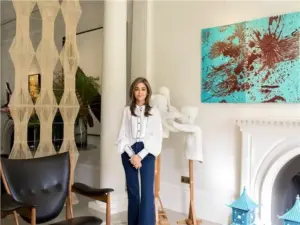
The global art community is mourning the loss of Peter Nagy, the influential artist and dealer whose work at the Nature Morte gallery fundamentally altered the trajectory of contemporary art in India. Nagy, who moved to New Delhi in the early 1990s, played a pivotal role in professionalizing the Indian art market. Through Nature Morte, he provided a platform for a new generation of Indian artists, helping to launch the careers of some of the country’s most celebrated contemporary stars.
Nagy’s impact was characterized by his unique perspective as both an artist and a gallerist, which allowed him to bridge the gap between creative practice and the commercial realities of the art world. His death leaves a significant void in the international gallery scene, but his legacy persists through the countless artists he mentored and the rigorous standard of excellence he brought to the Indian art market. Tributes have flowed from across the globe, emphasizing the profound influence he had on transforming a local scene into a vital component of the international art discourse.
Recognition and Awards
Finally, the week brought a moment of high achievement for British artist Louise Giovanelli. She has been named the recipient of the Government Art Collection’s prestigious Robson Orr TenTen Award for 2026. The award, which recognizes significant contributions to contemporary art, carries the distinction of having the winner’s work integrated into the visual environment of British government buildings and embassies worldwide. Giovanelli’s new print, titled Media Luna, will now serve as a representative piece of contemporary British creativity, ensuring that her aesthetic influence extends into the sphere of international diplomacy.
As the industry looks ahead, the themes of this week—financial resilience, the necessity of security, the impact of technological tools on social equity, and the transition of institutional leadership—continue to underscore the complexity of the contemporary art world. Whether through the recovery of stolen masterpieces or the establishment of new forums for international exchange, the art market remains a dynamic entity, constantly responding to the pressures and opportunities of the global stage. For those following the broader trends in auctions, exhibitions, and cultural policy, these developments represent a snapshot of an ecosystem in constant motion, shaped by both the passing of legends and the emergence of new, tech-driven paradigms.