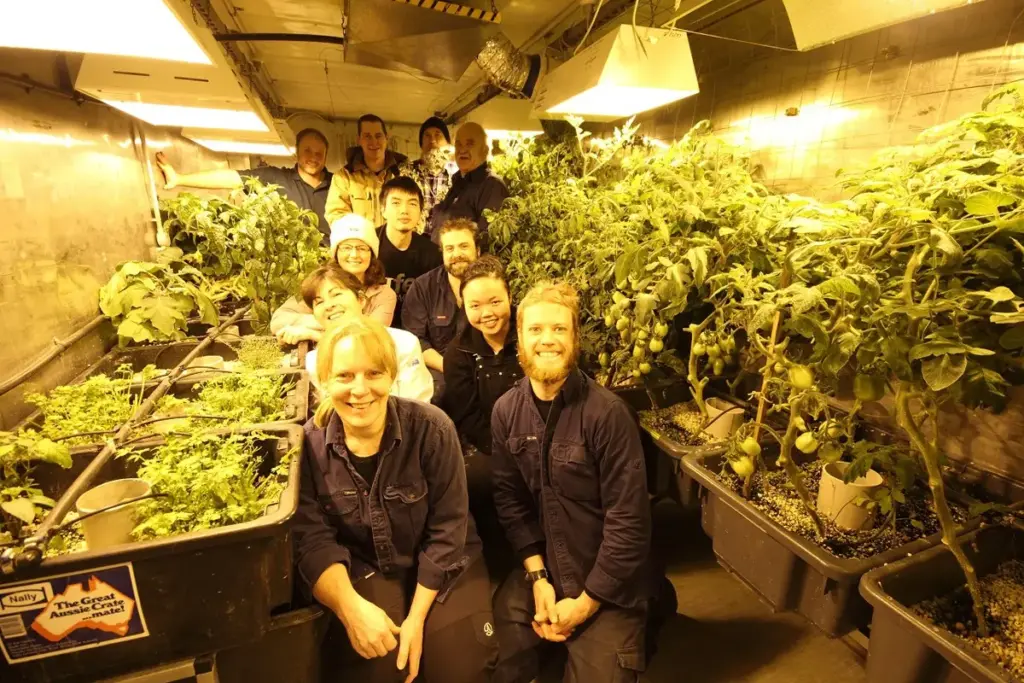
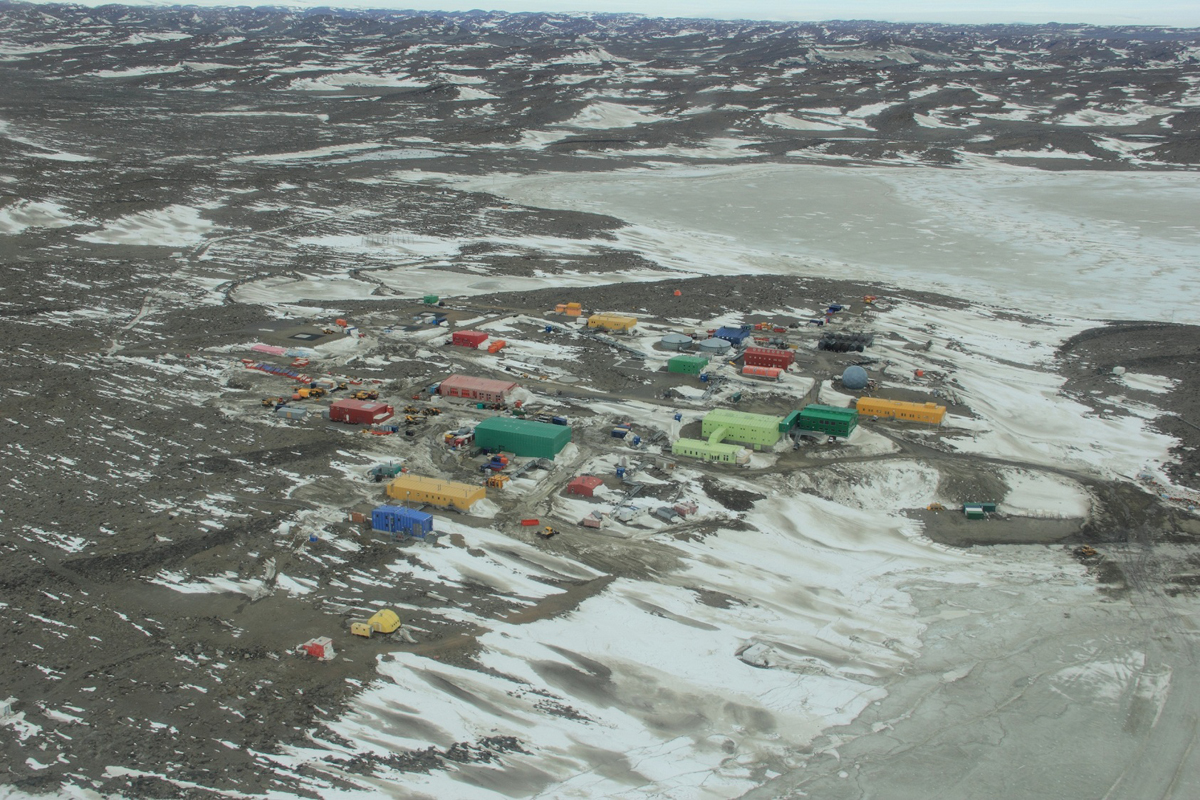
When gardening enthusiasts discuss extreme locations for cultivating plants, the conversation typically ranges from clever fire escape plots in bustling Manhattan to compact container patches managed by soldiers stationed overseas. However, pushing the boundaries of horticulture far beyond standard urban constraints reveals endeavors situated in the most inhospitable environments on Earth. Among the most remarkable of these is an ingenious hydroponic garden operated by researchers and support staff at Australia’s Davis Station in Antarctica.
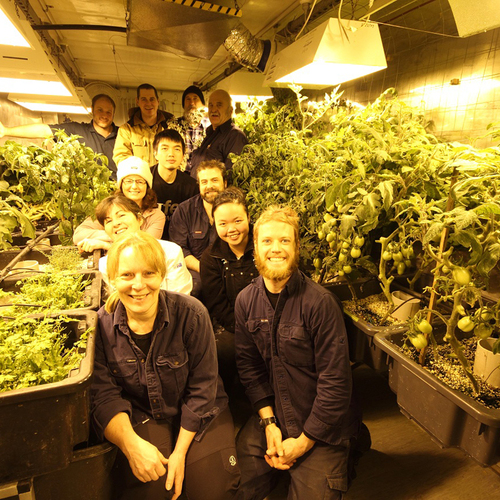
The story of this extraordinary polar outpost garden recently resurfaced through the community engagement efforts of the Australian Antarctic Division and the Garden Photo of the Day (GPOD) series. Prompted by community suggestions to revisit historic submissions from the frozen continent, gardening chroniclers took a retrospective look at the incredible work carried out by station staff, highlighting the tenacity required to grow fresh produce where nature strictly forbids it.
Unlocking Horticulture at the Bottom of the World
Darryl Seidel, who served as a station plumber and the manager of the hydroponics facility during the 2012 season, shared insights into what it takes to manage a greenhouse operation thousands of miles away from traditional agricultural zones. Hailing from Adelaide, Australia, Seidel’s prior gardening experience was limited to small backyard vegetable and flower patches. Taking on the role of hydroponics manager at an Antarctic research station was a formidable challenge, but one driven by a desire to tackle a truly unique undertaking.
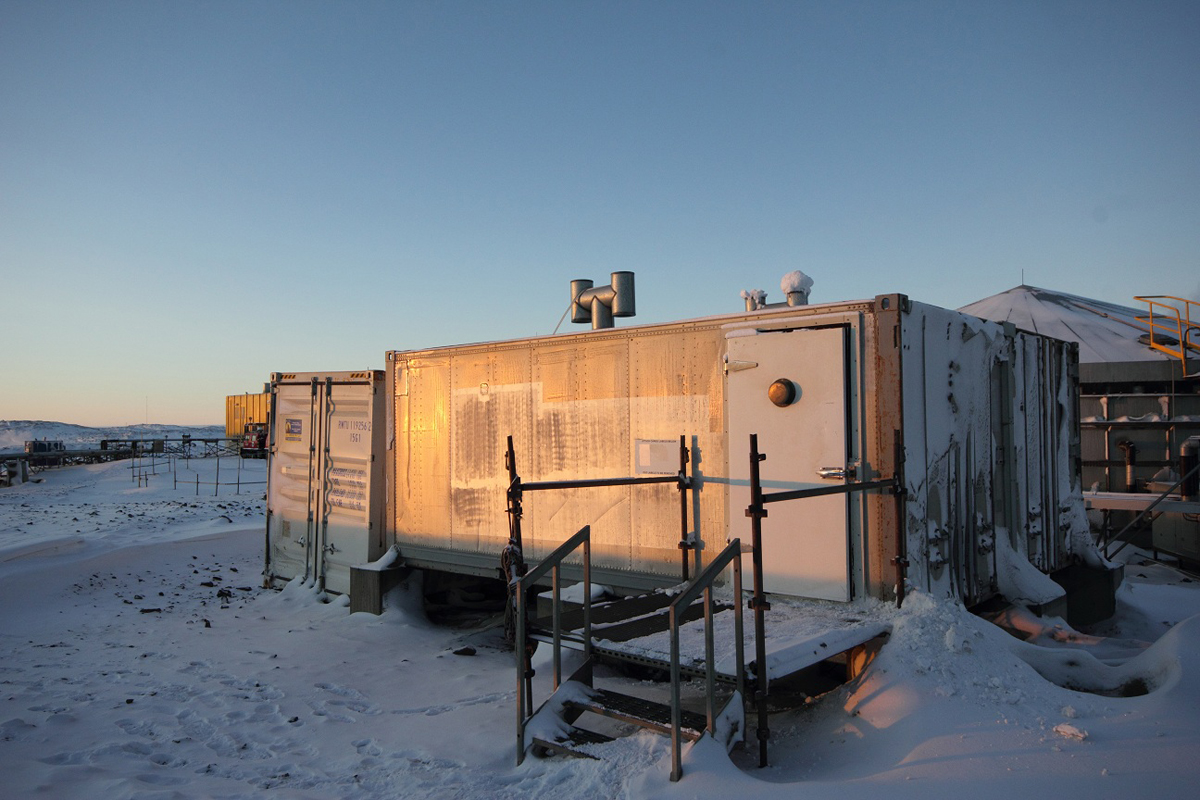
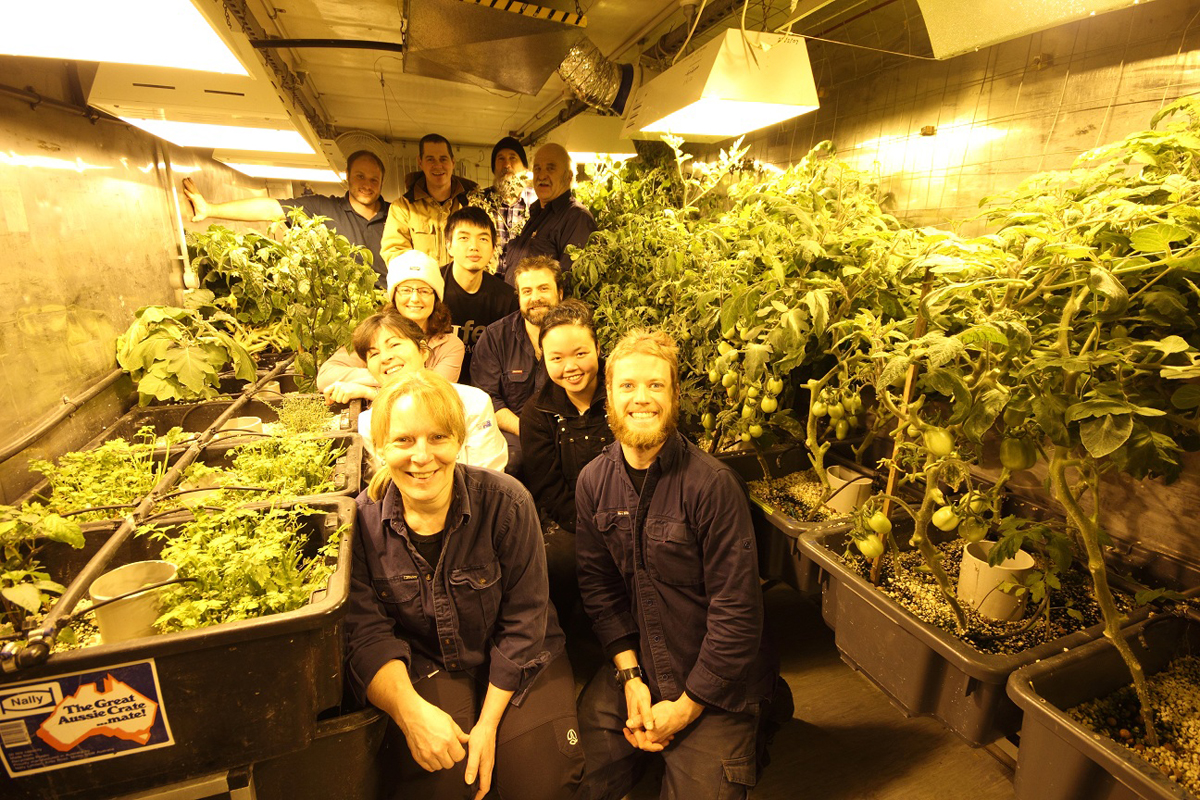
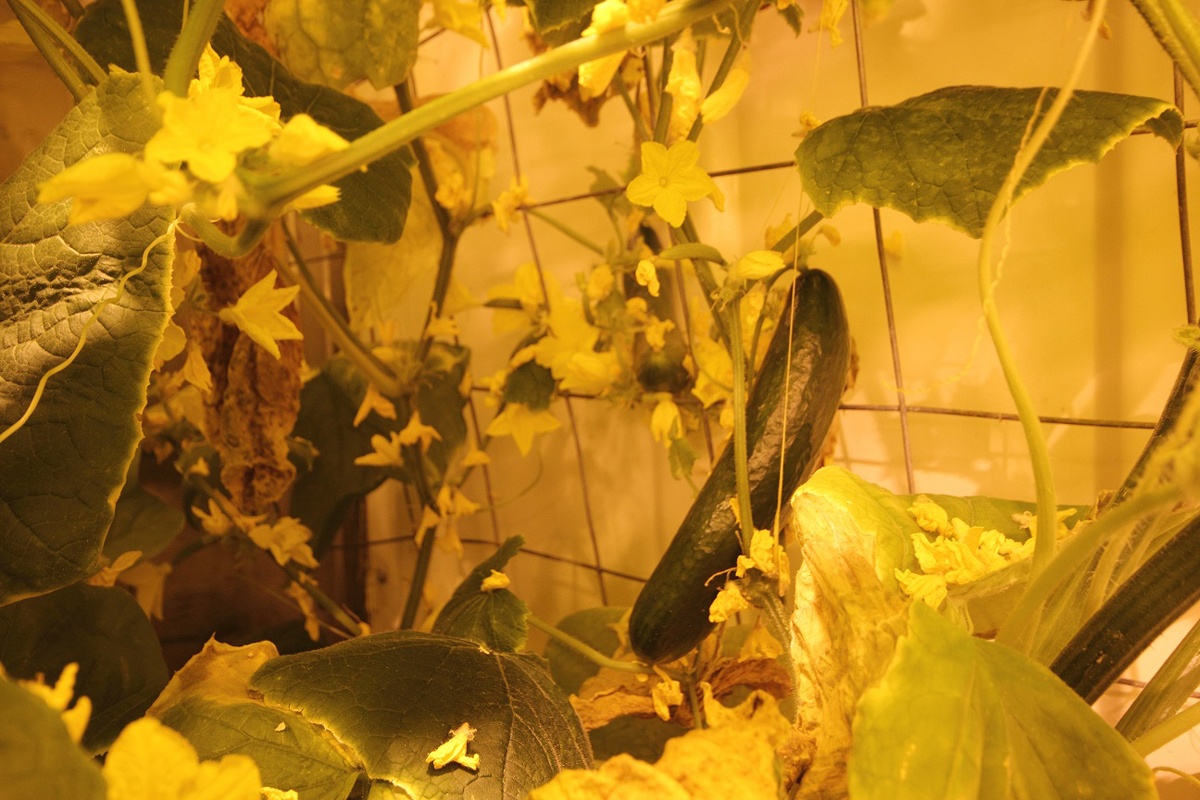
The setup itself is as utilitarian as it is ingenious, constructed from two lined shipping containers joined together to create a three-room facility. Operating such a facility in Antarctica is primarily a hobby and morale-boosting endeavor rather than an industrial agricultural enterprise. Because the station’s population fluctuates dynamically—surging to over 100 people during the peak summer months and dropping to a tight-knit winter crew of roughly 16 to 25 individuals—the greenhouse cannot possibly supply all dietary needs. Instead, it serves as a vital psychological and nutritional lifeline for the wintering crew. During the 2012 season, a dedicated group of 14 personnel participated directly in the hydroponics crew, fostering a strong community spirit where collective problem-solving kept the operation running smoothly.
Battling the Elements: Climate and Logistics
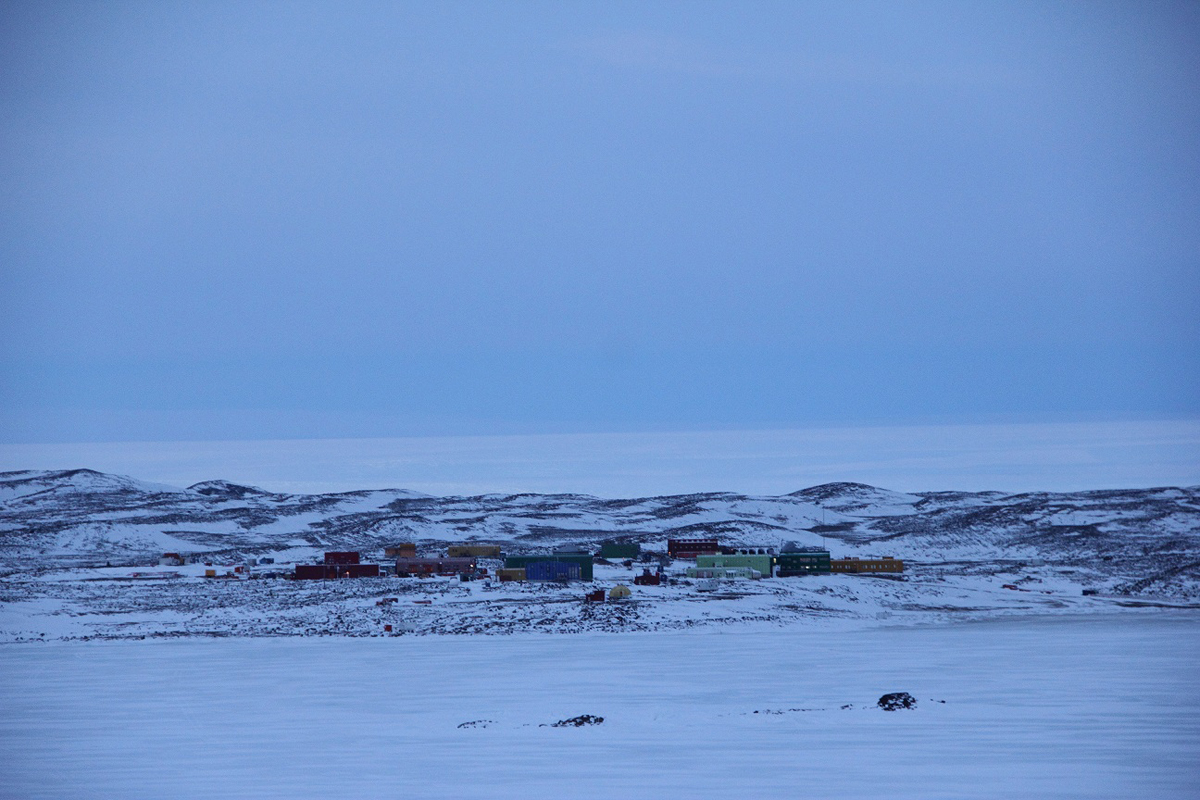
The climatic conditions surrounding Davis Station make outdoor agriculture utterly impossible. Winter temperatures fluctuate drastically depending on atmospheric conditions. Calm, clear days can plunge the thermometer to a staggering -30 degrees Celsius (-22 degrees Fahrenheit), accompanied by ferocious winds reaching speeds of up to 100 knots, equivalent to 185 kilometers per hour or 115 miles per hour. The average winter temperature hovers around a punishing -20 degrees Celsius (-4 degrees Fahrenheit).
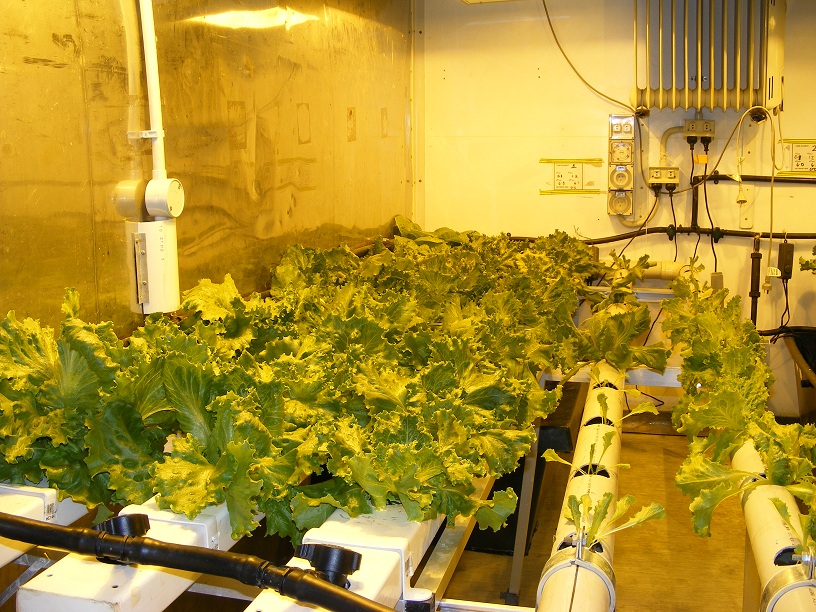
In contrast, stepping inside the hydroponic shipping containers feels like entering an entirely different climate zone. Crew members frequently spent as much time in the garden as possible, as the indoor environment is maintained at a comfortable 27 degrees Celsius (80 degrees Fahrenheit) with 60 percent humidity.
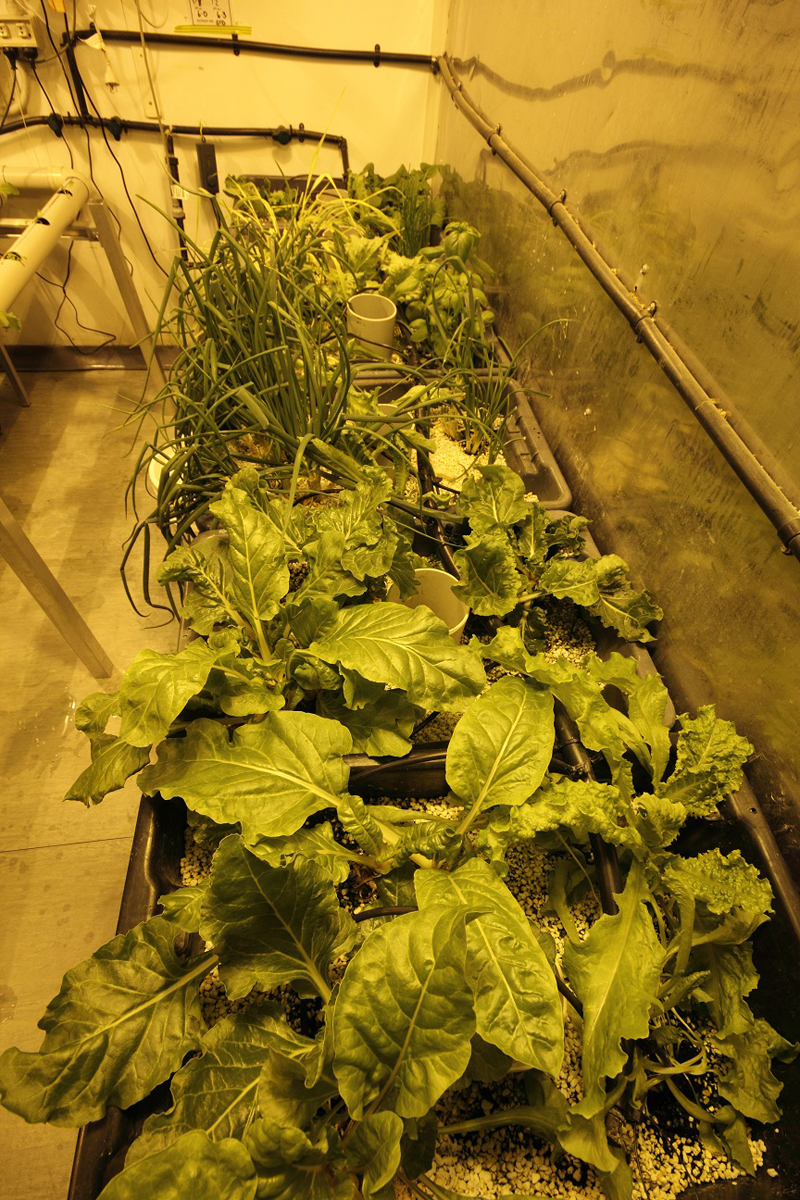
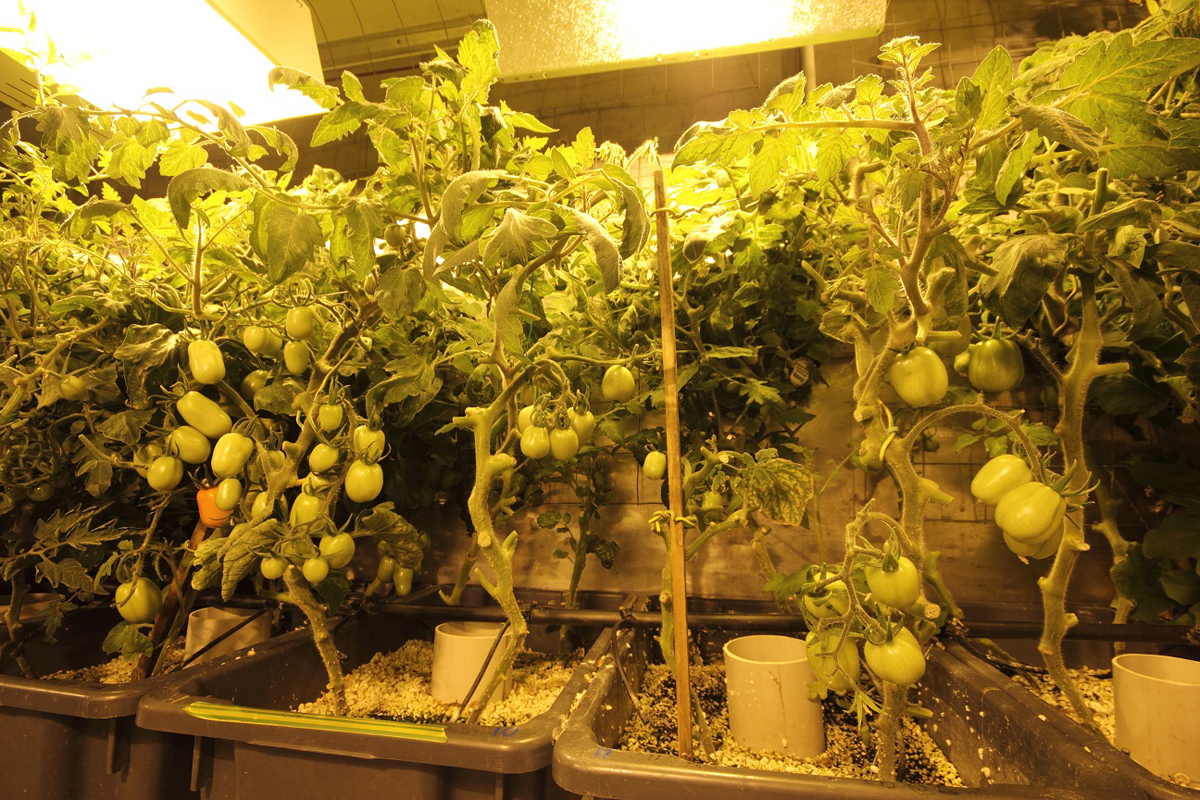
Strict quarantine and space restrictions dictate what can be grown within the facility. To protect the pristine and fragile Antarctic ecosystem, the station is only permitted to cultivate edible produce. The crop selection during Seidel’s tenure included iceberg and cos lettuce, various tomato varieties, Lebanese cucumbers, capsicums or bell peppers, and an assortment of fresh herbs.
Rigorous Biosecurity and Community Stewardship
Maintaining a sterile and productive growing environment requires stringent management protocols. The station rosters two crew members per week to monitor the plants twice daily, alongside two additional personnel dedicated specifically to seeding and propagation.
Because biosecurity is paramount in Antarctica, every single season concludes with the complete removal and incineration of all crops, including the growing media itself. This rigorous protocol prevents the spread of plant diseases and ensures that no non-native species inadvertently escape into the surrounding polar environment.
The primary operational challenge for the station plumbers and gardeners is preventing the water supply and the building infrastructure from freezing. While the absence of typical soil-borne pests and common plant diseases makes cultivation manageable in some respects, mechanical vulnerabilities pose constant risks. For instance, a door malfunction in mid-June allowed interior heat to escape and severe exterior cold to rush in over a 12-hour period. The resulting frost destroyed a significant portion of the crop, though remarkably, the majority of the lettuce and herbs managed to survive. The crew quickly reset the operation, bouncing back even stronger and ultimately harvesting more than 60 kilograms, or 132 pounds, of fresh produce over an eight-month operational window.
The presence of lush greenery and fresh vegetables during the dark, isolating months of the Antarctic winter provides an immeasurable morale boost to the station crew. Through a combination of technical ingenuity, strict biosecurity, and collaborative community effort, the hydroponic garden at Davis Station stands as a testament to humanity’s enduring desire to cultivate life even in the harshest landscapes on the planet.
Enthusiasts interested in sharing their own horticultural journeys can submit their garden photography and stories through the official Garden Photo of the Day submission channels, continuing a long-standing tradition of celebrating gardens of all shapes, sizes, and locations around the world.