As households across the country continue to navigate rising living costs and fluctuating energy prices, property experts and energy efficiency specialists are drawing renewed attention to a tried-and-tested home improvement: cavity wall insulation. Designed to create a thermal barrier between a building’s interior and exterior walls, this installation method is being highlighted as one of the most effective ways to lower household energy consumption, reduce carbon footprints, and enhance overall indoor comfort.
Unlike traditional insulation methods that focus on lofts or roofs, cavity wall insulation targets the empty space—known as the cavity—found in the exterior walls of many modern and semi-modern properties. Typically measuring between 50mm and 100mm wide, this gap can act as a conduit for heat to escape if left untreated. By filling the space with specialized insulating materials, homeowners can drastically cut down on thermal loss, keeping their living spaces warmer during the bitter winter months and pleasantly cooler when summer temperatures rise.
Recent data underscores the financial viability of the measure. Industry studies indicate that properly installed cavity wall insulation can save households up to 25% on their annual heating bills. For the average family, these reductions translate into substantial long-term savings, making the upfront investment a financially sound decision for property owners looking to safeguard against future energy market volatility.
What is Cavity Wall Insulation?
To understand the value of the process, it helps to examine the structural anatomy of many residential buildings. Most houses built from the 1920s onward feature exterior walls constructed with two separate layers of brick or masonry with a gap in between. This space, the cavity, was originally designed to prevent moisture from traveling from the outside world directly into the living quarters. However, uninsulated cavities also allow significant amounts of heat to transfer outward through conduction and convection.
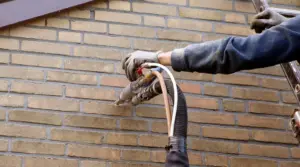
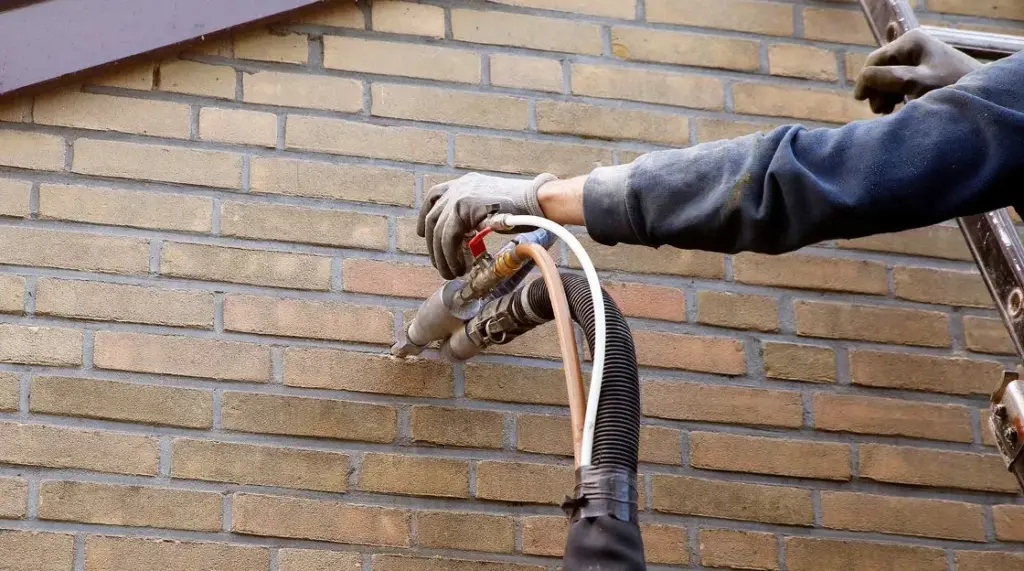
Filling this gap requires professional intervention, typically executed through one of two primary methods: blown insulation or injected insulation. Blown insulation utilizes specialized equipment to propel loose-fill materials, such as high-grade mineral wool or lightweight polystyrene beads, directly into the wall cavity. Alternatively, the injected method involves drilling discrete, strategic holes into the exterior mortar and pumping the insulating substance into the void using a specialized pressure pump. Both approaches are widely recognized as highly effective and can be seamlessly applied to most standard residential properties.
The popularity of these techniques stems from their dual ability to curb unnecessary energy waste while requiring virtually no disruption to the interior living space. Because the work is performed almost entirely from the outside of the building, residents can typically remain in their homes undisturbed while the installation takes place.
The Broad Benefits for Modern Households
The advantages of sealing a building’s thermal envelope extend far beyond mere financial savings. Industry authorities, including the Energy Saving Trust, point out that cavity wall insulation delivers a multitude of positive impacts for homeowners and the environment alike.
Chief among these advantages is the direct reduction of energy bills. By preventing heat from migrating out through the walls, the property retains warmth far more efficiently. Consequently, central heating systems do not need to work as hard or run for as long to maintain a comfortable ambient temperature. According to estimates from the Energy Saving Trust, households can expect to trim anywhere from £180 to £690 off their annual heating expenditures, depending on the size and energy profile of the property. Given that a typical insulation installation can last for roughly 25 years, these annual savings compound into a significant financial cushion over the lifespan of the material.
Beyond the numbers on utility statements, residents frequently report a noticeable improvement in daily living conditions. Drafts and cold interior wall surfaces are minimized, eliminating the persistent chill spots that often plague older or poorly insulated properties. This stabilization of indoor temperatures creates a much more pleasant, stable living environment year-round.
Furthermore, environmental considerations play a major role in the growing adoption of wall insulation. By lowering the sheer volume of fuel required to heat a home, households directly decrease their greenhouse gas emissions. For environmentally conscious homeowners, this reduction in the household carbon footprint represents a meaningful step toward sustainable living.
Property market experts also note that energy efficiency has become an increasingly vital selling point. Homes outfitted with verified insulation measures frequently command higher valuations and attract prospective buyers more quickly, as modern purchasers increasingly prioritize low running costs and strong energy performance ratings.

Understanding Costs and Financial Viability
While the long-term benefits are clear, homeowners must weigh them against the initial outlay required for installation. The cost of cavity wall insulation varies depending on several key factors, including the physical dimensions of the property, the specific material selected, and the complexity of the installation process.
For a standard semi-detached house, average installation costs generally range between £900 and £1,200. However, larger detached properties will naturally incur higher expenses, while smaller terraced homes or apartments may see lower totals. Industry advocates emphasize that these figures should be viewed as a capital investment rather than a simple expense. When evaluated against potential annual savings that can easily reach hundreds of pounds, the installation frequently pays for itself within a few years, continuing to generate net financial gains for decades thereafter.
Determining Property Suitability
Despite its widespread applicability, cavity wall insulation is not suitable for every single building. Structural differences, local weather exposure, and the age of the property all dictate whether a home can safely accommodate cavity fillings.
Older properties constructed before the 1920s often feature solid walls with no cavity at all, rendering standard cavity insulation impossible. Conversely, many homes constructed after the 1990s were built with comprehensive insulation already integrated into their original design, meaning they require no further work. Additionally, properties situated in heavily exposed coastal or upland areas subject to driving rain require careful assessment, as improper installation in such environments can occasionally lead to moisture bridging.
To determine whether a specific building is a viable candidate, property owners are strongly advised to consult a certified insulation specialist. Professional technicians possess the diagnostic tools necessary to conduct thorough borescope surveys, inspecting the interior of the wall cavity to check for obstructions, rubble, or existing insulation materials before any work begins.
The Importance of Professional Installation and Material Selection
Because cavity wall insulation requires specialized heavy-duty equipment and technical expertise, it is not suited for do-it-yourself projects. Selecting a reputable, certified installation company is critical to ensuring that the materials are distributed evenly throughout the cavity without leaving cold spots or gaps that could compromise thermal performance. Organizations such as Dyson Energy Services, which has operated within the UK residential sector for decades, exemplify the standard of specialized expertise required to execute these installations safely and effectively.
When planning an installation, homeowners must also collaborate with professionals to choose the most appropriate insulation medium. Common materials include mineral wool, expanded polystyrene beads, and specialized synthetic foams. Each option possesses distinct thermal properties, moisture-resistance ratings, and cost profiles. For instance, certain foam-based products may be recommended for buildings exposed to high wind-driven rain, while mineral wool provides exceptional fire-retardant qualities and acoustic dampening.
Maintenance and Long-Term Outlook
Once correctly installed, cavity wall insulation is remarkably low-maintenance. Because the material is sealed entirely within the masonry framework of the building, it requires no active upkeep or servicing.
However, building surveyors recommend that homeowners remain vigilant for indirect indicators of potential issues. The appearance of persistent damp patches, interior mold, or unusual moisture staining on exterior walls can occasionally point to structural failures, bridging, or compromised damp-proof courses. Should any such signs emerge, property owners should promptly arrange for a professional inspection to identify and rectify the underlying cause, ensuring the integrity of both the building and its thermal barrier.
Ultimately, as energy efficiency remains a paramount concern for households across the country, cavity wall insulation stands out as a proven, pragmatic solution. By combining measurable reductions in utility bills with heightened indoor comfort and a smaller environmental impact, the measure continues to serve as a cornerstone of residential energy conservation.