After weathering a challenging and eye-opening loss during the initial round of elections earlier this month, incumbent Brazilian President Luiz Inácio Lula da Silva staged a dramatic and decisive political comeback, defeating far-right rival Flávio Bolsonaro in a fiercely contested presidential runoff. The hard-fought victory represents a significant moment for the country’s political landscape, arriving as a stark and powerful rejection of the broader rightward pivot that has impacted various parts of the region in recent years. In the wake of the election results, Lula’s triumph has unlocked a vibrant, expansive deluge of internet memes and cultural expressions across social media platforms, perfectly exemplifying how Brazilian digital culture uniquely intertwines national pride, sharp political commentary, and a globally influential sense of internet humor.
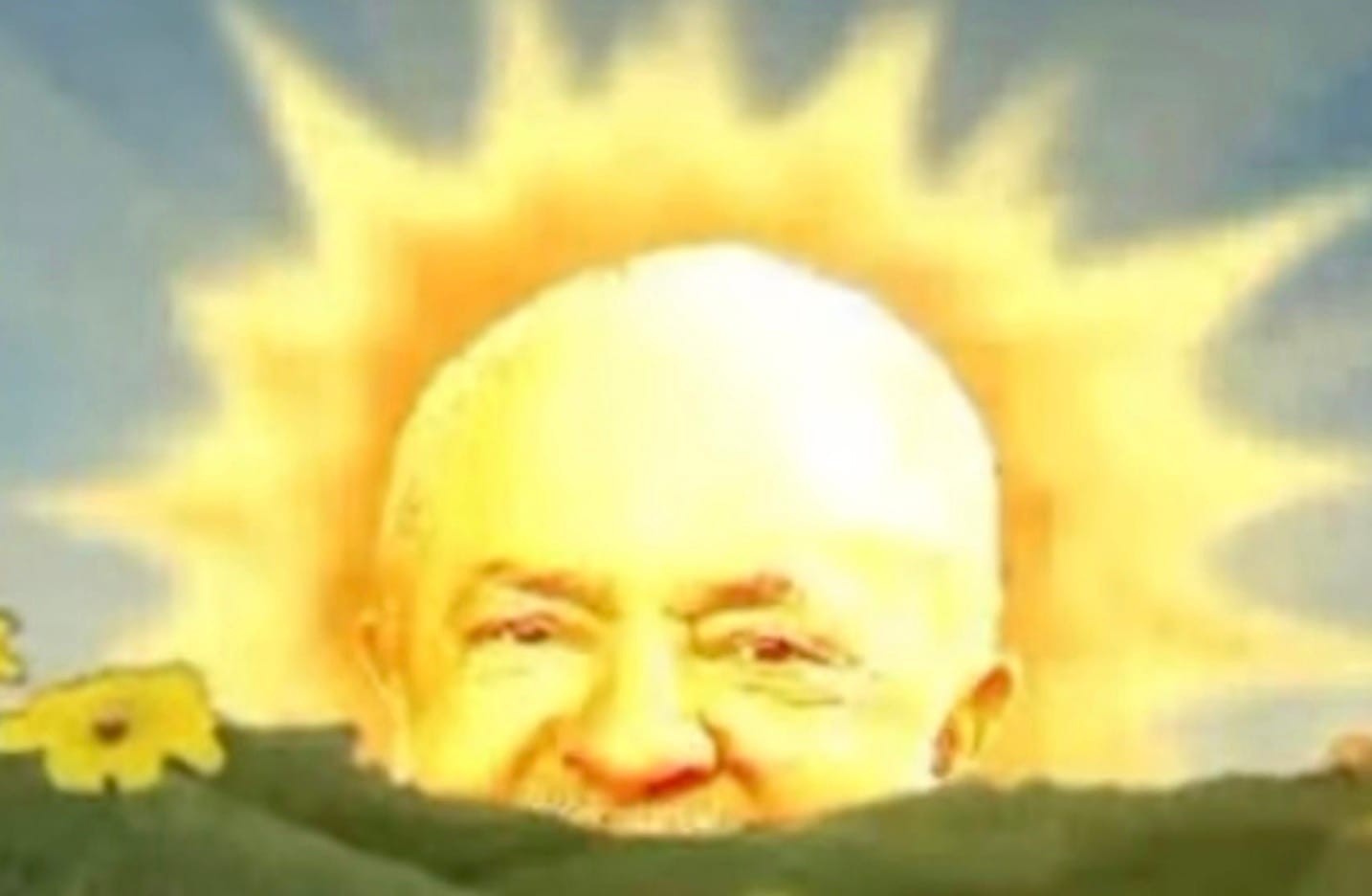
Securing nearly 52% of the total valid votes, Lula’s latest electoral success marks a monumental milestone in his storied political career. It grants the veteran progressive leader his second consecutive term and his fourth term overall as the leader of South America’s largest nation. As a foundational and enduring figure within Brazil’s Workers’ Party, Lula has long championed a platform centered on economic justice and social welfare. Throughout his political life, he has consistently dedicated his efforts to eradicating food insecurity, bolstering national environmental protections, fiercely advocating for Indigenous territories and sovereignty, advancing comprehensive labor rights, driving social equity, securing vital funding for the arts and culture sector, and reinforcing the country’s unbreakable commitment to democratic governance.
The runoff election placed Lula in direct opposition to Senator Flávio Bolsonaro, a prominent political figure and the son of former far-right Brazilian President Jair Bolsonaro. The younger Bolsonaro’s candidacy carried the ideological torch of his father, whose own political legacy remains heavily overshadowed by criminal convictions and authoritarian fallout. Last year, the elder Bolsonaro was formally convicted of criminal conspiracy and sentenced to a staggering 27-year prison term after orchestrating and attempting to incite a violent coup in a desperate bid to overturn Lula’s democratic victory in the 2022 presidential election. Demonstrating a familiar playbook of contesting institutional accountability, Senator Bolsonaro publicly and flatly refused to recognize Lula’s legitimate victory immediately after electoral authorities officially called the race.

Lula’s triumphant political comeback also arrives against a backdrop of intense geopolitical pressure, successfully flouting aggressive foreign intervention tactics directed at Brazil’s domestic political landscape. These external pressures escalated significantly in the wake of diplomatic friction involving Washington, most notably when former United States President Donald Trump slapped a punitive 50% import tariff on essential Brazilian goods. That aggressive economic measure was widely viewed as direct retaliation against the Brazilian judiciary’s lawful prosecution and sentencing of former President Bolsonaro, highlighting the high stakes and international ramifications of Brazil’s democratic trajectory.
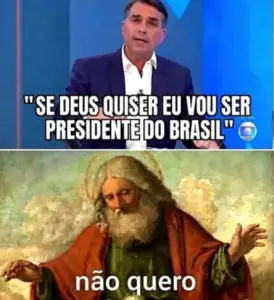
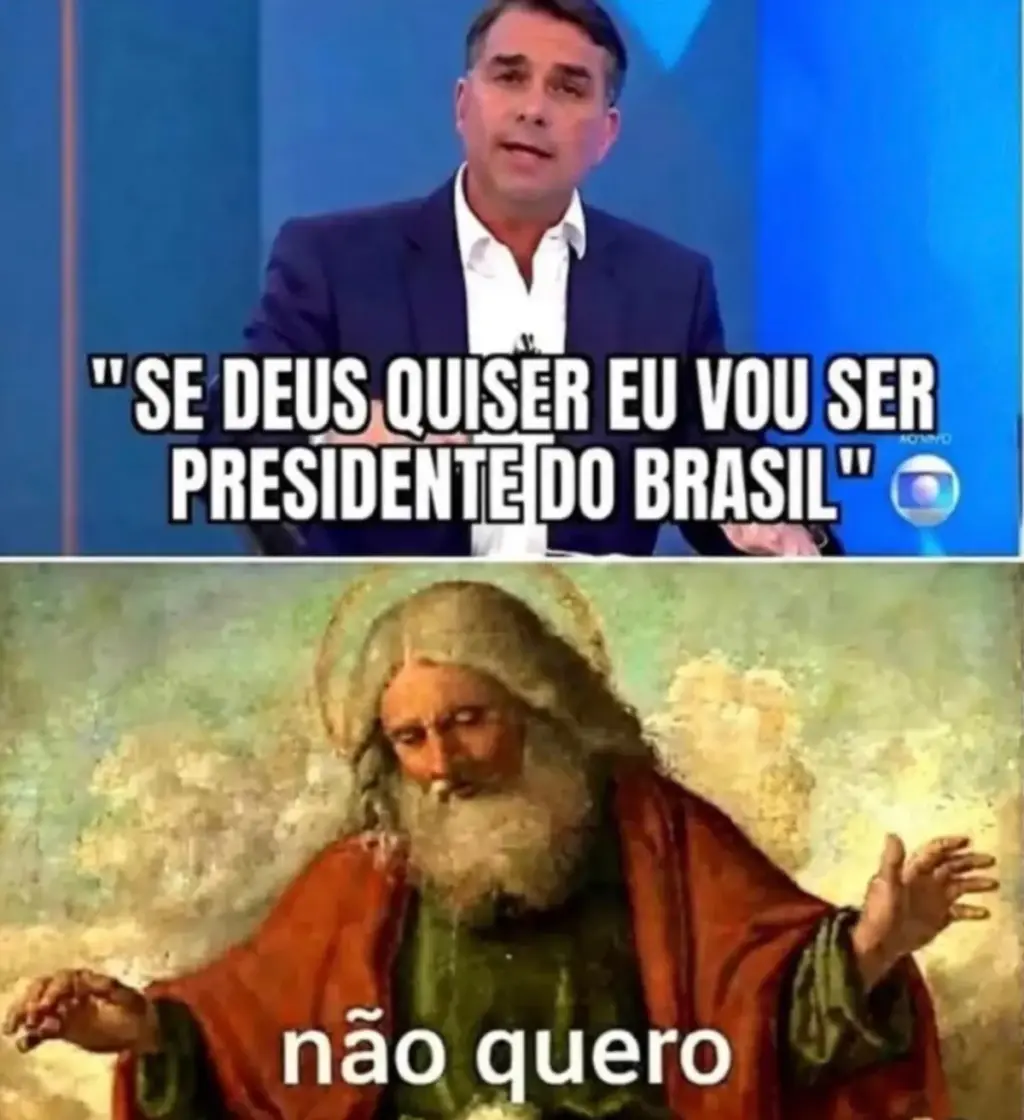
For the millions of Brazilian citizens who headed to the polling stations in overwhelming numbers to cast their ballots for Lula, the election outcome has served as an immediate catalyst for an unprecedented wave of online celebration, relief, and collective optimism. Over the years, Brazil has firmly established itself as one of the world’s most potent cultural exporters, particularly when it comes to a fast-paced, highly inventive digital sense of humor. Brazilian internet culture has given birth to some of the most ubiquitously recognized memes and reaction formats used globally across the internet, ranging from the classic "Confused math lady" to the internet-famous rallying cry of "Please come to Brazil."
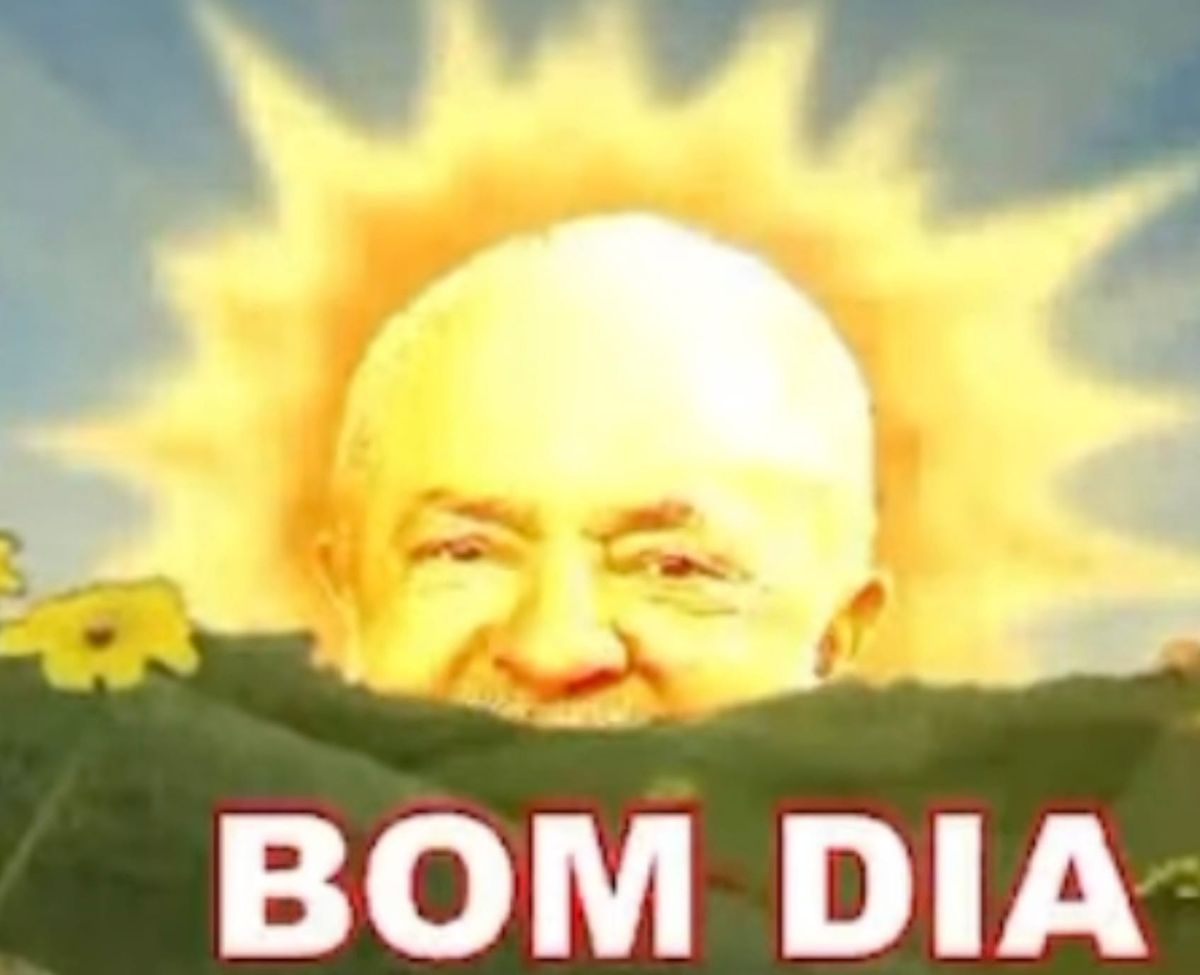
Operating as an unfiltered and fiercely democratic facet of free speech in direct response to the nation’s turbulent political environment, Brazil’s gloves-off meme culture has long served as a powerful socio-political tool. Historically, internet humor was weaponized by various factions, with digital spaces both attempting to supplement the far-right populist efforts that originally elevated the senior Bolsonaro to power and, conversely, relentlessly skewering his controversial presidency through biting satirical commentary. With Lula’s historic victory now secured, this same digital infrastructure has transformed into a celebratory canvas, utilizing imagery rooted deeply in queer culture, contemporary pop culture references, and fierce national pride to mark a progressive win at the polls and celebrate what many hope is a definitive step back from the threat of fascism.