When it comes to selecting the ideal timber for exterior structures, intricate interior finishing, or specialized woodworking projects, two prominent softwoods consistently capture the attention of builders and artisans alike: Sugi, widely known as Japanese cedar, and Western Red Cedar. Both of these remarkable materials have earned global acclaim for their natural beauty, impressive durability, and unique performance characteristics that make them favorites in architectural and design circles.
While these two distinct species share notable similarities—most prominently their natural resistance to rot, decay, and insect infestation—they differ significantly in their geographic origins, visual aesthetics, density profiles, aromatic qualities, and long-term dimensional stability. Recognizing these nuances is essential for professionals and hobbyists seeking to make informed choices. This comprehensive examination provides a balanced, educational comparison to help clarify how each wood performs in real-world applications and when one species may be preferred over the other for specific projects.
What Is Sugi?
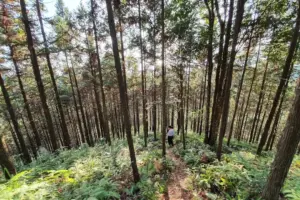
Sugi refers to the timber harvested from the Japanese cedar tree, scientifically classified as Cryptomeria japonica. This majestic, tall evergreen conifer is native to the forests of Japan, where it has served as a cornerstone of traditional Japanese architecture for centuries. Historically, Sugi has been utilized in the construction of sacred temples, intricate shrines, traditional residential homes, and refined interior paneling. Its deep cultural footprint in Japanese craftsmanship speaks volumes about its reliability and aesthetic appeal.
The key characteristics of Sugi define its unique place in the timber market. It is exceptionally lightweight yet features a remarkably straight grain. The wood typically ranges in color from a pale yellow to a light brown, occasionally displaying soft, warm reddish tones that add to its visual charm. Like many resilient softwoods, Sugi is naturally resistant to decay, insects, and fungi, owing to the innate chemical properties of the tree. Furthermore, it boasts a fine texture and a smooth appearance that takes finishes exceptionally well.
The cultural significance of Sugi cannot be overstated, as it holds deep historical value in Japanese woodworking traditions. Today, it finds application across a diverse range of industries, including general construction, interior paneling, bespoke furniture making, and specialty woodworking projects. Overall, Sugi offers a harmonious balance of durability and workability, making it a highly valued commodity both within Japan and on the international market.
What Is Western Red Cedar?
In contrast, Western Red Cedar, scientifically known as Thuja plicata, grows abundantly along the rugged Pacific Northwest coast of North America, stretching across regions of British Columbia, Washington, and Oregon. Renowned for its rich color palette, deeply aromatic scent, and exceptional performance in outdoor environments, Western Red Cedar has become a staple material for exterior applications across the globe.
The key characteristics of Western Red Cedar begin with its striking appearance, featuring warm reddish-brown tones complemented by distinct, elegant grain patterns. One of its most defining attributes is its outstanding natural resistance to rot, decay, and insects, a trait driven by its exceptionally high content of natural extractives. Additionally, Western Red Cedar possesses a low density and superior dimensional stability, meaning the wood expands and contracts far less in response to fluctuating moisture levels compared to many competing species.
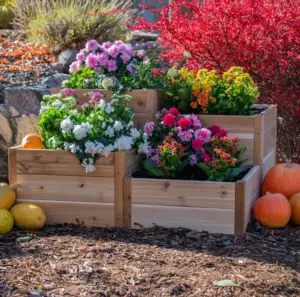
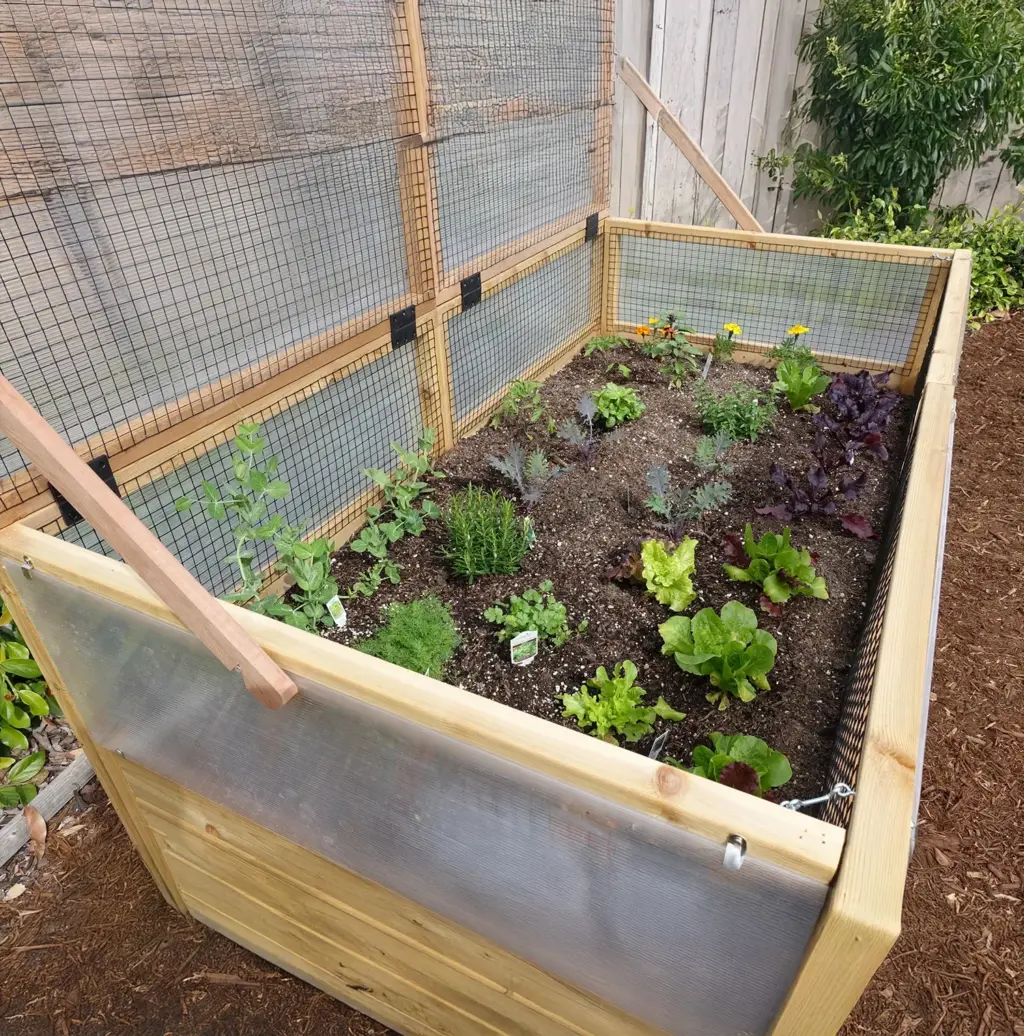
Because of these properties, Western Red Cedar enjoys a long lifespan when exposed to the elements outdoors, particularly in wet, humid, or variable climates. It holds strong cultural and economic value in North American woodworking and building traditions, mirroring the historical importance of Sugi in Asia. Common practical applications for Western Red Cedar include outdoor structures such as sheds, fencing, pergolas, greenhouses, garden beds, siding, trim, and outdoor furniture.
Sugi vs. Western Red Cedar: A Side-by-Side Comparison
To fully understand how these two exceptional softwoods stack up against one another, it is helpful to examine them across several key categories, starting with their species and geographic origins. Sugi originates from Cryptomeria japonica and is deeply rooted in the landscapes and traditions of Japan, whereas Western Red Cedar stems from Thuja plicata, native to the coastal rainforests of the Pacific Northwest. Despite their geographical separation, both are softwoods with long, storied histories of structural and cultural use.
When comparing their visual appearance, distinct differences emerge. Sugi typically exhibits a light yellow-to-brown coloration, occasionally featuring subtle reddish undertones, alongside a fine, straight grain that yields a soft, uniform visual tone. Western Red Cedar, on the other hand, showcases a rich reddish-brown hue with more pronounced grain patterns, offering a deeper and warmer overall aesthetic. Neither wood is objectively superior in terms of appearance; rather, the choice comes down to personal design preference. Builders seeking a lighter, more uniform look often lean toward Sugi, while those desiring greater color variation and warmth frequently choose Cedar.
Durability and decay resistance represent critical factors for any woodworking project, and both species perform admirably due to their natural oils that deter fungi, insects, and moisture. Sugi is naturally durable while remaining slightly softer overall, performing exceptionally well outdoors when proper maintenance is applied. Western Red Cedar stands out as one of the most decay-resistant woods available on the market, making it an ideal choice for wet, coastal, or highly variable climates. When evaluating long-term outdoor exposure, Western Red Cedar maintains a subtle performance advantage.
Density and weight further differentiate the two materials. Sugi is very lightweight, with a density comparable to pine, making it exceptionally easy to cut, shape, and handle on the job site. Western Red Cedar is also considered a lightweight wood, but it possesses a slightly higher density than Sugi. In practical terms, Cedar’s marginally higher density contributes to its superior dimensional stability outdoors, while Sugi’s lower density enhances its ease of workability for detailed interior tasks.
Regarding their primary uses and applications, both woods find their greatest strengths in different environments. Sugi is commonly selected for interior framing, flooring, traditional Japanese building techniques, furniture manufacturing, and smaller specialty woodworking projects. Western Red Cedar excels in outdoor environments, commonly utilized for sheds, pergolas, fences, greenhouses, decking, siding, garden beds, outdoor furniture, architectural trim, and paneling. While both handle versatile roles, Cedar maintains a distinct advantage when deployed in harsh outdoor exposures.
Finally, the scent and aromatic qualities of each wood contribute significantly to their sensory appeal. Sugi emits a mild, sweet, and pleasant fragrance that has been valued in Japanese culture for centuries for its calming and grounding aromatic properties. Western Red Cedar is widely celebrated for its rich, highly distinctive aroma, frequently described as fresh, warm, and naturally protective, originating from the organic oils that simultaneously repel insects and provide its legendary decay resistance. Through a careful assessment of these characteristics, architects, builders, and craftspeople can select the timber that best aligns with the aesthetic and functional demands of their work.