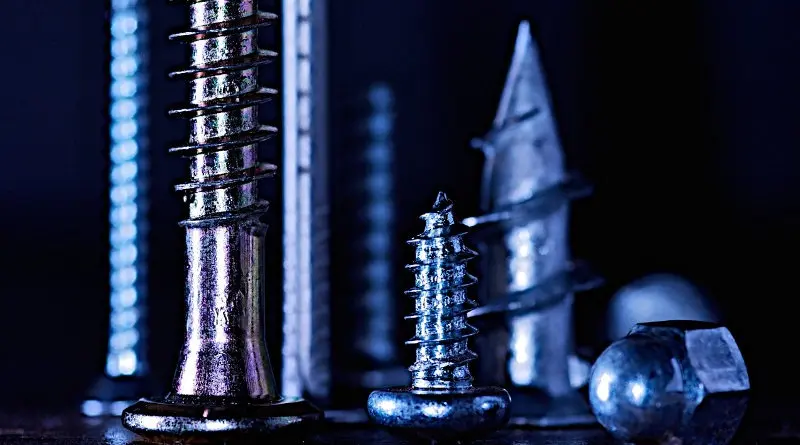
For any builder, contractor, or weekend DIY enthusiast, selecting the correct screw size and type can ultimately determine whether a project achieves structural integrity or faces total failure. Yet, for those unaccustomed to the nuances of industrial hardware, navigating the vast array of available screws, bolts, and drives can be remarkably confusing. Industry experts continually emphasize that understanding the specific properties of fasteners is just as important as mastering the materials being joined, whether working with delicate hardwoods, heavy masonry, or thin sheet metal.
How to Choose the Right Screw for the Job
The hardware market features dozens of distinct screw sizes and types, each engineered for specific applications. While certain versatile fasteners can perform adequately across multiple materials, others are strictly designed for specialized building, construction, or home improvement tasks. Choosing the correct screws for any project dictates not only how smoothly the installation process goes, but also the final visual appeal and long-term durability of the finished piece.
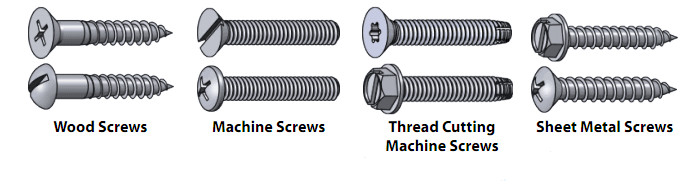
When fastening wood, professionals typically rely on traditional wood screws. As their name suggests, these components are engineered specifically to attach pieces of timber together. Wood screws tend to be noticeably thinner and more flexible than their metal or masonry counterparts, a characteristic that allows them to bend slightly as the wood naturally expands and contracts with changes in humidity and temperature. Furthermore, wood screws commonly feature deep threads designed to grip the internal fibers of timber securely, preventing the fastener from being easily ripped out under load. For projects utilizing particularly dense hardwoods, builders often turn to screws with a double or twin thread design, which aids in cutting cleanly into the harder material without splitting the wood.

In contrast, metal screws usually feature a much tighter and smaller thread profile. This precise design allows the fastener to cut into metal materials slowly and deliberately. When working with sheet metal applications—such as installing roofing materials or corrugated iron—workers frequently utilize self-tapping screws. These specialized fasteners incorporate blade-like threads directly on the tip, enabling them to cut their own pilot hole in the metal substrate without the requirement of pre-drilling. Self-tapping fasteners are frequently manufactured with hex washer heads intended for use with socket drivers, though variations with standard slot and Phillips heads remain widely available on the market.
Masonry screws share a general visual similarity with wood screws, though they are distinguished by a significantly thicker shaft and a slightly tighter thread pitch. For heavy-duty applications requiring fasteners to be driven directly into concrete, specialists rely on frame fixings or anchor bolts. These heavy structural elements feature exceptionally thick shafts relative to their small, widely-spaced threads, providing maximum holding power in brittle substrates.
For security-sensitive installations, specialized hardware is often mandated. Security screws, frequently referred to as clutch or one-way screws, are deliberately engineered to make unauthorized removal with a standard screwdriver extremely difficult or impossible. The unique geometry of a security screw head permits rotation in only one direction, allowing the fastener to be tightened down securely but resisting extraction. This design makes them ideal for mounting high-value exterior assets, such as security cameras, to building facades. They are similarly deployed to anchor window security grills, effectively preventing intruders from easily dismantling protective barriers to gain unlawful entry.
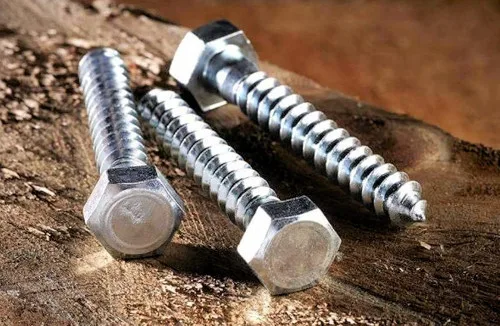
Heavy-duty construction and landscaping projects often require much larger structural fasteners known as coach screws, alternatively called lag screws or coach bolts. These robust fixings possess exceptional tensile strength and feature a relatively wide, thick thread, making them ideal for binding massive structural timbers together. Standard building practices often incorporate coach bolts for demanding outdoor applications, such as constructing retaining walls using heavy railway sleepers. Due to their substantial size, coach screws almost universally feature a large hexagonal head and are designed to be driven using a heavy spanner or a socket driver.
Machine screws represent another distinct category, bearing a closer resemblance to traditional bolts than to standard wood fasteners. They typically feature narrow, straight-sided shafts lacking a tapered tip. Machine screws are utilized either alongside a matching nut or driven directly into a pre-tapped hole featuring a complementary internal thread. They are frequently deployed to fasten metal components together in mechanical assemblies or specialized building components, such as the toggle fixings commonly used for securing fixtures to plasterboard. While standard machine screws are widely available, specialists can also source self-tapping machine variants typically manufactured from durable stainless steel.
The Difference Between Twin and Single Threaded Screws
Within the category of wood screws and related fasteners, products are frequently classified by whether they feature a single thread or twin threads. Understanding the mechanical differences between these two configurations helps builders optimize their fastening methods.
The thread on a single-thread screw features a single continuous spiral winding around the shaft from tip to head. Single-threaded screws are generally more cost-effective to produce and purchase, making them a popular choice for general joinery and softwoods where extreme initial grip is less critical.
Conversely, twin thread screws incorporate two separate thread spirals running parallel and opposite each other around the shaft. Because each individual thread spiral is spaced more widely along the shaft body, twin-threaded screws bite and drive into the material much faster than single-thread equivalents. Once fully seated, twin-threaded fasteners typically provide a much tighter and more secure hold within the material.
Types of Screw Head
The vast array of available screw heads can initially appear overwhelming to consumers. While many head styles are specialized for industrial sectors, several standard configurations dominate general home improvement and construction projects.
Countersunk heads are the standard choice for general joinery and carpentry work. They are specifically shaped to sink flush with the surface of the material, leaving a smooth, flat finish that can be easily sanded or painted over. Raised countersunk heads offer a slight dome above the flush surface, making them well-suited for ironmongery or situations where decorative screw cups are applied to achieve a polished, clean finish.
Dome heads are frequently selected for fastening delicate materials such as mirrors and thin plastic sheets or panels. The exposed head can be left plain or topped with a decorative dome or plastic clip-on cover to conceal the metal underneath. Round or button head screws serve a similar purpose, generally applied when securing sheet materials that are simply too thin to accommodate a traditional countersunk recess.
Bugle heads are engineered specifically for use with modern wallboards, including plasterboard and fiberboard. The extended, gradual taper of a bugle head distributes clamping pressure over a much broader surface area than standard countersunk heads, preventing the fastener from tearing through the paper face of the drywall.
Types of Drive
In addition to varying head shapes, fasteners feature a wide assortment of drive styles—referring to the specific indentation or slot in the head where the installation tool engages.
The traditional cross-head, or Phillips drive, remains a standard option for the vast majority of general-purpose screws. The Frearson drive shares a similar cross-shaped appearance to the Phillips design but features a sharper point, requiring a matching Frearson driver for proper installation without cam-out. Slotted drives feature a simple, linear straight slot across the head, representing one of the oldest and most traditional drive designs. Combination drives incorporate both a slotted and a Phillips configuration, offering versatility for installers using mixed tool sets.
Hexagonal or socket drives feature a hexagonal internal socket designed to be driven using a standard Allen key, allowing for high torque application. One-way security drives are installed using a conventional slotted screwdriver but resist removal due to their specialized asymmetrical slot geometry. Square drives, also known as Robertson drives, feature a square recess that securely captures a matching square driver bit, significantly reducing the likelihood of tool slippage during high-torque driving. Finally, star drives, widely known as Torx fasteners, utilize a six-pointed star pattern specifically engineered to virtually eliminate cam-out and prevent the stripping of screw heads during intensive installation tasks.