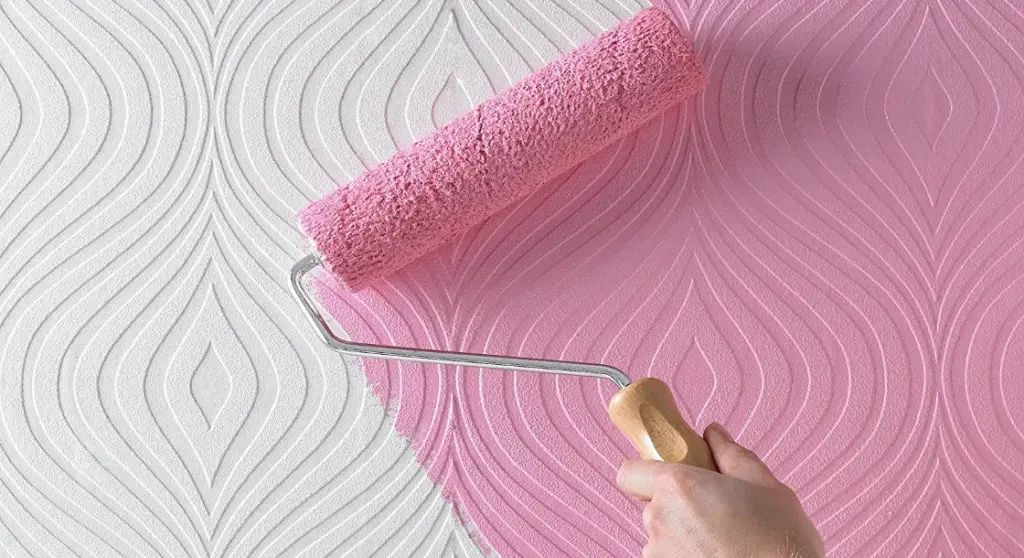
For homeowners looking to refresh the aesthetic of a room, choosing to paint directly over existing wallpaper can occasionally offer a significantly faster alternative to the arduous process of stripping old paper, repairing the underlying plaster, and applying fresh coats of paint. However, industry professionals and seasoned decorators emphasize that this shortcut is not universally applicable. Taking a shortcut without thoroughly evaluating the condition of the walls can lead to costly and frustrating pitfalls down the line. Before picking up a roller, homeowners must weigh several critical factors to ensure the final result meets expectations and stands the test of time.
The primary consideration before undertaking such a project is the current physical state of the wallpaper. Experts advise that the paper must be in sound condition, entirely free from rips, tears, and extensive damage. If the existing wall coverings are heavily worn or compromised, attempting to paint over them is rarely a viable solution. In such cases, stripping the compromised material and addressing the bare walls beneath remains the superior course of action. Furthermore, painting over wallpaper that is already peeling in multiple areas is strongly discouraged. Widespread peeling indicates that the underlying adhesive paste is failing, which may stem from the use of inferior paste during the original installation or persistent moisture issues within the room.
While widespread peeling is a dealbreaker, isolated issues require a different approach. If the lifting or peeling is localized to a single, minor area, it is sometimes possible to carefully re-secure the loose section using fresh wallpaper paste before proceeding. Homeowners must execute this step with precision to prevent air bubbles from forming beneath the surface and allow the adhesive to dry completely before any paint touches the wall. Regarding the type of paper best suited for this technique, plain and flat varieties present the most accommodating canvas. Nevertheless, textured and patterned papers can also be painted over, provided the homeowner is comfortable with the underlying texture remaining visible through the new finish.
Preparing Wallpaper for Painting
Assuming a thorough inspection confirms that the wallpaper is stable, securely adhered, and in good overall condition, the required preparatory work remains relatively straightforward compared to a full stripping job. With the room properly cleared and protected using decorator’s masking tape around trims, switches, and baseboards, attention shifts directly to the application phase. Proper preparation ensures that the subsequent layers bond correctly and yield a uniform appearance across the entire surface of the room.
Priming Wallpaper for Painting
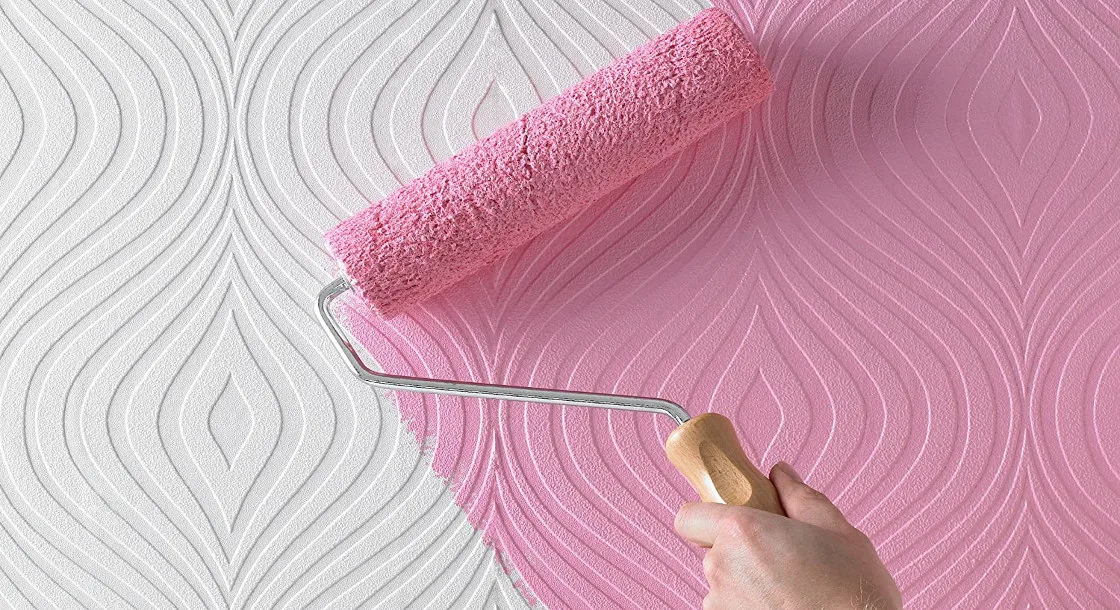
Even when working with light-coloured or unpatterned wallpaper, applying at least one foundational coat of primer is strongly recommended by painting professionals. Priming ensures a clean, consistent finish when the final topcoat is applied and significantly improves the coverage of the paper.
However, the choice of primer is critical. Water-based primers carry the risk of soaking too deeply into the wallpaper, which can reactivate the underlying paste and compromise its adhesive properties. To avoid bubbling or lifting during the painting process, experts consistently recommend utilizing an oil-based primer. Products such as specialized all-in-one primers and sealers provide a reliable barrier, effectively locking down the surface. Decorators should apply at least one—and ideally two—coats of primer, allowing the product to dry completely before advancing to the final color application.
How to Paint Over Wallpaper
Once the primer has cured entirely, homeowners can select their desired topcoat paint color and begin transforming the space. The application follows standard painting techniques, utilizing rollers for broad wall surfaces and brushes for edges and corners, ensuring even coverage over the primed wallpaper foundation.
Problems With Painting on Top of Wallpaper
While careful planning and meticulous preparation generally lead to a successful outcome, specific challenges can occasionally arise when painting directly over wallpaper. Fortunately, most of these issues can be mitigated or corrected with minor adjustments and a little extra effort.

Gaps Between Wallpaper Strips
Under ideal circumstances, wallpaper is installed with tight seams. However, as wallpaper dries following its initial installation, it can occasionally experience slight shrinkage, resulting in thin gaps between adjacent strips. While this minor separation does not automatically rule out painting over the surface, it does require deliberate attention before the project is considered complete.
Assuming the rest of the wallpaper is secure and firmly affixed to the wall, a standard wall filler can be employed to conceal the gaps between the sheets. Professionals advise performing this corrective step after the primer has been applied and allowed to set. Once the filler is dry, it must be carefully sanded back until it is perfectly flush with the surrounding paper. Any raised filler will create a noticeable and unsightly blemish once the final topcoat is applied, making patience and precision during the sanding process essential for a professional-grade finish.