When Mikiko Ino, president and director of the New York nonprofit KinoSaito, lost her husband, the late abstract painter and the organization’s co-founder Kikuo Saito, she found herself confronting a profound existential question that haunts the entire cultural sector. Dealing with the immense grief of her personal loss alongside the daunting professional responsibility of managing an artistic estate, she turned to the words her husband had often repeated during his lifetime.
"Kikuo always said there are two deaths: the first is physical, and the second is when nobody talks about you," Ino recalled. "I decided to never give him the second death."
Ino’s deeply moving and candid testimony forms just one part of a vital new picture emerging from the arts community. Her experience is captured in a comprehensive report published by the Joan Mitchell Foundation, titled "Creating Future Memory." The 80-page document zeroes in on the persistent obstacles, educational gaps, and structural inequities that dictate not only who gets to be remembered in the annals of art history, but how that memory is preserved, funded, and institutionally sustained.
Published on September 15, the report draws insights from a total of 145 artists, family members, curators, arts administrators, and other legacy workers who shared their experiences and challenges. Through their collective voices, the publication outlines three primary systemic challenges faced by those tasked with stewarding artist legacies: access to essential knowledge, the availability of funding and resources, and opportunities for coordination and collaboration across the broader cultural landscape.
The research was co-authored by Solana Chehtman, the Joan Mitchell Foundation’s Director of Artist Programs, and Sharon Mizota, an art writer, diversity, equity, and inclusion (DEI) metadata consultant, and a contributor to Hyperallergic. This new publication expands significantly on the Foundation’s longstanding commitment to the field, notably building upon its pioneering Creating a Living Legacy (CALL) program, which dates back to 2007 and was designed to assist artists with studio organization, documentation, and legacy planning.
Most urgently, the report sheds light on the precarious state of the various systems that underpin artist legacy planning. Chehtman describes these foundational systems as being deeply underdeveloped, chronically underfunded, and oftentimes completely inaccessible to artists and professionals working outside the mainstream of the commercial art market.
The implications of these structural shortcomings extend far beyond individual estates, touching on questions of historical equity and representation. For decades, the canon of art history has been shaped by well-resourced institutions, commercial galleries with deep pockets, and market forces that tend to favor already-established narratives. For artists working outside these privileged circles—including marginalized creators, regional artists, and those who operated without significant commercial representation during their lifetimes—the path to securing a lasting legacy is fraught with invisible barriers.

These barriers begin long before an artist passes away. Legacy planning requires specialized knowledge regarding archival preservation, estate law, digital cataloging, and institutional giving. Yet, this kind of expertise is rarely taught in traditional arts education programs, leaving many artists and their families entirely unprepared when they are suddenly forced to manage a massive body of creative work. When an artist dies without a clear plan, surviving family members often inherit a daunting physical and financial burden. Sorting through decades of paintings, sketches, correspondence, and ephemeral materials requires time, money, and emotional resilience that grieving loved ones may simply not possess.
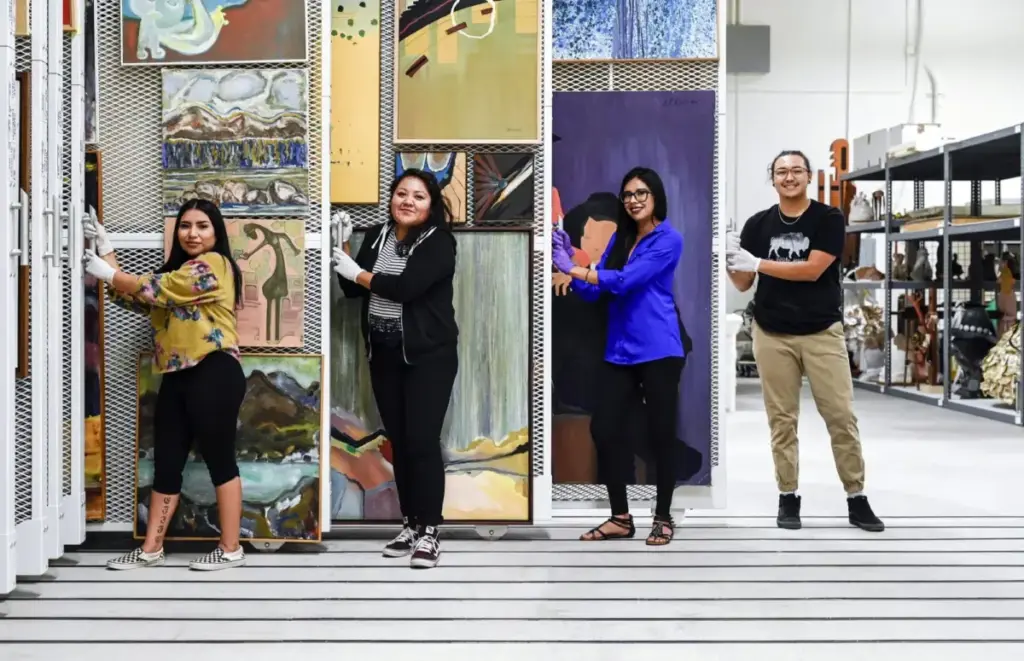
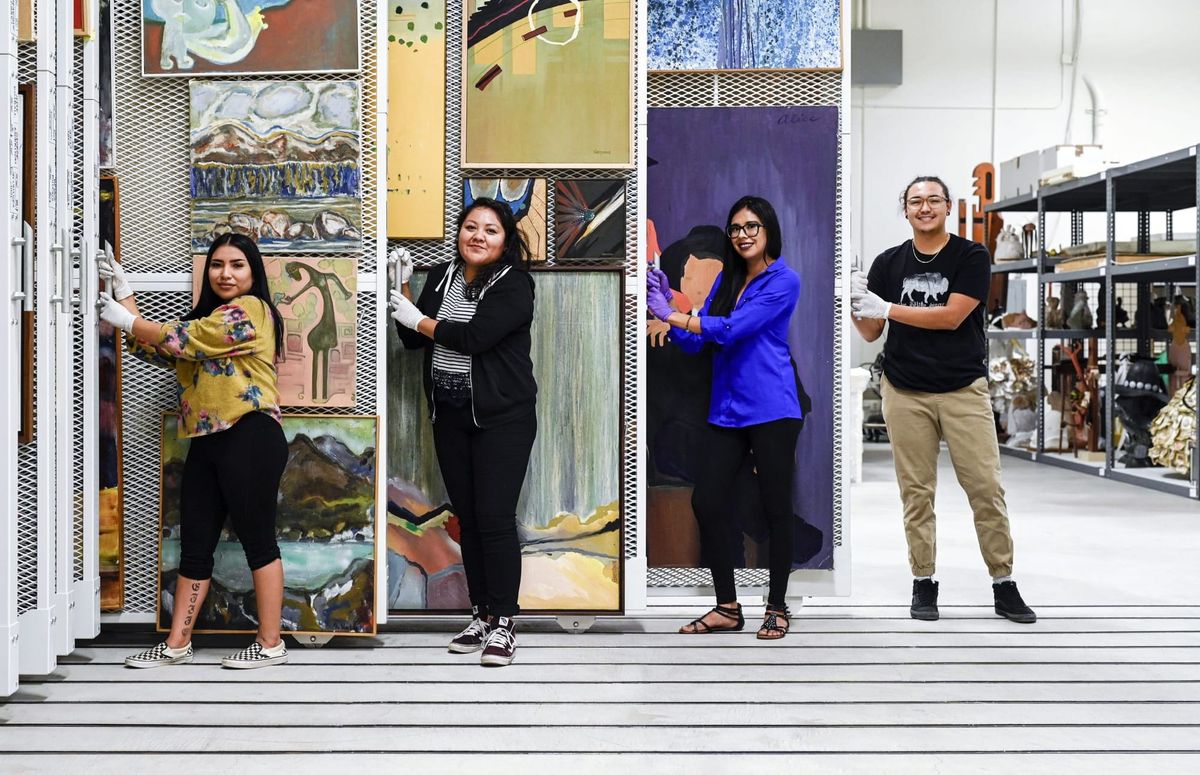
Furthermore, the report emphasizes that the infrastructure required to support these efforts is severely lacking. While blue-chip galleries and major museums routinely allocate substantial budgets to preserving the legacies of household names, independent nonprofits, artist-run spaces, and smaller community organizations often struggle just to keep their doors open. These smaller entities frequently become the default stewards for regional or under-recognized artists, operating on shoestring budgets without the necessary technological tools, climate-controlled storage, or archival staff to properly safeguard historical materials.
The findings also highlight a critical need for greater coordination and collaboration within the cultural sector. Too often, artist estates, archives, and community organizations operate in isolated silos, duplicating efforts or missing opportunities to pool resources and share best practices. Without networks of mutual support and shared knowledge, the work of preserving diverse art histories remains fragmented and overly reliant on individual heroism rather than robust, sustainable systems.
By bringing these hidden struggles to light, "Creating Future Memory" serves as both an urgent wake-up call and a roadmap for systemic reform. Through the candid reflections of individuals like Mikiko Ino and the extensive data gathered from dozens of arts workers, the Joan Mitchell Foundation’s report challenges the broader cultural community to rethink its responsibilities. It forces a reckoning with the uncomfortable reality that historical memory is too often dictated by privilege and wealth, while offering a vision for a more equitable future where the vital contributions of a much broader and more diverse group of artists can be recognized, valued, and remembered.