When it comes to upgrading, renovating, or simply rearranging a room, deciding where to install a new radiator is typically left entirely to personal preference. Homeowners may find compelling reasons to place a heating unit opposite a window or along the specific wall designated for a future sofa layout. However, heating specialists and thermodynamic experts emphasize that following established guidelines for radiator positioning can make a dramatic difference in overall comfort and energy efficiency. By carefully considering where heating units are placed within domestic spaces, property owners can maximize warmth while potentially trimming down their household energy bills.
Does it Matter Where You Place a Radiator?
It is easy to assume that a radiator will heat a room efficiently no matter where it is installed. Yet, positioning the primary heat source of a living space in the wrong location can severely undermine its operational effectiveness. While mastering thermodynamics is not a prerequisite for home improvement, understanding how hot air naturally behaves—and how it interacts with cold air currents—is vital for maintaining a comfortable indoor climate.
When a radiator fails to deliver the expected level of warmth, occupants often jump to conclusions about its location when the issue may simply be trapped air. Maintaining a central heating system requires routine checks, and knowing how to bleed a radiator quickly and effectively remains an essential skill for ensuring hot water circulates properly through the panels. Beyond basic maintenance, however, architectural placement dictates how successfully that heat is distributed throughout the entire room.
Why Install a Radiator Under a Window?
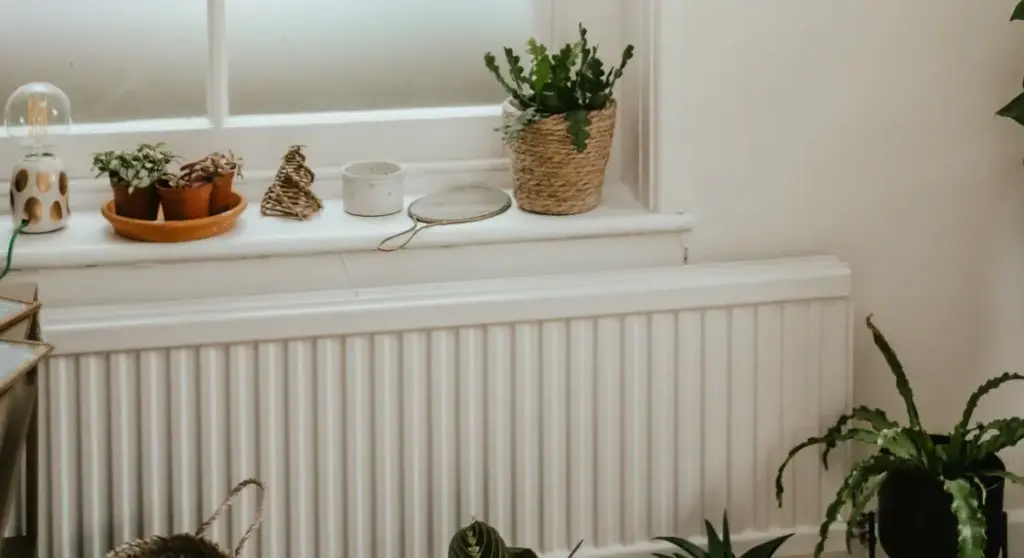
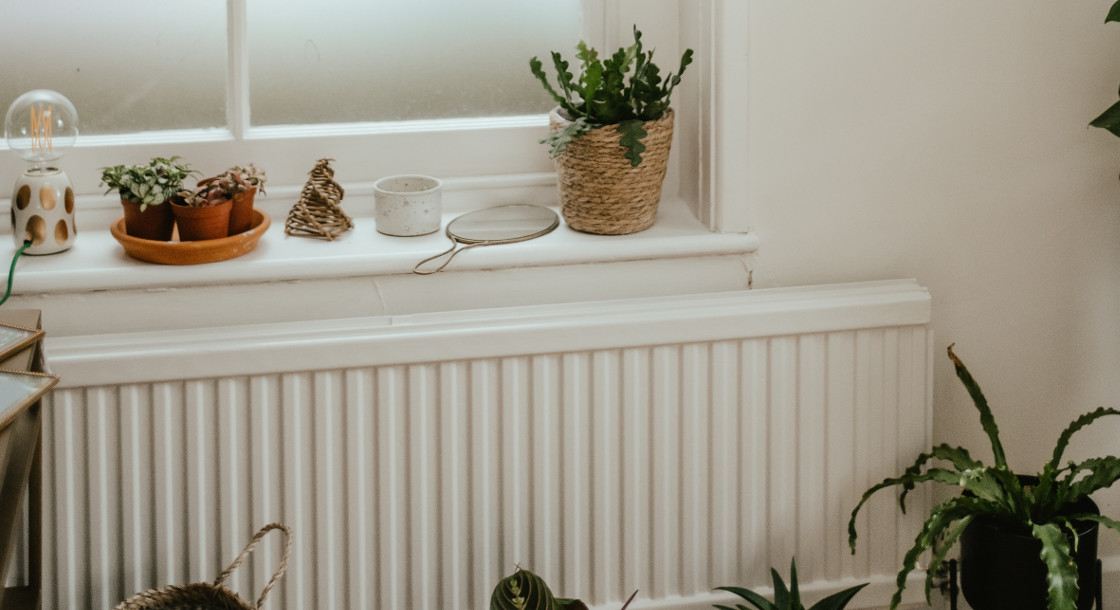
Although positioning a radiator beneath a window is a standard practice across the United Kingdom, a persistent misconception suggests this approach wastes thermal energy as heat rises directly against cold glass. In reality, industry experts confirm that placing a heating unit beneath a window delivers optimal results in the vast majority of cases, even within modern residences featuring advanced double- or triple-glazed window installations.
The underlying physics involve convection and thermal currents. Warm air rising continuously from the radiator acts as a thermal barrier, actively counteracting the cold air cascading downward from the windowpane. By intercepting this descending draft, the warm air significantly reduces the chance for chilly drafts to spread across the floor and into the broader living space. While modern window insulation makes this phenomenon less obvious to the naked eye, the effect remains critical, particularly for occupants living in period properties outfitted with traditional single-glazed windows.
An additional, highly practical benefit of installing a radiator under a window is spatial efficiency. In most interior layouts, the wall space beneath a window is left unencumbered by bulky furniture, allowing homeowners to make optimal use of available floor area. Even if a particular wall remains free of furniture at the moment of installation, future room reconfigurations are far easier to manage when the primary heat source does not occupy valuable wall space needed for larger furnishings.

While placing a large piece of furniture directly in front of a radiator is not a structural catastrophe, it undeniably creates a physical barrier that restricts the free circulation of thermal currents into the room.
When to Install a Radiator Opposite a Window
The precise placement of a new radiator becomes less critical in properties equipped with modern double-glazed windows, primarily because tightly sealed glass drastically reduces the volume of cold air seeping into the interior while retaining maximum warmth.
Conversely, in buildings lacking double-glazing, interior designers and heating engineers generally advise against positioning a radiator directly opposite a large window. The combination of warm air rising on one side of the room and cold air falling rapidly on the opposite side can amplify natural convection currents, inadvertently generating an uncomfortable, noticeable draft circulating through the space.
When room dimensions or architectural constraints leave no alternative but to place a radiator opposite a window, homeowners can mitigate these unintended drafts by installing a shelf slightly above the top of the radiator. This architectural addition effectively disrupts the looping flow of circulating air, forcing the rising heat outward into the center of the room rather than letting it merge directly with the descending cold current from the window.
Which Style of Radiator is Better?
Domestic heating units have evolved significantly from the uniform era of standard flat, rectangular panels that dominated interior walls for decades. Today, homeowners can select from an extensive array of sizes, shapes, and configurations designed to complement diverse architectural aesthetics and heating demands.
Despite the vast market selection, experts note there is no single "best" style or dimension universally applicable to every home. The ideal choice depends entirely on room dimensions, architectural style, room layout, desired interior decor, and the thermal insulation quality of the building envelope. In contemporary homes featuring high levels of thermal insulation, upright vertical radiators have grown increasingly popular because they consume minimal wall space while serving as a striking visual feature. Meanwhile, Victorian terraced houses and period properties often pair best with traditional cast-iron style radiators that respect the historical integrity of the architecture.
Where You Should Avoid Placing a Radiator
Regardless of their aesthetic style or vertical configuration, all hydronic radiators operate on the same fundamental principles of heat transfer. Consequently, certain environmental placements and architectural obstructions can prevent even the most powerful radiator from efficiently warming a room.
Placing a radiator behind a sofa or other oversized furniture pieces is a frequent temptation when trying to conceal utilitarian hardware, but this practice severely compromises heating efficiency. Although heat will continue to rise from the top of the unit, the bulk of thermal energy emitted from the front panel is absorbed directly by the furniture, leaving the remainder of the room uncomfortably cool.
Similarly, full-length curtains that drape down to the floor directly in front of a radiator produce a comparable blockage. Instead of allowing thermal waves to project outward into the living space, floor-length drapery traps the rising heat and channels it upward toward the window recess. The heavier and thicker the curtain fabric, the more pronounced this heat-blocking effect becomes, leading to wasted energy and colder living areas.
Finally, installing a radiator behind an interior door should be avoided whenever possible. While compact rooms sometimes present no alternative wall space, placing a heating unit on a wall that opens outward toward an unheated hallway results in significant thermal loss directly through the exterior wall structure. Furthermore, if the interior door remains open against the radiator for extended periods, the physical barrier restricts the natural outward flow of warm air into the room it is intended to heat.