In the fast-paced and highly visual world of interior design, the transition from a passionate creative endeavor to a thriving, scalable business is rarely a straightforward path. For many talented designers, the initial spark of starting a studio is fueled by an eye for aesthetics, spatial planning, and a deep love for transforming environments. However, as independent ateliers evolve into bustling firms managing multiple high-stakes projects, the operational realities of running a business quickly come to the forefront. These behind-the-scenes challenges—ranging from operational bottlenecks and pricing missteps to team dynamics and strategic hiring—often serve as the ultimate test of a firm’s long-term viability.
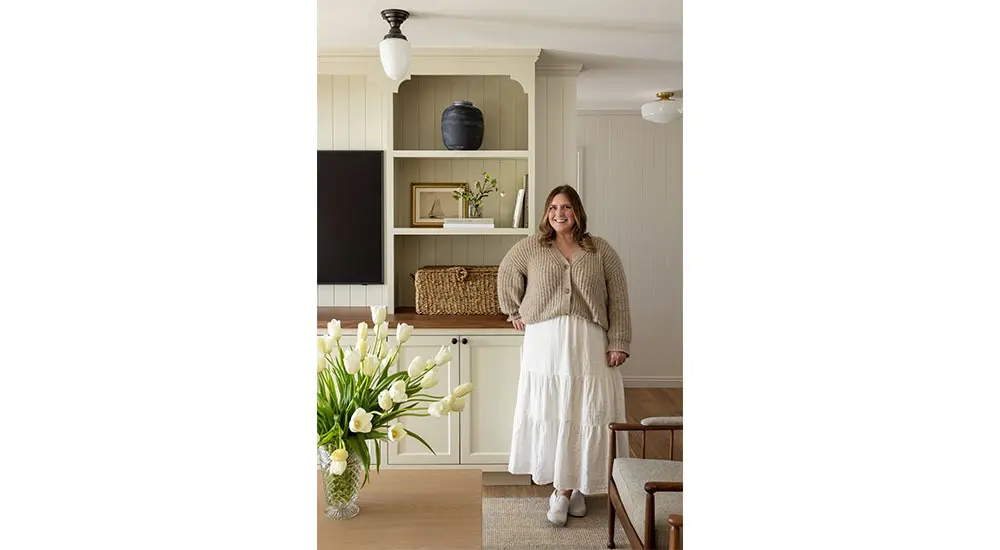
Addressing these critical business hurdles is the focus of a recent episode of the From the Tap podcast, where host discussions center on the operational blind spots that frequently trip up design professionals. In this installment, the program features Ali Faulkner, founder of Newport Beach, California-based AEF Interiors. Having successfully navigated the steep learning curve required to build her enterprise into a seven-figure firm, Faulkner brings a uniquely qualified perspective to the table. During the conversation, she pulls back the curtain on the hidden pitfalls that hamper studio success and shares actionable insights on how creative entrepreneurs can resolve them to achieve sustainable growth.
Navigating the Operational Realities of Growth
As creative businesses expand from small-scale operations into larger, more complex firms, the journey almost invariably reveals unexpected operational hurdles. For AEF Interiors, scaling from a boutique design practice into a robust enterprise exposed several distinct blind spots that many interior designers encounter as they take on larger portfolios. In the early stages of business expansion, common missteps—such as underestimating the critical importance of scalable systems and failing to properly diagnose workflow bottlenecks—frequently resulted in lost billable time and missed opportunities.
These early growing pains underscore a broader truth for the design industry: proactive operational planning is non-negotiable. As the volume of incoming projects and client expectations increases, businesses that rely solely on reactive problem-solving often find themselves overwhelmed. Faulkner’s early experiences highlight that building a resilient foundation requires anticipating future demands rather than simply scrambling to keep up with day-to-day chaos. Without standardized processes and reliable workflows, even the most talented creative teams can find their momentum stifled by administrative friction.
Rethinking Pricing Strategy and Financial Clarity
One of the most recurring and challenging themes for design professionals centers on the complexity of pricing strategy. Like many creative entrepreneurs embarking on business expansion, Faulkner initially found herself falling into common financial traps. These included undervaluing her creative services, failing to account for hidden overhead costs, and struggling to communicate the true scope of work to clients clearly. In an industry where time, creativity, and project management intertwine seamlessly, putting a precise dollar figure on services can feel intensely personal, often leading to underpriced proposals that erode profit margins.
Recognizing these vulnerabilities, Faulkner took a step back to reevaluate her financial approach. Through candid conversations with industry peers and a rigorous analysis of her firm’s operational costs, she successfully recalibrated her pricing strategy. Her new approach shifted the focus heavily toward value-based fees and transparent, upfront communication with clients. This fundamental shift not only dramatically improved the firm’s overall profitability but also significantly enhanced client relationships. By establishing clear, fair, and transparent expectations from the very beginning of a project, misunderstandings were minimized, paving the way for smoother collaborations and higher client satisfaction.
Ali Faulkner on Strategic Hiring and Leadership
As design firms continue to grow, a tipping point is inevitably reached where expanding the team transitions from an optional luxury to an absolute necessity. However, Faulkner’s experience reveals that growth is not just about bringing on more designers to draft floor plans or select finishes; rather, it is about hiring professionals who can strategically bridge the gap between executive leadership and the broader team. At a particularly pivotal juncture in her firm’s development, Faulkner brought in an individual uniquely positioned to connect management with staff, ensuring much smoother internal communication and vastly more efficient daily operations.
Prior to making this strategic hire, AEF Interiors experienced familiar growing pains, including fragmented internal processes and unclear staff roles that occasionally created friction. Following the onboarding of this key leadership support, day-to-day operations transformed into a cohesive, well-oiled machine. The structural clarity led to a noticeable boost in team morale and substantially streamlined project delivery timelines.
For designers who currently feel overwhelmed by the sheer weight of running their businesses, Faulkner recommends starting with a systematic audit of their daily stress points and operational inefficiencies. Whether the primary source of anxiety stems from financial management, project tracking, or client communication, addressing these specific pain points systematically can help a business pivot from a reactive state to a proactive one. Investing in the right talent, leveraging appropriate technology, and implementing robust internal systems remain essential steps for any creative entrepreneur looking to regain control and foster long-term, sustainable growth.
Balancing Business Acumen with Creative Vision
As a sought-after speaker at prominent industry events such as the Kitchen and Bath Industry Show (KBIS) and the High Point Market, Faulkner is frequently approached by fellow designers seeking advice on operational challenges and growth strategies. The questions she encounters most often tend to revolve around predictable themes: how to successfully scale a creative firm, how to establish firm and professional boundaries with demanding clients, and how to cultivate a supportive, productive team culture. These frequent inquiries highlight a shared, industry-wide desire among designers to strike a healthy balance between unbridled creative expression and sharp business acumen.
In the digital age, marketing channels like social media—and Instagram in particular—have played a monumental role in the brand development and client acquisition efforts of firms like AEF Interiors. Yet, when sharing her experiences with other designers, Faulkner is careful to separate social media strategy from core operational discussions. She points out that while platforms like Instagram are undeniably invaluable for building brand visibility and attracting prospective clients, mastering the fundamental "nuts and bolts" of running a design firm—such as strategic pricing, thoughtful hiring, and continuous process improvement—remains the true foundation for lasting, meaningful success.
To hear the complete, in-depth conversation with Ali Faulkner and gain further insights into building a successful design business, listeners can tune into the latest episode of the From the Tap podcast. The episode is currently available on Spotify, Apple Podcasts, Pandora, and various other major podcast streaming platforms.