As the intense heat of summer begins to fade and cooler days settle in, many gardeners naturally assume that the growing season has drawn to a close. In reality, autumn can be one of the most productive and rewarding times of the year to maintain an active garden. With the arrival of cooler days, softer ambient light, and a noticeable drop in common garden pests, gardeners have several seasonal advantages working in their favor. By implementing a thoughtful plan and utilizing the right protective tools, growing beds can remain remarkably productive well into the colder months.
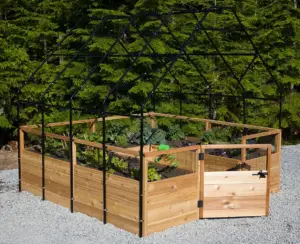
Among the most effective strategies for maintaining late-season productivity is the strategic deployment of greenhouse covers. Whether an operation relies on a simple row cover, a hoop-style mini greenhouse, or a full protective enclosure tailored for raised garden beds, these structures create a gentler, stabilized microclimate. This controlled environment allows sensitive plants to continue thriving even as outdoor temperatures begin their inevitable descent toward winter.
Fall: A Season of Renewed Growth
For experienced horticulturists, autumn is viewed not merely as the conclusion of the gardening cycle, but rather as a vital seasonal reset. As temperatures drop, many plant species naturally shift their biological focus from producing leafy top growth to developing robust root systems. This developmental shift helps plants establish a strong, resilient foundation capable of surviving harsh winter conditions and bursting forth with renewed vigor when spring arrives. By investing time and effort into fall planting and garden preparation, growers effectively give their landscape a substantial head start for the following year.
Rather than signaling dormancy, this period offers an opportunity to optimize bed space and establish cool-season varieties. With just a modest amount of structural preparation, fall garden beds can deliver immediate harvests while simultaneously laying the groundwork for a successful spring awakening.
Choosing the Right Crops
The foundation of any successful autumn garden lies in the careful selection of cool-season crop varieties. These resilient plants are naturally adapted to tolerate chilly weather and can often improve in flavor after being exposed to a light frost. Incorporating crops that thrive in lower temperatures ensures that the garden remains active and productive long after summer vegetables have faded.
When planning an autumn layout, gardeners typically select a diverse mix of leafy greens and root vegetables that can share space efficiently within raised beds. Checking regional frost dates helps growers time their planting schedules effectively, allowing them to sow seeds in small, staggered waves to secure continuous harvests throughout the season. Pairing upright greens with compact root crops also maximizes the available surface area in raised structures, ensuring that every square foot of soil is utilized to its fullest potential.
Greenhouse Covers: Your Fall Advantage
Implementing greenhouse covers offers a distinct operational advantage for anyone looking to extend their autumn harvest. These covers function by creating a stable, protected microclimate that shields vegetation from harsh environmental shifts, allowing delicate plants to flourish as ambient temperatures decline.
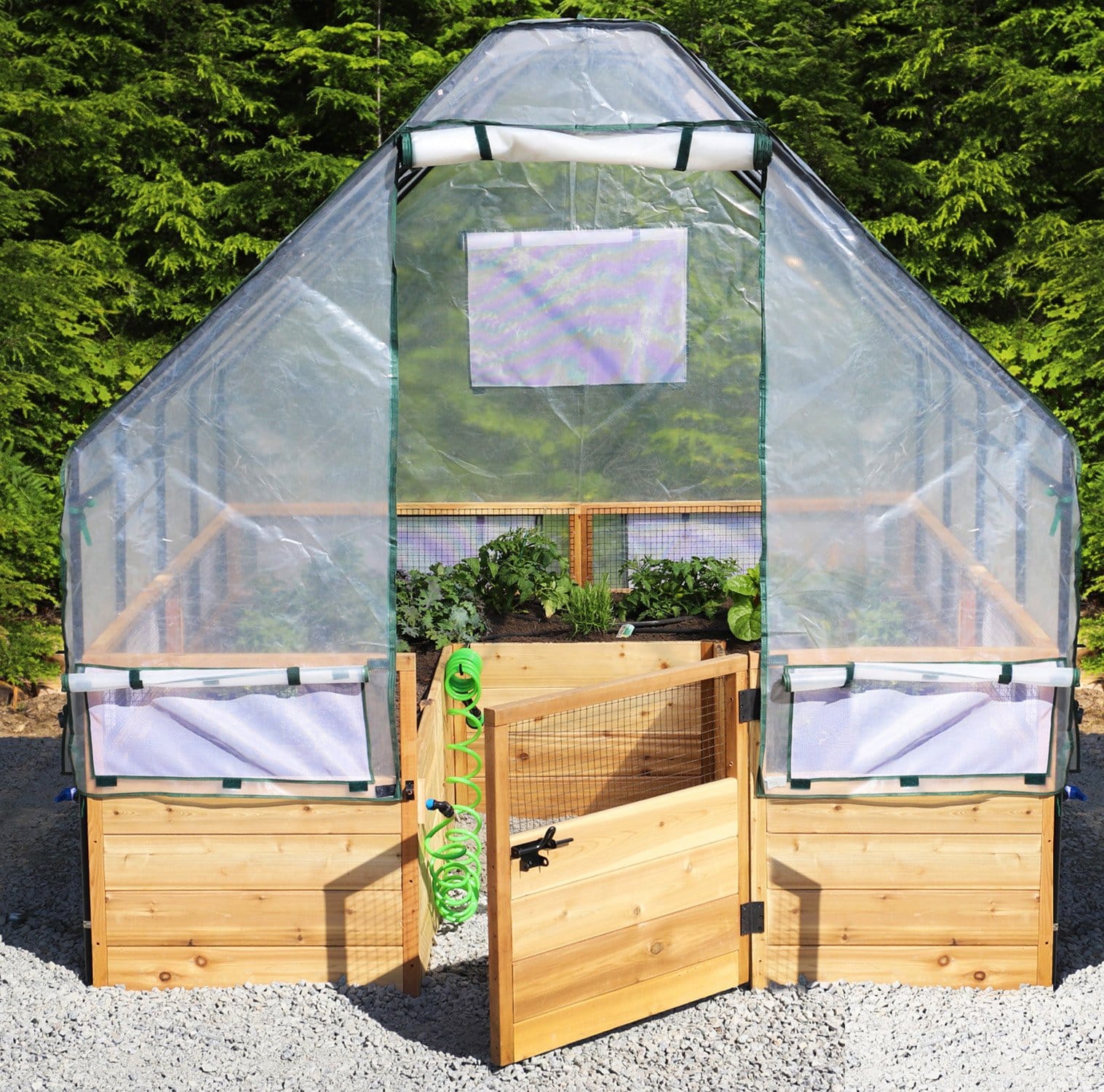
One of the primary benefits of utilizing these covers is frost protection, which safeguards tender plants from unexpected early frosts and sudden, damaging cold snaps. Additionally, these structures provide remarkable temperature stability, significantly reducing the dramatic fluctuations between daytime warmth and nighttime chill that can stress developing plants. By maintaining a more consistent thermal environment, the covers support steady, uninterrupted growth.
Beyond temperature regulation, covered structures also serve as an effective physical barrier against autumn pests, minimizing insect pressure and reducing the need for chemical sprays. Furthermore, these covers promote better moisture retention by significantly decreasing surface evaporation from the soil. This keeps the growing medium evenly moist for longer periods, reducing the frequency of watering required during drier autumn weeks. Ultimately, these combined benefits culminate in a significantly extended growing season, allowing many crops to thrive for weeks—and occasionally months—beyond their traditional calendar timeline.
How to Set Up Your Greenhouse Covers
Successfully deploying greenhouse covers requires careful attention to material quality and structural integrity. Growers begin by selecting covers designed to maximize light transmission while retaining sufficient thermal warmth, ensuring the material matches the specific dimensions and layout of their garden beds.
Proper installation is critical for long-term success. Frames and protective edges must be firmly anchored to withstand unpredictable autumn winds and heavy rain. Gardeners also need to ensure that the structure provides adequate vertical clearance, giving plants ample room to grow comfortably without pressing against the protective barrier.
Because enclosed environments can experience unexpected warmth during sunny autumn afternoons, active monitoring and ventilation are essential. Gardeners routinely open vents or partially lift the covers on warmer days to prevent overheating and excessive humidity buildup, securing the structures again before evening temperatures begin to drop.
Add Fall Style to Your Garden
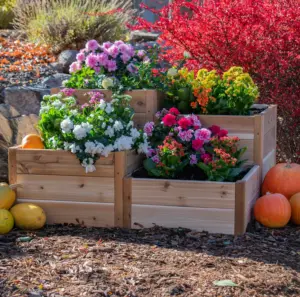
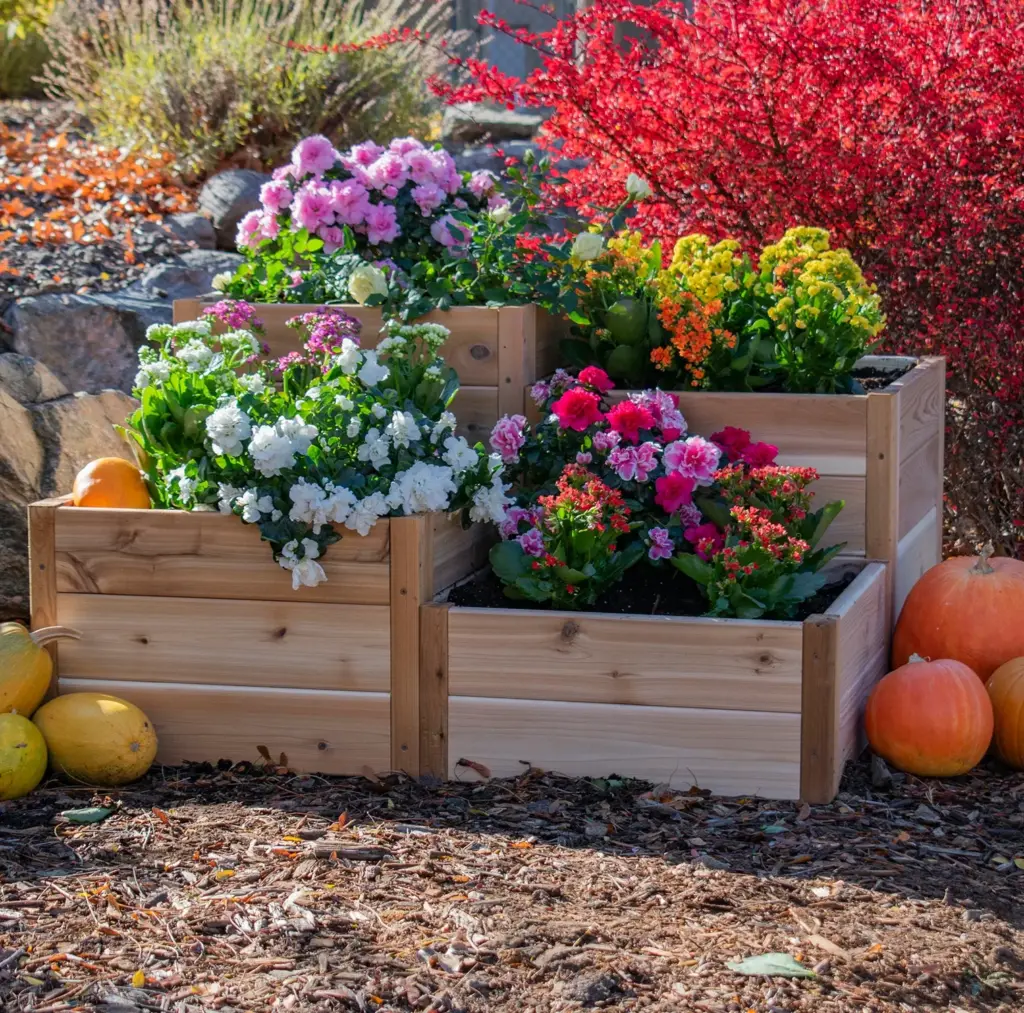
Maintaining a productive autumn garden does not require sacrificing aesthetic appeal. In fact, a fall garden can easily combine agricultural productivity with striking seasonal charm. Growers often incorporate decorative elements such as pumpkins, seasonal gourds, and vibrant displays of cold-hardy greens around their covered beds. This thoughtful integration creates a cozy, autumn-inspired focal point that enhances the overall appearance of the surrounding yard while keeping fresh produce accessible just outside the backdoor.
Extend Your Growing Season Even Further
Providing plants with the right structural protection during the transitional autumn months ensures they receive the care needed to endure the changing seasons. By combining strategic crop selection with durable covers and attentive maintenance, gardeners can maximize their yields and enjoy a vibrant, productive landscape throughout the entire year.