The increasingly common term “eco-friendly” has fundamentally shifted how people think about the products and practices they use every day. When applied to landscape architecture and hardscaping, the phrase brings to mind materials and techniques specifically chosen to minimize environmental impacts and reduce overall carbon footprints.
Landscape professionals note that while it is exciting to have a vast and diverse selection of garden materials available for modern designs and property improvements, many conventional options carry a significant planetary toll. Their creation, shipping, and installation demand intensive resources. By carefully evaluating how hardscaping choices affect natural resources, pollution, and local ecosystems, designers and homeowners can create outdoor spaces that are not only attractive and functional, but potentially more affordable over time.
Mark Dwyer, a landscape designer with 30 years of professional experience, has spent decades recommending countless decks, patios, paths, fences, and other hardscaping elements to clients. Throughout much of his career, he admits, those recommendations came with minimal guidance about the actual provenance of the materials used. However, in recent years, Dwyer has observed a notable uptick in clients expressing a strong interest in locally sourced materials and in repurposing or recycling elements for their landscape features.
Reclaimed Materials Emerge as Practical Eco-Friendly Options
This growing interest has manifested in creative ways. Some property owners have even begun accumulating reclaimed bricks, large concrete pieces, and other salvaged building components with the deliberate intent of incorporating them into new garden designs. Landscape experts find this trend encouraging, as it reflects a design philosophy that successfully balances the durability and longevity of products with a sharp focus on resource efficiency. These creative approaches are becoming more readily available and are increasingly sought out by eco-savvy gardeners looking to minimize waste.
Conventional hardscape materials possess a distinct "production history" that frequently comes with a heavy environmental cost. Whether purchasing lumber for a perimeter fence, edging materials for a flower bed, or pavers for a meandering walkway, the lifecycle footprint encompasses much more than the finished product sitting in the yard. That history includes the energy and resources consumed during initial manufacturing, the emissions generated by shipping and long-distance transport, and ultimately, the challenges of disposal or reuse at the end of the materials’ useful lives.
Finding lower-impact materials certainly takes some research, but design professionals emphasize that sustainability does not have to come at the expense of structural durability or functional performance. Interestingly, many eco-friendly options prove to be more cost-effective over the long run due to lower ongoing maintenance requirements and enhanced longevity.
Exploring Recycled and Responsibly Sourced Lumber
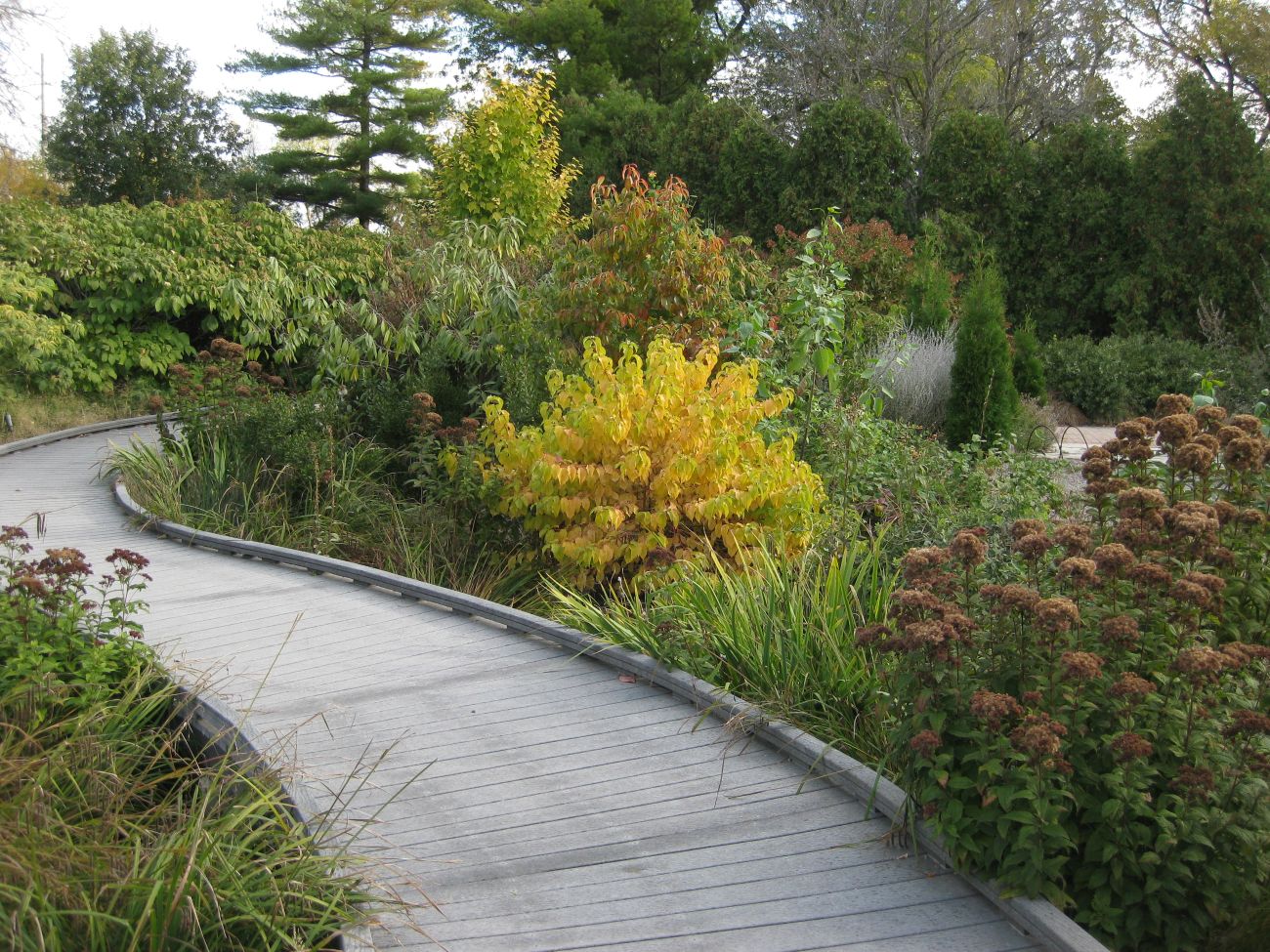
Hardscaping elements such as elevated decks and privacy fences serve as prime examples of areas where alternative materials are making headway. Decades ago, the primary question for clients in the Midwest was simply whether to choose cedar or treated pine for most fence or deck installations. Today, the evolution and wider availability of composite decking and recycled plastic lumber have created increasingly popular alternatives that reduce reliance on virgin timber.
Of course, the manufacturing process for composite lumber is not entirely carbon neutral, and its ultimate environmental benefits depend heavily on the specific compounds and industrial procedures involved. Nevertheless, products that successfully incorporate recycled content help reduce overall demand for virgin resources, while their inherent durability offers distinct advantages over time.
For property owners who still prefer traditional wood features, another viable path involves seeking out responsibly sourced, third-party-certified lumber. Materials carrying certifications from organizations like the Forest Stewardship Council (FSC) ensure that the wood and associated products were harvested, processed, and tracked in strict accordance with established environmental and social sourcing standards.
Choosing Permeable Paving and Reclaimed Masonry
Patios represent another immensely popular garden feature, and while traditional installations utilizing new concrete pavers or bricks remain widespread, a broader range of choices is now influencing modern landscape design. Environmental advocates stress the importance of considering the permeability of pavement selections, especially as stormwater runoff and localized erosion present mounting challenges for municipal infrastructure and residential properties alike.
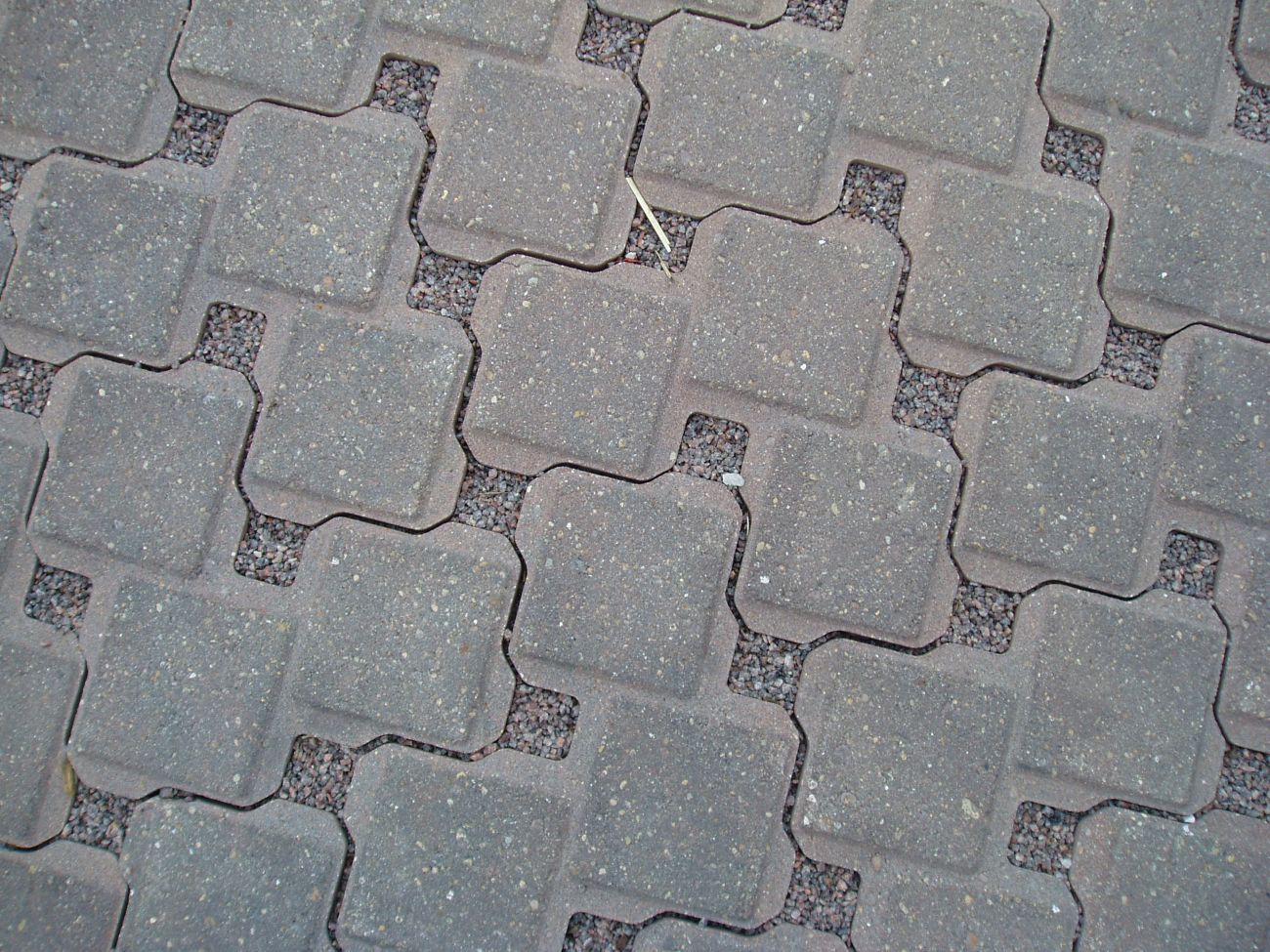
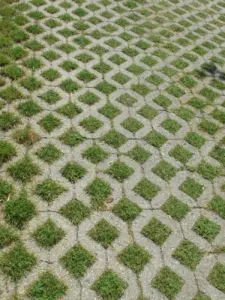
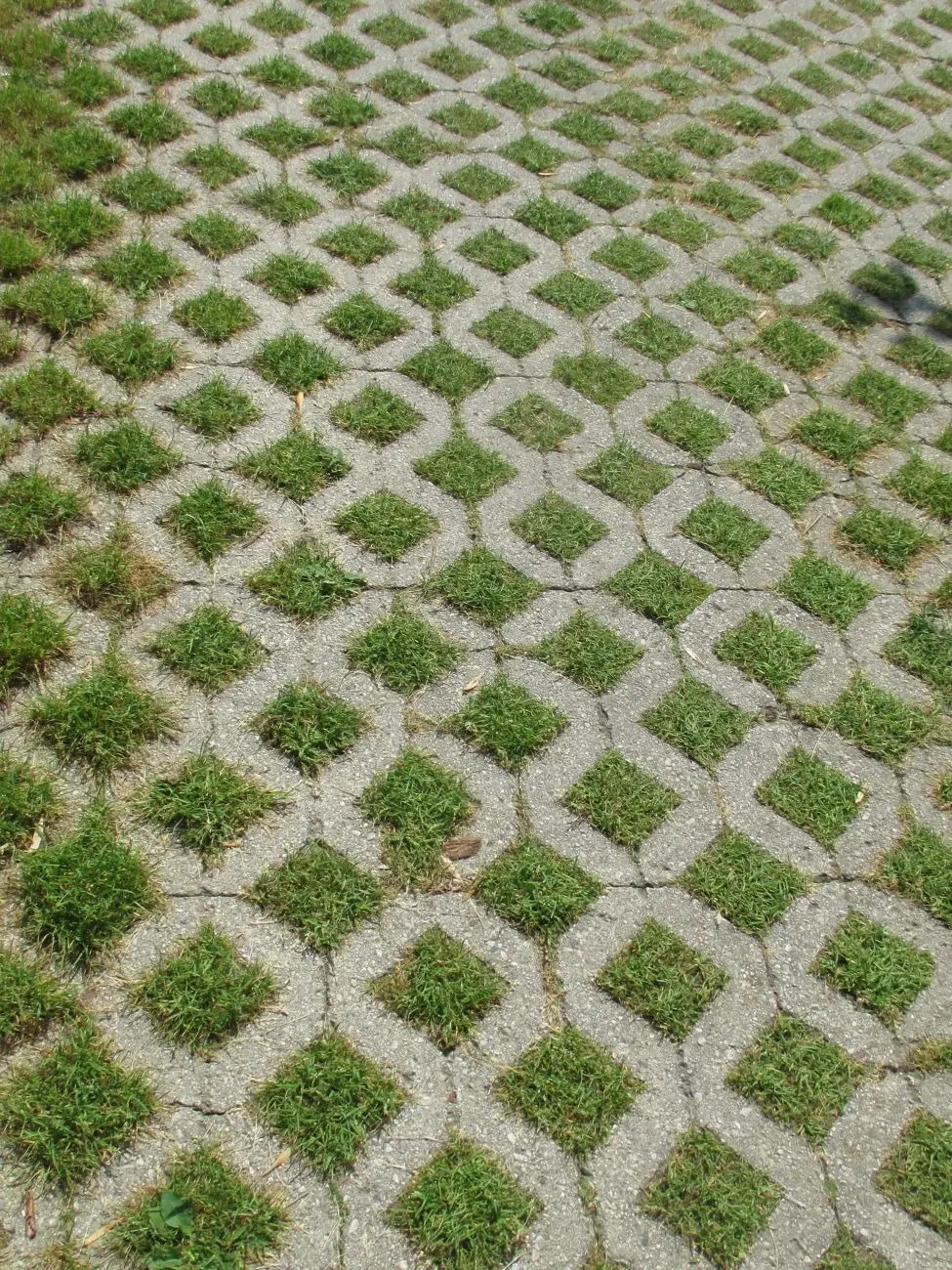
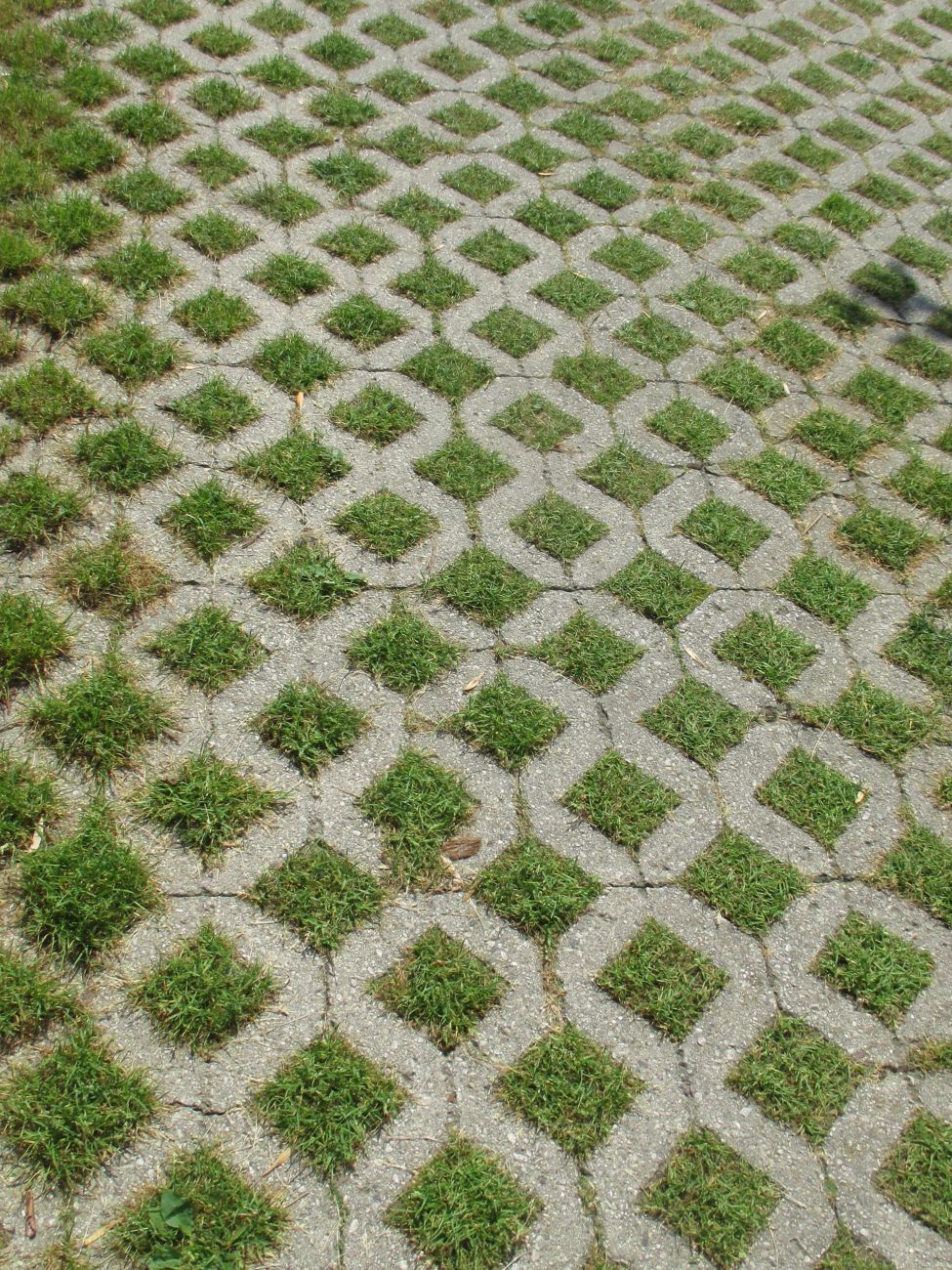
Permeable pavers, open-grid paving systems, and specific types of pervious concrete allow rainwater to pass directly through the surface layer and into underlying aggregate bases. When properly installed and maintained, these systems significantly reduce surface runoff. In some applications, open-grid concrete pavers allow turfgrass to grow right through the pavement, creating a reinforced surface that handles light traffic while simultaneously managing stormwater. Similarly, interlocking concrete pavers with open gravel joints encourage water infiltration, mitigating the pooling issues common with solid concrete slabs.
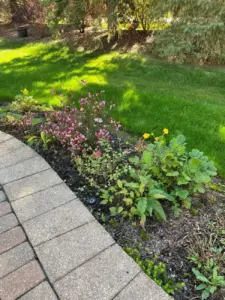
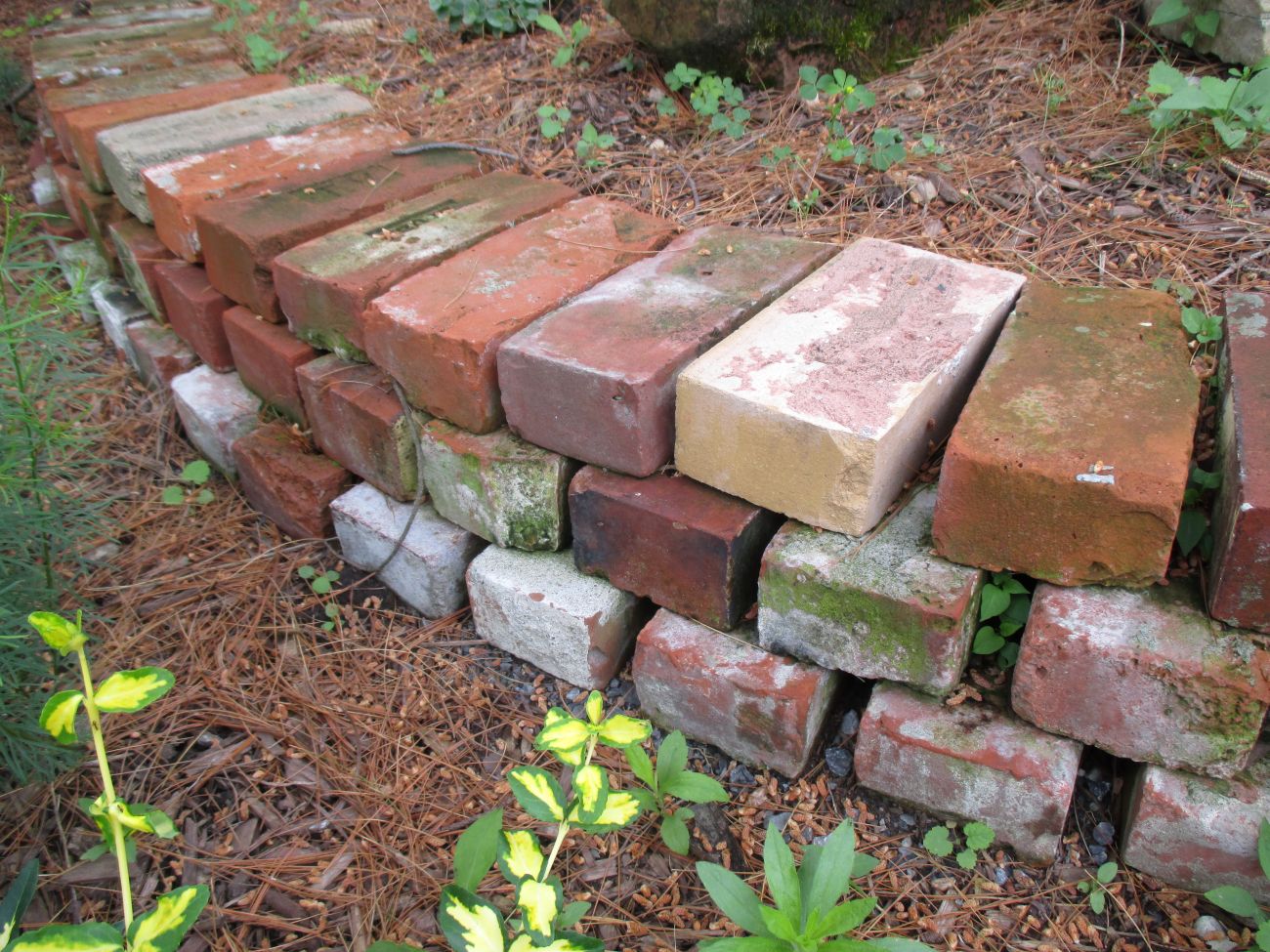
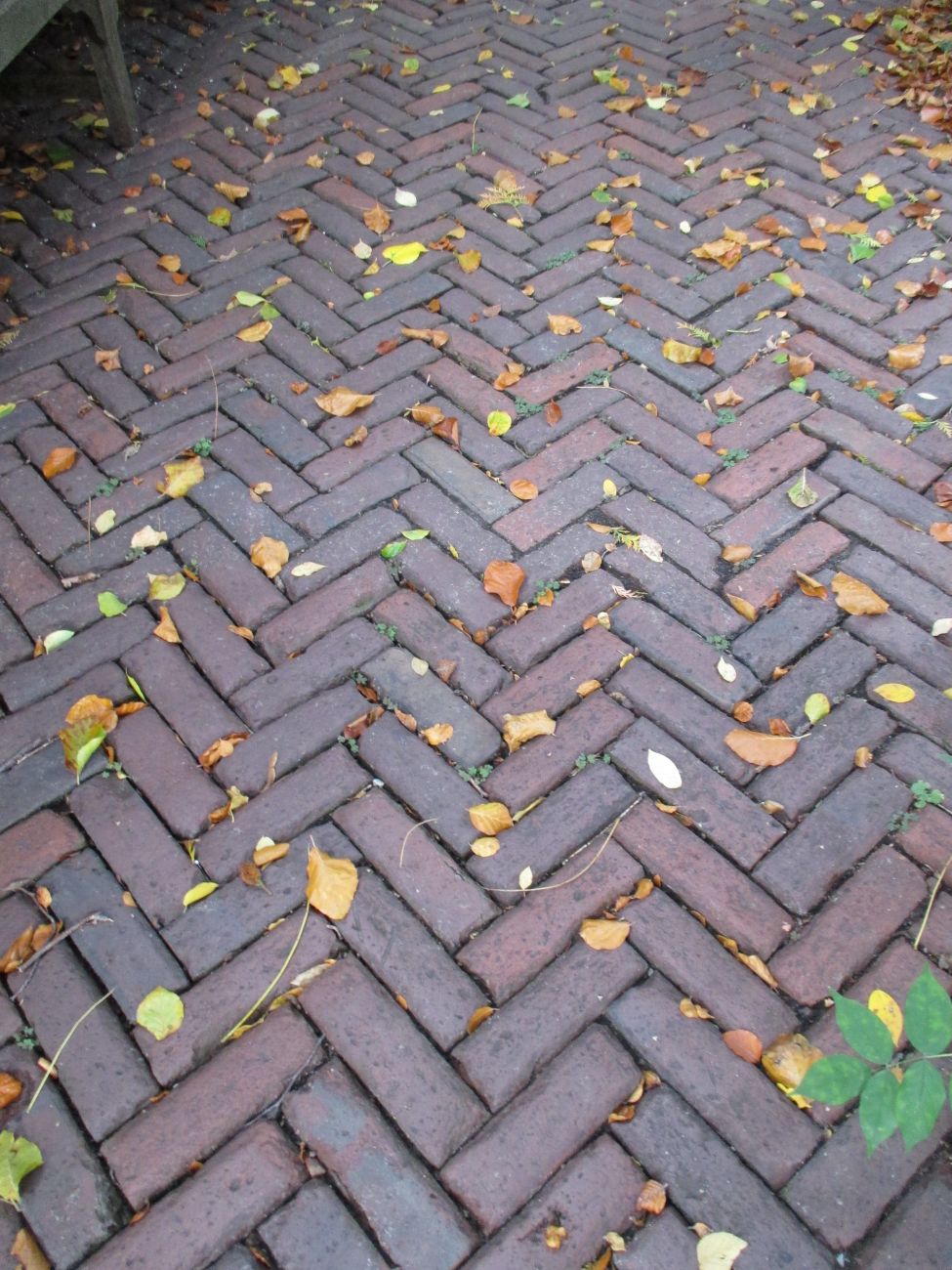
Repurposing brick or other masonry materials salvaged from earlier construction projects also provides an exceptional opportunity to inject vintage character into a landscape while potentially saving money. One of Dwyer’s clients managed to acquire more than 4,000 free vitrified clay pavers dating back to the early 1900s—materials that had originally paved city streets. Reused for residential paths and patios, the historic bricks delivered a fabulous aesthetic while keeping durable goods actively in circulation instead of demanding newly manufactured alternatives. Selecting bricks that can withstand regional outdoor exposure and harsh freeze-thaw cycles remains an important consideration, particularly in Midwestern climates.
Giving Old Concrete a New Purpose
Beyond traditional masonry, landscape professionals are finding innovative ways to give discarded concrete a second life. Rustic patios constructed from upcycled concrete fragments—often fitted together much like a jigsaw puzzle with low-growing plants filling the narrow gaps—have gained popularity. These installations, sometimes referred to as "urbanite" paths or patios, offer stunning visual results while diverting heavy material away from overcrowded local landfills.
Crushed concrete represents another highly versatile material frequently utilized for garden paths or employed as a stable base layer for patios and larger hardscape structures. Much like other salvaged goods, sourcing these secondary materials locally drastically cuts down the carbon footprint associated with long-distance freight and commercial transportation.
Thinking Creatively About Existing Resources
The overarching motivations behind the shift toward eco-friendly hardscaping extend far beyond mere aesthetics. Preventing waste, conserving finite natural resources, and actively protecting local and regional ecosystems and wildlife habitats stand as core priorities for modern landscape planning.
While the convenience of purchasing brand-new, readily available commercial materials remains undeniably appealing, taking the time to investigate salvaged, recycled, locally sourced, and responsibly manufactured alternatives consistently yields equally compelling results. Whether a homeowner is planning an expansive new patio, replacing an aging backyard deck, or simply adding a functional garden path, exploring what materials might already exist on-site or within the local community for reuse opens up a world of sustainable design possibilities.