The Swiss Federal Office of Culture has announced a significant financial commitment to address the historical origins of artifacts housed within the nation’s public institutions. Earlier this week, government officials revealed that $2.4 million will be distributed to support 26 distinct research projects focused on tracking the provenance of objects currently held in Swiss museums and collections. The funding package, slated to cover initiatives running from 2027 through 2028, was awarded following a competitive public call for proposals that attracted interest from cultural preservationists, historians, and academic institutions across the country.
At the heart of this government-backed initiative is a critical examination of items that entered Swiss collections under ethically complex or contested circumstances. Specifically, the funded research will center on acquisitions made during colonial expansions, archaeological excavations, and the dark period of the Nazi era in Europe. The approved proposals demonstrate a wide breadth of methodological approaches, ranging from large-scale cooperative initiatives involving multiple cultural institutions to direct partnerships with communities of origin. Other projects will focus on the meticulous, individual cataloging of archives and digital databases to bring transparency to long-obscured ownership histories.
The allocation is designed to be inclusive, providing resources not only to major, globally recognized cultural hubs but also to smaller collections that have historically lacked the financial resources or specialized staff required to conduct rigorous provenance research. By broadening the scope of participation, the Swiss Federal Office of Culture aims to help a diverse array of institutions gain deep insights into the exact origins of their holdings. These investigations are intended to serve as a foundational baseline, providing museums and the public with the factual information necessary to guide future ethical decisions, policy updates, and institutional transparency.
Among the prominent initiatives receiving support is a cross-continental collaboration between the Natural History Museum in Basel and Gadjah Mada University in Indonesia. Benefiting from a $120,000 grant, this project will closely examine 189 Indonesian human remains currently preserved within the Swiss museum’s collection. Researchers from both institutions will trace the precise historical routes through which these remains were acquired, the specific historical contexts surrounding their removal from Indonesia, and the identification of potential descendant communities. The overarching objective of the collaborative effort is to establish a well-documented factual basis that can facilitate informed, respectful restitution dialogues between Swiss and Indonesian stakeholders.
In another major cooperative venture, a separate $120,000 grant has been awarded to a joint project uniting nine distinct Swiss cultural institutions. This consortium includes prominent entities such as the Museum of Cultures Basel and the Bern Historical Museum. Together, the participating museums will pool their expertise to investigate over 6,300 cultural artifacts originating from Cameroon that are currently scattered across their respective collections. According to the project’s official proposal, the research will concentrate heavily on the historical contexts of appropriation, the complex chains of ownership that brought the objects to Switzerland, and the contemporary significance and cultural value of the artifacts to modern-day Cameroon.
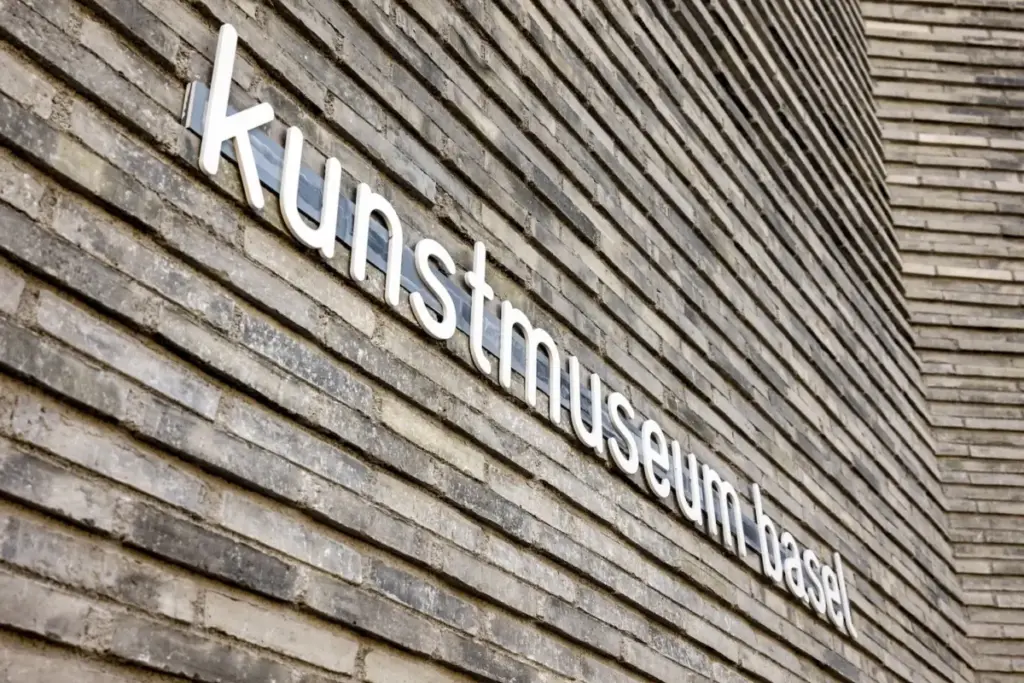
In addition to addressing colonial-era holdings, a significant portion of the newly announced government funding is dedicated to investigating Nazi-looted art and other problematic European acquisitions. Several major art museums in Switzerland will use the grants to scrutinize works from the Nazi era whose ownership histories remain ambiguous or disputed. For instance, the Kunstmuseum Basel has been awarded $120,000 to conduct a comprehensive examination of 336 drawings in its collection. The provenances of these specific works have previously been flagged as problematic by researchers. The museum’s study will not only look at the history of the individual works but will also investigate the fates of the art sellers who parted with them, alongside an analysis of the institution’s broader collection and acquisition strategies during the turbulent years between 1933 and 1945.
The rollout of these 26 projects underscores a growing recognition among Swiss cultural authorities of the necessity for transparency regarding historical acquisitions. As these institutions begin their multi-year investigations, the findings are expected to contribute significantly to the global discourse on museum ethics, cultural heritage stewardship, and the responsible management of historical collections in the twenty-first century.