The filing cabinet, a steadfast artifact of 20th-century corporate life originally engineered for an era where uniformity was the ultimate corporate virtue, is undergoing a dramatic aesthetic reinvention. For decades, a regimented row of utilitarian gray vertical file cabinets signaled bureaucratic efficiency, perfectly organized paperwork, and a standardized workplace. Brought into the modern home, however, that same piece of office furniture faces a far more demanding and complicated job.

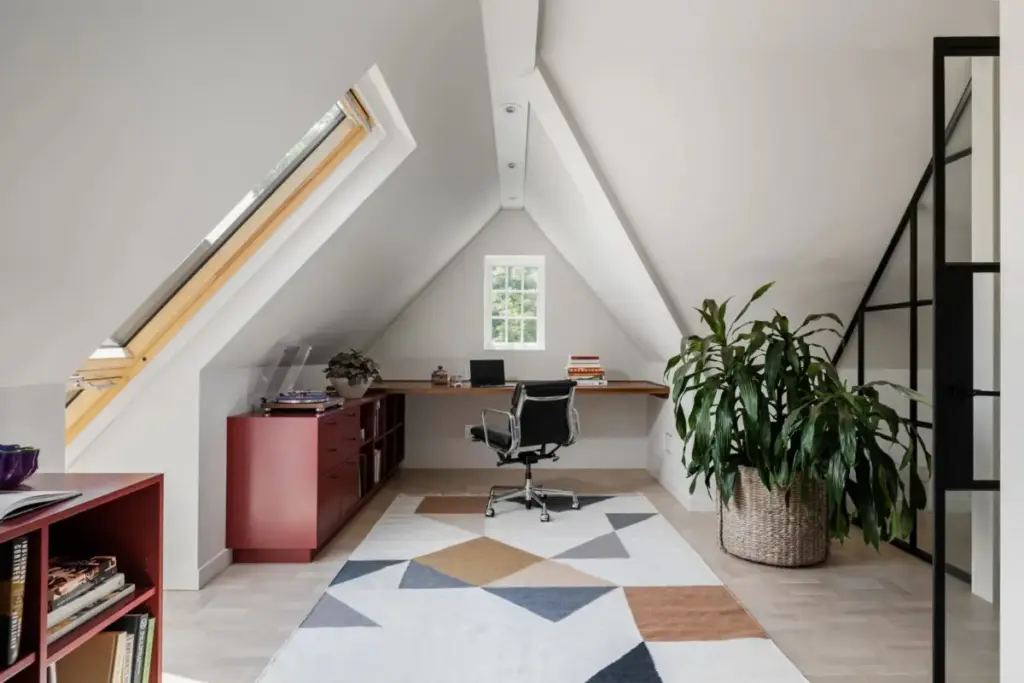
Today’s remote and hybrid work environments require office storage to do double duty. A filing cabinet no longer sits tucked away in a sterile cubicle or a dedicated records room. Instead, it must squeeze beside a living room sofa, slide inconspicuously under a minimalist standing desk in a compact studio apartment, or pull double duty as a chic bedside nightstand. In these residential settings, the furniture must project intentionality and visual harmony, ensuring that the domestic interior looks carefully designed rather than hastily converted into an administrative annex.
This evolution has forced furniture designers and manufacturers to rethink what a filing cabinet can be. Modern iterations feature vibrant powder-coated metal finishes that no traditional office manager would ever sign off on, warm natural woods and rich veneers meant to blend seamlessly with high-end residential furniture, and striking design icons that happen to possess the internal mechanics required to corral standard paper files.

Before investing in these contemporary pieces, interior designers and homeowners alike must weigh several functional considerations. Buyers need to determine whether the internal drawer dimensions accommodate bulky legal-size documents or are restricted to standard letter-size folders. They must also consider whether a locking mechanism is necessary to secure sensitive items like passports and tax documents, and whether integrated casters are required to make the unit easily maneuverable when sliding it out from beneath a low-profile workspace.
Among the standout options leading this design revolution is the Branch Small Filing Cabinet, which brings the brand’s signature unfussy, ergonomic sensibility to domestic storage. Standing at 20 inches tall and roughly a foot wide, the compact unit is engineered to slide effortlessly under most standard desks or tuck neatly into the narrow gaps flanking a bookshelf. Weighing in at 22 pounds and equipped with smooth-glide wheels, it offers exceptional mobility for homeowners who frequently reconfigure their workspaces. The smooth, modern coated finish represents a stark departure from the heavily ribbed metal cabinets of the 1970s office, with the soft sage colorway offering a subtle accent that can brighten up a room without overwhelming it.

For those seeking a true statement piece, the Herman Miller OE1 Trolley—designed by the London-based studio Industrial Facility—borrows its sophisticated silhouette from the classic bar cart. It features a slim powder-coated steel frame mounted on casters, crowned with a rimmed tray designed to keep desktop accessories securely in place while the unit is wheeled from a desk to a seating area. Beneath this top surface lies a tilting compartment that opens to reveal organized slots for folders and stationery rather than bottles of wine and glassware.
Homeowners leaning toward warm, organic aesthetics will find that wooden options offer a seamless transition into residential spaces. The Article Fantol File Cabinet, standing at 23 inches tall, provides a petite footprint that fits neatly under low-profile desks while looking unmistakably like high-end furniture. Its natural oak finish coordinates effortlessly with the midcentury-inspired wooden furnishings found in many contemporary homes, while its sturdy top surface is spacious enough to double as a compact printer stand.

Similarly, West Elm’s Cutler File Cabinet is built for longevity, boasting a solid mahogany frame concealed beneath a rich oak or walnut veneer. Certified with a contract-grade rating—the rigorous standard West Elm uses for furniture destined for heavy-duty commercial hospitality and office environments—the 16-inch-tall cabinet is engineered to slide directly beneath matching Cutler desks for a cohesive, streamlined office setup. West Elm’s Tandem Filing Cabinet takes a comparable mixed-material approach, embedding an oak-veneer case within a sturdy steel frame supported by smooth-rolling casters, offering the visual warmth of a small dresser combined with the mobile utility of a rolling file.
Functionality and whimsical design intersect in models like the Laura Davidson Furniture Stockpile Cabinet, which challenges the ubiquitous beige and black color palette of traditional office furniture by offering more than ten vibrant shades, including a cheerful orange, a bold cobalt blue, and a versatile ivory. Its narrow proportions and gentle-closing drawer mechanisms make it an ideal companion for bedrooms that double as home offices or spaces shared with sleeping household members.

For a more avant-garde approach to organization, Konstantin Grcic’s 360 Degree Container for Magis completely dispenses with traditional drawer pulls. Its five distinct trays pivot fluidly around a central aluminum spine, swinging out laterally rather than sliding forward. When partially opened, the stacking drawers fan out into an arresting spiral that resembles a modern sculpture more than a piece of office equipment. While the shallow trays are better suited for hiding away loose office supplies and writing utensils than housing hanging file folders, it remains one of the most visually striking ways to retrieve a paperclip.
At the upper echelon of modular storage, the USM Haller File Credenza traces its lineage back to 1961, when Swiss manufacturer USM hired architect Fritz Haller to design a modular factory system. The resulting steel furniture has since earned a coveted spot in the permanent collection of the Museum of Modern Art. This particular credenza features two drop-down doors up top and two spacious drawers below designed to hold letter-size hanging files, with every compartment featuring a lock operated by a simple turn of a coin—a nod to the company’s historical origins in hardware and lock-making. It represents a rare lockable filing cabinet that looks equally at home anchoring a formal dining room as it does housing everyday household records.

The MoMA 5-Drawer Pivot Cabinet, manufactured in Italy and distributed through the MoMA Design Store, similarly embraces a playful, sculptural approach by stacking five candy-colored drawers within a durable powder-coated frame that swings open laterally. Slim enough to double as a bedside nightstand and bold enough to stand alongside contemporary art, the cabinet provides a practical storage solution for individuals whose living quarters and workspaces occupy the exact same footprint.
As the boundary between professional and personal spaces continues to blur, the transformation of the filing cabinet underscores a broader shift in interior design. Standard office equipment is no longer permitted to disrupt the visual harmony of the home; instead, it must perform its administrative duties quietly while elevating the room’s overall aesthetic.