When gardening shifts from
a purely aesthetic pursuit to an exercise in ecological mindfulness, the selection of plants transforms entirely. Rather than focusing solely on personal visual preferences, modern gardeners increasingly consider the local birds, mammals, and invertebrates that rely on native flora for survival. In this evolving landscape of conservation horticulture, experts are shedding light on underappreciated native species that offer both ecological resilience and striking beauty. Among these champions is the wild bleeding heart, a plant that has steadily captured the attention of botanical professionals and backyard conservationists alike.
Melissa Starkey, marketing and communications manager and an instructor at the Mt. Cuba Center—a prominent botanical garden located in Hockessin, Delaware—has long advocated for the integration of this remarkable woodland native. Her appreciation for the species runs deep, rooted in childhood memories of encountering the plant growing wild in the landscapes of Pennsylvania. For Starkey and many other horticulturists, the wild bleeding heart serves as a superior, ecologically beneficial alternative to the widely cultivated nonnative common bleeding heart, scientifically known as Lamprocapnos spectabilis.
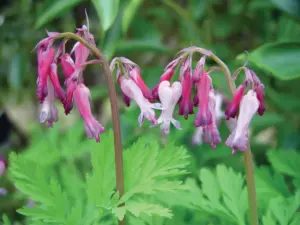
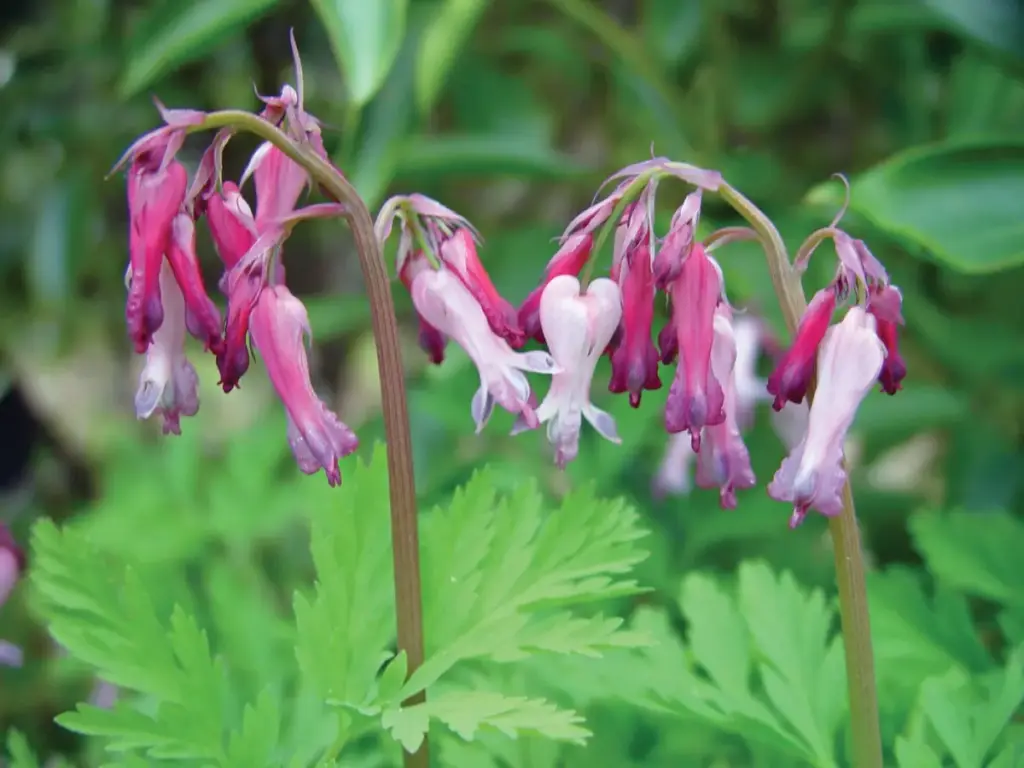
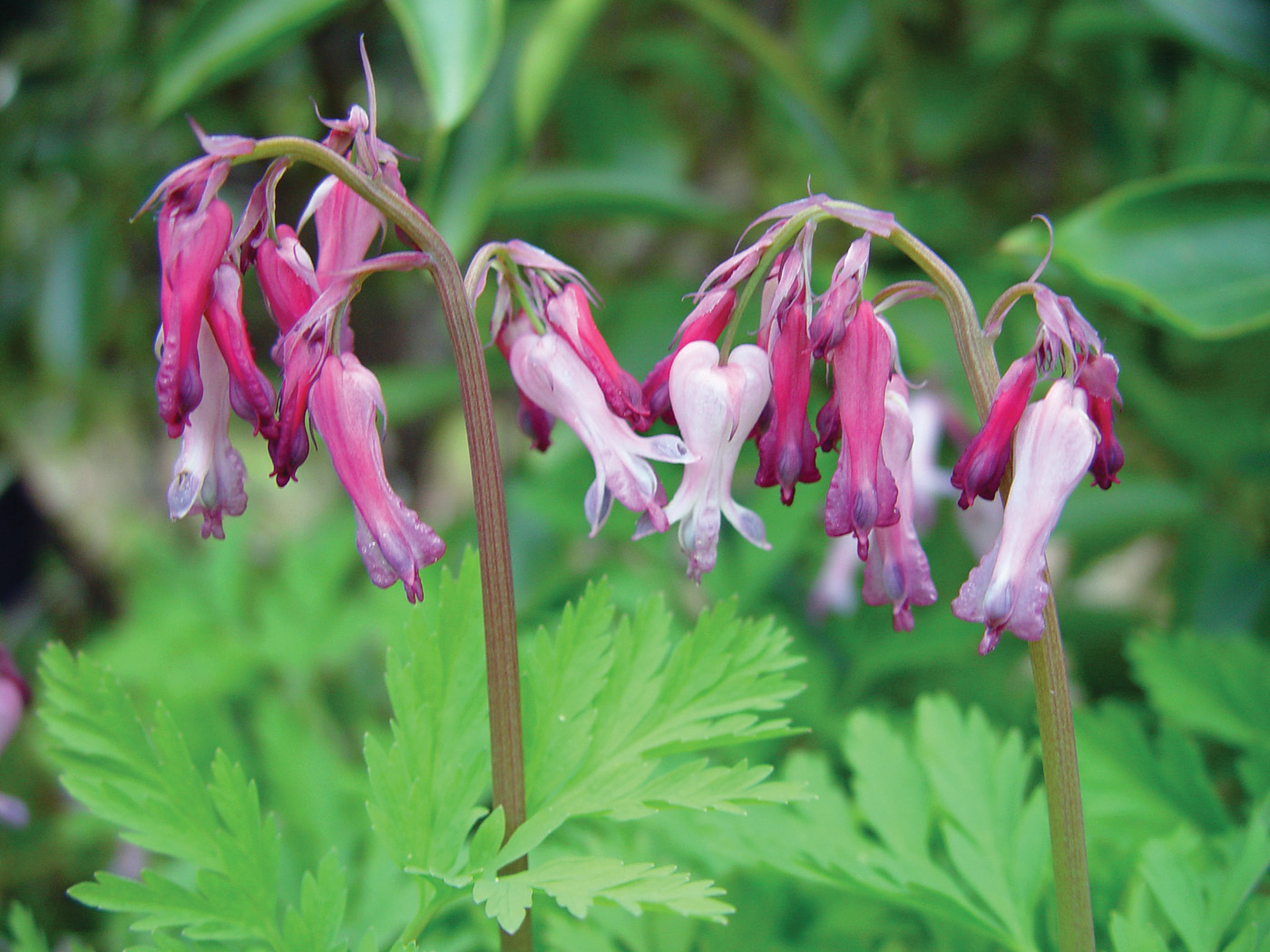
While traditional nonnative varieties have long been staples in suburban borders, the native wild bleeding heart offers a more harmonious relationship with local ecosystems while delivering an exceptionally long season of visual interest. The plant produces its most prolific flush of distinctive, heart-shaped flowers during the spring months, but unlike its foreign counterparts, it refuses to fade away with the arrival of summer heat. Instead, it continues to produce blooms throughout the entire growing season, often persisting as late as November in the mid-Atlantic climate of the Mt. Cuba Center. Complemented by delicate, fernlike foliage carrying a subtle blush tinge, the plant provides dynamic color and texture for months on end.
An Underappreciated Native Plant for Woodland Gardens
Beyond its aesthetic charms, the wild bleeding heart is an astonishingly hardworking and adaptable specimen. It thrives in partial shade, making it a natural fit for traditional woodland gardens where sunlight filters gently through a leafy canopy. However, its adaptability extends well beyond shaded garden beds. In its natural habitat, the plant frequently establishes itself in surprisingly harsh environments, often found growing directly out of rocky, sunny outcrops in the wild. This capacity to handle brighter exposures without wilting gives landscape designers and home gardeners tremendous flexibility when planning perennial beds or rock gardens.
This ecological flexibility, however, comes with specialized relationships within the local web of life. The unique structural architecture of the wild bleeding heart’s flowers requires specific visitors for successful pollination. Because its petals are tightly configured, the plant relies on larger, robust pollinators—such as native bumblebees—that possess the physical strength to force their way through the tight petals to access nectar. This interaction underscores the complex interdependence between native plants and native wildlife, a core principle of ecological landscape design.
In comparison to the common bleeding heart, the native species maintains a slightly more compact stature, but its standout advantage is its refusal to go dormant prematurely. While nonnative bleeding hearts typically die back to the ground by mid-summer, leaving unsightly gaps in the garden design, the wild bleeding heart maintains its lush foliage and active growth across three distinct seasons. For gardeners who prefer alternative color palettes, nature also provides options; a white-flowering cultivar known as ‘Alba’, scientifically classified as Dicentra eximia ‘Alba’, offers the same resilient performance with crisp, pure white blossoms.
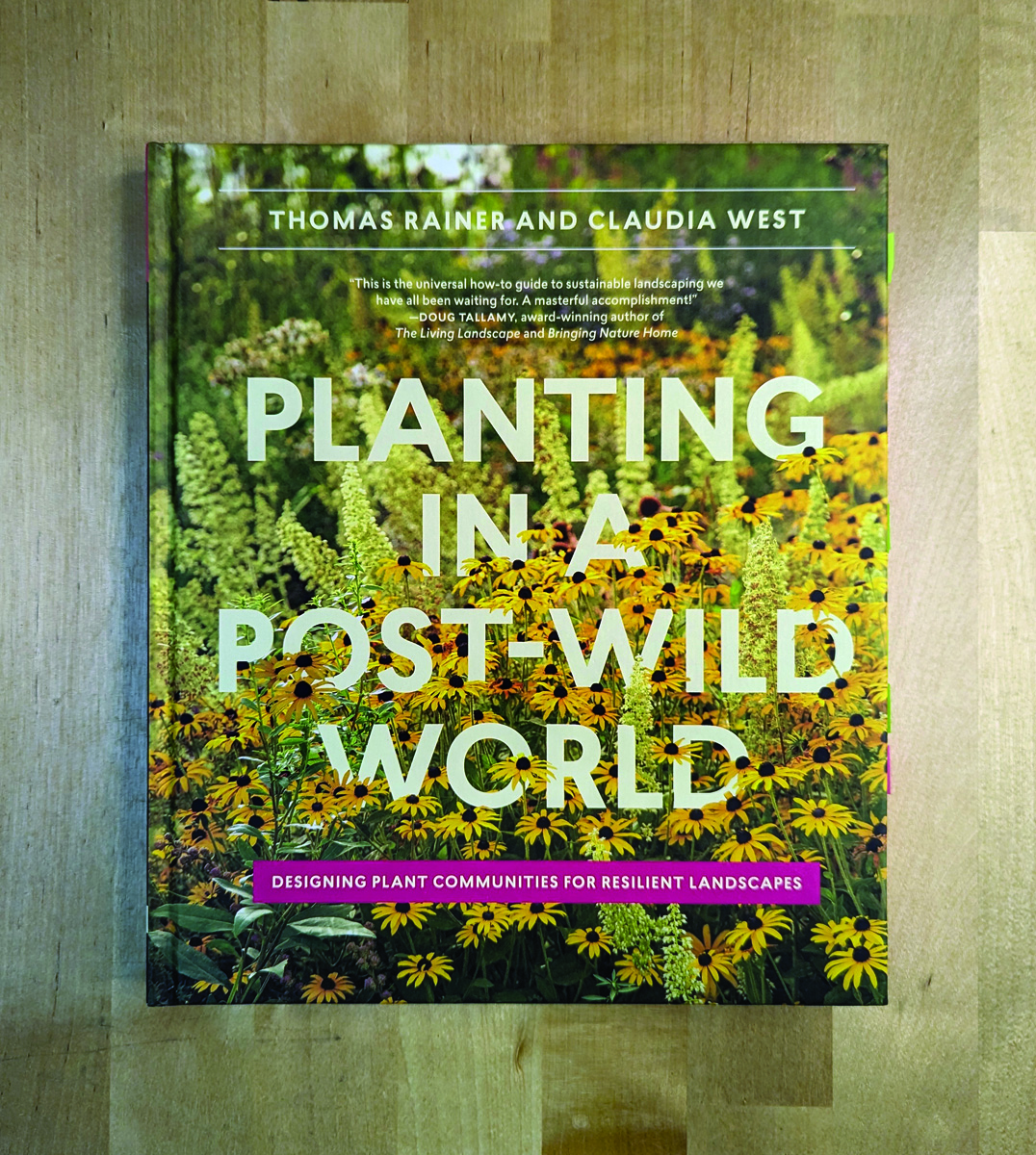
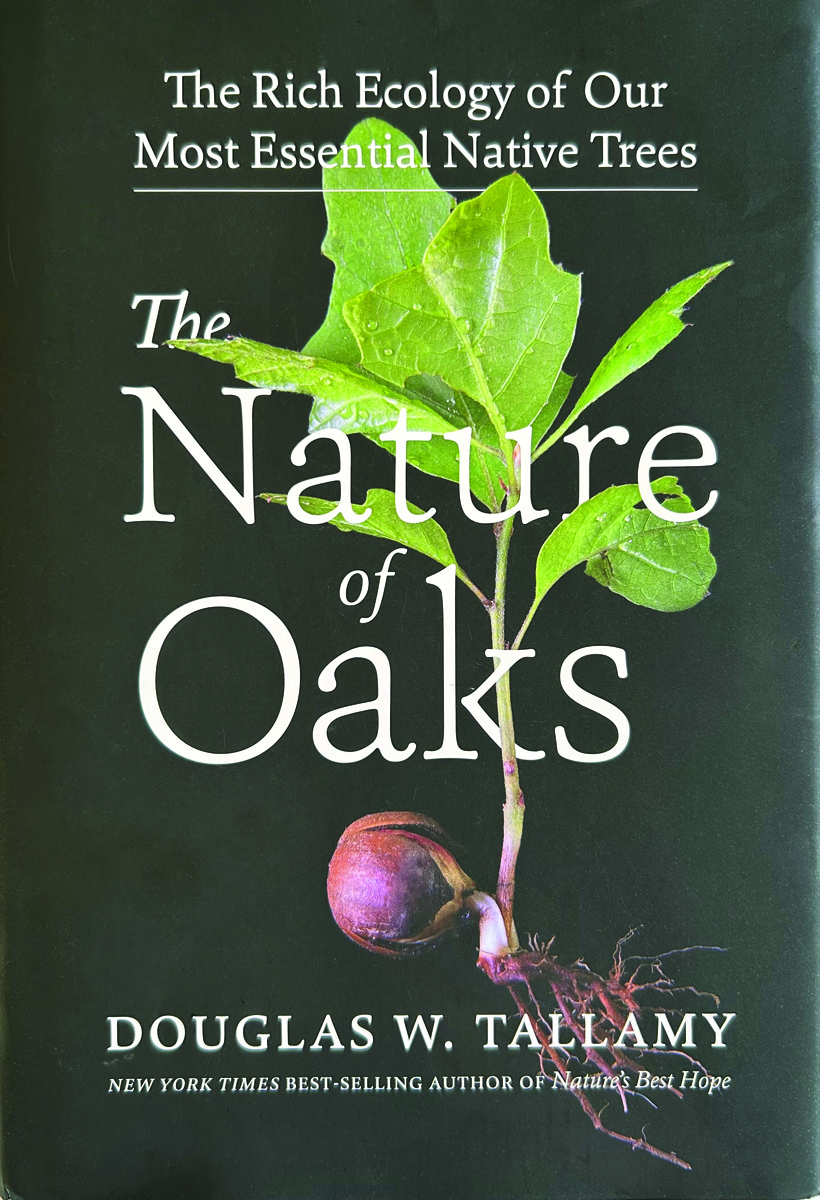
The broader conversation surrounding native plants, ecological resilience, and sustainable landscaping continues to grow within the horticultural community. Publications and resources from organizations like Fine Gardening frequently explore these themes through podcasts and digital series, highlighting how residential and public spaces can be reimagined to support biodiversity. Books such as Planting in a Post-Wild World by Thomas Rainer and Claudia West champion the creation of hybrid landscapes that merge wild ecological function with cultivated design, offering viable paths forward for urban and suburban environments. Similarly, works like The Nature of Oaks by Doug Tallamy explore the intricate month-by-month cycles of life and renewal anchored by native trees, while guides like The Regenerative Landscaper weave together permaculture, climate adaptation, and indigenous wisdom to help stewards repair local environments right in their own backyards. Through these ongoing educational efforts and the rediscovery of resilient natives like the wild bleeding heart, gardeners are continually finding new ways to cultivate landscapes that nourish both human spirits and local wildlife.