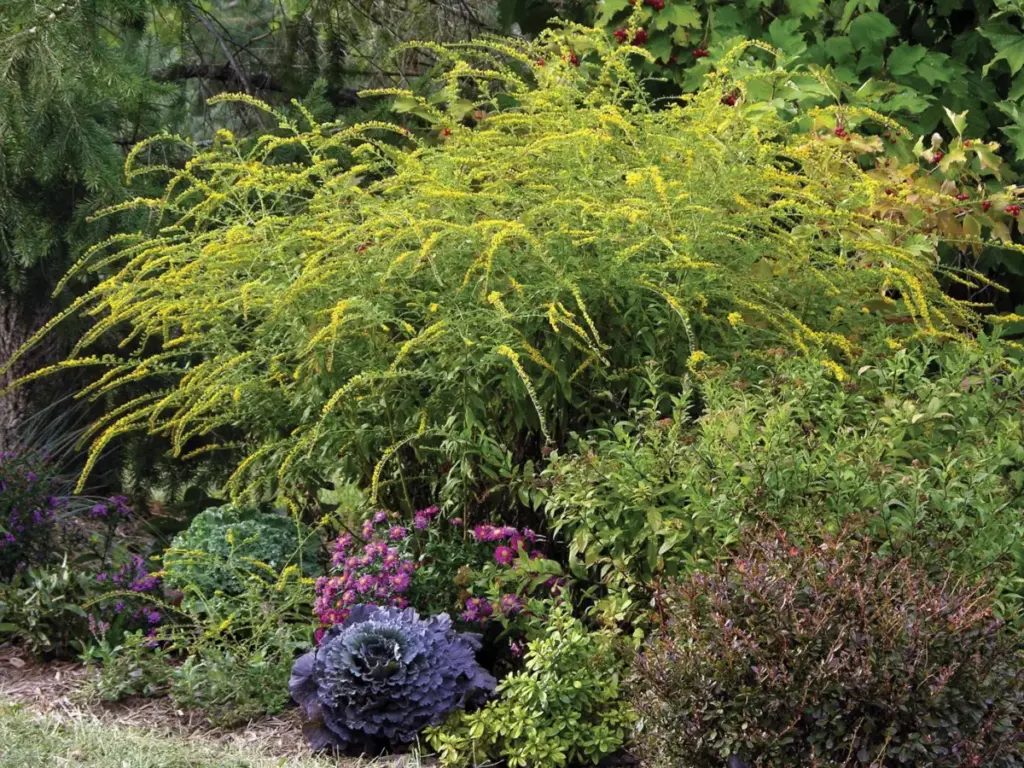
When gardeners begin designing with ecology in mind, the focus of landscape planning naturally shifts away from purely aesthetic self-expression and toward the biological needs of local wildlife. Choosing the right flora becomes an exercise in supporting the complex web of local birds, mammals, and invertebrates that rely on native vegetation for survival. Among the myriad options available to modern horticulturists, few selections embody this ecological ethos quite like ‘Fireworks’ wrinkle-leaved goldenrod (Solidago rugosa ‘Fireworks’), an underappreciated native plant championed by experts like Melissa Starkey.
Starkey, who serves as the marketing and communications manager and an instructor at the Mt. Cuba Center—a renowned botanical garden located in Hockessin, Delaware—regularly highlights the profound ecological value of native species. Through initiatives like the Super Cool Plants podcast and its companion YouTube channel produced by Fine Gardening, Starkey and other horticultural professionals are working to reshape how home gardeners view plants that have historically been misunderstood or overlooked.
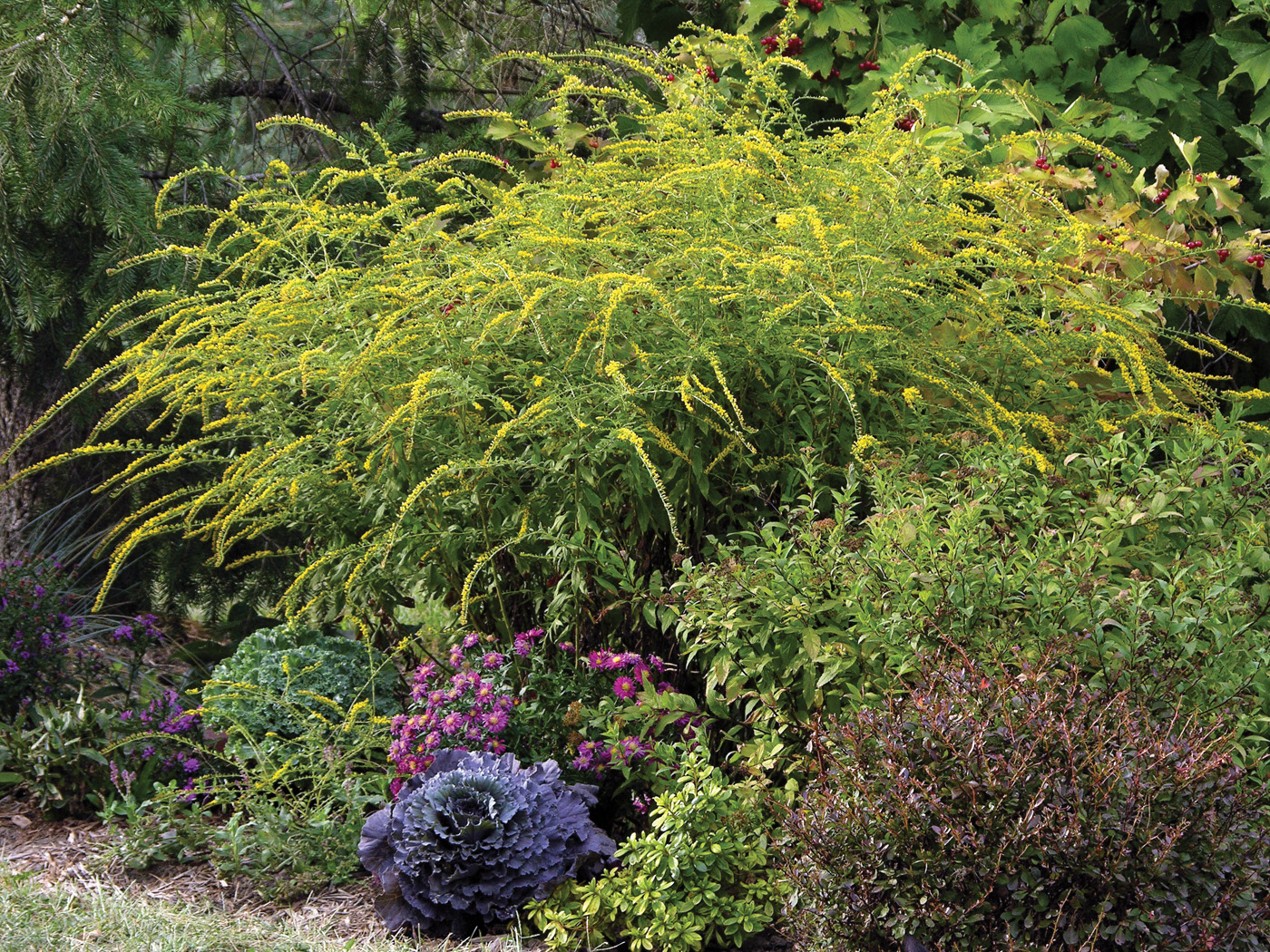
‘Fireworks’ Wrinkle-Leaved Goldenrod
As the gardening calendar shifts its focus toward the cooler months of autumn, native goldenrods step into the seasonal spotlight. These remarkable perennials possess immense value within North American ecosystems, despite battling an undeserved reputation among the general public. Many people mistakenly associate goldenrods with seasonal allergy symptoms, frequently confusing them with ragweed (Ambrosia species), which blooms concurrently and produces the lightweight, wind-borne pollen responsible for autumn hay fever. Goldenrod pollen, by contrast, is heavy and sticky, relying entirely on insects for pollination rather than drifting on the wind to afflict human sinuses.
Furthermore, while certain native plants can exhibit an overly aggressive growth habit in cultivated landscapes, not all goldenrods behave invasively. Beyond their striking visual contributions to the autumn landscape, these plants serve as critical ecological infrastructure. They function as essential host plants for over 120 different species of moth and butterfly caterpillars, providing the foundational nourishment required to sustain local lepidopteran populations. Once the flowering cycle concludes, the seed heads offer a reliable and nutrient-dense food source for birds and other small animals navigating the transition into winter.

A Gateway to Goldenrods
For gardeners looking to integrate these powerful ecological assets into their properties, ‘Fireworks’ wrinkle-leaved goldenrod serves as an ideal introduction. If horticultural professionals had to select just a single cultivar to showcase the genus, ‘Fireworks’ would frequently emerge as the definitive gateway plant. Its adaptability makes it suitable for virtually any landscape setting, ranging from sprawling naturalistic prairie installations to tightly managed formal garden beds and even container arrangements on patios and decks.
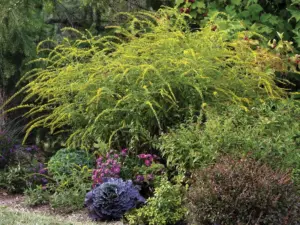
The cultivar earns its evocative name honestly. In the early to mid-autumn months, the plant erupts into brilliant, arching spires of vibrant yellow flowers that genuinely resemble aerial pyrotechnics bursting against the softening backdrop of the seasonal shift. Structurally, the plant maintains a well-behaved, compact, and clumping growth habit that prevents it from overwhelming neighboring specimens.

While this particular goldenrod can spread modestly when cultivated in consistently moist soils, its expansion remains remarkably easy to manage. Gardeners seeking a more restrained footprint can simply site the plant in a drier area of the landscape, where it will comfortably stay put. Although ‘Fireworks’ reaches its peak flowering potential and vigor when planted in full sun, it demonstrates impressive versatility; specimens grown in partial shade continue to display lovely form and reliable color.
Horticultural enthusiasts interested in deepening their understanding of native perennials can explore Melissa Starkey’s insights further through Fine Gardening’s media channels, including the dedicated Super Cool Plants podcast episodes and video features hosted online. As public interest in sustainable, wildlife-supportive landscaping continues to expand, plants like ‘Fireworks’ wrinkle-leaved goldenrod demonstrate that ecological responsibility and high-impact landscape design can exist in seamless harmony.