As the final stop on Fine Gardening’s exclusive "Stunning Gardens of the Netherlands" tour, horticulture enthusiasts are invited into the vibrant, artfully crafted world of flower stylist, gardener, and lecturer Marieke Nolsen. Located in Leusden on the historic grounds of Landgoed Den Treek-Henschoten, Nolsen’s roughly 1,600-square-meter property is frequently described by its creator as a living bouquet. After examining the layout and the thoughtful curation of plants, that poetic description becomes vividly apparent.
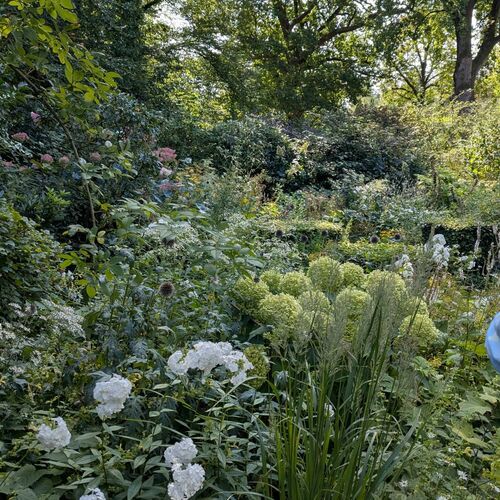
When Marieke and her family first acquired the property in 2002, they inherited a relatively simple landscape defined by standard lawns, conifers, flat paving, and structured hedging. Recognizing the potential of the space, Marieke undertook the design herself. She systematically divided the expansive 17,200-square-foot property into a series of distinct garden rooms, establishing strong architectural lines, crisp pathways, and living boundaries constructed from beech and boxwood. Within this framework, she introduced abundant borders densely packed with perennials and shrubs. Leveraging her professional background as a floral designer, she deliberately cultivates an array of specialized flowers, colorful berries, and unique foliage specifically intended for natural arrangements, creating a seamless synergy between her garden and her floral artistry throughout the changing seasons.
The Art of Lush, Transparent Planting
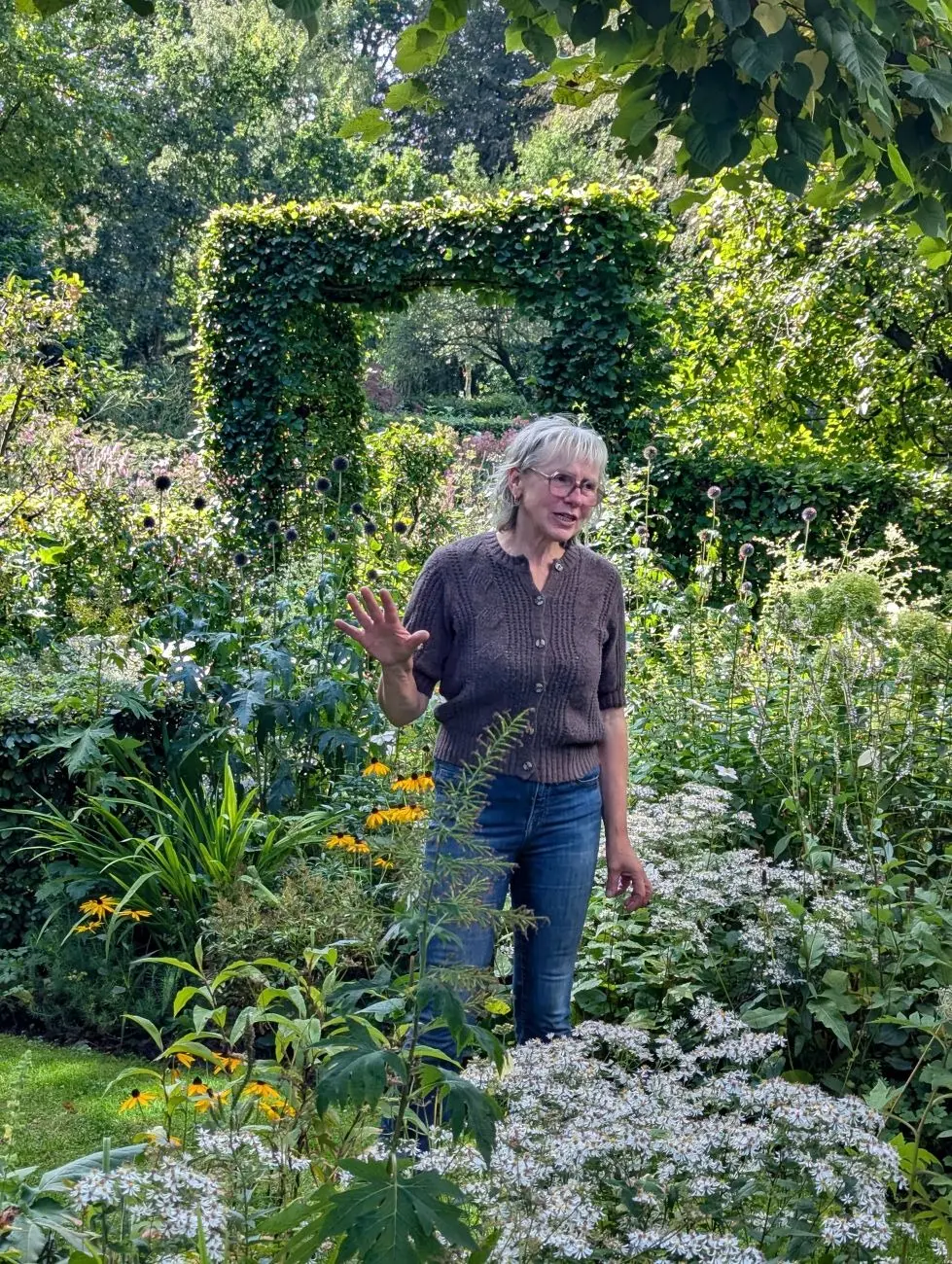
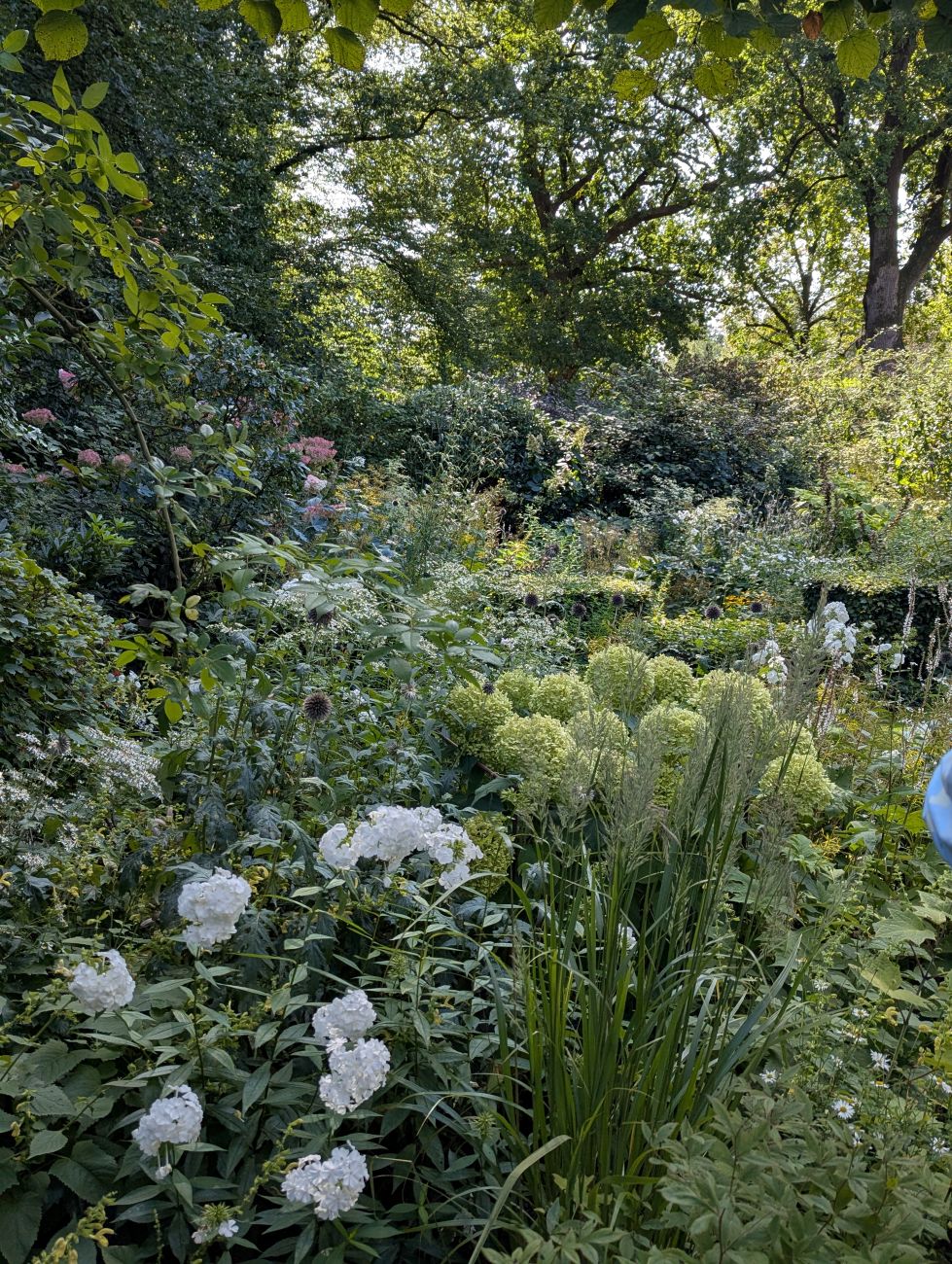
A defining characteristic of Nolsen’s landscape design is her preference for weelderige, transparante borders—a Dutch concept translating to lush, airy plantings that maintain a remarkably natural, unforced appearance. Rather than rigid, heavily manicured beds, her borders feature delicate white blooms and intricate seed heads that rise gracefully through tiered layers of rich foliage. Taller trees and shrubs frame these compositions, imparting a soft, billowing shape that catches the light and moves gently with the breeze.
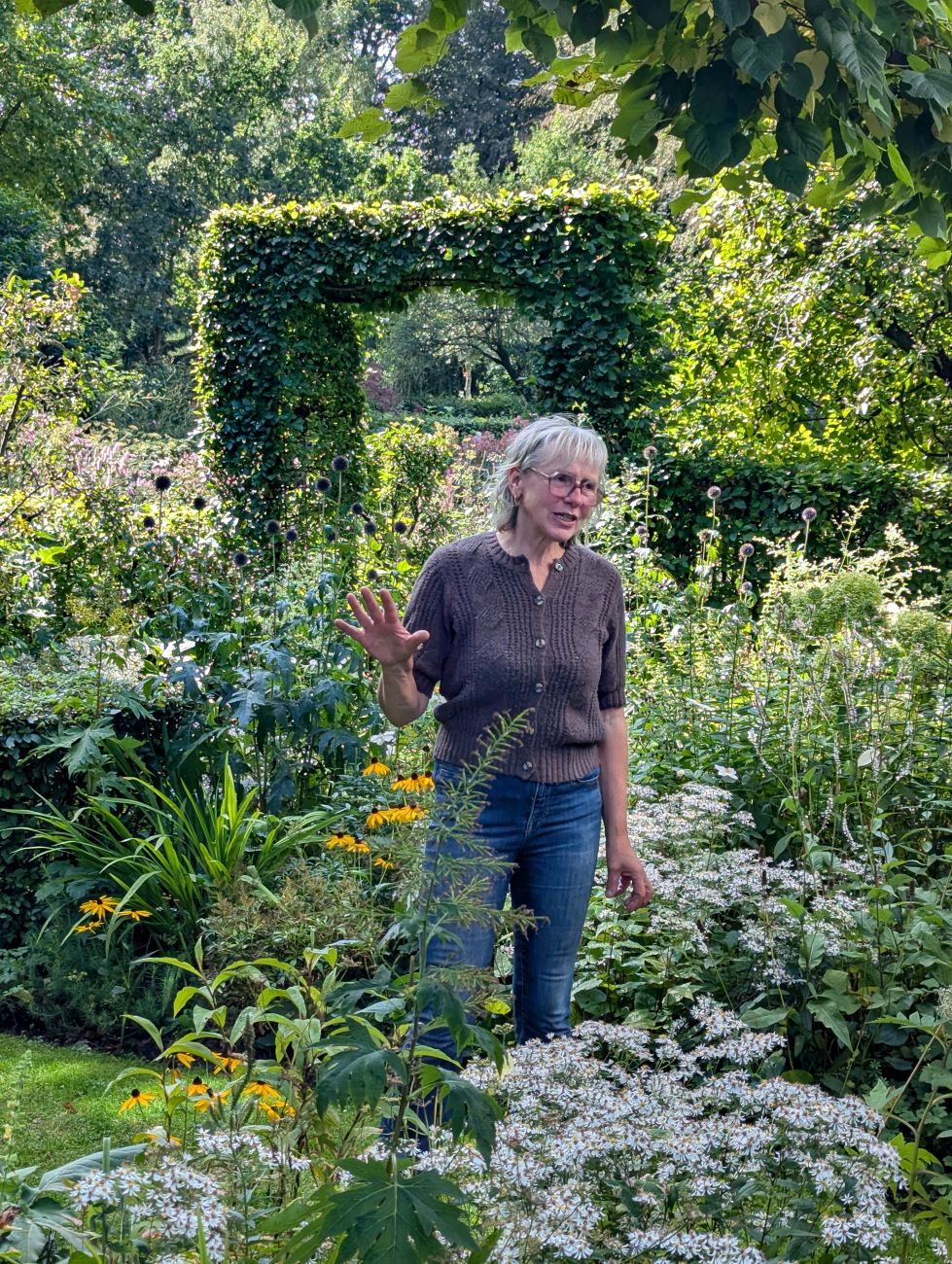
Standing among these layered plantings, visitors immediately notice the deliberate geometry of the design. Marieke engineered straight sight lines extending directly from the house, anchoring the sprawling layout and connecting disparate sections through a network of understated brick and grass paths. Strategic openings, such as vine-covered archways and ivy-trimmed gaps in the hedging, offer partial, tantalizing glimpses into the subsequent garden rooms, encouraging exploration and creating a sense of unfolding narrative as one moves through the property.
Textures and Tones in the Perennial Borders
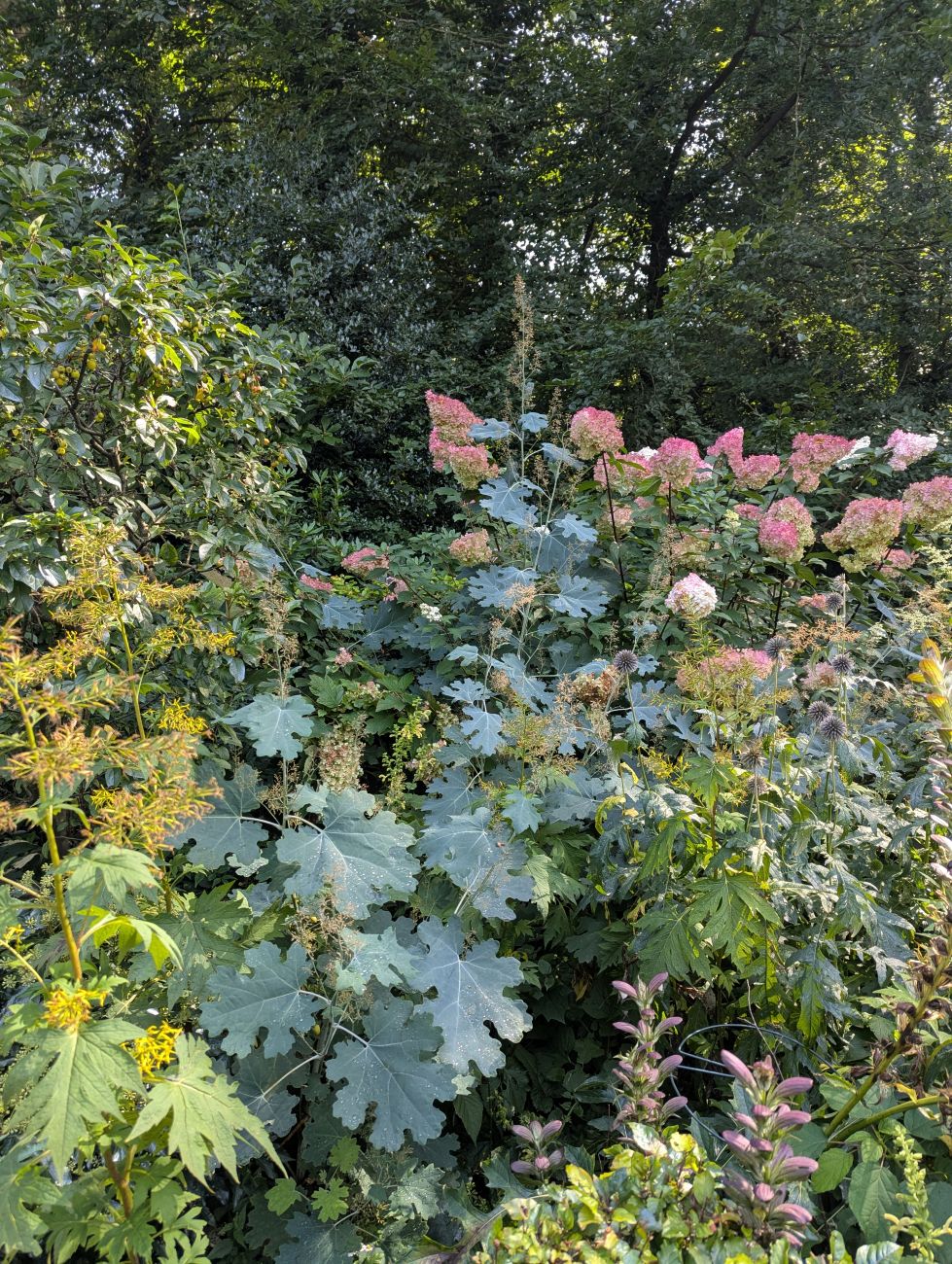
The botanical diversity within the borders is both striking and intentional. In one prominent display, delicate pink hydrangeas mingle harmoniously with the towering architectural presence of the plume poppy (Macleaya cordata, Zones 4–10) and the striking spheres of globe thistle (Echinops cvs., Zones 3–8). Among these, hydrangeas hold a special place as Marieke’s favorite flower, harvested freely throughout the summer and autumn months to anchor her interior arrangements.
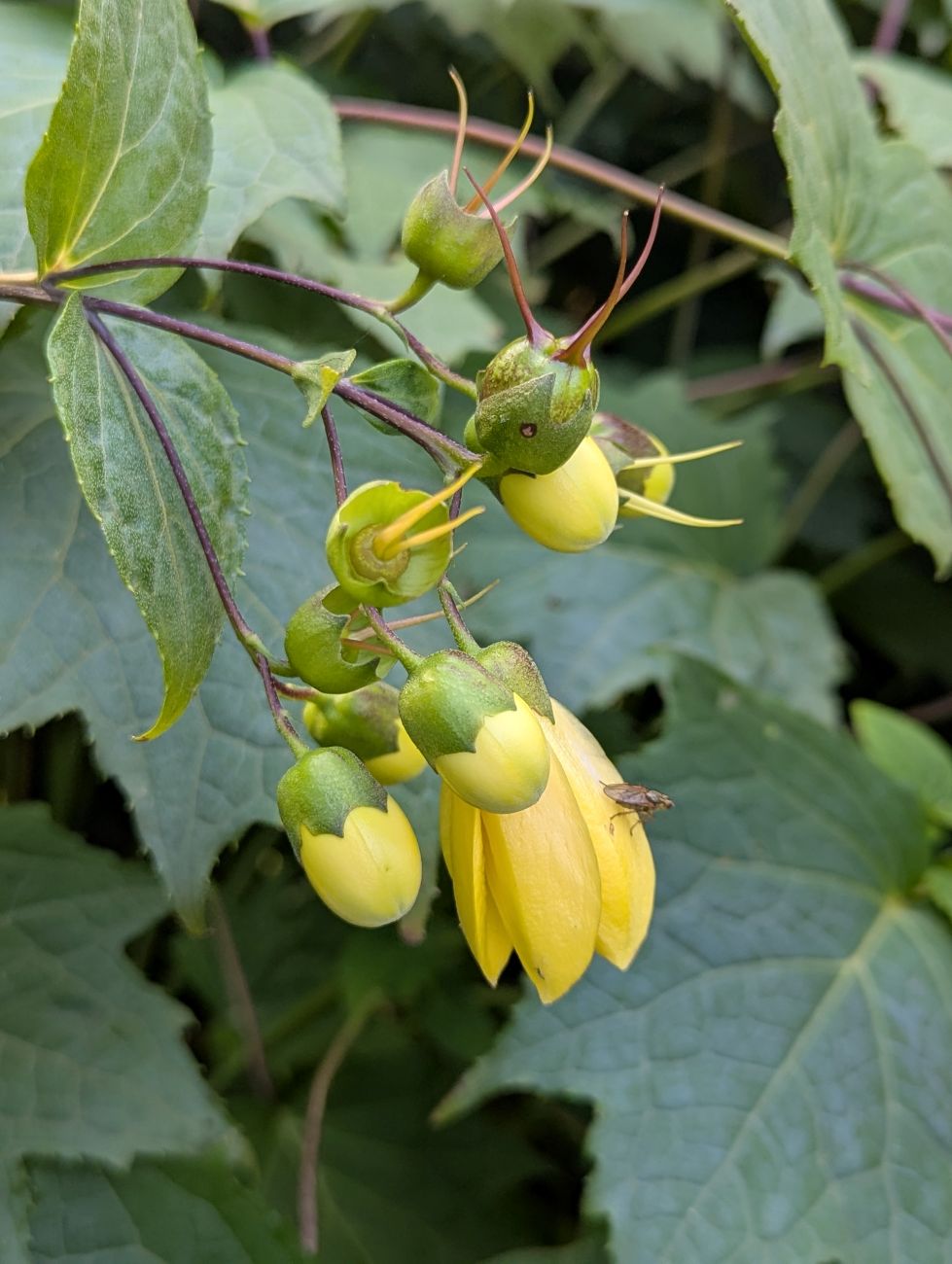
Elsewhere in the garden, shade-loving specimens find a perfect home. Yellow wax-bells (Kirengeshoma palmata, Zones 5–8) contribute broad, maple-like foliage that adds substantial textural contrast to the beds long before their soft-yellow, nodding flowers emerge in the transition from late summer to early fall. Every plant is selected not only for how it performs in the soil, but for its contribution to the overarching visual rhythm of the garden rooms.
Transforming Functionality into Form
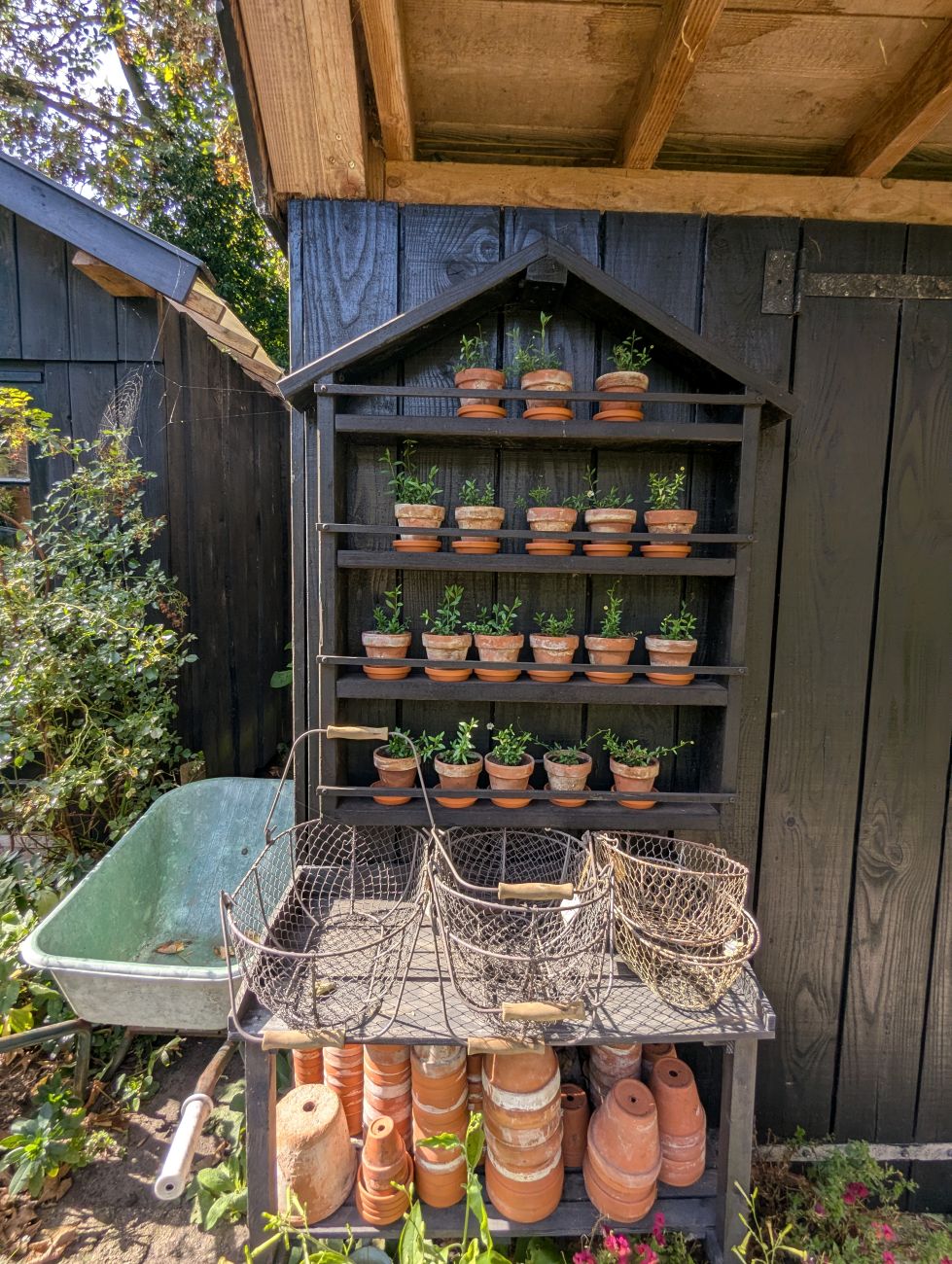
Utility and aesthetics meet seamlessly in the working areas of the property. A dedicated potting zone serves as a practical workspace for overwintering tender pots and nurturing young seedlings for future plantings. Adjacent to this workspace stands a charming small garden house, constructed entirely by Marieke’s husband, Martin.
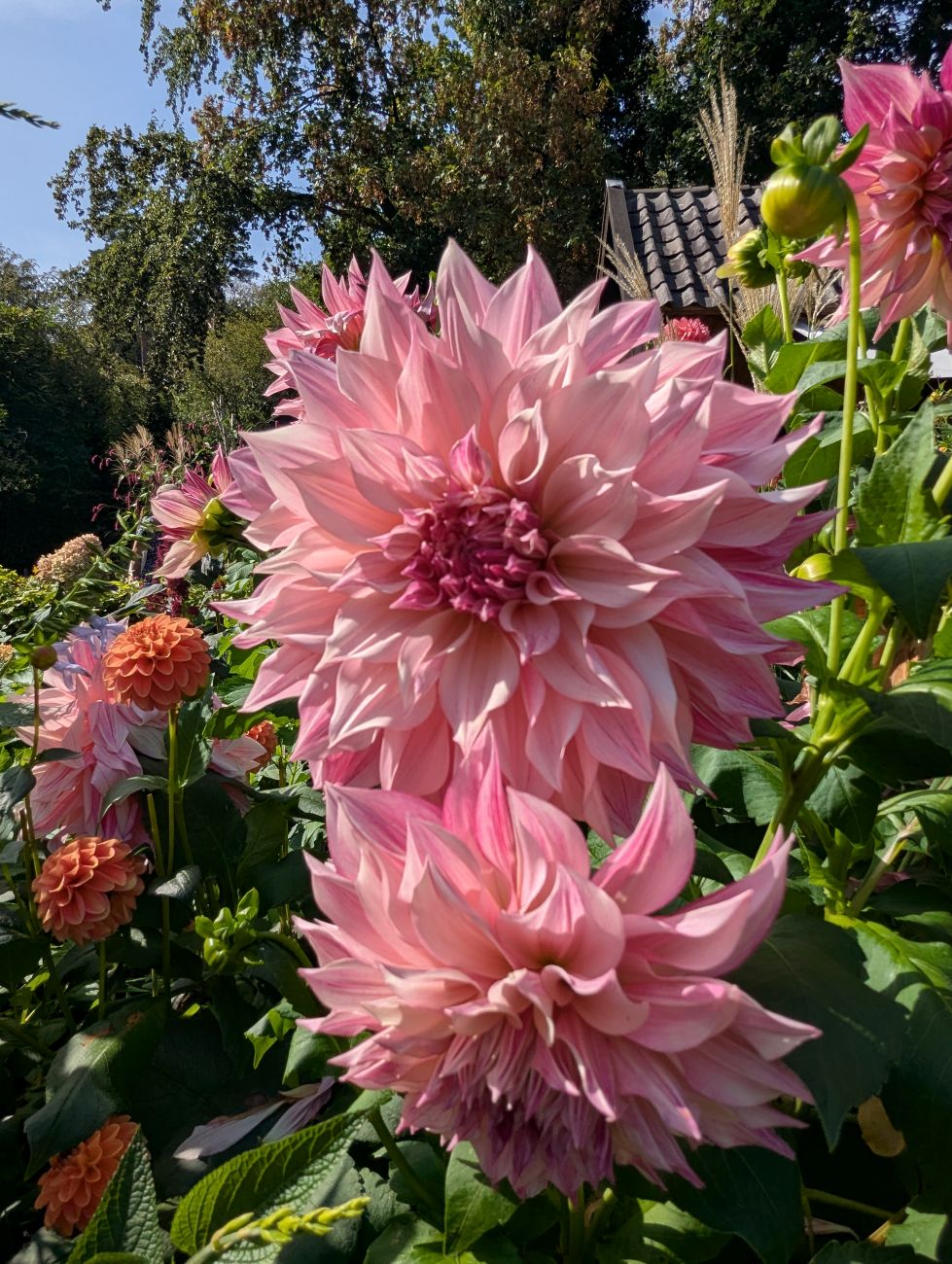
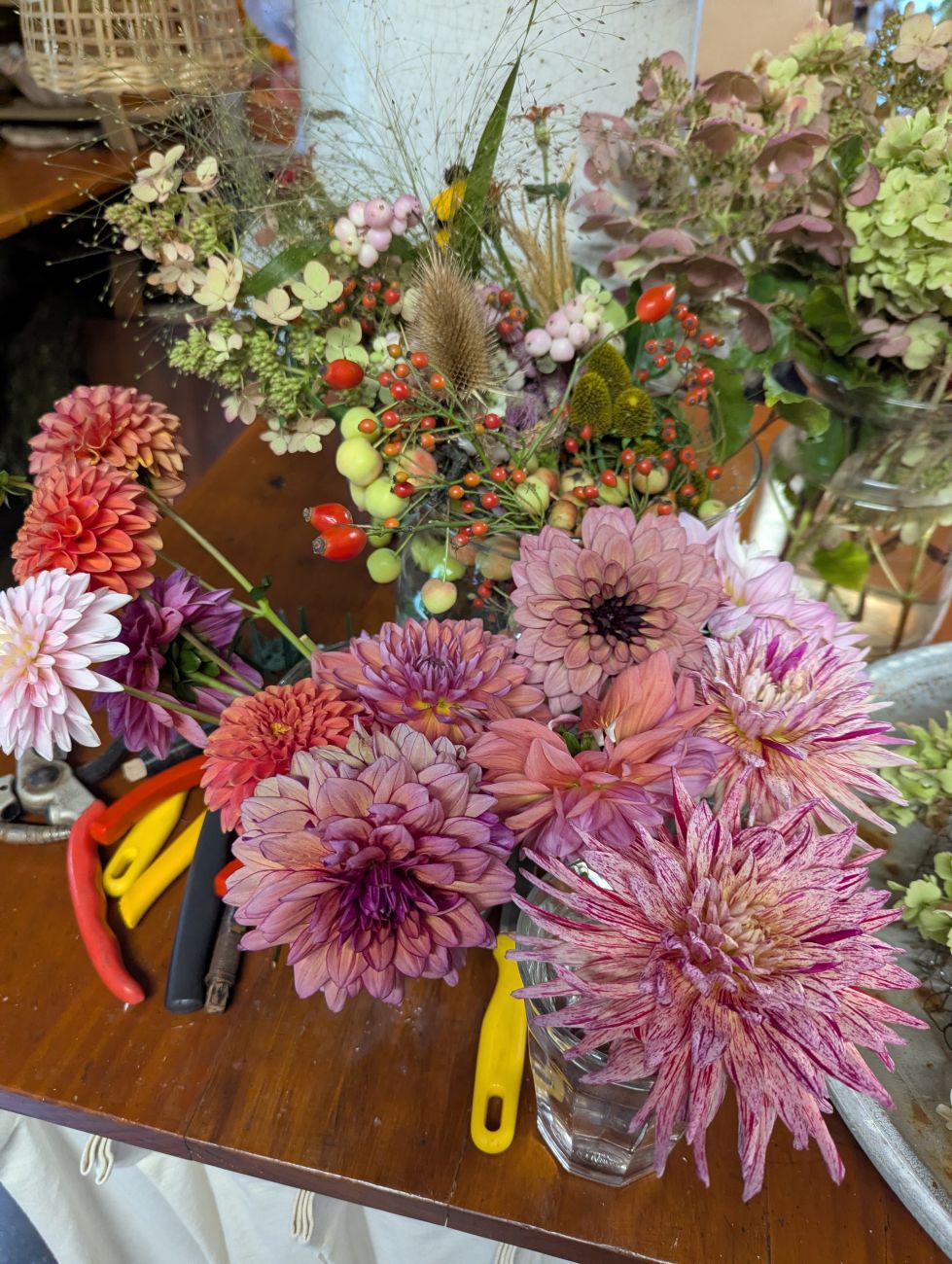
The couple also transformed an old vegetable garden into a productive and visually arresting cutting garden, an endeavor inspired by a visit to Sarah Raven’s renowned Perch Hill Farm at Perch Hill. Here, dahlias (Dahlia cvs., Zones 8–11) reign supreme as the undeniable stars of the autumn display. Marieke plans these dahlia beds with future bouquets firmly in mind, carefully grouping colors, textures, and varieties that she knows will complement one another once brought indoors.
To keep these vigorous plants upright, Martin constructs natural structural supports using sturdy posts and woven hazel branches. Marieke complements these with delicate, hand-woven birch twigs, providing essential support to heavy flower heads without introducing distracting or industrial elements into the serene landscape.
Composing with Containers and Natural Materials
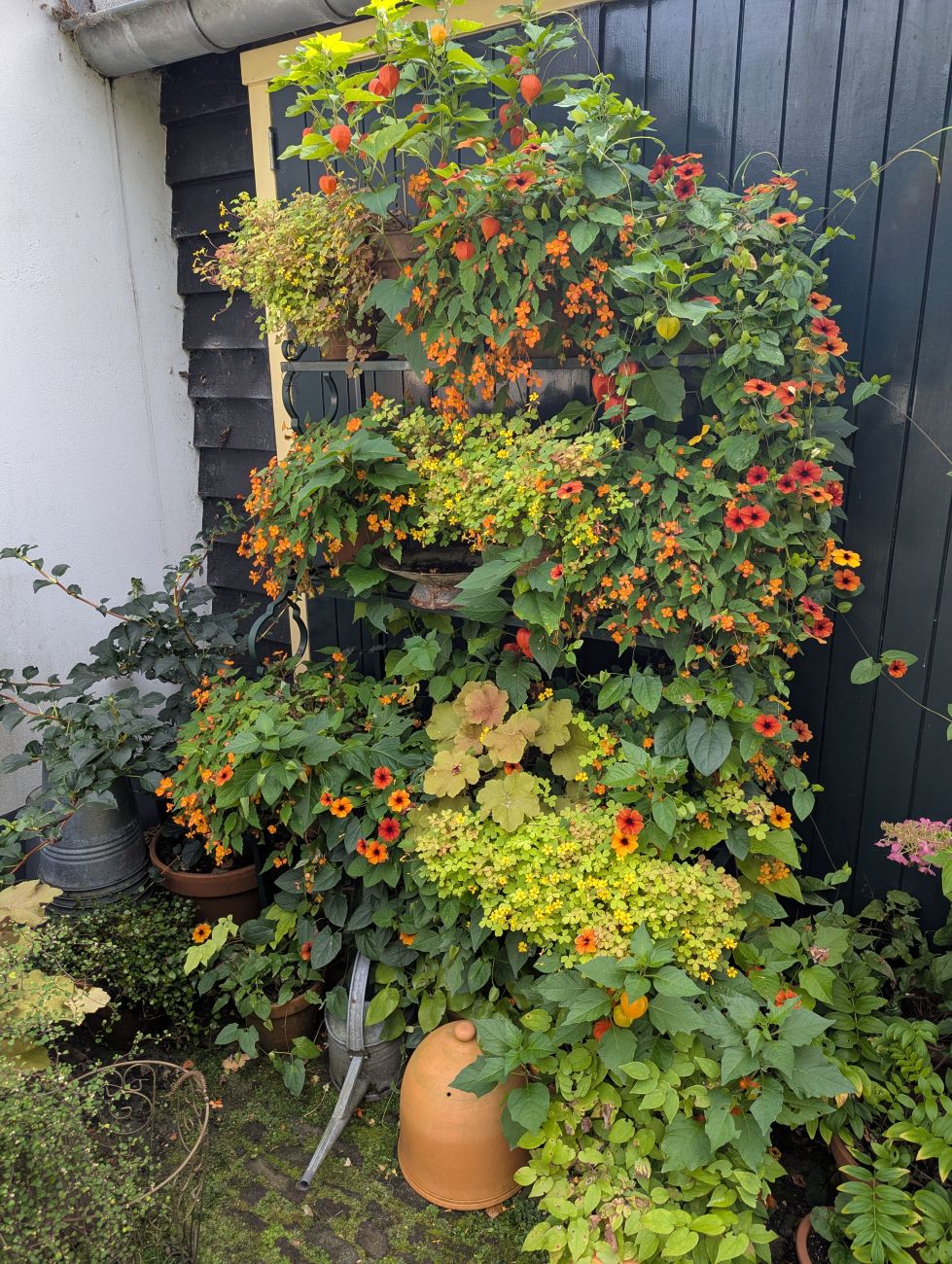
Marieke’s artistic philosophy extends fluidly into container gardening, where she abandons isolated specimen pots in favor of cohesive, multi-tiered compositions. By grouping terra-cotta and zinc containers of varying heights, she builds rich color stories centered around warm, autumnal tones such as vibrant orange, soft salmon, sunny yellow, rich pink, and deep red. The resulting displays read as unified floral arrangements rather than mere collections of potted plants.
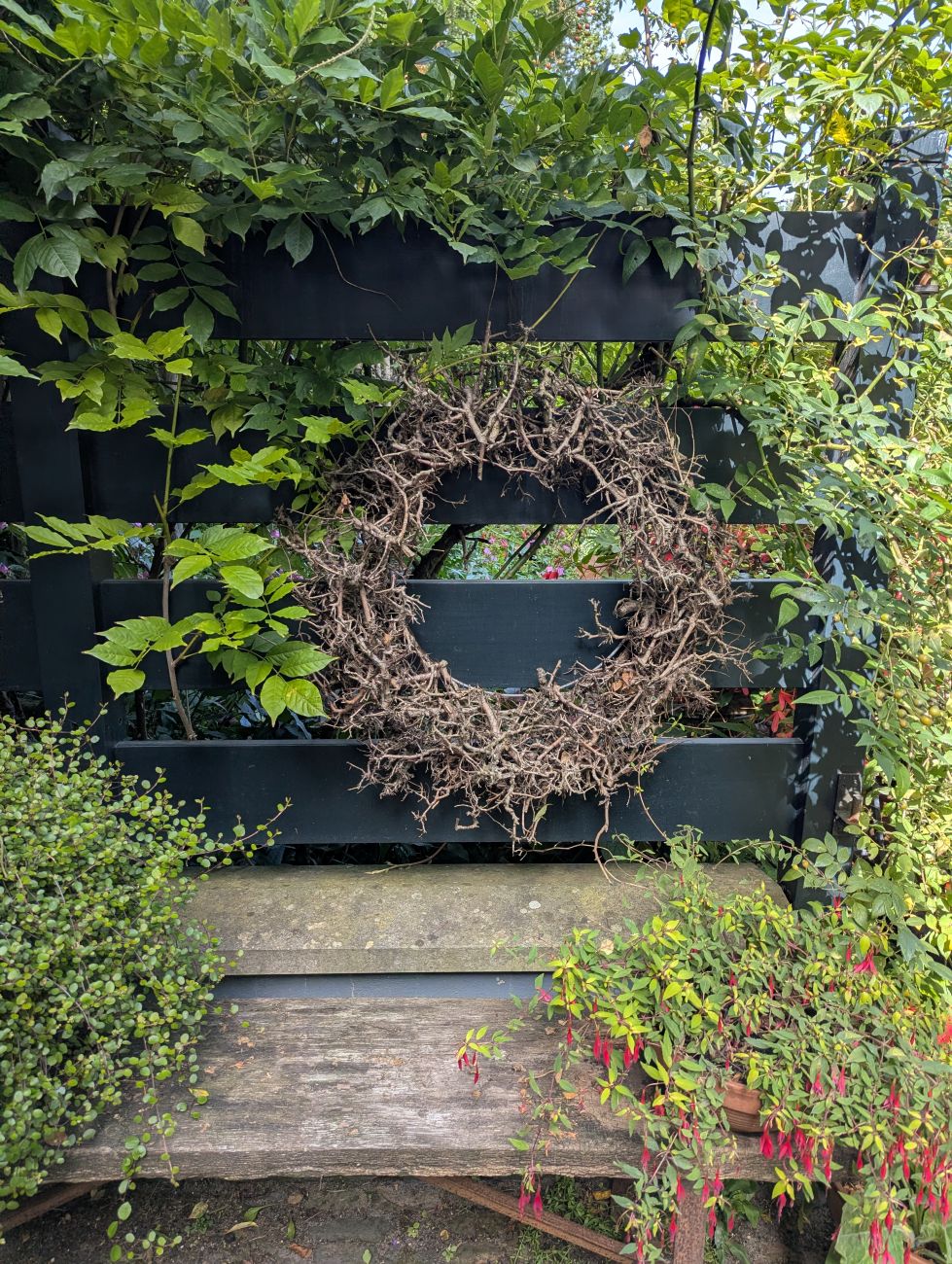
This integration of gathered materials is similarly visible at the garden’s structural thresholds. Natural botanical wreaths, meticulously crafted from vines, seed heads, and foliage harvested directly from the grounds, are tucked into vine-covered gates and entryways. These creations form a bridge between the wild elements of the landscape and the structured design of the home, a technique Marieke regularly teaches in her seasonal workshops.
The Intersection of Garden and Arrangement
For Nolsen, the garden provides an extraordinary palette of materials. Dahlias, hydrangeas, persistent rose hips, ornamental berries, architectural seed heads, delicate grasses, and varied foliage offer an almost limitless range of textures and forms. She emphasizes that flowers represent only one component of floral design; compelling foliage, ripening fruit, and even fading, papery blooms frequently find a vital place in her finished pieces.
Yet, harvesting from a landscape she has so carefully cultivated can occasionally present an emotional hurdle. In her lectures and workshops, Marieke frequently jokes about experiencing a gentle "cutting fear" when the garden reaches peak beauty, reluctant as she is to disturb the harmonious visual display of the living borders.

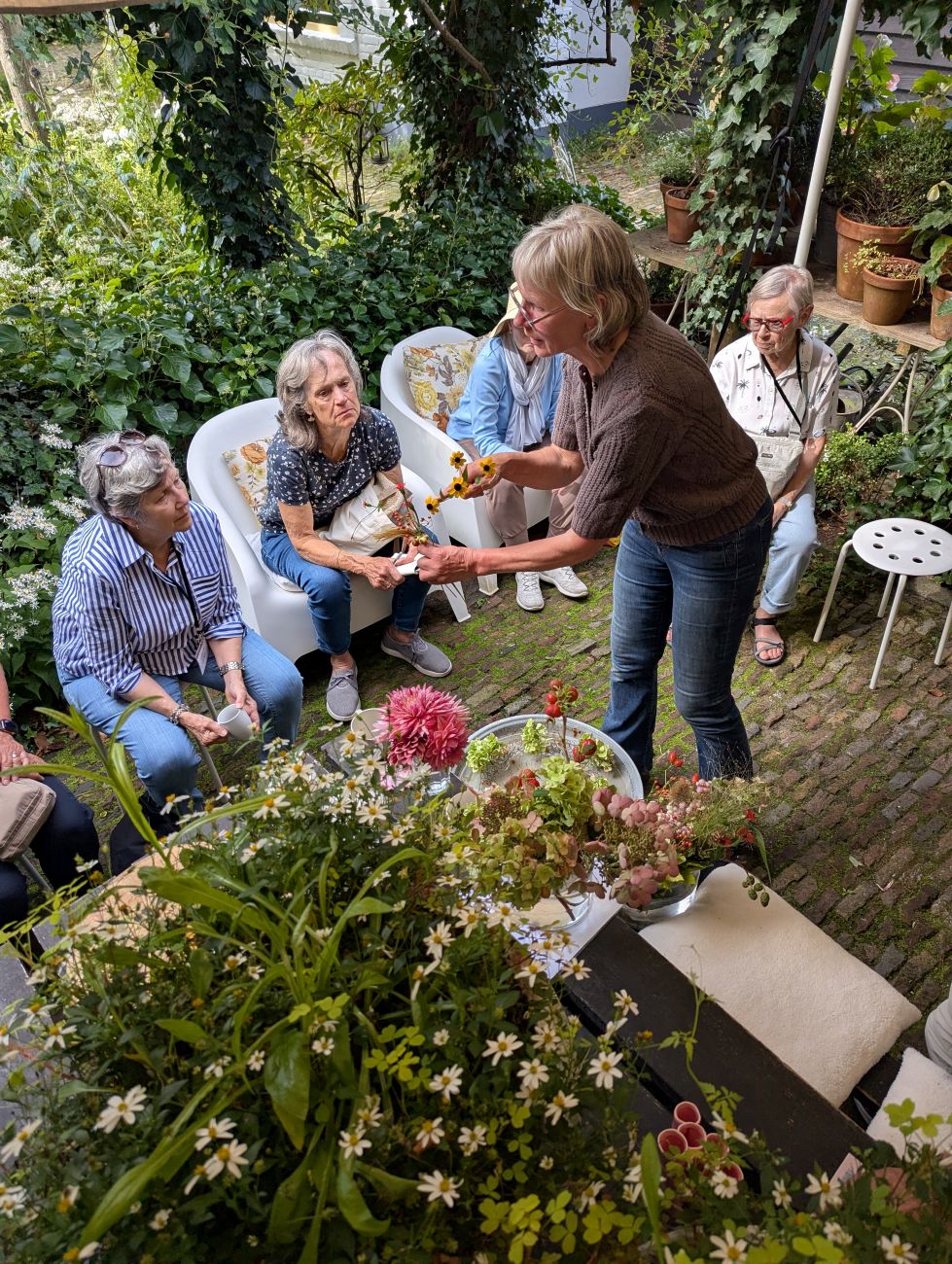
The tour experience culminates in a live demonstration by Nolsen, showcasing how these garden-grown flowers, structural foliage, and seasonal accessories come together to form effortless, natural arrangements. Visiting her property reframes the conventional concept of a cutting garden, proving that such spaces need not be restricted to utilitarian rows hidden away from view. Instead, Nolsen’s creation stands as a fully realized, immersive landscape that offers endless beauty outdoors while providing a bountiful harvest for the home throughout the seasons.