Welcome back to the ongoing garden journal series featuring the work of longtime contributor Susan from St. Paul, Minnesota, situated firmly in USDA Zone 5a. Over many years of sharing her landscape updates, Susan has provided fellow enthusiasts with a window into the unique challenges and triumphs of gardening near the 45th parallel. In her latest photo submission, she reflects on the vibrant evolution of her outdoor space from late July through October, showcasing a harmonious balance of shade-loving perennials, late-season pollinator magnets, and a few unexpected botanical discoveries.
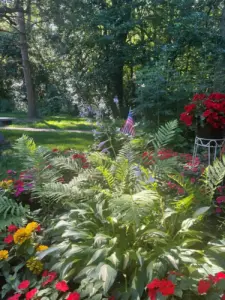
For those who have followed her previous seasonal reports, Susan’s meticulous attention to layout and plant pairing continues to shine. Her recent photo diary begins in the back garden during late July, where a shaded sanctuary highlights the architectural beauty of foliage and texture. Among the centerpieces is a massive Hosta montana ‘Aureomarginata’, a cultivar hardy in Zones 3 through 8. Susan notes that this particular specimen originally resided in the front garden, where it received an excess of direct sunlight. To save the plant from environmental stress, her husband stepped in to dig it up, allowing Susan to divide the massive root system into three distinct clumps.
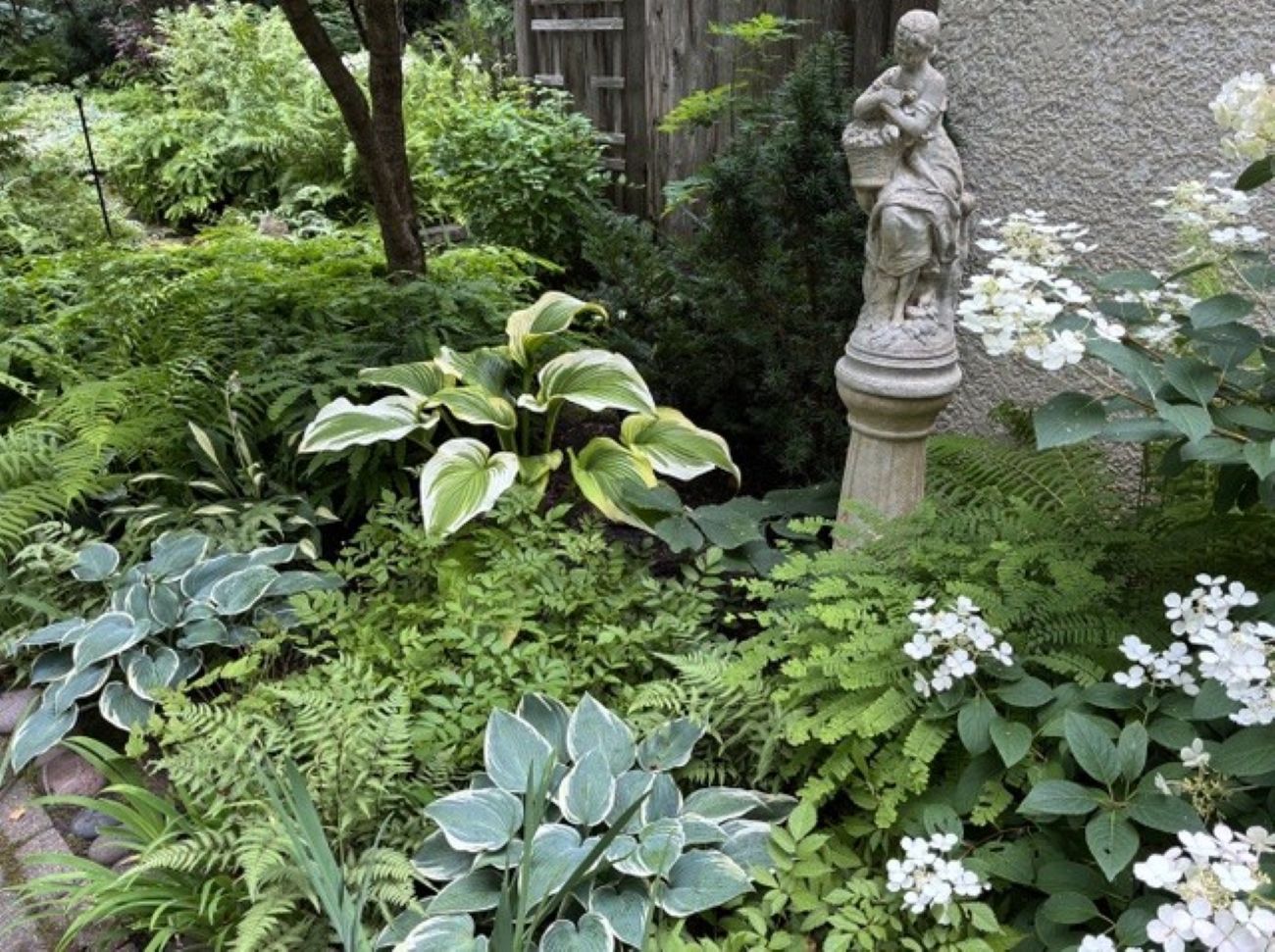
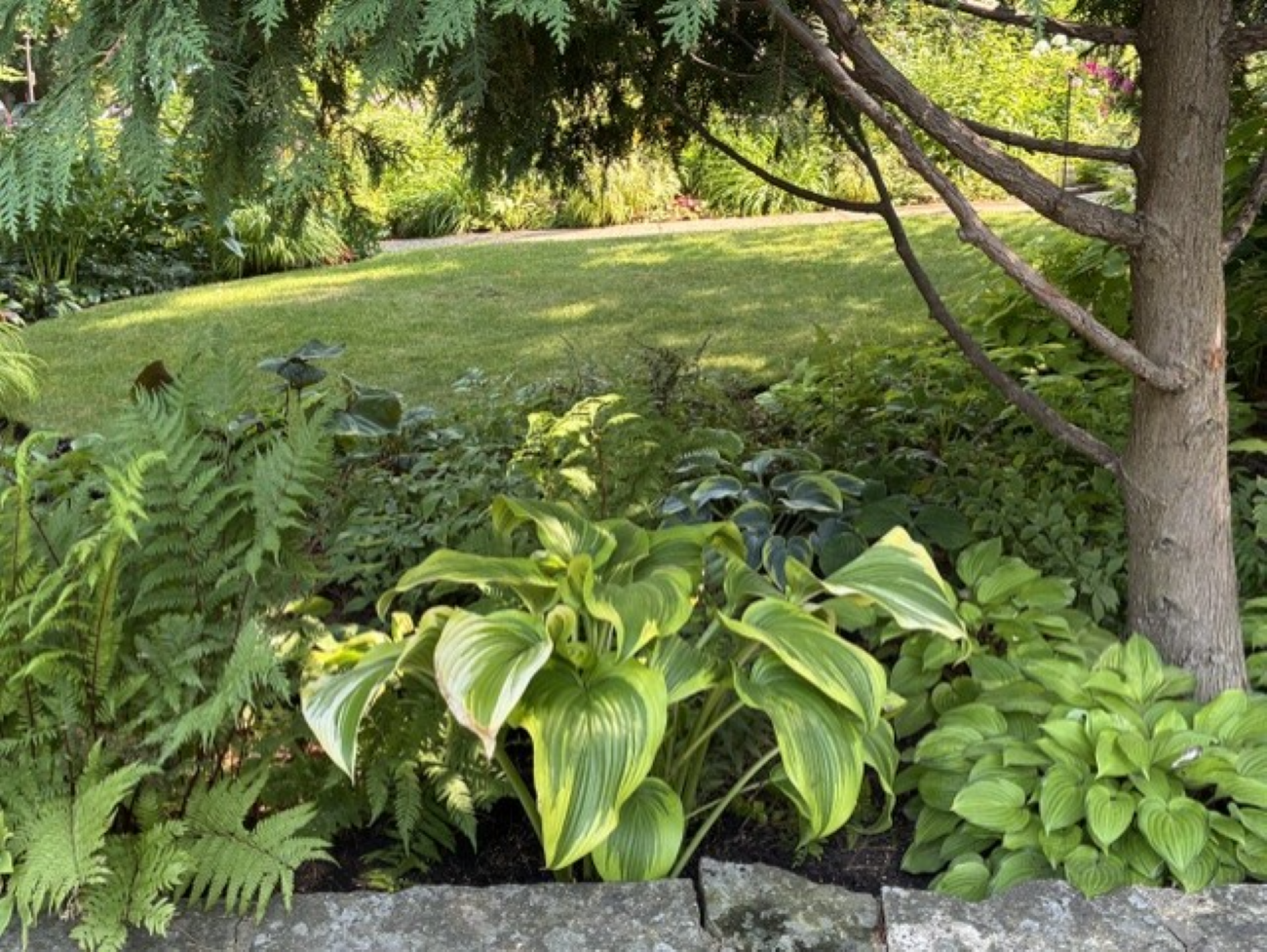
One of these divisions now anchors a shaded back garden vignette surrounded by striking blue-foliaged hostas known as ‘El Niño’ (Zones 3 through 9) and the compact panicle hydrangea Hydrangea paniculata ‘Little Quick Fire’ (Zones 3 through 8). A second division found a new home in the front garden beneath the comforting canopy of a white cedar tree (Thuja occidentalis, Zones 2 through 7), demonstrating the versatility and resilience of hostas when matched with the appropriate light conditions.
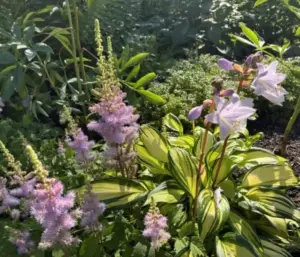
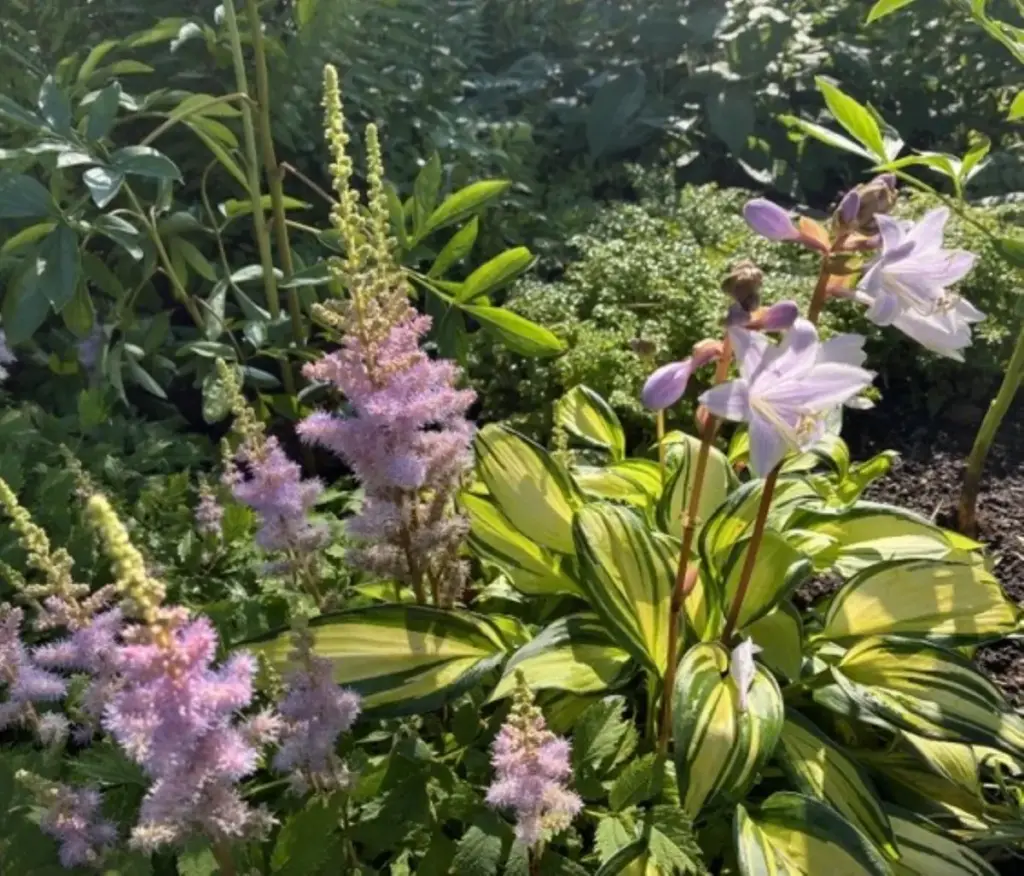
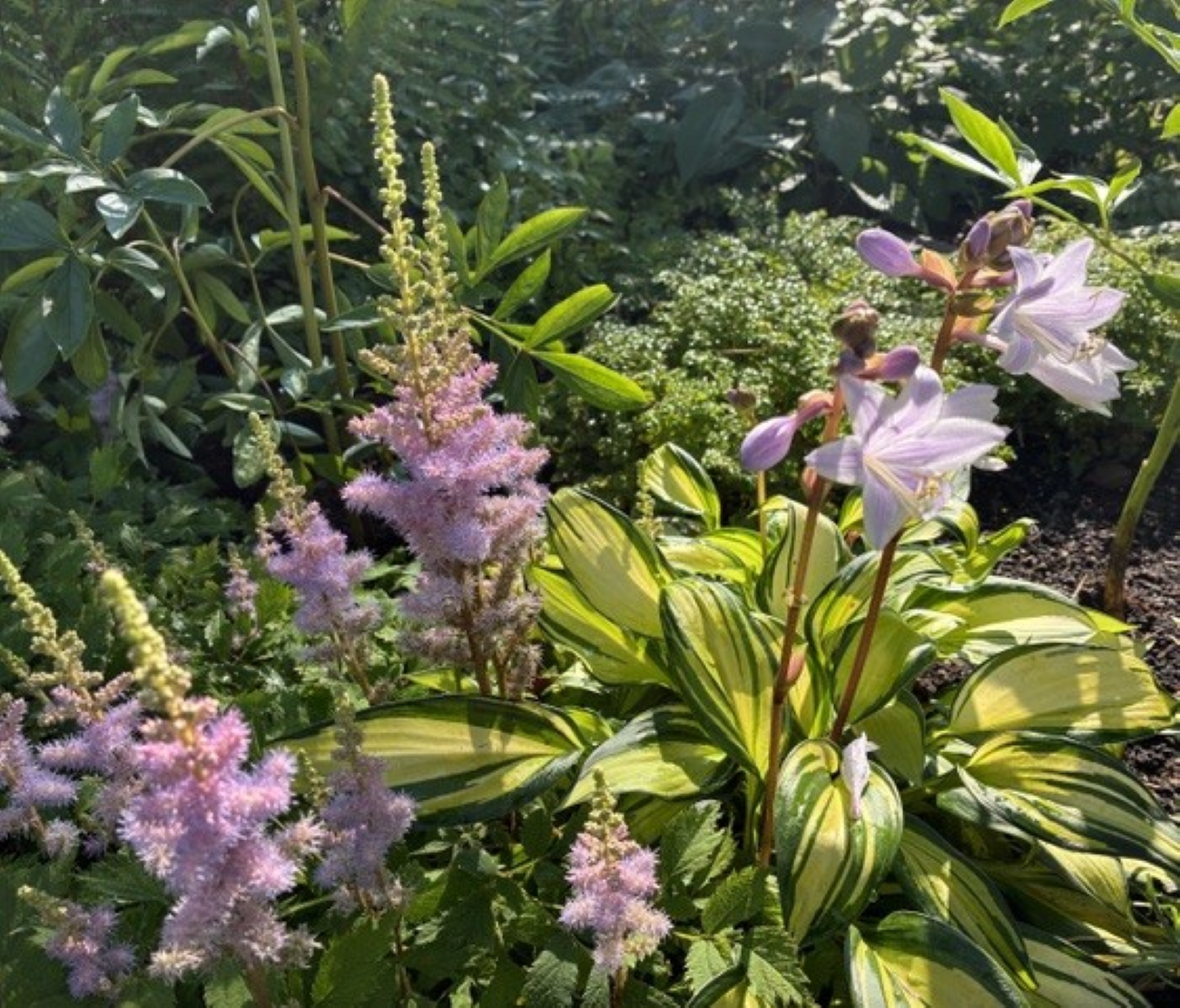
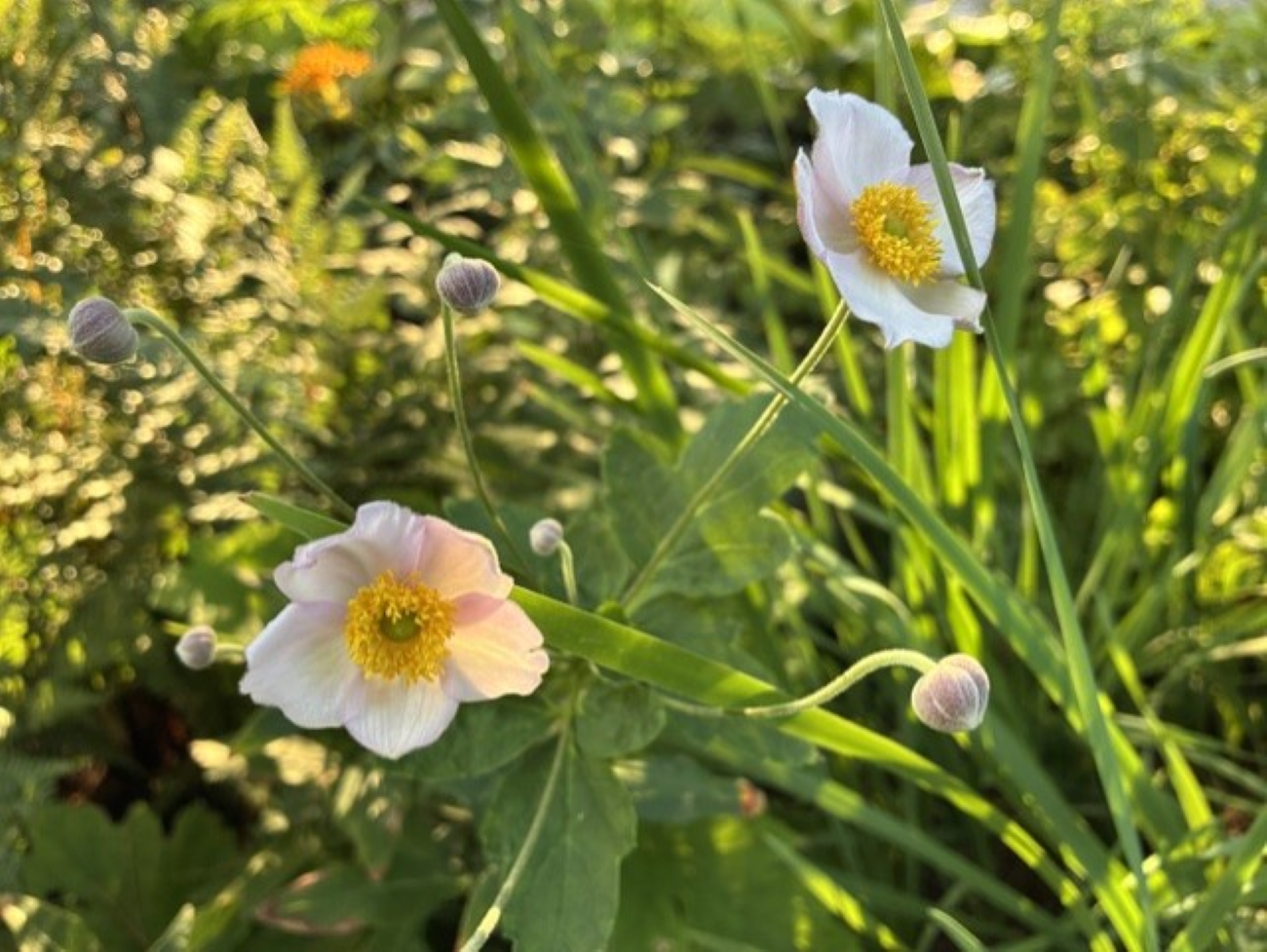
Susan’s appreciation for the subtle beauty of hostas extends beyond their foliage. Highlighting another favorite grouping in her shady perennial beds, she points out the quiet elegance of pale lavender hosta blossoms paired alongside the feathery, pink-plumed blooms of Chinese astilbe (Astilbe chinensis, Zones 4 through 8). Nearby, the late-afternoon sun catches the delicate, pale pink blossoms and round flower buds of the grape-leaf anemone (Anemone tomentosa ‘Robustissima’, Zones 4 through 8), creating a glowing focal point as summer slowly transitions into autumn.
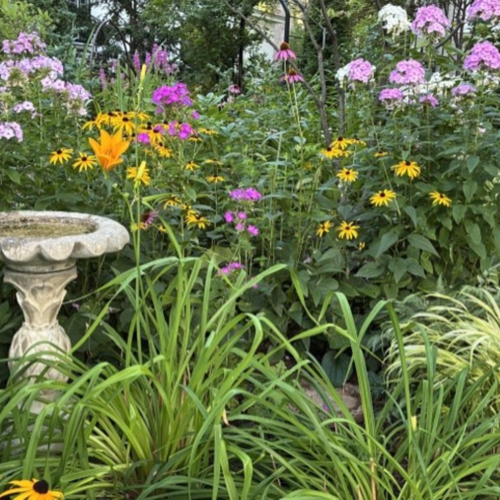
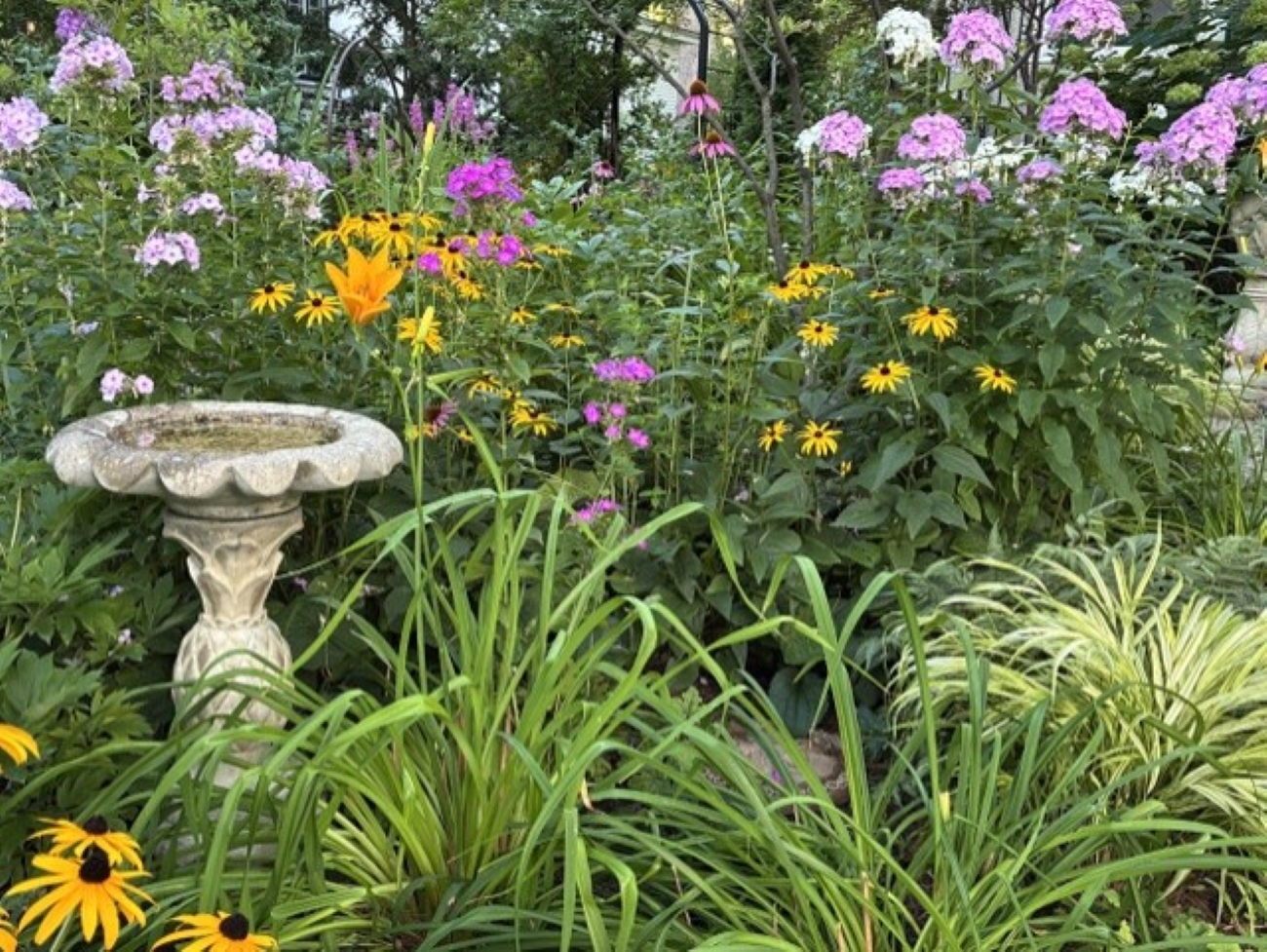
Moving toward the front garden, the palette shifts toward a rich symphony of end-of-summer gold and fuchsia. Here, garden phlox (Phlox paniculata cultivars, Zones 4 through 8) and black-eyed Susans (Rudbeckia cultivars, Zones 3 through 9) mingle with a treasured daylily blossom, Hemerocallis ‘Autumn Gold’ (Zones 3 through 9, a 1952 selection by Sutton). Susan playfully notes that this particular daylily managed to escape the relentless appetite of local deer, offering a welcome burst of golden warmth to the street-facing landscape.
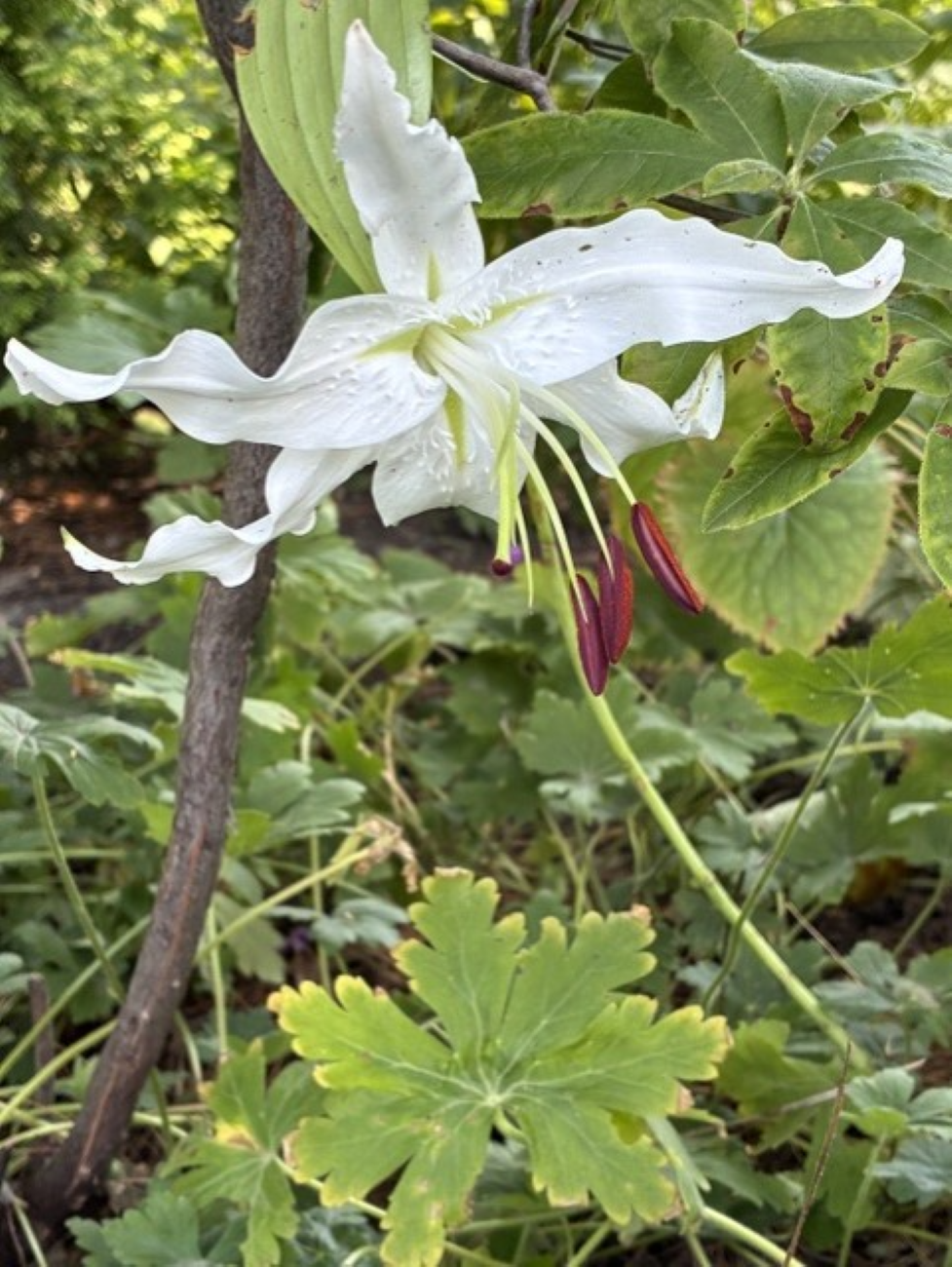
One of the most remarkable moments of the season occurred in a seldom-visited corner of the property during a routine landscaping overhaul. While clearing out debris and cutting back spent stems, Susan spotted what she initially assumed was a piece of trash left behind in the brush. Upon closer inspection, the discarded "trash" turned out to be a lone, surviving stalk and blossom of the Japanese lily (Lilium speciosum ‘Album’, Zones 5 through 8).
This particular specimen had somehow managed to evade the devastating ravages of the scarlet lily beetle, an invasive pest that has plagued many northern gardeners, while also escaping Susan’s own late-season cleanup frenzy. According to horticultural resources from Old House Gardens, this historic variety serves as a wild ancestor to the widely popular modern cultivar ‘Casa Blanca’. With Old House Gardens last offering the plant commercially in 2012, the variety is now considered commercially extinct in the Netherlands, making its unexpected appearance in a St. Paul backyard all the more precious. Susan remains hopeful that other hidden bulbs may have weathered the storm underground and will resurface in future seasons.
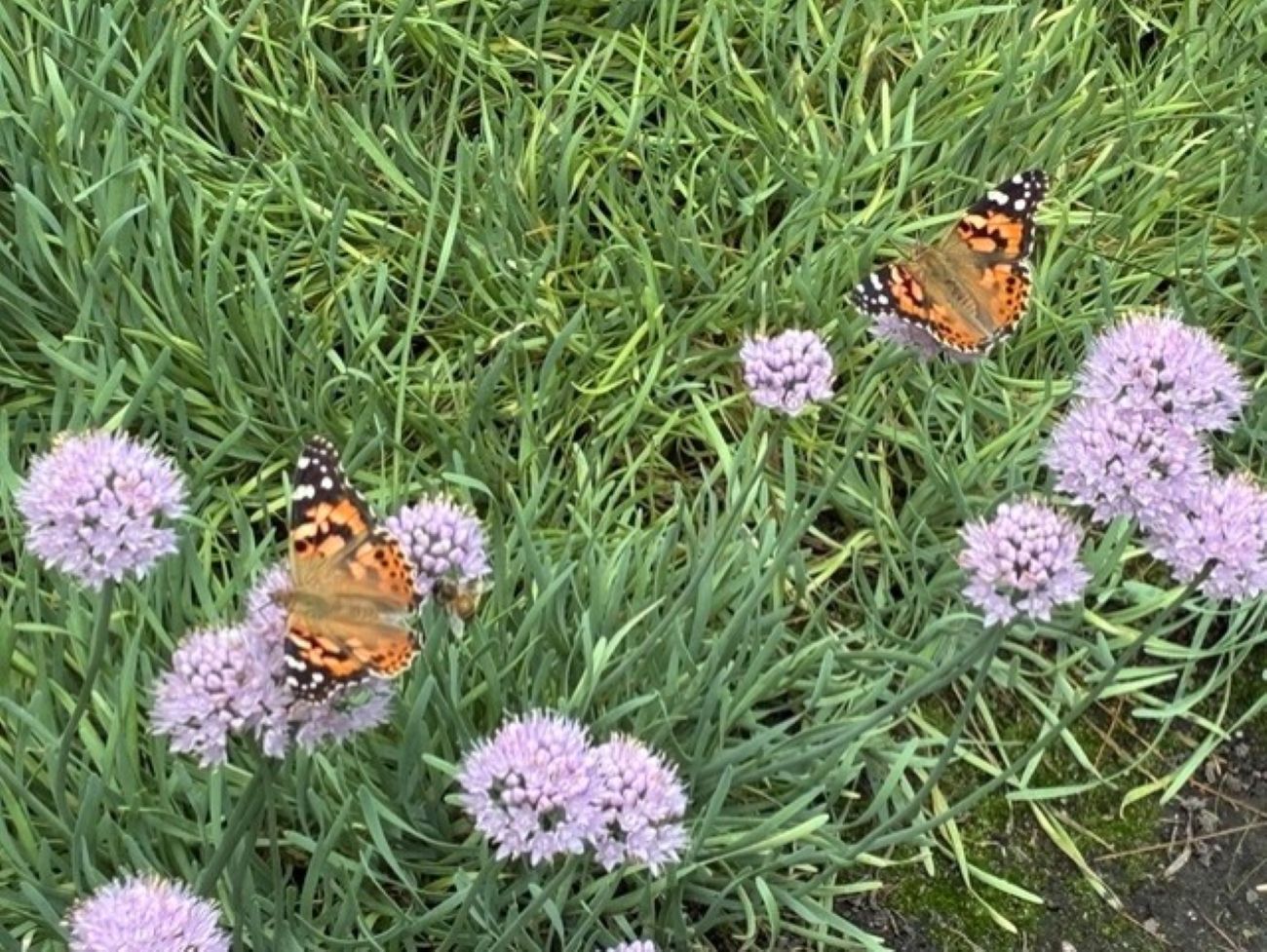
As the calendar turns deeper into autumn, Susan’s garden becomes a bustling hub of activity for local pollinators. Painted lady butterflies arrive in droves to feed on the curly onion (Allium senescens ‘Glaucum’, Zones 4 through 8), a reliable perennial whose long-lasting, lavender flower clusters and narrow blue-green foliage provide an essential nectar source and visual boost as other summer flowers fade.
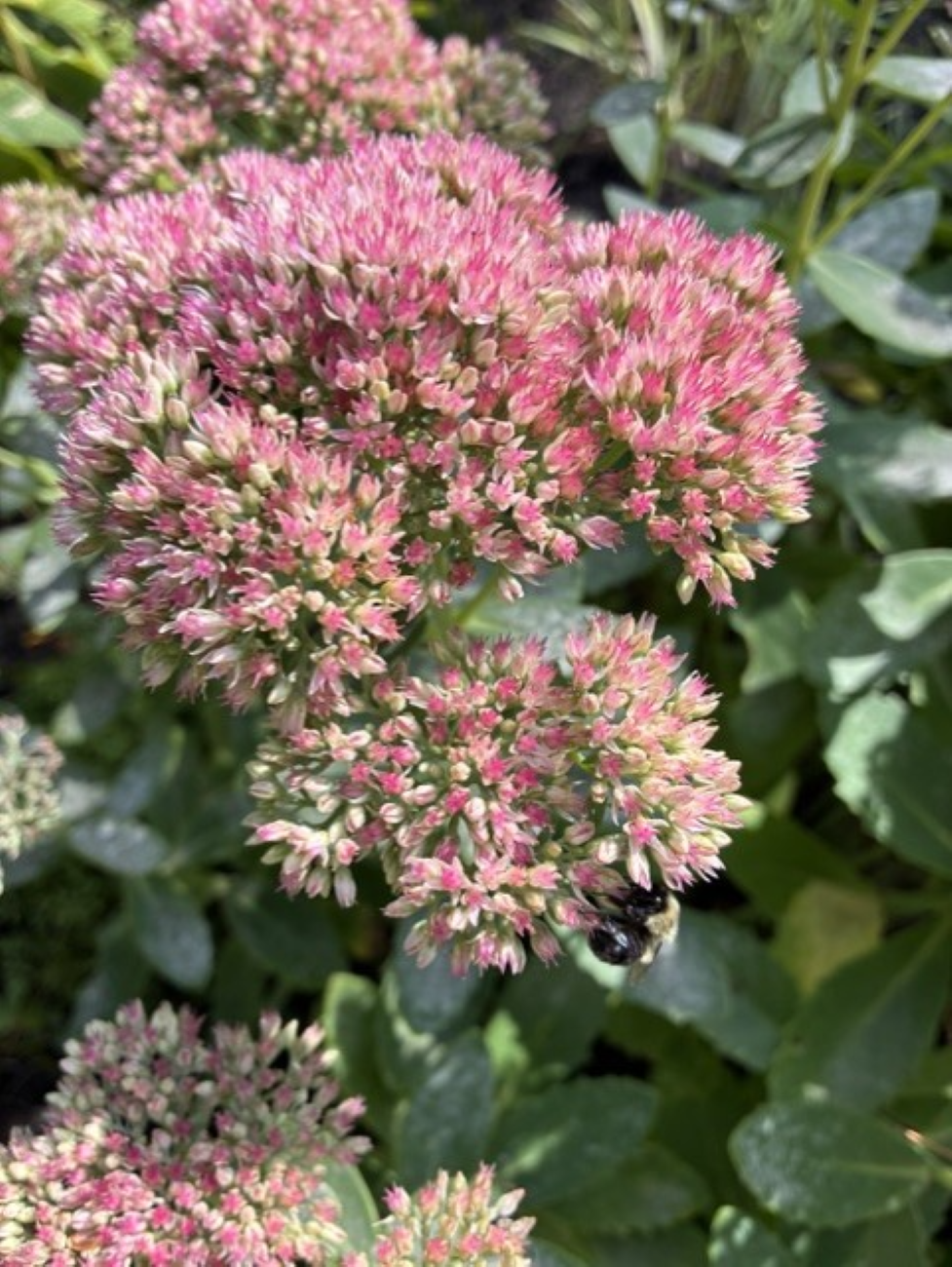
Nearby, the classic stonecrop Hylotelephium ‘Herbstfreude’, widely known as ‘Autumn Joy’ (Zones 3 through 9), steps up as another dependable fall powerhouse. Its broad, flattening pink flower clusters become a favorite gathering spot for bumblebees and other late-season beneficial insects.
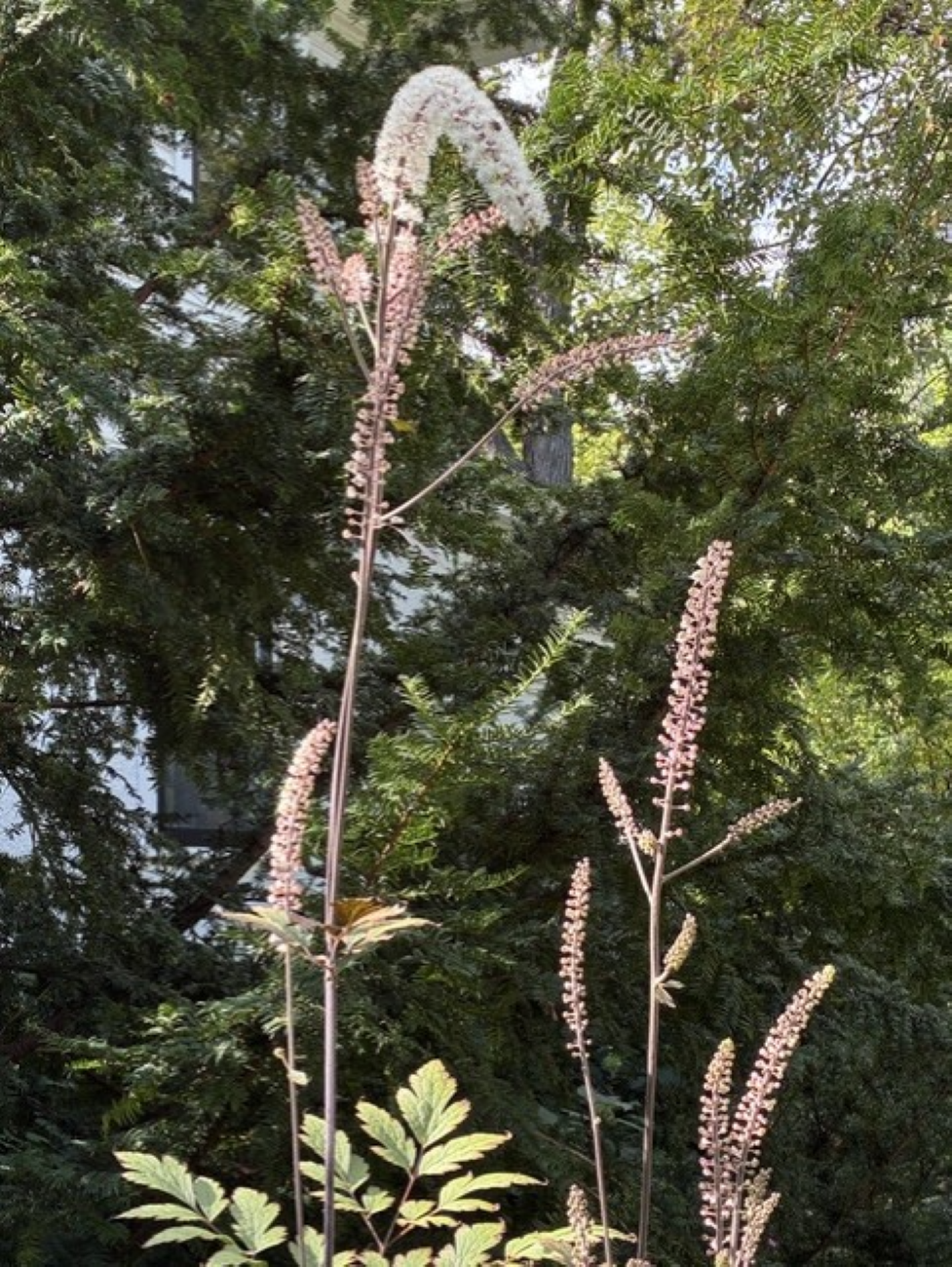
Adding architectural height to the shaded corners of the landscape, black cohosh—commonly referred to as bugbane (Actaea racemosa, Zones 3 through 8)—produces tall, slender racemes of arching white flowers. While Susan captured one striking cluster in mid-September, she notes that other clumps throughout her property continued to bloom robustly for more than a month afterward.
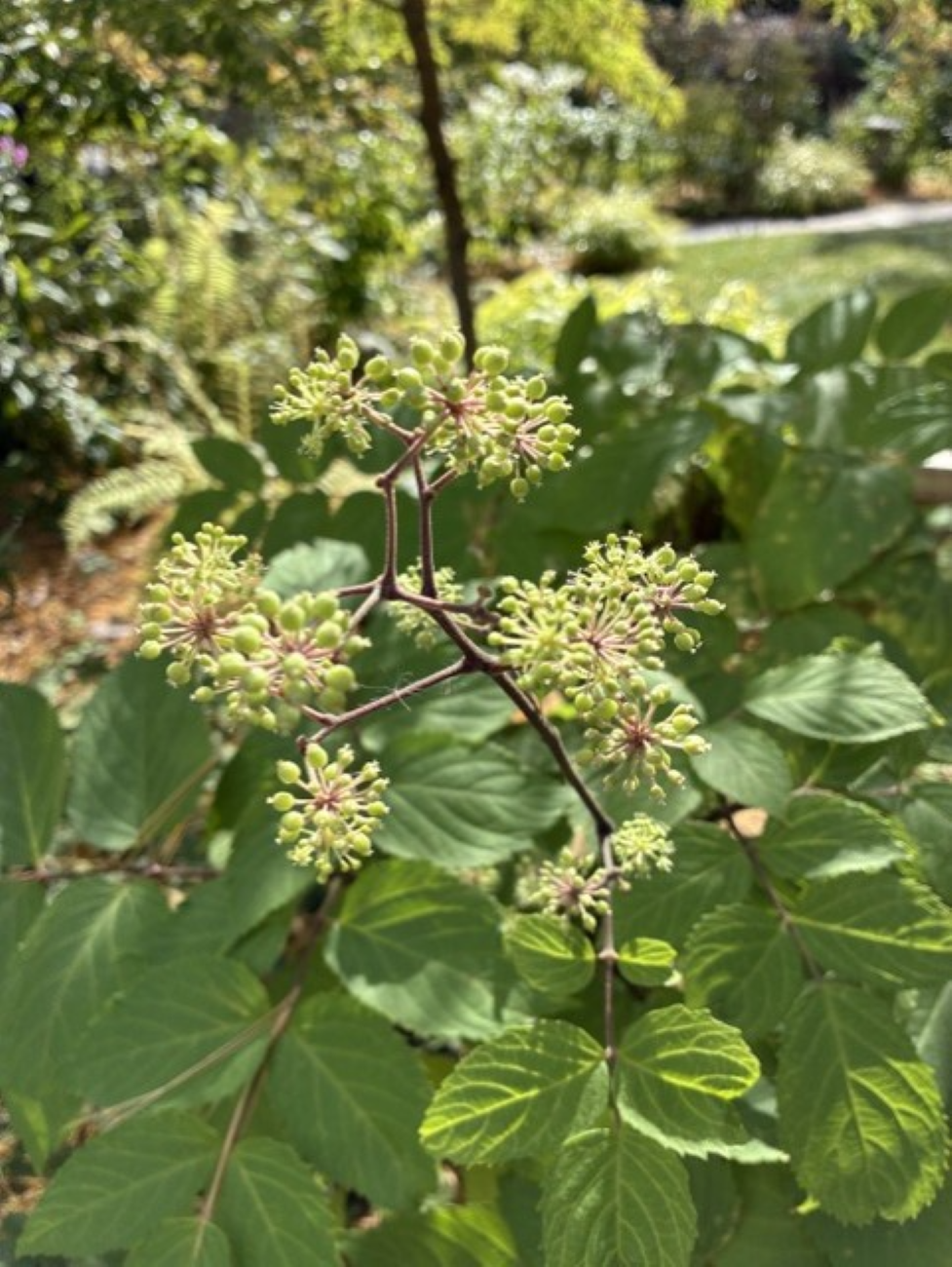
Completing the seasonal tour is the Japanese spikenard Aralia cordata ‘Sun King’ (Zones 3 through 9). While most gardeners prize this shade-loving perennial primarily for its luminous golden-yellow foliage, Susan points out that it also produces small, intriguing flowers and developing berries late in the season, adding a layer of subtle complexity to the autumn garden tableau.
With more photographic updates from Susan’s St. Paul landscape slated for release in the near future, gardeners along the 45th parallel and beyond can look forward to seeing further chapters of her ongoing horticultural journey.