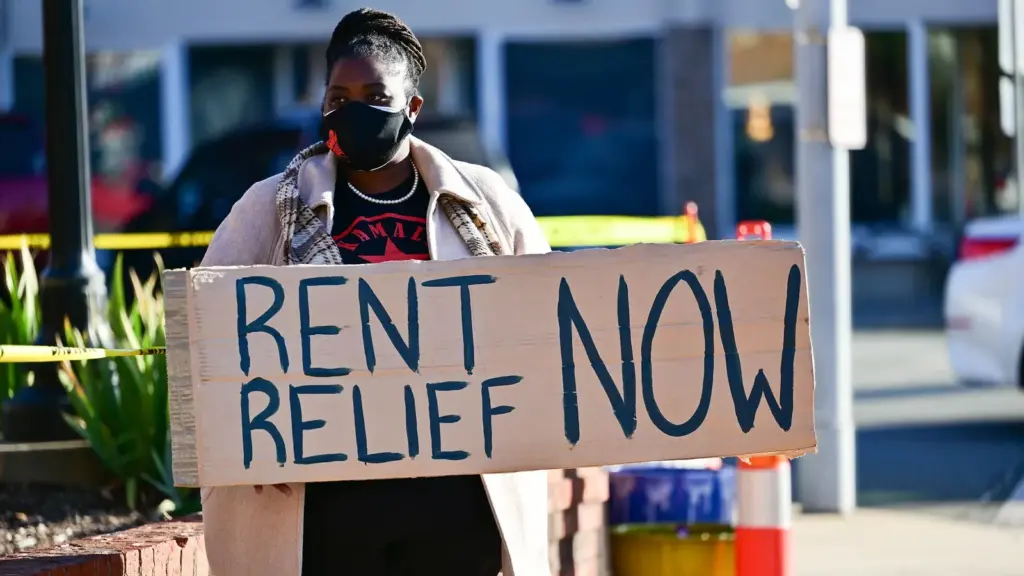
The conference arrives at a critical juncture for New York City, which was already plagued by systemic housing shortages and pervasive unaffordability long before the global COVID-19 pandemic disrupted daily life. Historical data underscores the depth of the challenge: prior to the public health crisis, more than half of all New York City households were rent-burdened, meaning they were unable to comfortably afford their rent without making major sacrifices in other areas of basic survival. Furthermore, the city witnessed a staggering 59 percent increase in the number of individuals sleeping in its municipal shelter system between 2009 and 2019.
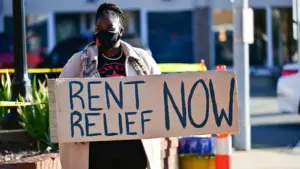
The pandemic has since acted as an accelerant, widening existing economic inequalities and straining the financial stability of countless working-class families. Following a brief, pandemic-induced dip in 2021, housing prices and rental rates have aggressively rebounded, returning to sky-high pre-pandemic levels that price out a vast portion of the local workforce. Compounding this pressure, the federal government’s two-year eviction moratorium officially expired in March, removing a critical safety net that had kept thousands of vulnerable tenants in their homes. In the wake of its expiration, landlords across the five boroughs have been filing approximately 2,000 eviction cases every single week, flooding housing courts and pushing the city’s housing stability infrastructure to its absolute breaking point.
Amid this mounting crisis, the administration of Mayor Eric Adams has made targeting homelessness a central pillar of its municipal agenda. However, the administration’s strategy has drawn intense scrutiny and fierce debate from community advocates, civil rights organizations, and policy experts alike. Critics frequently argue that Mayor Adams’s approach is overly punitive rather than preventative. Specifically, critics point to high-profile municipal policies such as the aggressive clearing of street and park encampments, as well as heightened law enforcement policing within the city’s subway systems, contending that these measures merely push visible distress out of sight rather than tackling the root socioeconomic causes of housing insecurity and homelessness.
On the budgetary front, Mayor Adams has pledged an additional $177 million for the expansion of homeless services and emergency shelters within the upcoming municipal budget for the fiscal year, which is scheduled to be finalized at the end of June. Additionally, the mayor has proposed allocating $22 billion over the next decade to build and preserve the city’s affordable housing supply. While substantial on paper, this proposed allocation falls notably short of Mayor Adams’s own ambitious campaign promise, during which he pledged to spend $4 billion a year specifically on housing production and preservation. Housing advocates have been vocal in their assessment, warning that the current funding commitment is not nearly enough to match the unprecedented scale of the city’s affordability deficit.
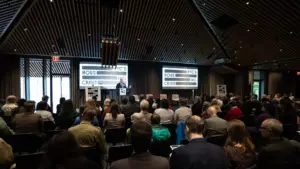
To foster a comprehensive dialogue on these urgent matters, the “NYC’s Housing Crisis” conference brings together a diverse assembly of leading housing experts, policymakers, community activists, urban planners, and visionary designers. The collective goal of the gathering is to thoroughly examine the deeply intertwined structural issues of housing affordability, tenant protection, and homelessness that continue to plague New York City.
The event is being held from 8:00 a.m. to 1:00 p.m. at the Stavros Niarchos Foundation branch of the New York Public Library, centrally located at 455 Fifth Avenue in Manhattan. The conference is officially supported by IDC, with Architectural Record serving as the premier media sponsor. For those interested in reviewing the full event agenda, browsing the comprehensive list of expert speakers, or securing registration details, further information is readily available through the AIA New York website.