For a few intense days, the historic nave of the Grand Palais in Paris transformed into the epicenter of the global art world. Artists, gallerists, collectors, and handlers from every corner of the globe gathered beneath the soaring glass vault for Art Basel Paris, a premier fixture on the international cultural calendar. But this year’s edition played out against a volatile backdrop. Even as blue-chip galleries showcased multi-million-dollar works and fashion-forward attendees posed for street-style photographers, simmering civil unrest and widespread demonstrations across the French capital cast a long, inescapable shadow over the proceedings, eventually forcing the fair to close its doors early.
The juxtaposition of high-end commerce and grassroots political friction was impossible to ignore for those working inside the venue. Rodrigue Fondeviolle, a writer based in Paris’s 19th Arrondissement, captured the palpable tension that defined the atmosphere. Walking the polished concrete floors among pristine white exhibition walls, Fondeviolle reflected on the peculiar isolation of the art market.
"It makes you question how self-sufficient the art world really is with all these white cubes that shut out the noise," Fondeviolle noted. "A lot of artists are socially engaged, and their work carries a political message. But the commercial ecosystem around them, the dealers and collectors, tends to sanitize it. Right now, though, you can’t escape reality."
That reality—marked by transit strikes, labor disputes, and energetic street protests over economic conditions and public services—created a stark contrast to the insulated luxury inside the Grand Palais. Yet, inside and immediately outside the venue, the human element of the art fair remained vibrant, driven by the eclectic mix of international talent required to mount such a massive exhibition.
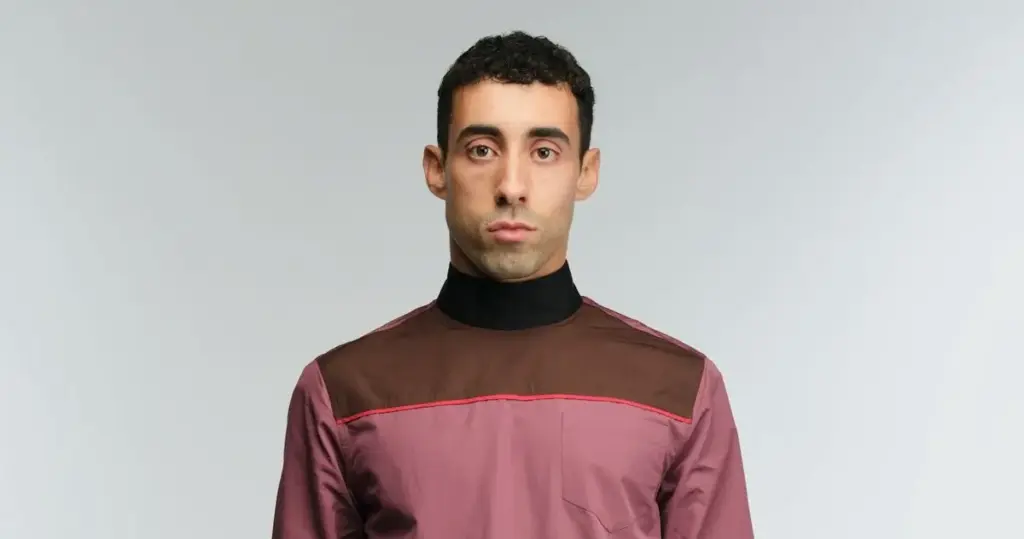
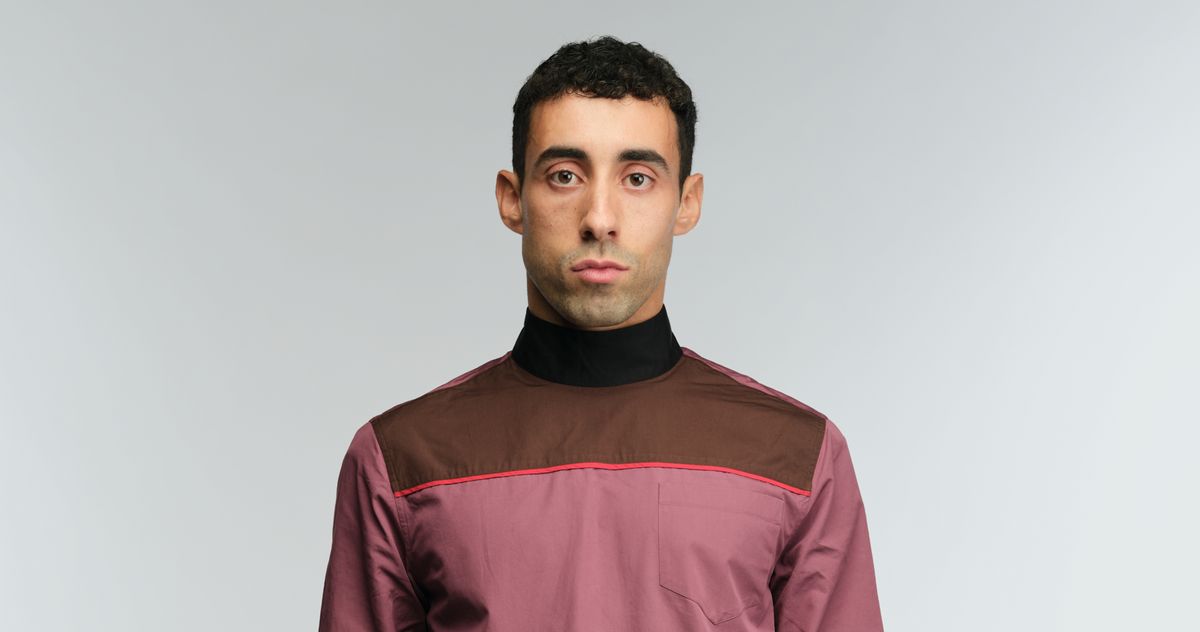
Among them was Hooper Turner, a gallery registrar from East Harlem, who brought a distinct New York sensibility to the Parisian venue while admiring a striking, expressive Picasso head.
"It’s a great Picasso head with beautiful colors," Turner said, describing the piece. "Very expressive, and I thought it would look good with all my browns today. October is my birthday month, so I love these kinds of warm tones. I don’t usually dress like this in New York. This is my Paris outfit."
For the behind-the-scenes workforce—the art handlers, registrars, and technicians who labor out of the spotlight to ensure fragile masterpieces are safely installed and illuminated—the fair is as much about physical endurance as it is about aesthetic appreciation. Professionals like Sorin Prodea and Silvio Bartsch, art handlers traveling from Germany, navigated the labyrinthine booths alongside colleagues like Y’ánah Simonet, an art handler based in the 18th Arrondissement.
Simonet, whose striking look included vivid blue hair inspired by the cinematic romance Blue Is the Warmest Color, discussed the balancing act of maintaining a personal identity within a traditionally uniform profession.
"For four years, it was orange to go with my DJ name, DJ Red Flag," Simonet explained. "I dyed it blue three months ago because of Blue Is the Warmest Color. When I’m installing, I wear black to be discreet. It’s hard with blue hair. That’s why I’m wearing a hat. Usually we wear black gloves, but today I decided to match my hair."
That same spirit of individual expression within a disciplined framework echoed in the reflections of Eva Maspoli, an art handler from Switzerland. While the standard protocol for handlers often dictates understated black attire to keep the focus entirely on the artwork, Maspoli found a way to inject a personal touch into her daily uniform.
"We have to wear black, but I always need a spark of color," Maspoli said, gesturing to a vibrant silk scarf. "I found it in a secondhand shop. They gave it to me for one euro, and they didn’t even know it was this very good silk. I wear it here because I’m one of the few females doing this job in a man’s world and I want to show, like, ‘Hey, we’re also here and we’re as strong as you.’"
The international reach of the fair brought together figures from every tier of the cultural ecosystem, including artists Ahmed Umar from Oslo and Drake Carr from Prospect–Lefferts Gardens, alongside gallery directors like Pauline Daly from London and powerhouse gallerist Daniel Templon from Paris’s historic Third Arrondissement.
David Zwirner, the renowned gallerist from the East Village, offered a characteristically pragmatic take on the sartorial traditions of the art world’s elite, admitting that high fashion was secondary to long-term comfort.
"I’m wearing what I wore yesterday and what I will wear tomorrow," Zwirner said. "I’ve been wearing New Balance for 30 years. Usually I wear a T-shirt, but today’s too cool. I couldn’t tell you who made any of this. I’m not Mr. Fashion."
Beyond the immediate commercial sphere of the Grand Palais, the ripple effects of France’s broader social discontent touched attendees who viewed the city through different lenses. Milou-Daniel Drici, a professor of medicine visiting from Cannes, found himself connecting the dots between the unrest on the streets and the systemic pressures facing educational institutions across the country.
"I teach first-year medical students at the university in Nice," Drici said, discussing the mood among students amid the demonstrations. "There are about 1,500 in a single room. The state is always asking us to do more with less. We have more and more students entering the university, but we don’t have more teachers. It’s the same in high schools."
Despite the disruptions and the looming threat of escalating demonstrations that ultimately prompted organizers to curtail the fair’s schedule, prominent cultural leaders emphasized the irreplaceable vitality of Paris as a creative nexus. Klaus Biesenbach, a museum director splitting his time between Berlin and Rockaway Beach, encapsulated the emotional whodunit of attending the event during a turbulent week.
"It’s been a roller coaster between the protests and being worried for Europe," Biesenbach reflected. "Pero then to go to the Fondation Louis Vuitton, where there are Gauguins and Redons. And at Lafayette Anticipations, it’s all contemporary art. There’s no other place you can see this incredible diversity of work."
As the crowds finally dispersed from the Grand Palais ahead of the early closure, and as artists, gallerists, and collectors packed their portfolios and prepared to catch flights back to New York, London, Berlin, and beyond, Art Basel Paris left an indelible impression. It served not only as a marketplace for blue-chip transactions and cutting-edge creativity, but as a vivid reminder of how deeply the contemporary art world remains intertwined with the social and political realities of the streets outside its doors.