Introducing
joy, elegance, or whimsy into a landscape design could be as simple as a trip to the local nursery. According to garden design experts, the true trick to achieving a cohesive outdoor living space is to first decide what kind of vibe or emotional atmosphere you would like your property to radiate, and then deliberately seek out the specific flora that evoke those exact feelings.
In an entertaining and insightful episode of the Super Cool Plants podcast, professional designers Catharine Cooke and Susan Morrison delve into this concept, sharing a curated selection of plant choices designed to spark imagination. The discussion encourages gardeners and landscape enthusiasts alike to think deeply about the emotional weight and psychological impact their design choices can bring to their own yards.
Listeners can tune in to the episode directly through digital podcast platforms or watch the discussion unfold visually on the official Super Cool Plants YouTube channel.

Plants That Set a Mood in the Landscape
The core of the discussion centers on how different botanical specimens carry distinct emotional signatures. By categorizing plants according to the moods they project, designers can more effectively communicate a desired aesthetic, whether that involves creating an uplifting sanctuary, a sophisticated retreat, or a whimsical escape.
Mood: Joyful
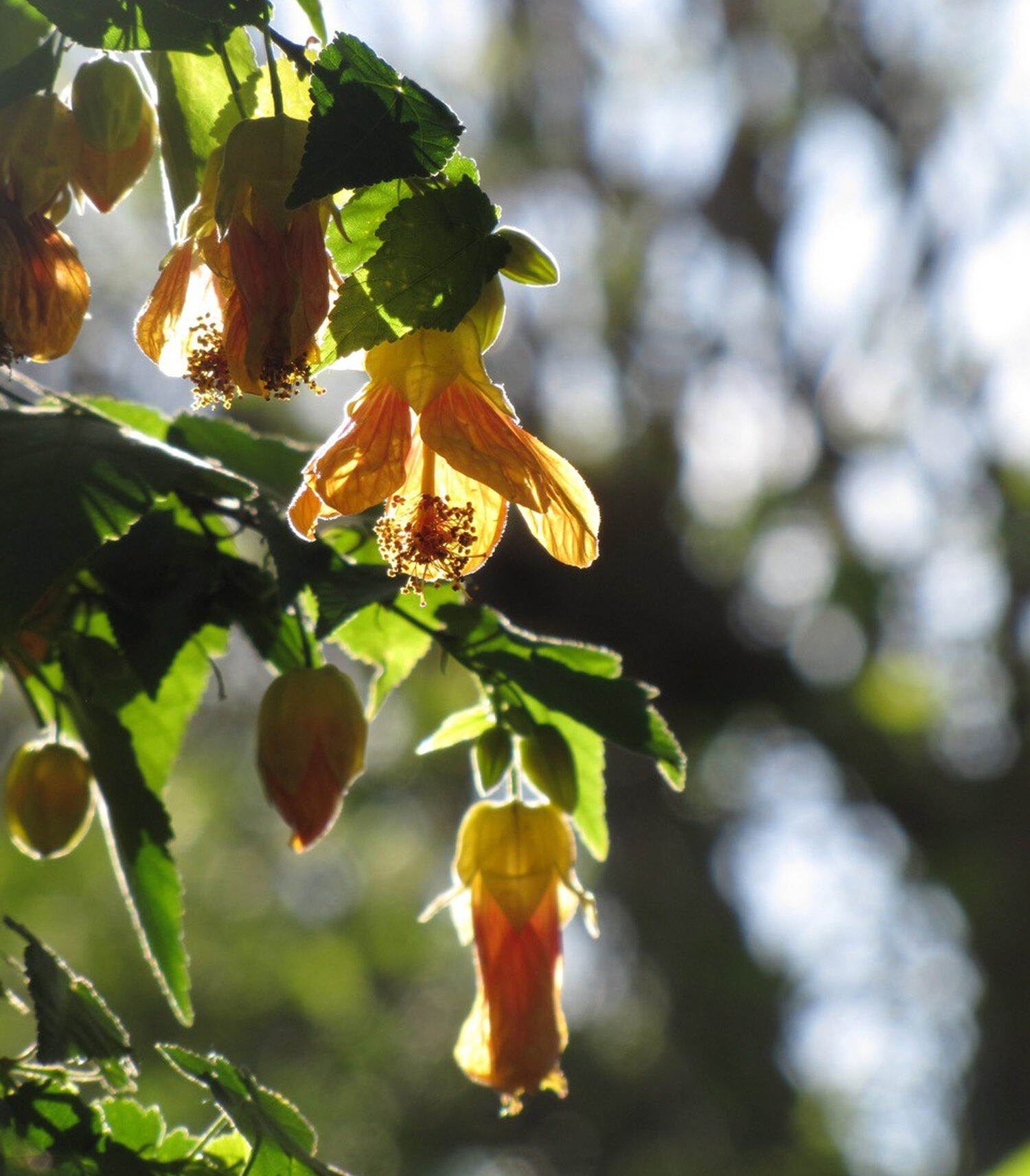
For spaces intended to lift the spirits and inspire happiness, bright colors and energetic growth habits are key. Among the standout selections highlighted by the designers are the ‘Victor Reiter’ flowering maple (Abutilon), which brings vibrant, dangling bell-shaped blooms that dance in the sunlight, injecting instant life and cheer into a garden bed.
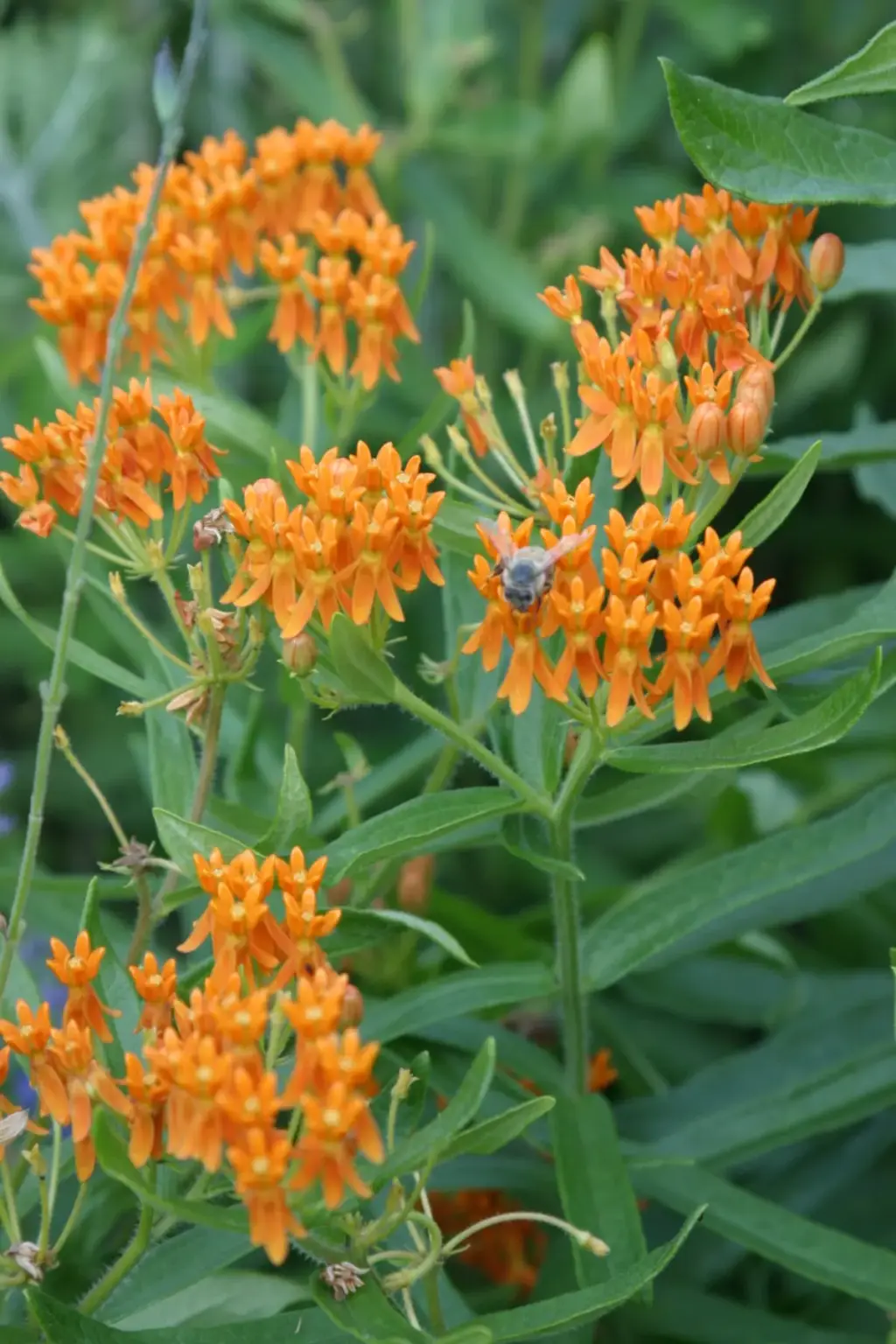
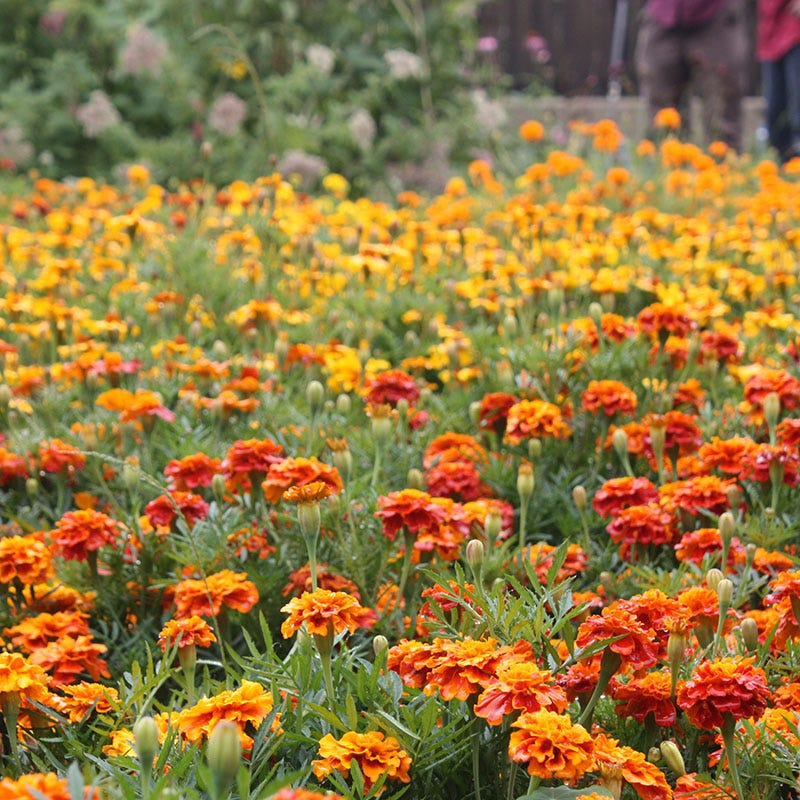
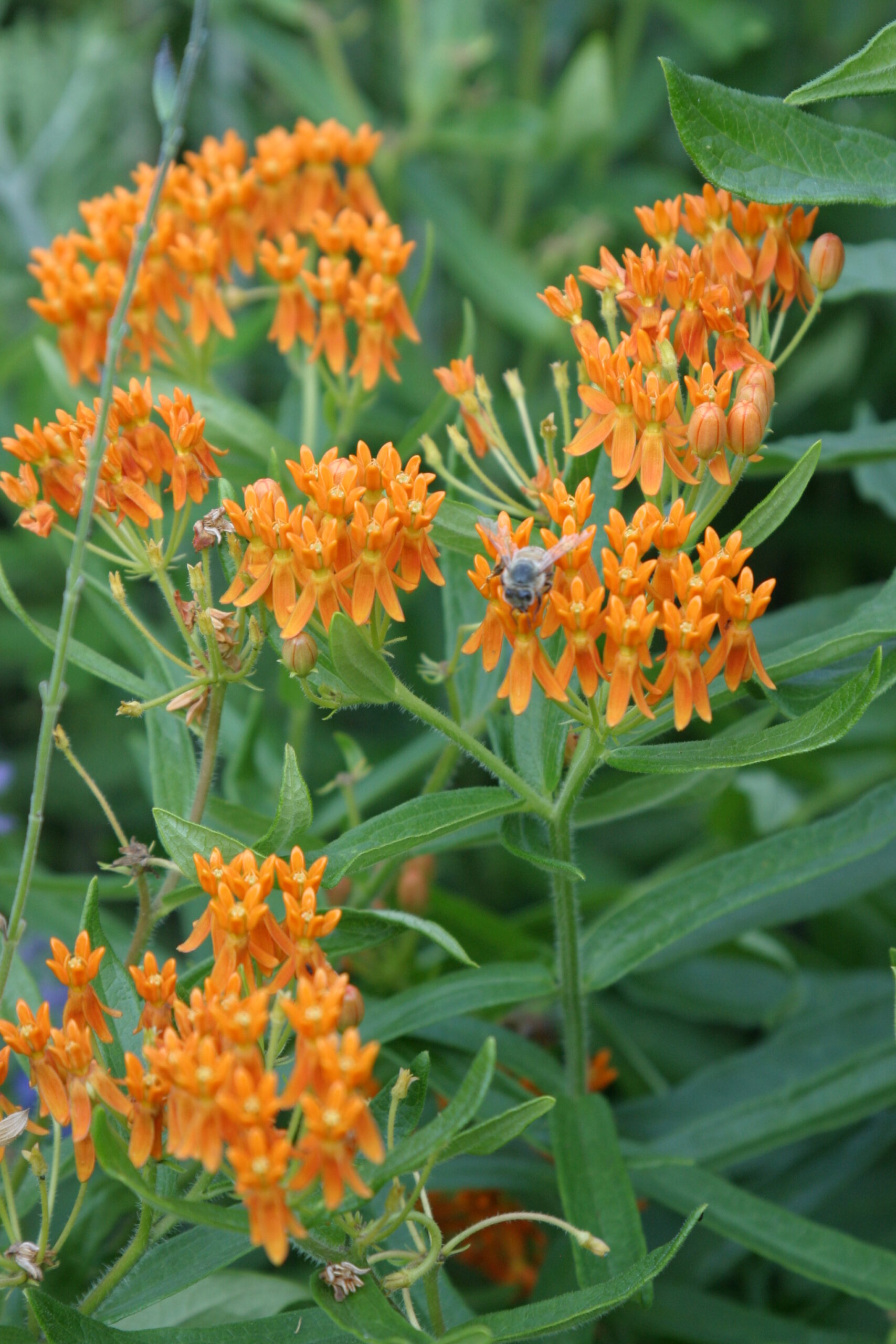
Complementing the flowering maple are the reliable and spirited Sparky Mix French marigolds (Tagetes patula), known for their fiery, sun-drenched hues that have long been a staple of vibrant summer gardens. Additionally, butterfly weed (Asclepias tuberosa) makes an appearance in this category, offering brilliant clusters of orange blossoms that not only radiate warmth and joy but also serve a vital ecological function by supporting local pollinators, adding a dynamic layer of lively movement to the space.
Mood: Elegant
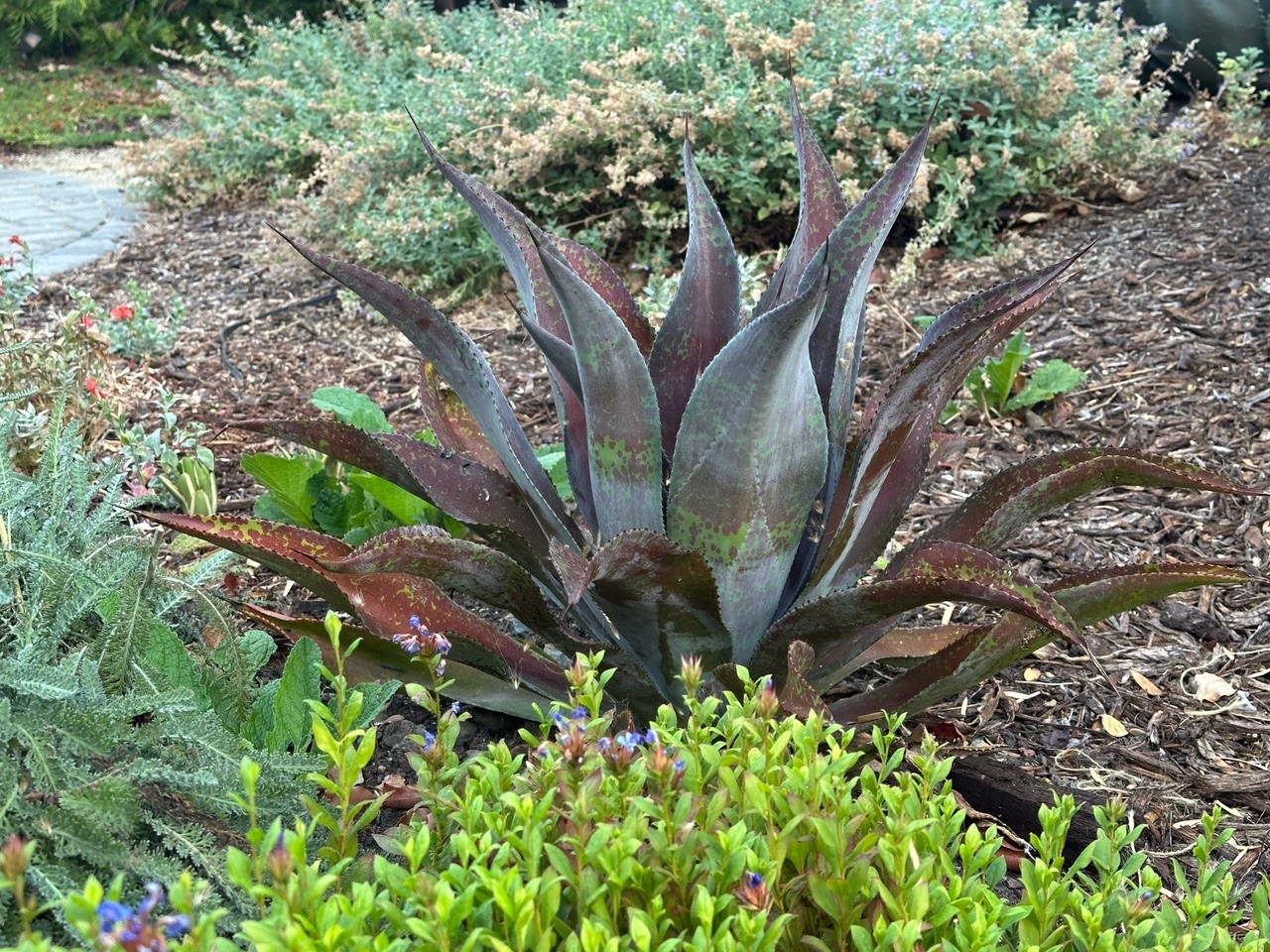
When the design objective shifts toward sophistication, refinement, and sleek lines, gardeners must look toward specimens that command attention through architectural form or understated luxury. The ‘Mission to Mars’ mangave offers a striking example, blending the architectural structure of agaves with the refined spotting and coloration derived from its mangave breeding, resulting in a specimen that feels both modern and aristocratic.
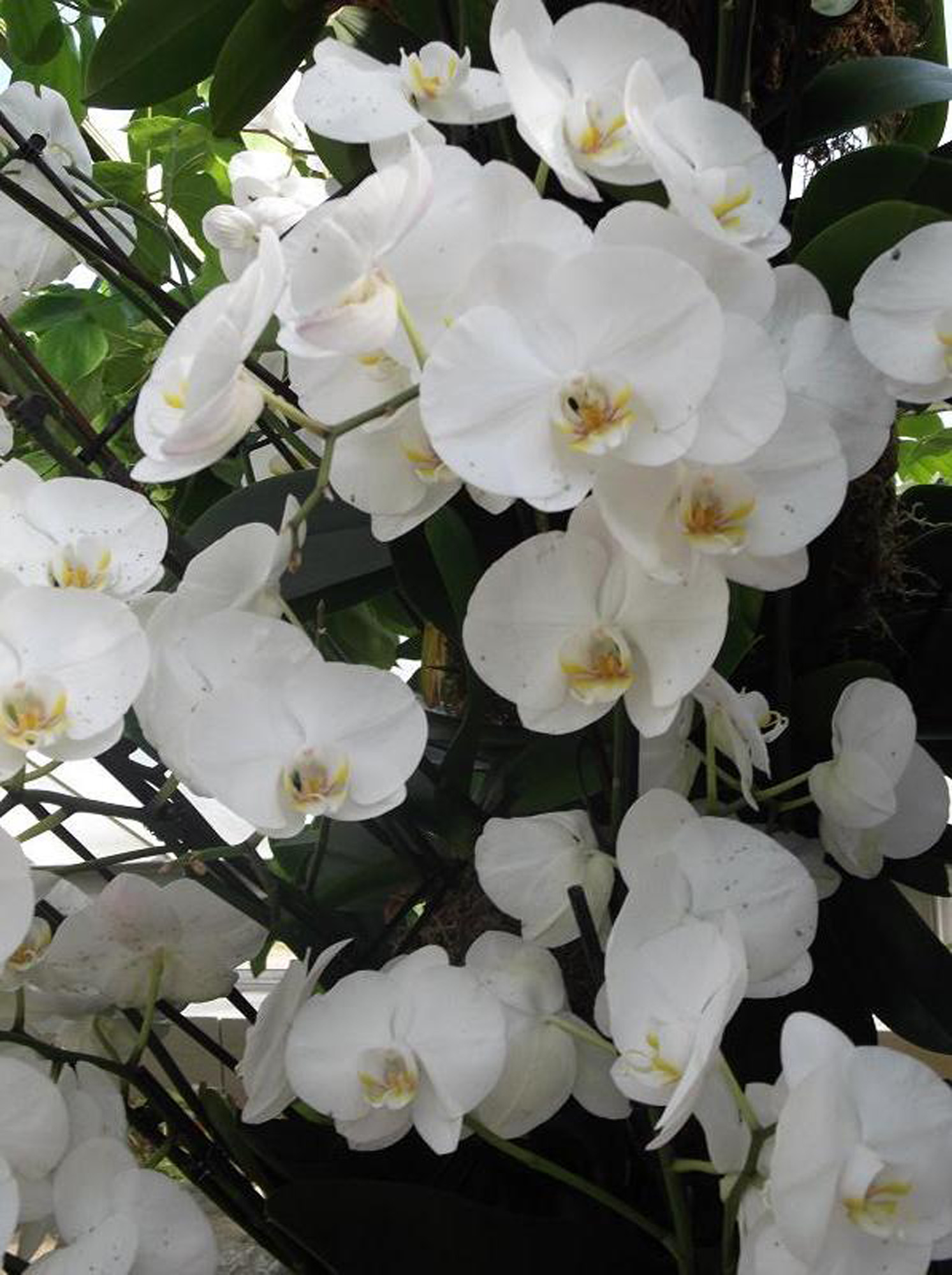
For indoor-outdoor integration or sheltered garden rooms, the classic Phalaenopsis orchid represents the pinnacle of botanical elegance. With its graceful, arching sprays of pristine blooms, the orchid introduces a sense of quiet luxury and polished grace that instantly elevates the formality of any setting.
Mood: Nostalgic
Gardens often serve as a bridge to the past, evoking memories of childhood homes, historic estates, or grandmother’s backyard. To capture this sentimental atmosphere, the experts point toward plants steeped in traditional charm.
The ‘Petite Butterfly’ sweet pea shrub (Polygala fruticosa) brings a delicate, old-fashioned beauty to the landscape with its pea-like purple-pink flowers. This sense of historical charm is further amplified by the classic common lilac, specifically varieties such as Syringa vulgaris ‘Wedgewood Blue’. Renowned for their intoxicating fragrance and abundant spring panicles, lilacs have the unique ability to transport observers back in time, anchoring the garden in a rich, generational tradition of horticulture.
Mood: Whimsical
Playfulness and a sense of lighthearted surprise are essential for gardens designed to delight visitors of all ages. To achieve this whimsical tone, the designers highlight the ‘Cousin Itt’ acacia (Acacia baileyana ‘Cousin Itt’). With its unusual, mounding, cascading green foliage that spills playfully over retaining walls or ground surfaces, this unique cultivar defies rigid categorization and introduces a quirky, amiable personality to modern landscape designs.
Mood: Hopeful
Springtime optimism and the promise of renewal find their botanical expression in plants that signal the awakening of the natural world. The Butterflies magnolia in bloom serves as a prime example of this uplifting category. Bursting into flower with soft, buttery-yellow blossoms before its leaves fully emerge, this magnolia variety captures the pure essence of hope, signaling the definitive end of winter and the bright potential of a new growing season.
Mood: Disney Princess
For those seeking an overtly magical, storybook aesthetic reminiscent of classic fairy tales, certain plants possess an almost theatrical grandeur. The ‘Superb’ silky oak (Grevillea cultivar) fits this enchanting brief perfectly. With its deeply cut, fern-like foliage and exotic, fiery flower brushes, it creates an otherworldly visual impact that feels plucked straight from a royal fantasy realm.
Mood: Contemplative
Finally, gardens frequently function as places of quiet retreat, meditation, and mental restoration. To foster an environment conducive to deep thought and calm introspection, the designers turn to the laceleaf Japanese maple (Acer palmatum var. dissectum). Characterized by its graceful, weeping habit, delicate finely cut foliage, and tranquil sculptural presence, the laceleaf Japanese maple creates a natural focal point that encourages stillness and contemplation.
Listeners interested in exploring more of Susan Morrison’s design philosophies can find her past articles and author resources via her dedicated author page on the Fine Gardening website, or pick up a copy of her acclaimed book, The Less Is More Garden: Big Ideas for Designing Your Small Yard. Catharine Cooke’s extensive archive of gardening articles is similarly available for enthusiasts seeking further professional insight.