The acquisition comes after a tumultuous period for the spire-topped skyscraper. Its most recent owner, Aby Rosen’s RFR Realty, had ambitious plans to overhaul the building’s dated office spaces and amenities, but those redevelopment efforts ultimately derailed following the severe shifts in the Manhattan office-space market triggered by the COVID-19 pandemic. Unable to weather the financial pressures, RFR lost the building in a foreclosure proceeding earlier this year, setting the stage for Tishman Speyer to step back in and take over operations.
The work cut out for the new ownership group is substantial. While the Chrysler Building remains a beloved feature of the Manhattan skyline with its gleaming steel crown and spiky Art Deco headpiece, many of its 77 floors have grown tired and outdated. In an era where newly constructed, highly amenitized commercial towers nearby are luring top-tier corporate tenants with state-of-the-art facilities, the Chrysler Building’s aging office layouts and old-fashioned bathrooms require a comprehensive overhaul to remain competitive.
Tishman Speyer brings a familiar institutional hand to the property, having previously owned the building starting in 1997. During that earlier period of ownership, the firm successfully restored the building’s ornate ground-floor lobby and other key areas before gradually selling off its stakes, completely exiting the property by 2008 in a transaction that valued the asset at an impressive $800 million. In hindsight, that exit proved remarkably well-timed, as subsequent owners acquired the tower for vastly reduced sums. Rosen purchased the building in 2019 for just $150 million, highlighting the downward trajectory of its valuation over the intervening decades due to shifting market conditions and escalating financial obligations.
While the exact financial terms of Tishman Speyer’s latest acquisition have not been fully disclosed, public announcements regarding the deal point to a planned investment of $235 million. This substantial capital injection is expected to cover a significant portion of the extensive renovation and restoration work required to bring the building up to modern standards.
Tishman Speyer’s recent track record offers a glimpse of how it might approach the Chrysler Building’s revitalization. Over the past few years, the firm has focused heavily on modernizing Rockefeller Center—a complex of comparable historical vintage that has required careful maintenance and strategic updates to draw in new crowds. Efforts at Rockefeller Center have included enhancing retail spaces and creating dynamic, high-traffic destinations, such as successfully integrating popular tenants like the McNally Jackson bookstore.
For the Chrysler Building, a similar revitalization strategy is expected to focus heavily on underutilized and disused interior spaces. Among the primary targets is the lovely, yet currently dormant, downstairs concourse. A few years ago, that subterranean level was cleared of its traditional mom-and-pop vendors, including a local shoe-repair shop and a neighborhood barbershop, in anticipation of an upscale renovation that ultimately stalled. Under Tishman Speyer’s stewardship, the space is slated to be reimagined into modern fitness, wellness, and collaborative meeting spaces for the building’s corporate tenants.
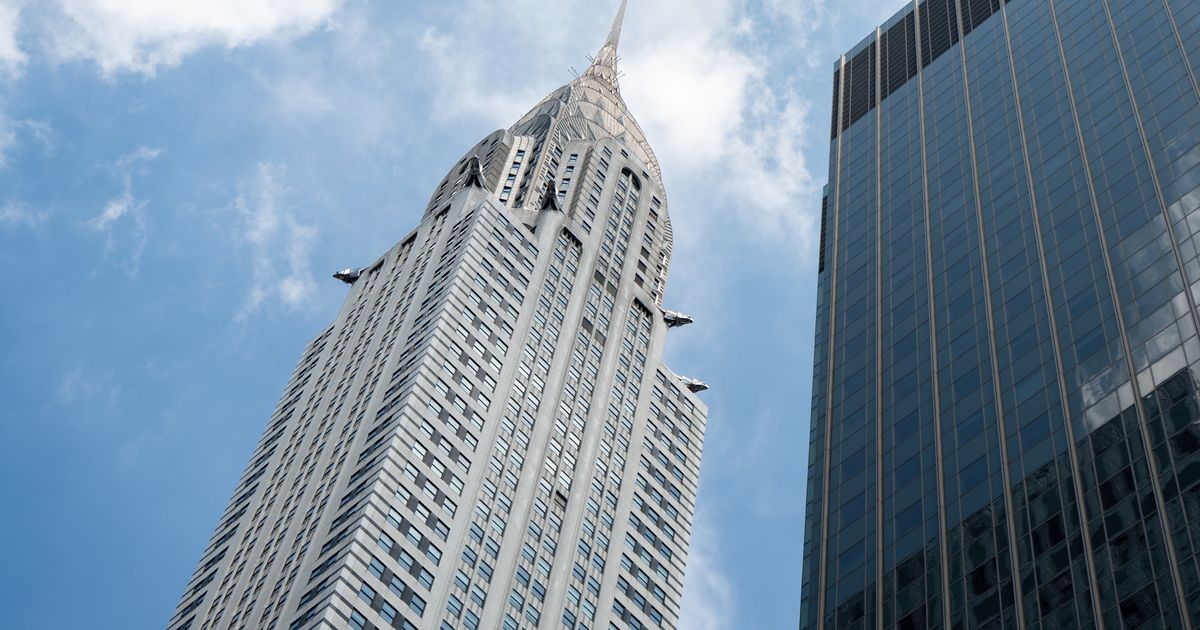
Additionally, the firm plans to construct a dedicated tenants’ club on the 61st floor. This lofty space carries rich historical significance: in the 1930s, legendary photographer Margaret Bourke-White briefly maintained a studio on this level, famously and somewhat controversially residing there with a pair of pet alligators. The new tenant amenity is expected to pay homage to that vibrant history while nodding to the legendary Cloud Club, the exclusive, private dining and networking club that once occupied the building’s upper reaches during the mid-20th century.
These planned improvements mirror broader trends across Manhattan’s historic commercial towers, echoing the extensive multi-year makeovers executed by the Empire State Realty Trust at the Empire State Building, which successfully transformed its visitor experience and tenant infrastructure to compete with modern builds.
The timing of Tishman Speyer’s return to the Chrysler Building coincides with a remarkably dynamic period for the surrounding Grand Central business district. The neighborhood has seen a flurry of major development activity in recent years, highlighted by the opening of colossal modern towers such as One Vanderbilt, 270 Park Avenue, and 425 Park Avenue, with additional mega-developments planned for nearby sites like the former Grand Hyatt location. At the same time, the broader market continues to navigate complex real estate shifts, highlighted by nearby commercial transactions, such as Tishman Speyer’s concurrent efforts to sell the adjacent 666 Third Avenue, formerly known as the Chrysler Building East.
Beyond general market competition and office-space trends, any operational strategy for the Chrysler Building must also account for its unique ground-lease structure. The underlying land beneath the skyscraper is owned by the Cooper Union for the Advancement of Science and Art, the historic Astor Place institution that has spent recent years carefully stabilizing its finances following a severe financial crisis.
The financial burden of the ground lease has historically weighed heavily on the tower’s valuation. Under a previous renegotiation in 2018, the annual ground rent jumped dramatically from $7.75 million to $32.5 million, with subsequent escalations projected to push the figure even higher in the coming decades. While the exact financial terms of the newly negotiated ground lease between Tishman Speyer and Cooper Union remain private, representatives for the college have noted that the ongoing lease arrangements directly support the institution’s long-term academic mission, including ambitious plans to restore full-tuition scholarships for all undergraduate students.
With a fresh injection of capital, a seasoned developer at the helm, and a comprehensive plan to upgrade everything from sub-level concourses to high-floor tenant amenities, the stakeholders behind the Chrysler Building are hoping to write a more stable and prosperous chapter for one of the world’s most recognizable architectural icons.