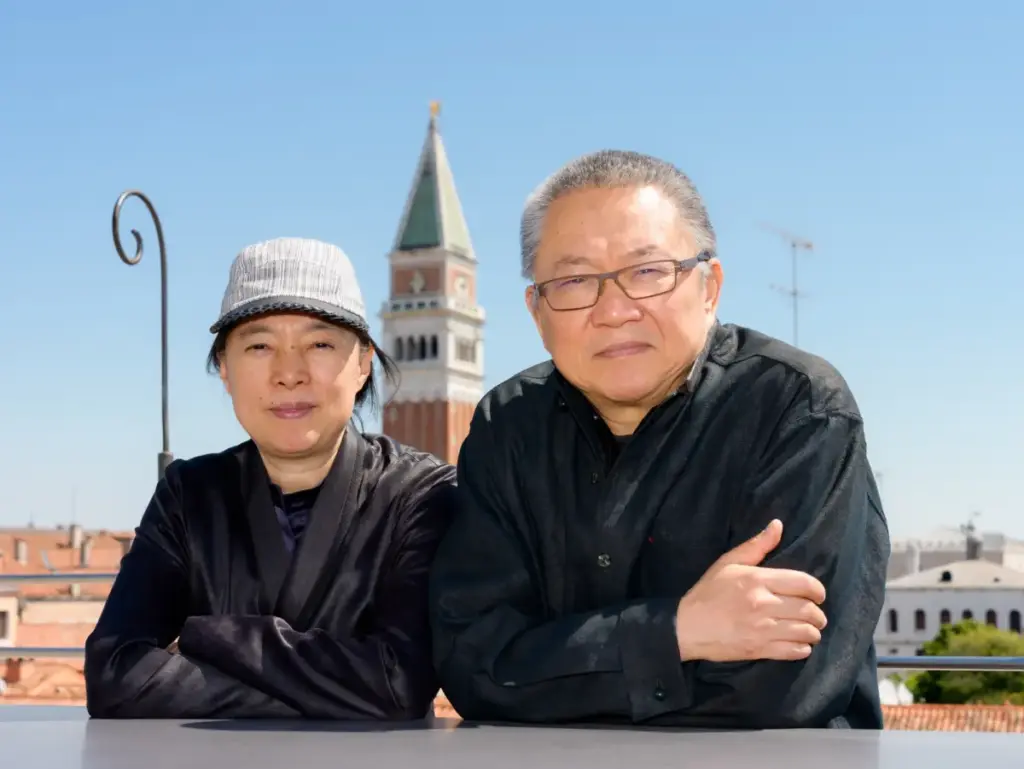
Renowned architects Wang Shu and Lu Wenyu have issued a profound call to action for the global design community, declaring that architecture must return to its fundamental essence. The statement serves as the cornerstone of their curatorial vision for the 20th International Architecture Exhibition of La Biennale di Venezia, scheduled to take place from May 8 to November 21, 2027. Spanning the historic venues of the Giardini, the Arsenale, and locations across Venice, the upcoming exhibition is titled "Do Architecture – For the Possibility of Coexistence Facing a Real Reality."
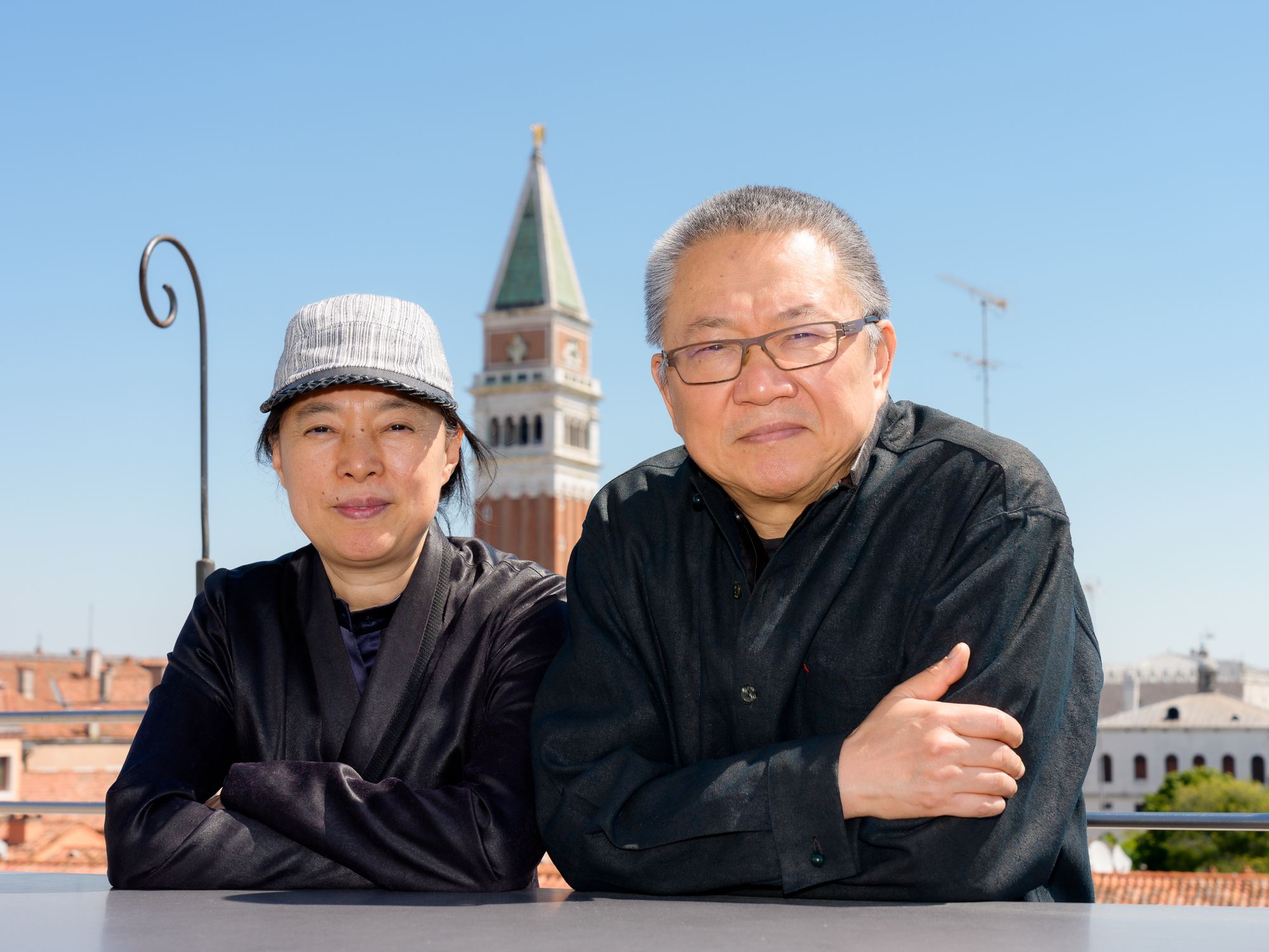
With this guiding theme, the curatorial duo challenges contemporary practitioners to confront what they perceive as a dangerous drift within the discipline. According to Wang and Lu, modern architecture has become increasingly disconnected from lived human reality, drifting into realms dominated by excessive abstraction, rapid commercialization, and digital detachment. Rather than looking ahead to speculative futures or idealized utopias, the exhibition urges a deliberate and grounded re-engagement with the present moment. It questions what it genuinely means to practice architecture today, advocating for an intimate understanding rooted in tangible materials, traditional construction methods, local knowledge, and direct physical experience.
This philosophy is not a sudden shift for the architects, but rather the logical evolution of a lifelong ethos. As the founders of Amateur Architecture Studio, established in 1997, Wang Shu and Lu Wenyu have long championed a deeply contextual approach to building. Based in Hangzhou, China, their practice has consistently explored the potential of traditional building techniques, the creative reuse of salvaged materials, and the complex, reciprocal relationship between architecture and its specific geographical and cultural site. Their built works—such as the Ningbo Historic Museum and the Xi’an Opera House and Concert Hall—embody this ethos, utilizing millions of recycled bricks and tiles from demolished buildings to weave local history directly into the fabric of new structures. By bringing this perspective to the global stage of the Venice Biennale, the curators intend to spark a worldwide dialogue on the value of material heritage and localized craftsmanship.
At the heart of the 2027 Biennale lies the complex question of coexistence. The curators aim to explore how architecture can serve as a bridge between seemingly opposing conditions in the modern world. This includes bridging the gap between high-tech innovations and ancestral craftsmanship, as well as negotiating the contrasting demands of urban centers and rural ways of building. Crucially, these explorations will remain tightly tethered to the specific, undeniable realities of each unique place, rejecting a one-size-fits-all globalized aesthetic in favor of site-sensitive solutions.
As the international architecture community looks toward the opening of the exhibition in the spring of 2027, the vision set forth by Wang Shu and Lu Wenyu promises to shift the discourse away from ephemeral trends and back toward the tactile, enduring realities of making places for people to inhabit. Through the lens of Do Architecture, the Biennale will invite architects, theorists, and the public alike to reconsider the heavy responsibilities and physical truths inherent in shaping the built environment.