When undertaking a home renovation project, homeowners frequently search for ways to streamline the process, saving both time and financial resources. Among the most common dilemmas in interior decorating is whether to paint directly over existing wallpaper or to endure the laborious task of stripping the paper, preparing the plaster, and painting the bare wall from scratch. While painting over wallpaper is undoubtedly a quicker and less labor-intensive route to revamping a room, industry experts emphasize that it is far from a universal fix. Achieving a professional, long-lasting finish requires careful evaluation of the existing wall coverings, rigorous preparation, and an understanding of the potential pitfalls that can compromise the final aesthetic.
The initial and perhaps most critical step in the process involves a thorough inspection of the wallpaper’s current condition. Before any painting supplies are purchased or preparations begin, decorators must verify that the paper is securely adhered, structurally sound, and entirely free from rips, tears, or significant surface damage. If the wallpaper is compromised, worn, or in a generally poor state of repair, attempting to paint over it is rarely advisable. In such cases, stripping the compromised material and addressing the bare wall underneath remains the industry standard for ensuring a durable finish.
Furthermore, painting over wallpaper that is actively peeling in multiple locations presents a considerable risk. Even if the paper is not physically torn or ripped, widespread peeling indicates that the underlying adhesive paste is failing. This failure can stem from a variety of factors, including the use of inferior-quality paste during the original installation or prolonged exposure to moisture and dampness within the room. Applying layers of heavy paint to wallpaper with compromised adhesion almost invariably accelerates the failure rate, causing the paper to bubble, sag, and detach completely from the wall under the added weight of the moisture in the paint.
Localised peeling, however, presents a different scenario. If the detachment is restricted to a single, isolated area, it may be entirely feasible to salvage the wall covering by re-adhering the loose edges using appropriate wallpaper paste. When undertaking this corrective measure, caution is required to smooth out any trapped air pockets and ensure a flat surface. Crucially, the repaired section must be allowed to dry thoroughly before any primer or paint is applied, as trapping residual moisture beneath a fresh coat of paint can lead to bubbling and structural failure later on.
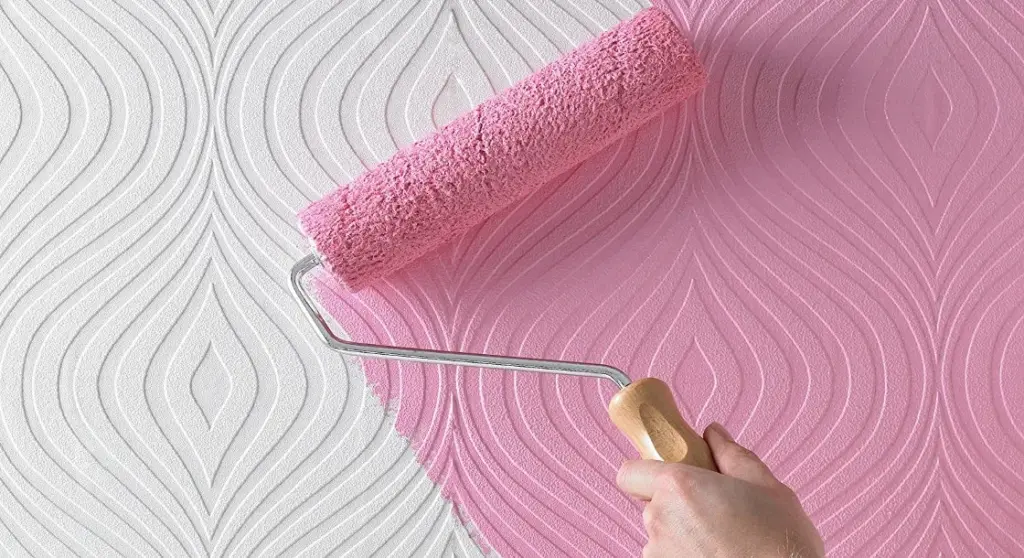
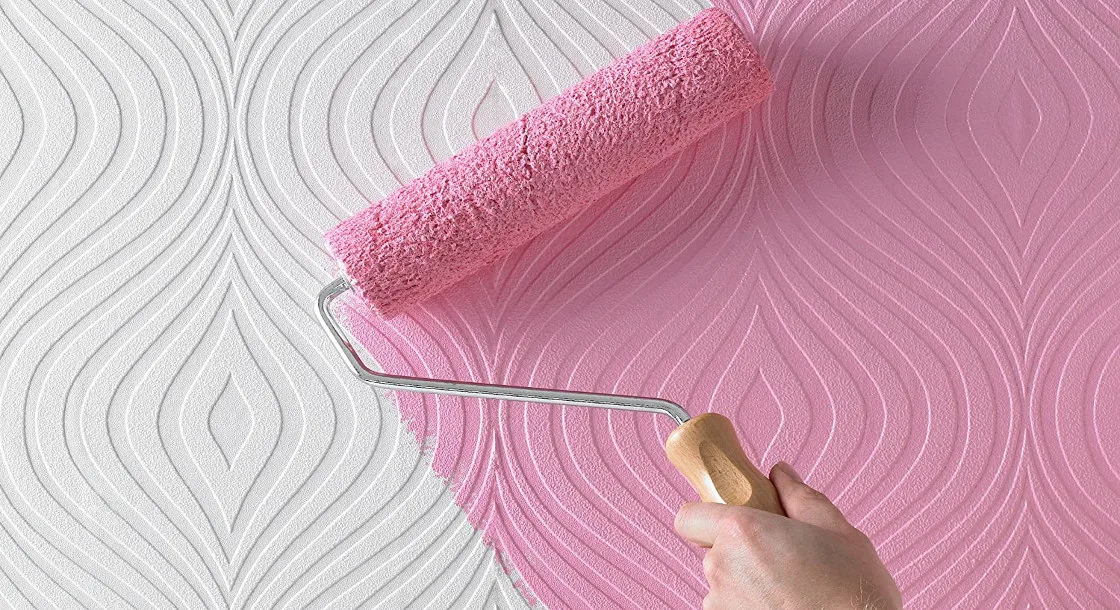
Regarding the aesthetic suitability of different wall coverings, flat, plain wallpaper generally offers the most straightforward canvas for a paint makeover. Nevertheless, textured and patterned papers can also be painted over, provided the homeowner is comfortable with the underlying texture remaining visible beneath the new color. While heavily embossed patterns or intricate designs will retain their physical profile, a uniform coat of paint can successfully modernize the color scheme without requiring the physical removal of heavy relief papers.
Assuming the preliminary assessment confirms that the wallpaper is in good condition, the necessary preparation phase for painting is relatively straightforward. However, skipping this phase or cutting corners can severely impact the quality of the final outcome. The primary concern during the preparation stage involves selecting the correct type of primer.
A common misstep among amateur decorators is the use of water-based primers on wallpaper. Because paper is porous, water-based formulas can easily soak directly into the wallpaper material, seeping down to the adhesive layer. This moisture reactivation can quickly dissolve the paste, causing the wallpaper to loosen and peel away from the wall. To circumvent this issue, painting professionals consistently recommend utilizing an oil-based primer or specific sealing formulations when preparing wallpapered surfaces. Specialized products, such as all-in-one primer and sealer formulations, provide an effective barrier that locks down the paper, prevents moisture penetration, and establishes a stable foundation for the topcoat. Applying at least one, and ideally two, thorough coats of this protective primer—allowing ample drying time between applications—ensures a clean, professional finish and makes the final color application significantly smoother.

Once the primer has cured completely, homeowners can move forward with selecting and applying their chosen topcoat paint color. While the painting process itself closely mirrors standard wall painting techniques, the presence of the underlying wallpaper introduces specific challenges that may require intervention as the project progresses.
Even with meticulous planning and execution, certain issues can occasionally arise when painting on top of wallpaper. Among the most frequent complications is the appearance of gaps between individual strips of wallpaper. When wallpaper is originally hung, the paper naturally expands when wet with paste and can subsequently shrink slightly as it dries, occasionally leaving thin gaps between the vertical seams. While a minor seam gap is not an insurmountable obstacle for a painted wall, it requires deliberate attention before the project is completed.
Assuming the surrounding wallpaper remains firmly affixed and structurally sound, these gaps can be successfully concealed using a suitable wall filler. Industry best practices dictate that this remedial work should take place after the primer coats have been applied. Once the primer has completely set, the filler applied to the seams must be meticulously sanded back until it is perfectly flush and level with the surrounding paper surface. Because any raised filler or uneven ridges will show up severely and detract from the final appearance once the topcoat is applied, taking the necessary time to sand the repaired areas thoroughly is essential for achieving a seamless, professional look. By acknowledging these potential complications and adhering to careful preparation protocols, homeowners can successfully navigate the complexities of painting over wallpaper and achieve a refreshed interior space without the arduous task of total wall stripping.