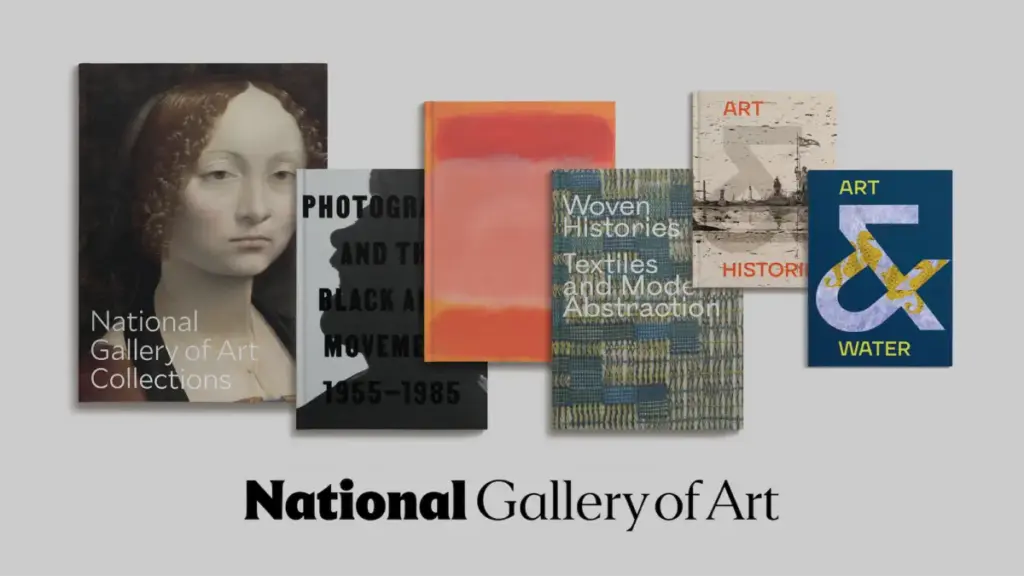
As debates over intellectual freedom, censorship, and historical reckoning continue to shape the cultural landscape, the latest edition of the Hyperallergic Books Newsletter offers a timely exploration of how visual culture, publishing, and independent bookmaking intersect with contemporary politics. Curated by associate editor Lakshmi Rivera Amin, the newsletter bridges past archives and present-day anxieties, reflecting on everything from systemic book bans in public schools to the hidden histories embedded in canonical art and the vibrant ecosystem of the modern art book fair.
The edition opens on a personal yet nationally resonant note, drawing a direct line between archival preservation and the escalating suppression of literature in educational institutions. Rummaging through her late grandmother’s meticulously maintained collection of notes, reading lists, and professional ephemera accumulated over a four-decade career as a public school librarian in Texas, Amin encountered a sobering state report from the 2003–2004 academic year. That document chronicled books that had been banned or contested during a period when Amin herself was in daycare, still sounding out the text of Maurice Sendak’s classic 1963 children’s adventure, Where the Wild Things Are.
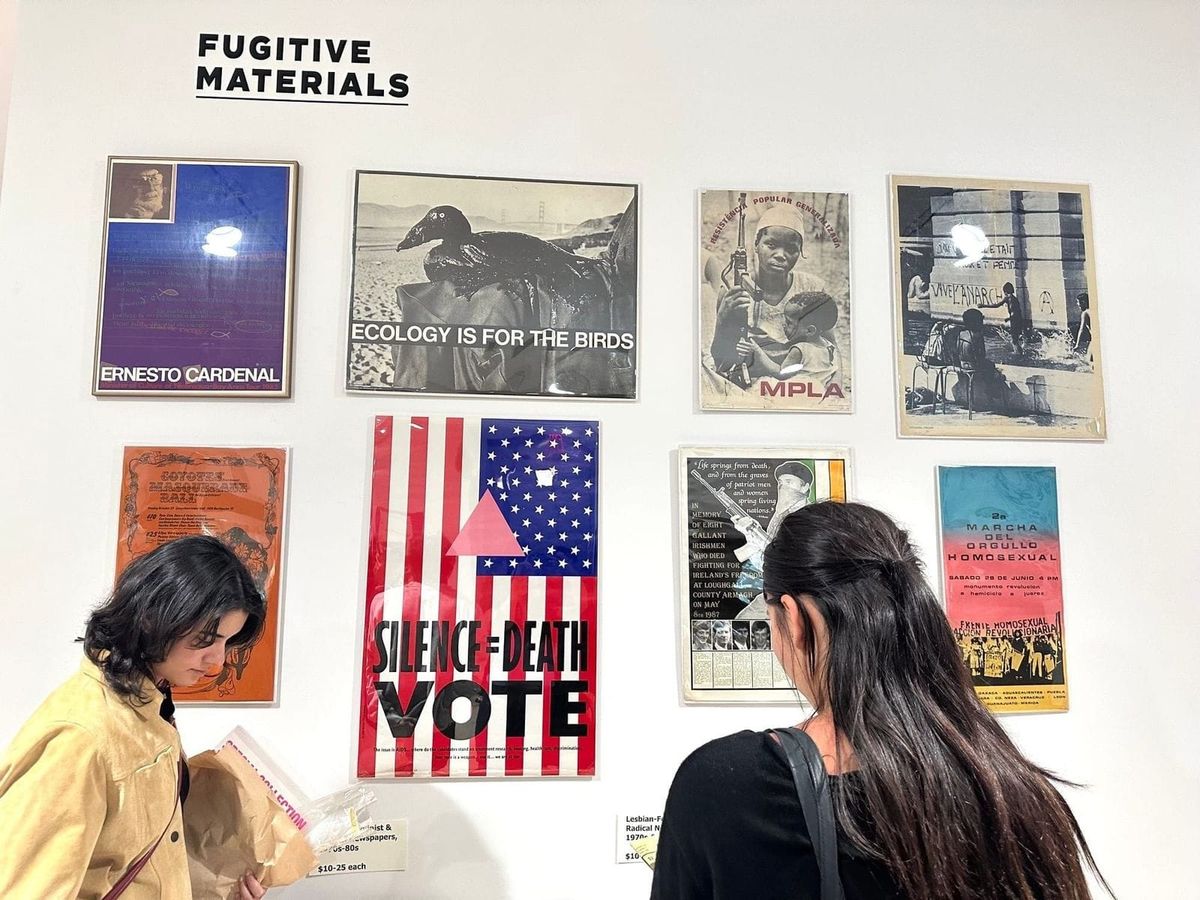
Sendak’s enduring masterpiece, which planted a seed of literary curiosity in generations of young readers, remains among thousands of titles targeted for removal in school libraries nationwide. This historical continuity takes on renewed urgency during Banned Books Week, amid a relentless wave of attacks targeting imagination, free speech, and public education. According to data tracked by PEN America, public schools nationwide recorded over 11,900 instances of book banning during the previous academic year alone. Of that staggering total, more than 8,100 bans occurred within the state of Texas, illustrating the deepening fault lines over what stories are deemed permissible for young minds to encounter.
Amid this cultural maelstrom, art books and critical scholarship offer a vital pathway forward, providing frameworks to re-examine historical narratives and honor overlooked labor.
From Our Critics
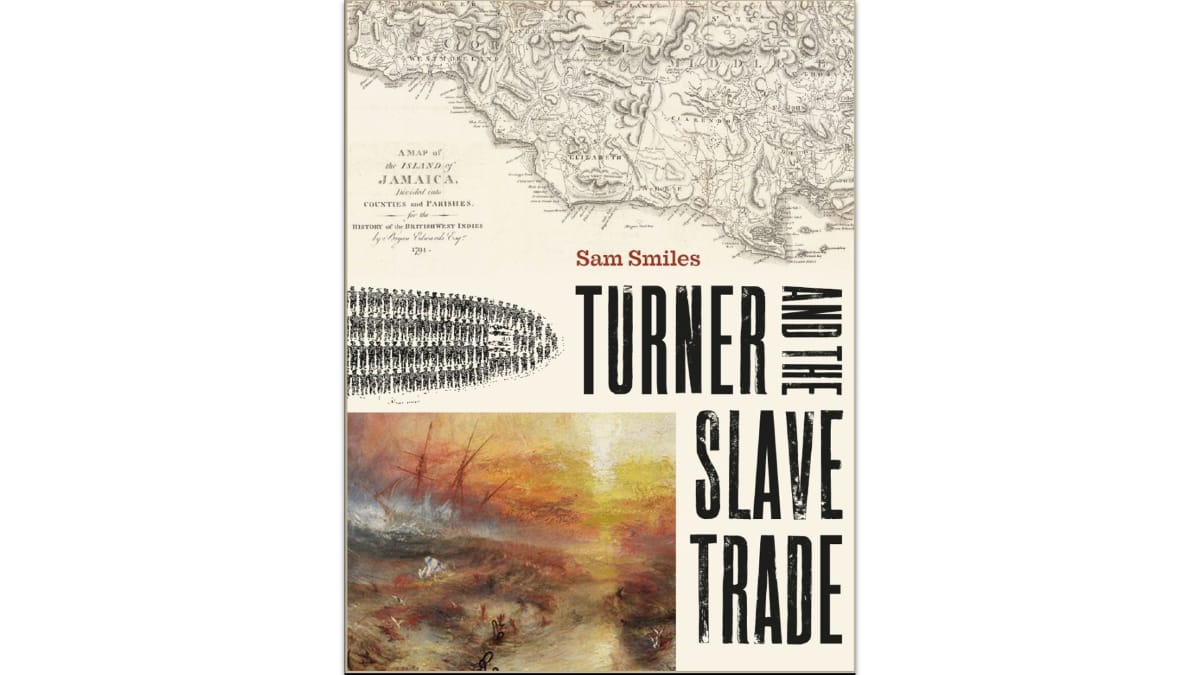
The newsletter highlights several critical reviews that interrogate the darker histories of visual culture and rescue marginalized figures from obscurity. Artist, scholar, and critic Tao Leigh Goffe contributes a moving analysis of a new publication investigating J.M.W. Turner’s complex relationship with slavery, both in his art and in his personal life. Weaving in her own family’s historical connections to Jamaica and the systemic horrors inflicted upon enslaved Black people, Goffe demonstrates how visual aesthetics have historically served entrenched political interests. In her essential review, she argues that Turner and the Slave Trade fundamentally recasts Romanticism’s relationship to nature and landscape painting, exposing how picturesque traditions often functioned as a vehicle for colonial propaganda.
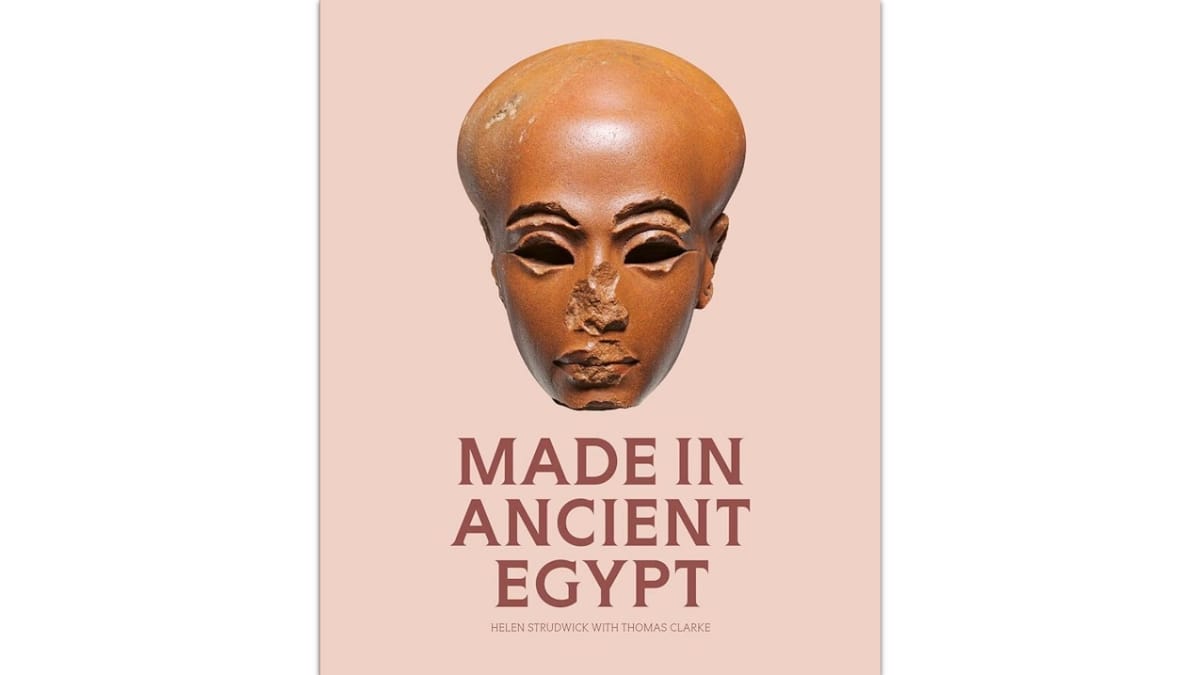
Shifting focus from British Romanticism to antiquity, Nageen Shaikh examines a new volume centering on the skilled craftspeople of Ancient Egypt. This study serves as yet another vital reminder of the importance of cherishing the expertise, ingenuity, and daily labor of ordinary people who constructed monumental visual culture largely outside the historical spotlight. Together, these critical evaluations underscore the capacity of contemporary art books to challenge orthodox art histories and foreground previously suppressed narratives.
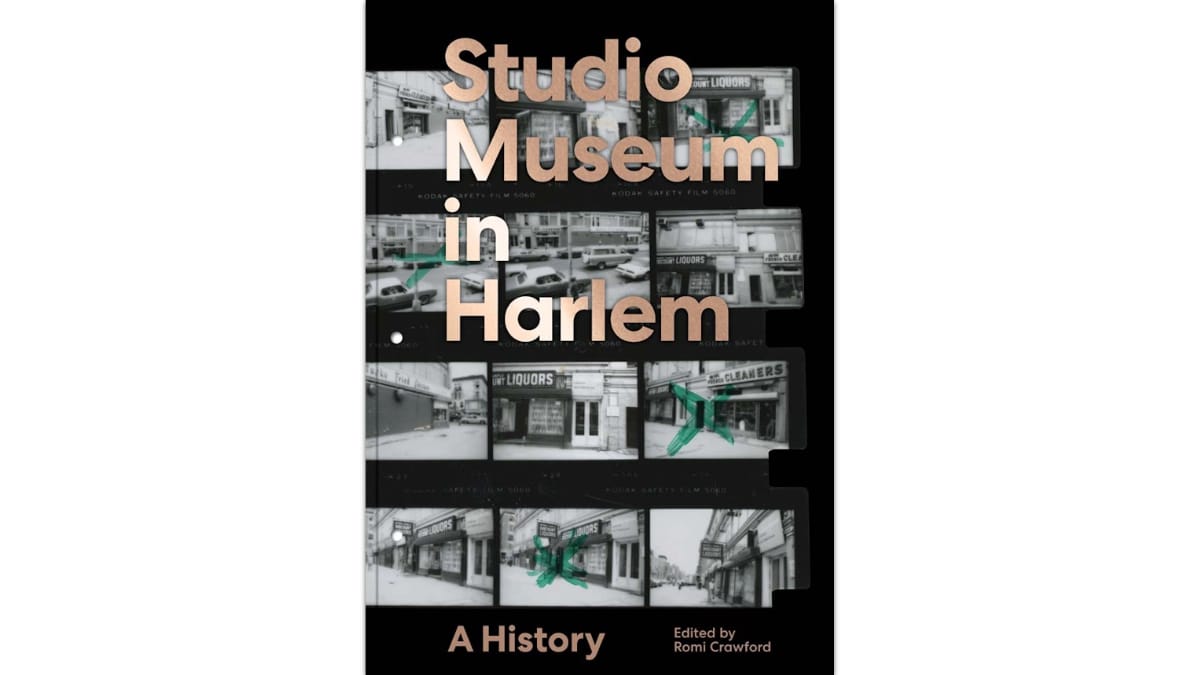
New Book Chronicles Studio Museum in Harlem’s 58-Year History
Expanding the focus to institutional histories, the newsletter highlights a major upcoming release documenting the legacy of a cornerstone New York art institution. Set to be published by Yale University Press, The Studio Museum in Harlem: A History arrives as a comprehensive chronicle of the pioneering museum’s 58-year trajectory.
The publication captures insights from dozens of artists, curators, scholars, and community leaders who shaped the institution, which recently welcomed the public back following an extensive seven-year hiatus and the opening of its newly designed home. Among its contributors is literary critic, historian, and Studio Museum trustee Henry Louis Gates Jr., who reflects on the institution’s enduring cultural footprint: “Just as Harlem is a truly cosmopolitan place, so, too, is the Studio Museum a cosmopolitan place. It’s not the home of Black art for Black people. It’s home of Black art for all people.” The book serves as both a historical archive and a testament to community resilience and institutional longevity.
Features and Independent Publishing
Beyond formal gallery scholarship and institutional histories, the newsletter turns its lens toward the grassroots vitality of independent publishing and zine culture. Reflecting on recent visits to Printed Matter’s New York Art Book Fair, Amin spotlights the community-minded indie publishers, riso printmakers, and zine creators who continue to sustain the contagious, tactile spirit of independent bookmaking. Amid an increasingly digitized and attention-fractured media landscape, these physical spaces and ephemeral publications offer a counterweight to mass-market homogeneity, preserving the radical potential of self-published art and literature.
What We’re Reading
The newsletter concludes with personal reading recommendations from the Hyperallergic editorial team, offering a window into the eclectic texts shaping their thinking amidst their critical work.
Associate editor Lakshmi Rivera Amin shares that she has turned to Chris Hayes’s The Sirens’ Call: How Attention Became the World’s Most Endangered Resource in an effort to counter digital distraction and combat the hypnotic pull of short-form video platforms. As a literary backup, she has embraced the audio narration of Paulo Coelho’s 1993 classic The Alchemist, noting that experiencing the modern fable halfway through has finally illuminated why the title has become a ubiquitous touchstone in contemporary cultural discourse.
Fellow associate editor Lisa Yin Zhang turns to Stephanie Wambugu’s Lonely Crowds, a book that climbed to the top of her reading queue following a collaborative review of an Arthur Jafa exhibition.
Meanwhile, Phillip Pyle reflects on the speculative and uncanny realms explored in recent translated fiction. Contrasting Izumi Suzuki’s posthumously translated Set My Heart on Fire, which captures the romantic yearnings and rock-tinged demimonde of 1970s Tokyo, with the late author’s Hit Parade of Tears, Pyle highlights how Suzuki’s short stories evoke the bleak, uncompromising unrealities found in the works of Octavia Butler and William Burroughs.
Rebecca Schiffman offers a classic selection, working her way through Alexandre Dumas’s sprawling nineteenth-century adventure The Count of Monte Cristo. Despite its deliberate pacing at the outset, Schiffman notes that the enduring tale of a wrongfully imprisoned sailor who uncovers hidden wealth to orchestrate an elaborate revenge remains an endlessly engaging nightly ritual.
Rooted in the foundational belief emblazoned on the cover of that decades-old Texas library report—“Free people read freely”—the latest Hyperallergic Books Newsletter captures a community of writers, editors, and critics fiercely defending the right to imagine, inquire, and remember through the printed page.






