Art has long served as a mirror to society, but in moments of profound sociopolitical turbulence, it becomes a flashpoint for resistance, censorship, and ideological struggle. Across the globe, creators, curators, and activists are confronting authoritarian overreach, systemic neglect, and the rewriting of history. From the Venice Biennale to the barricades of Paris, and from the galleries of Colombia to the preservation efforts in Iran, the global arts community finds itself on the front lines of contemporary political battles.
Reclaiming the Archive: Rosana Paulino’s Self-Portrait of Brazil
“Brazil is a country that has never really looked at itself,” artist Rosana Paulino observes in a recent interview with curator and researcher Daniela Mayer. As one of the nation’s prominent representatives at this year’s Venice Biennale, Paulino has dedicated her career to forcing that long-overdue introspection.
To achieve this, Paulino strategically coopts the European form of the illustrated naturalist album—traditionally defined as “images made by foreigners for foreigners”—and subverts it from within. By repurposing this colonial genre, she reframes the visual archive to center and honor the lived experience of Black Brazilian women. Her work confronts the historical erasures embedded within institutional memory, treating art as an active instrument of decolonization.
Paulino’s critical engagement with history highlights a broader global phenomenon: authoritarianism and oppressive political systems frequently target culture because art possesses the unique capacity to safeguard memory, give voice to the marginalized, and imagine alternative futures. As Paulino succinctly puts it, “Fascism is against art, isn’t it?”

Protests, Censorship, and Institutional Pushback Worldwide
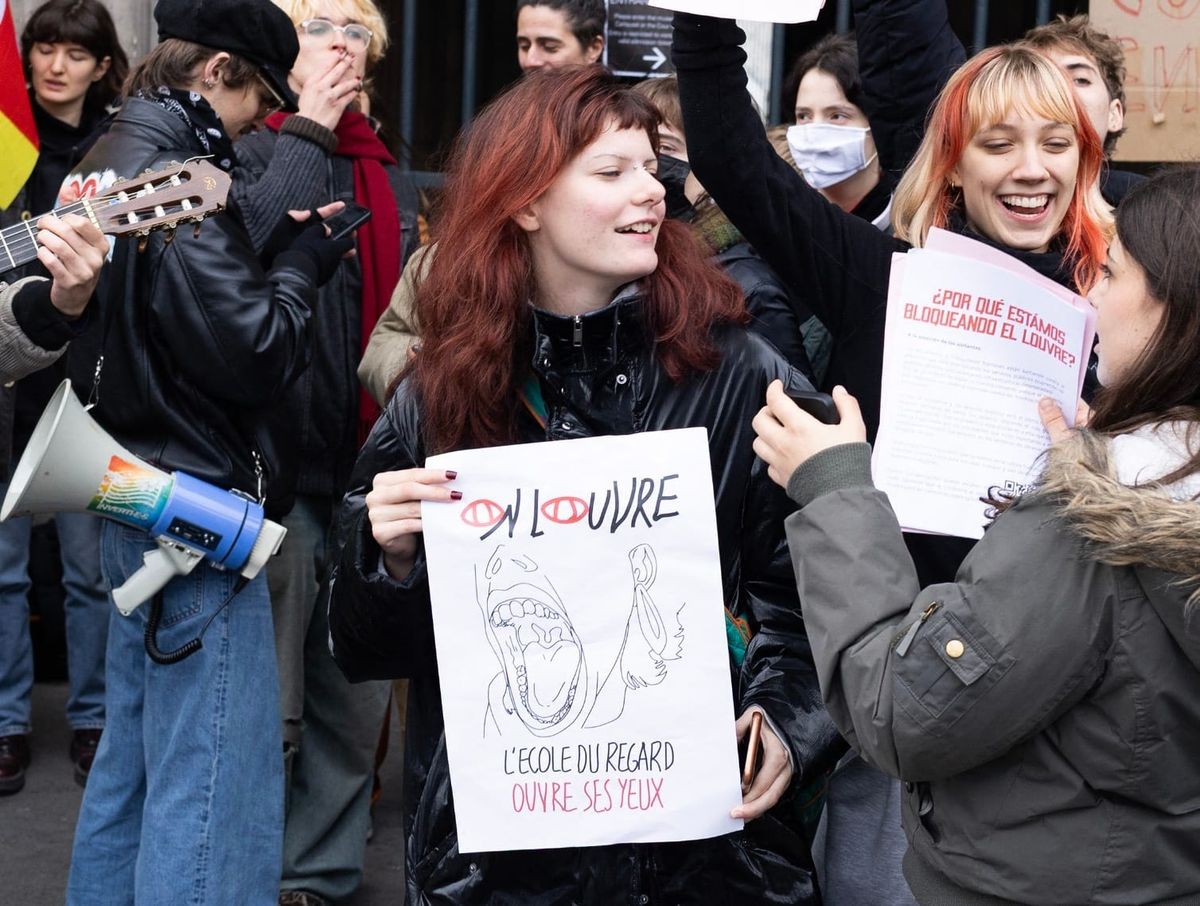
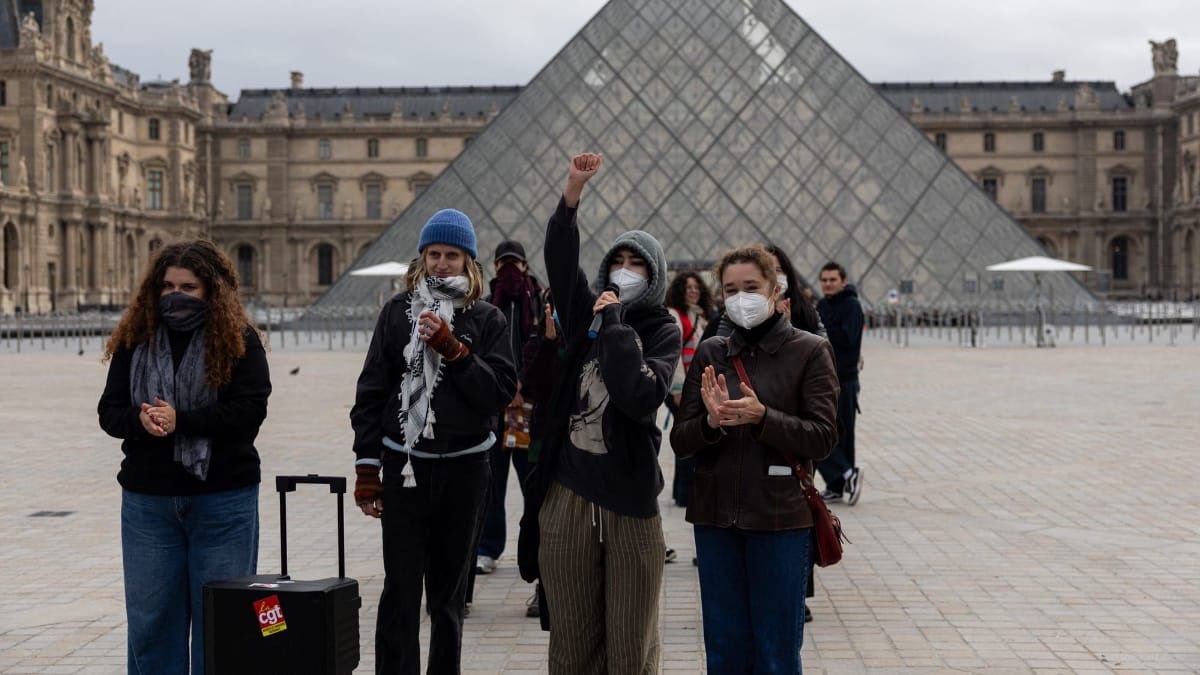
That antagonism between authoritarian impulses and artistic expression is playing out in real-time across multiple continents. In Paris, art students recently took direct action, blocking the entrance of the Louvre to protest overcrowded and underresourced schools, signaling deep frustration with state neglect of cultural and educational infrastructure.
Meanwhile, in Colombia, artists and cultural workers have taken to the streets to protest right-wing government censorship. Demonstrators mobilized after the nation’s president ordered the removal of artworks by women and LGBTQ+ artists from the national museum, a move critics denounced as an attempt to sanitize national history and suppress diverse identities.
The suppression of cultural heritage is equally stark in Iran, where authorities launched aggressive searches and seizures targeting an invaluable archive lovingly assembled by painter and conceptual artist Nasser Bakhshi in Tabriz. The systematic targeting of independent archives and collections is a recurring tactic designed to sever communities from their collective memory. Confiscating, censoring, and destroying culture represents the absolute antithesis of art’s fundamental purpose.
Queering Tradition and Mapping Diasporic Abstraction
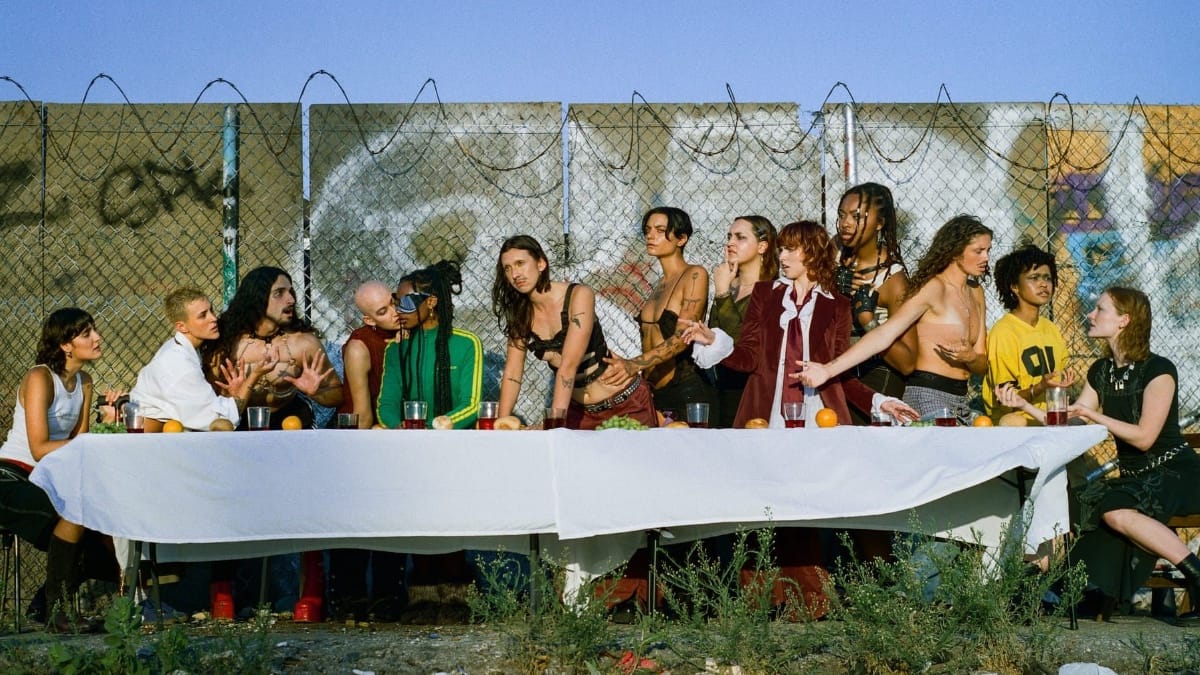
Amid these global struggles, artists continue to reclaim and reshape foundational iconography to assert marginalized identities. In Los Angeles, trans photographer and musician Smiles Meyer engages in art as an act of divine and bodily transformation. In 2024, Meyer staged “The First Gathering,” a powerful reinterpretation of Leonardo da Vinci’s iconic 1495–98 mural “The Last Supper,” featuring an all-trans cast of models.
Meyer’s work aligns with a growing tradition among queer and trans artists who leverage longstanding religious imagery to interrogate and heal from religious trauma while celebrating gender identity. This creative lineage includes historical precursors like Swedish artist Elizabeth Ohlson Wallin, who famously recreated canonical biblical scenes with queer subjects. Meyer’s series builds upon previous boundary-pushing projects, such as their Mary + I cover and nightclub exorcism photographs captured for performance artist Maris, demonstrating how contemporary visual culture can simultaneously challenge dogmatic traditions and foster communal healing.
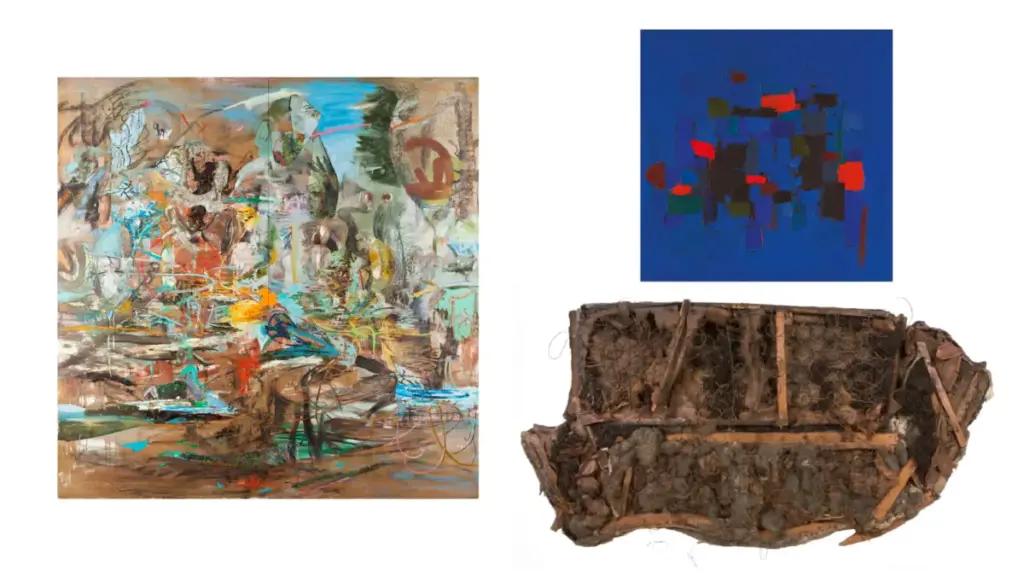
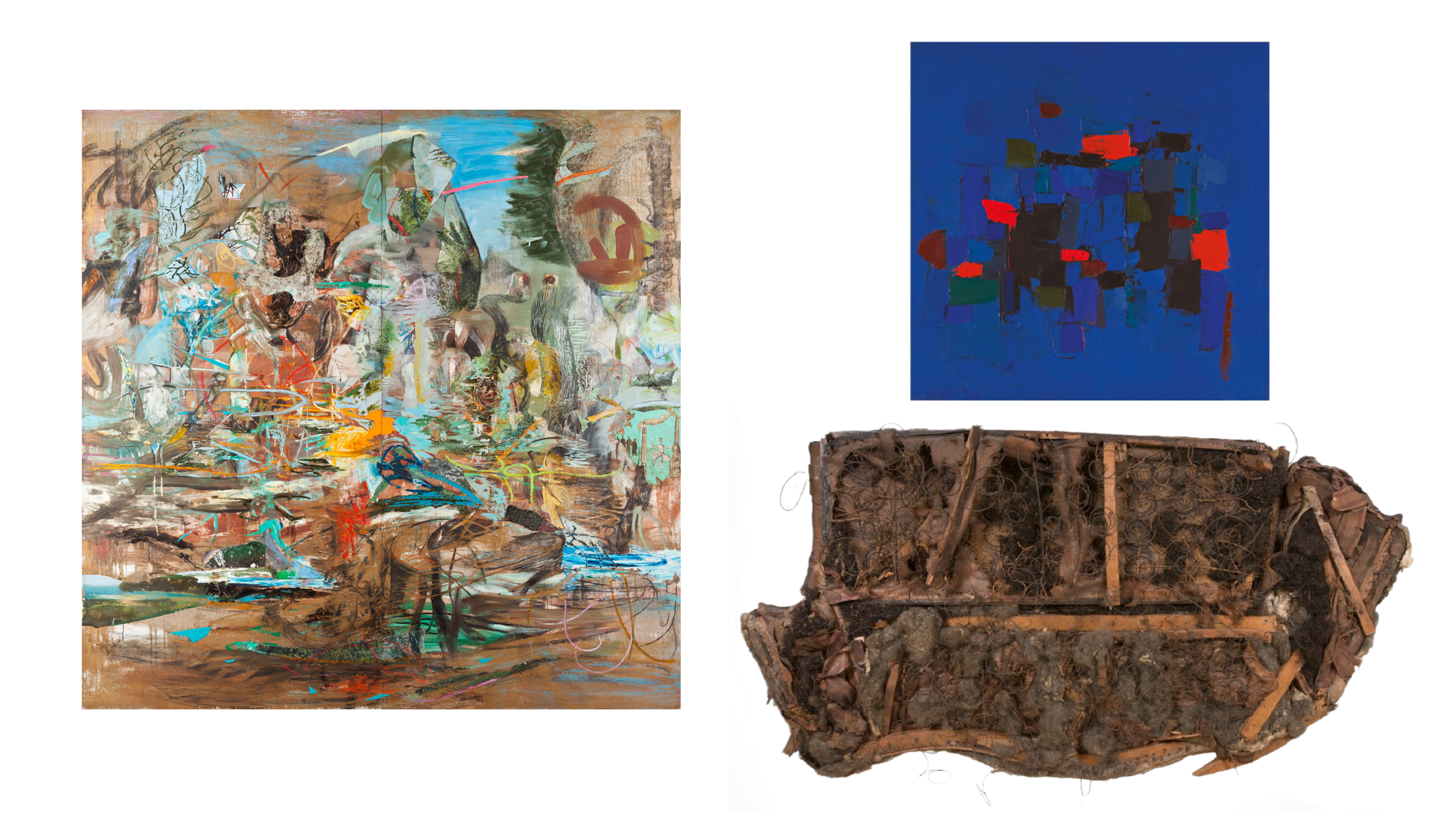
Identity, migration, and memory are similarly central to Diasporican Abstraction: A Cross-Border Cartography of Puerto Rican Abstraction. This sweeping survey brings together more than sixty artists to examine the complexities of Puerto Rican abstraction both across and beyond the geographic archipelago, mapping a transnational network of aesthetic resistance and cultural survival.
Local Commemorations and Institutional Exhibitions
At the community level, grassroots creative spaces continue to weather the pressures of urban development and gentrification. In Brooklyn, Gowanus Open Studios recently marked its landmark 30th anniversary. This year’s iteration of the beloved artistic assembly served as a passionate love letter to the neighborhood and its enduring craftsmanship, standing as a testament to resilience amid an aggressive era of industrial remediation, real estate development, and gentrification.
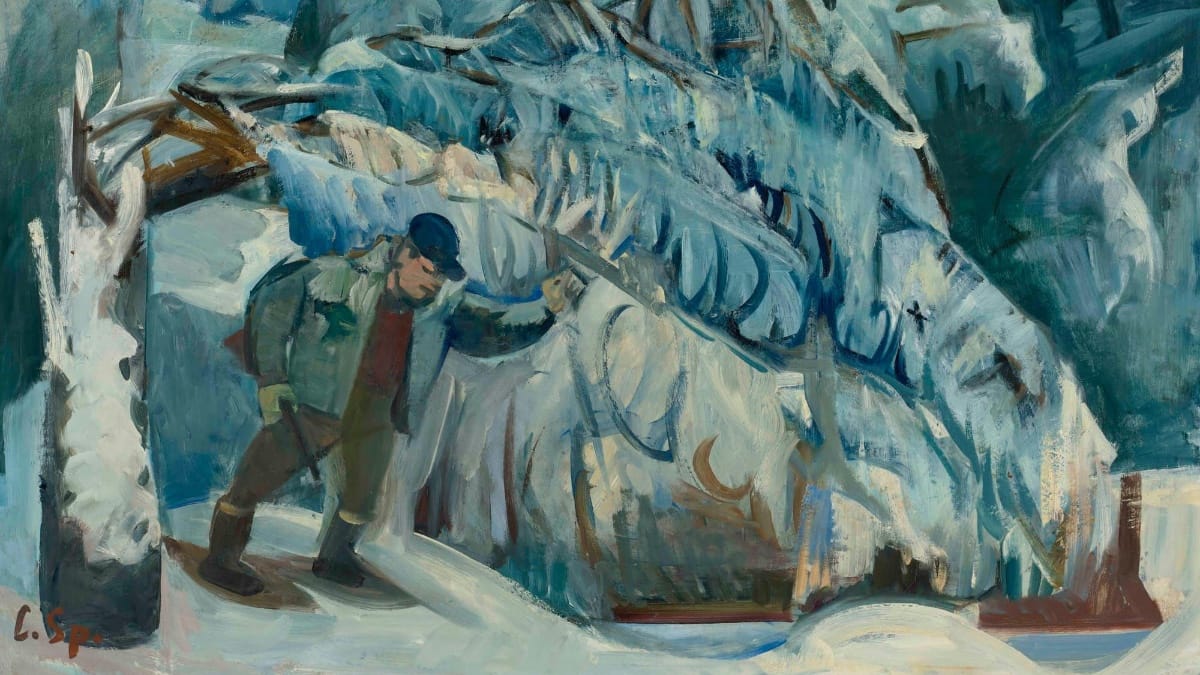
Simultaneously, institutions are working to shine a light on historically overlooked creators. The Ogunquit Museum of American Art and the Bates College Museum of Art have joined forces this fall to chronicle the life and work of Carl Sprinchorn, an under-recognized modernist whose distinct vision captures the untamed landscapes of Maine.
In New York City, Poster House is currently hosting Designed to Be Red: Native American & Indigenous Poster Works, an exhibition on view through February 21, 2027. The show highlights the profound importance, political impact, and historical reach of Indigenous designers.
Whether through large-scale international biennials, community open studios, or grassroots protests outside historic museums, the global arts community continues to demonstrate that cultural expression remains one of humanity’s most resilient tools for bearing witness, preserving truth, and demanding systemic change.






