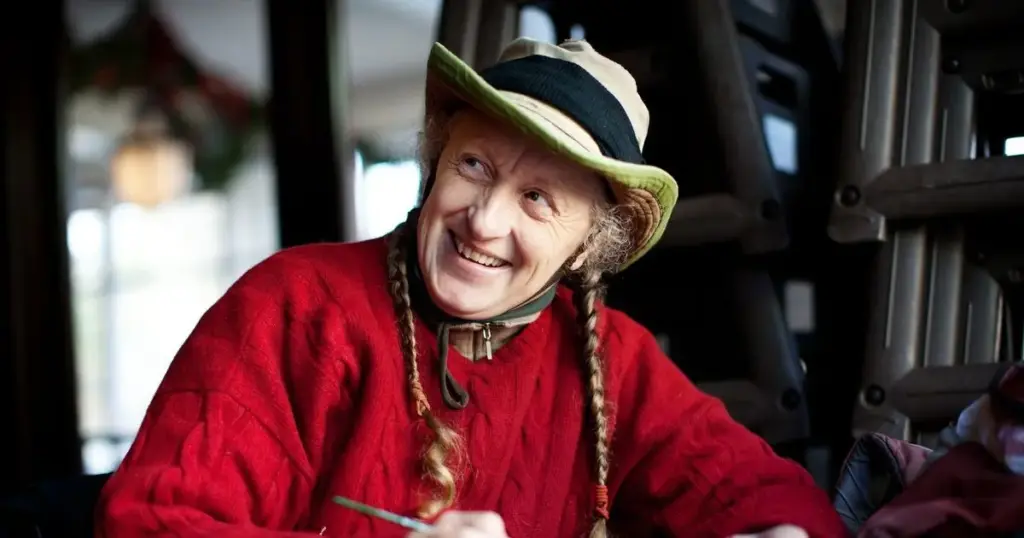
They often found her painting. Birders remember entering the Ramble in Central Park on sunny days and seeing Elise Bainbridge Hill, a 63-year-old unhoused woman, working quietly with watercolors and a makeshift palette fashioned from a coffee-cup lid. To those who frequented the park’s winding paths and dense thickets, she was a familiar and constant presence, deeply attuned to the natural rhythms of Manhattan’s most famous green space.
"She was there at all hours," recalls Sandra Paci, a local birder who previously worked in art galleries and grew familiar with Hill’s routine over the years. In recent times, Hill occasionally slept in a gazebo nestled amid the overgrown woods of the park, carving out a fragile existence in the open air. She spent her days feeding the local wildlife and making art, producing striking, observant paintings of animals, forest scenes, and nocturnal skies—depicting intimate pieces of the city that few other residents ever truly saw or appreciated. "When you look at the works, the quality was extremely high," Paci says, reflecting on the profound technical skill and vision evident in Hill’s portfolio, which includes pieces titled Riding Down the Hill the Wrong Way, Central Park Bird Feeders, What Is That? Is It a Duck?, and Mother Raccoon and Young Descending the Cyclops Tree. "She had a real feeling for nature."
That quiet, creative life came to a tragic end in late September. On Sunday, September 27, Hill—who was also known by the name Francis Lee Rogers, along with several other aliases used over the course of her life, according to those who knew her—was found dead. Law enforcement authorities confirmed she was violently killed in an incident that remains under active investigation regarding the exact motive. In response to the homicide, the New York Police Department swiftly arrested and charged a 36-year-old man, who had been residing at a nearby neighborhood shelter, with murder and criminal possession of a weapon.
The news of Hill’s brutal death sent a wave of profound shock and sorrow through the community of park regulars, birders, and artists who had crossed paths with her over the years. The loss highlighted the vulnerability of unhoused individuals living in the city’s public spaces, even those who, like Hill, had woven themselves into the cultural and social fabric of a neighborhood. "She really did deserve to have an exhibition somewhere," Paci notes, lamenting that widespread recognition for Hill’s artistic talent arrived only in the wake of her death.
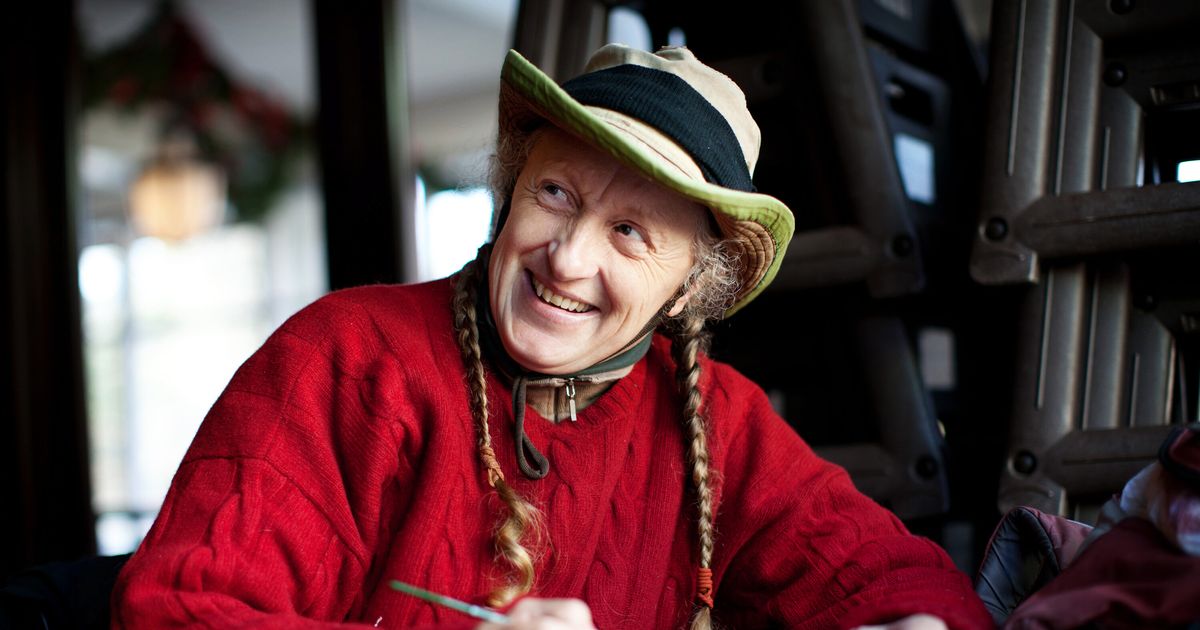
Hill’s trajectory followed a path familiar to many creative spirits drawn to New York City during the late 20th century, though her journey ultimately fractured under the weight of personal struggles. She arrived in the city in 1977 as a teenager, leaving behind a tumultuous home life in New Jersey to rent an apartment on Avenue B in the East Village for just $150 a month. In those early decades, the city offered a gritty, affordable refuge for young artists seeking community and inspiration.
By the early 1990s, Hill had found employment at the Show World Center, a notorious Times Square strip club that served as a hub of the era’s countercultural nightlife. Rather than remaining a detached observer, Hill integrated her work and her art in a uniquely unconventional manner. She would frequently bring her easel directly onto the stage, setting up her paints to capture the dancers and performers in real time. Karen Gehres, a filmmaker who later documented Hill’s life and artistic output, describes her tenacity and singular focus from that era. "She was a modern-day Toulouse-Lautrec," Gehres says, drawing a parallel between Hill’s immersion in the demimonde of Times Square and the famous French post-impressionist who painted the cabarets and brothels of 19th-century Paris.
Following her time working in the club scene, however, Hill’s life began to unravel amid mounting personal and psychological challenges. Her thinking grew increasingly paranoid, making stability difficult to maintain in an unforgiving housing market. In 2001, after a period living in a converted air shaft situated across the street from Carnegie Hall, she lost her shelter entirely and was forced onto the streets, beginning a multi-decade chapter of unhoused life centered largely around Central Park.
Even as her circumstances grew starkly precarious, Hill never abandoned her creative vocation. She adapted her artistic practice to her surroundings, carrying her materials with her and capturing the flora, fauna, and fleeting moments of light within the park with remarkable discipline and clarity. "She wasn’t a gimmick," Gehres emphasizes, pushing back against any tendency to romanticize or sensationalize Hill’s homelessness at the expense of her serious artistic merit. "She was a true artist. That was her life."
In the wake of her passing, those who recognized the exceptional caliber of her work are looking for ways to honor her legacy and ensure her art is seen by a broader audience. Paci has actively pitched the idea of a retrospective exhibition to the American Folk Art Museum, an institution strategically located directly across from Central Park, hoping to bring Hill’s evocative vision of urban nature out of the shadows of the Ramble and into the public eye where it belongs.