For decades, the global marina was viewed through a purely utilitarian lens. To the average traveler, and even to many seasoned mariners, a harbor was little more than a nautical parking lot—a concrete and wooden expanse designed for refueling, provisioning, conducting emergency maintenance, and stepping securely off a gangway onto dry land. Dry docks, chandlers, and heavy machinery dominated the landscape, prioritizing the mechanical needs of the vessel over the personal comfort of the passenger. But as the demographics of wealth and yachting continue to shift rapidly across the globe, the entire paradigm of the modern marina is undergoing a dramatic transformation, evolving from industrial boat storage into hyper-exclusive, multi-faceted lifestyle hubs.
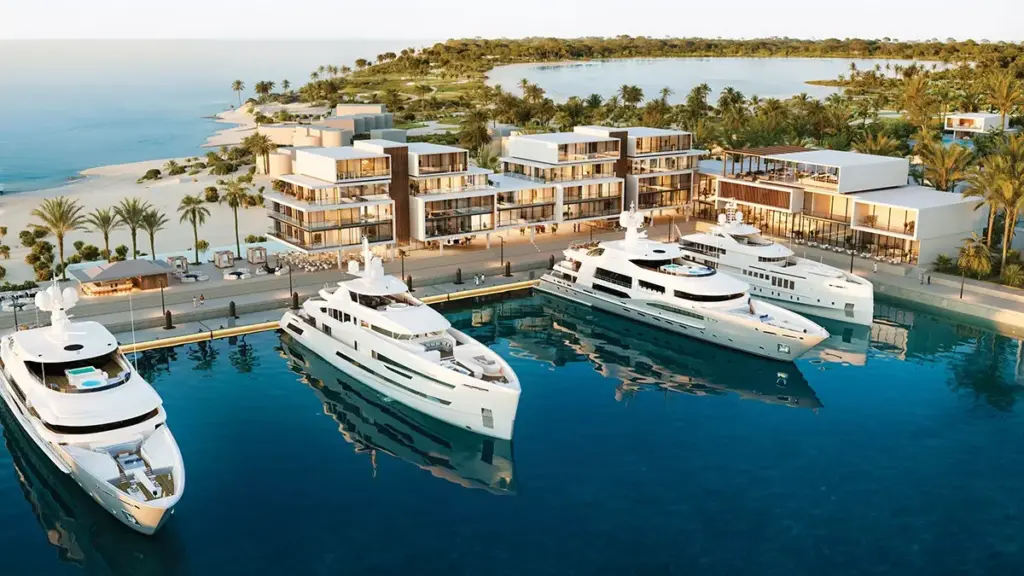
This evolution is perhaps nowhere more evident than in the Caribbean, where the upcoming opening of Port Nimara on the island of Anguilla is set to redefine luxury harbor development when it welcomes its first guests in 2027. Positioned as the island’s very first superyacht marina, Port Nimara’s headline-grabbing capacity to accommodate vessels measuring 240 feet and upward is only a fraction of its broader commercial and social pitch. Rather than focusing on industrial infrastructure, the property has deliberately omitted traditional dry docks, maintenance yards, and marine hardware suppliers.

Instead, the destination’s 118 berths will be anchored by a sprawling suite of high-end amenities, including a five-star Equinox resort, branded private ocean residences, the exclusive Beaufort Yacht Club, fine dining establishments, and high-end retail boutiques. According to David Mizrahi, the chief executive officer of Port Nimara and its parent developer, SF Investments, the project represents a fundamental philosophical break from the past. The strategy, Mizrahi explains, centers heavily on prioritizing the desires and requirements of the people rather than the technical demands of the boats. In his view, a modern marina is fundamentally not just a parking lot for boats, reflecting a broader industry-wide realization that harbingers of wealth are increasingly seeking holistic, experiential destinations rather than mere ports of call.
This paradigm shift is unfolding on a global scale, stretching from the sun-drenched coasts of the Mediterranean to the bustling maritime hubs of Southeast Asia. In Palma de Mallorca, the historic Club de Mar-Mallorca has recently emerged from a massive, five-year redevelopment project totaling more than $100 million. The extensive modernization effort involved razing existing structures to make way for a completely reimagined layout. Today, the facility features four sleek new buildings equipped with a state-of-the-art gym and spa, high-end retail outposts, and exclusive members-only zones. Crucially, the redesign also incorporates new pedestrian walkways designed to open up the formerly private, gated grounds to the public, blending the boundary between the elite maritime community and the surrounding city.
Similar dynamics are at play in Singapore, where the popular One°15 Marina Sentosa Cove has found that the opportunity for opulent waterfront living serves as a major driver for memberships. Nick McLaughlin, the marina’s general manager, notes that the facility boasts a large and thriving community where a significant portion of members do not actually own a vessel. Instead, they are drawn to the lifestyle ecosystem. Members gain access to dedicated wellness zones, flexible coworking spaces, group sailing adventures, and a comprehensive year-round social calendar. Furthermore, members can leverage an extensive network of reciprocal arrangements with more than 220 other private clubs around the world. The destination is also notable for housing Singapore’s sole floating bar, underscoring how recreational and hospitality offerings have taken center stage.

The elevation of the marina into an A-list social address holds a distinct appeal for a younger, increasingly influential cadre of yacht owners and charter clients. This demographic approaches luxury travel with a desire for contrast and flexibility rather than rigid itineraries. Mitja Mirtič, the chief executive officer of charter brokerage Goolets, observes that a younger client might spend the daylight hours anchored in total isolation within a secluded, untouched bay, only to deliberately steer the yacht into a vibrant marina by evening. This deliberate transition allows travelers to enjoy the best of both worlds: the absolute privacy and tranquility of nature during the day, contrasted with the high-energy social pulse, fine dining, and networking opportunities of a luxury harbor at night.
Consequently, modern marinas are increasingly absorbing and expanding upon the social functions that were historically the exclusive domain of traditional yacht clubs. While historic yacht clubs once built their prestige on exclusivity and selective gatekeeping, contemporary marinas are adopting a more expansive, lifestyle-driven ethos that embraces a wider community of members, travelers, and local residents.
As Ben Martin, a principal at the global architecture firm HKS who has lent his expertise to prominent Mediterranean mainstays such as YCCS Costa Smeralda and Porto Montenegro, aptly summarizes the shifting cultural landscape: traditionally, the yacht club says, “Belong here,” but the contemporary marina says, “Come and join us.”