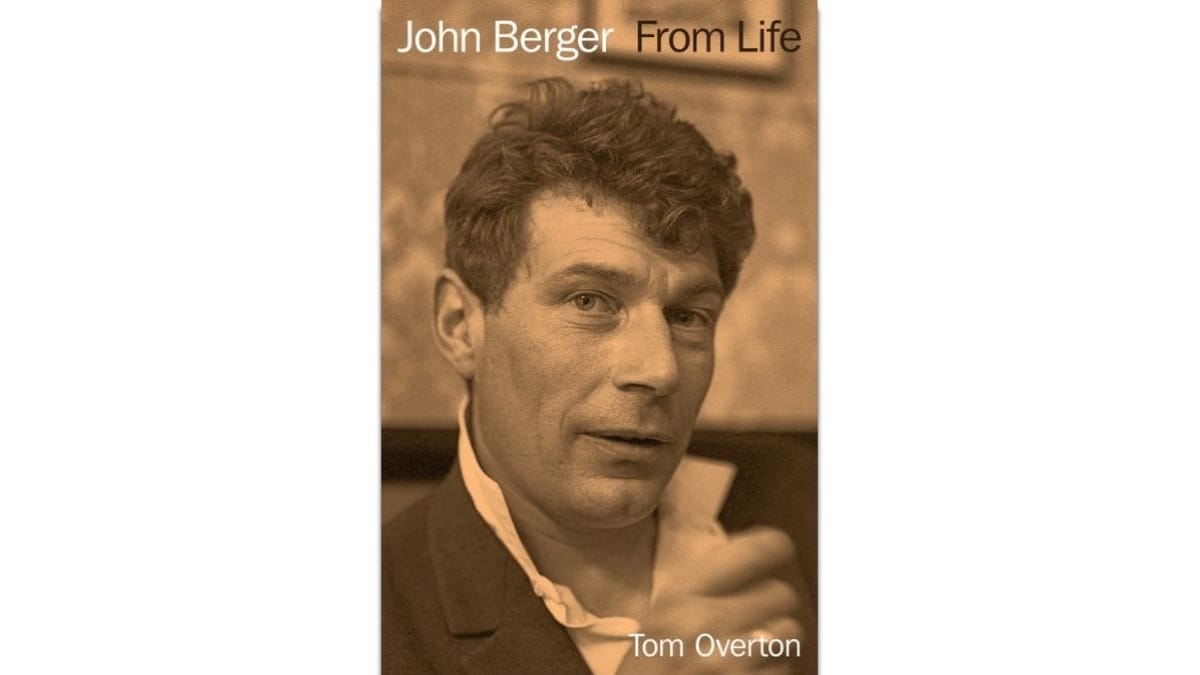
For over five decades, the cultural landscape has absorbed, debated, and built upon the foundational insights of John Berger. The late critic, novelist, and essayist fundamentally altered how generations look at visual media, teaching audiences how to pay critical attention, arguing passionately that art belongs to the public, and exposing the mechanics of the male gaze long before it became a standard fixture of contemporary media analysis. Given the sheer mountain of commentary surrounding Berger, it can easily feel trite to add yet another voice to the chorus.
Yet, a newly published biography by Tom Overton manages the extraordinary feat of capturing the sweeping historical scope of Berger’s intellectual influence while simultaneously reframing him, first and foremost, as a deeply flawed and complex human being.

In a sensitive and probing review for Hyperallergic, author Megan O’Grady—whose own recent book, How It Feels to Be Alive: Encounters with Art and Our Selves, navigates similar philosophical territory—examines Overton’s delicate approach to the legendary critic’s private life. Rather than reducing Berger to a monolith of art-historical dogma, the biography confronts the contradictions of his existence. O’Grady’s thoughtful appraisal serves as a poignant reminder of the cultural tendency to sanctify artists, writers, and thinkers like James Baldwin, flattening their dynamic, multifaceted lives into rigid icons while stripping away the very humanity that fueled their creative output.
The Politics of Artistic Legacies and Biographies
How we narrate the lives—and afterlife—of historical creators has emerged as a central preoccupation for cultural critics. The challenge of separating myth from reality extends across mediums, eras, and traditional art canons.

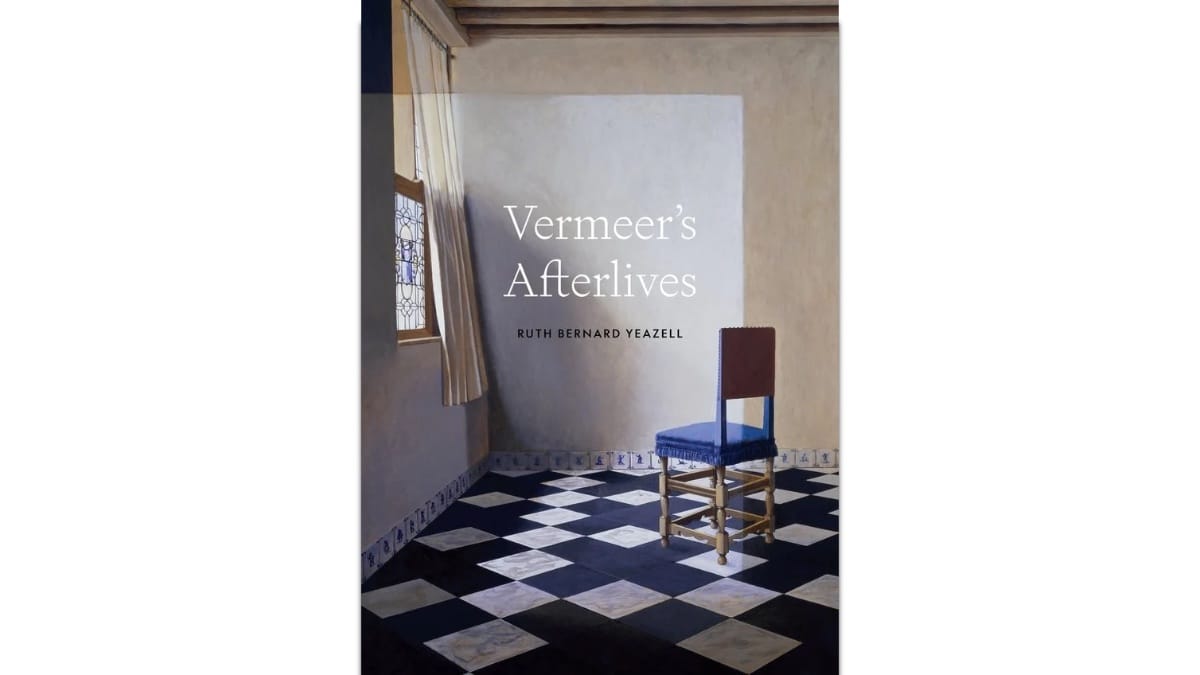
In another recent critique, Lauren Moya Ford explores a novel scholarly approach to Johannes Vermeer. Rather than treating the Dutch master as an untouchable pillar of the canon, Ford searches for the enduring influence of Vermeer’s signature narrative ambiguity as it echoes across different mediums and artistic forms. By tracing these subtle threads, critics can dismantle the calcified myths that often surround Old Masters, revealing a more porous and experimental lineage than traditional art history usually admits.
Meanwhile, Lavinia Liang tackles a parallel dilemma in her analysis of a new biography dedicated to Dorothea Tanning. Specifically, Liang evaluates how the text navigates Tanning’s complex, intertwined relationship with her husband, the towering Surrealist figure Max Ernst. This dynamic represents a perennial trap for biographers and historians who attempt to rescue an overlooked woman artist from the long shadow of her more famous male partner. Too often, biographical framing subordinates the female creator’s independent vision to the romance and professional orbit of her companion, a pattern that contemporary scholarship is actively working to dismantle.
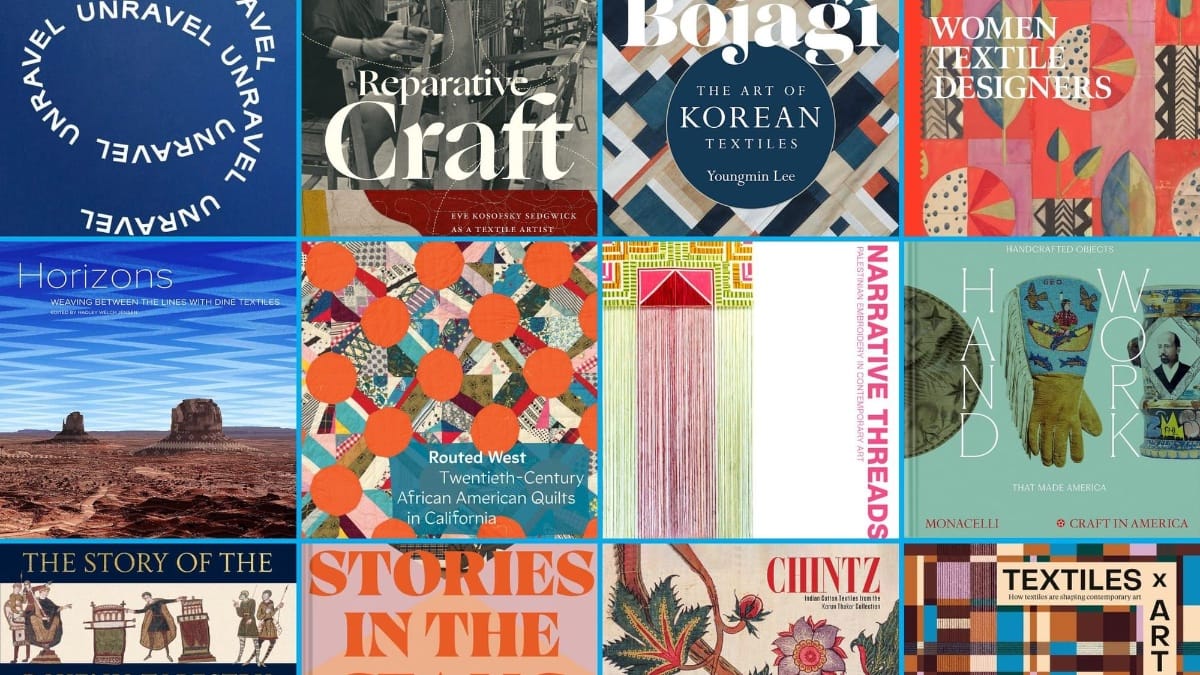
12 Must-Read Books on Textiles and Fiber Art
The enduring intersections of craft, history, and storytelling form the backbone of a major wave of recent literature dedicated to textiles, weaving, and fiber art. There is a profound linguistic reason why the lexicon of textiles lends itself so naturally to narrative: humanity weaves tales, spins yarns, and threads needles. Writers have reached for these metaphors for centuries because they reflect the tangled, interconnected nature of human existence, but physical artists know these metaphors are equally rooted in grueling physical labor and rich historical lineages.
A comprehensive look at recent publishing highlights a wealth of new titles exploring embroidery, textile design, and fiber art from a global perspective. These works move far beyond traditional Western frameworks, offering deep dives into Black Southern quilting traditions, Korean bojagi wrapping cloths, Palestinian tatreez embroidery, and contemporary Diné weaving.
Significantly, these publications actively resist reductive and familiar frameworks. Instead, they open up fresh avenues for understanding the meditative, deeply political dimensions of textile traditions. In doing so, they dismantle the false, historically sexist dichotomy of "craft versus art," tearing down tired notions of domestic labor as something lesser. Piece by piece, these books stitch together an entirely new history of textile art that honors both the makers and the complex cultural fabrics they created.
Fresh Voices in Art Publishing and Criticism
As the literary landscape surrounding the visual arts continues to evolve, major academic and independent presses are releasing ambitious titles that push the boundaries of traditional criticism.
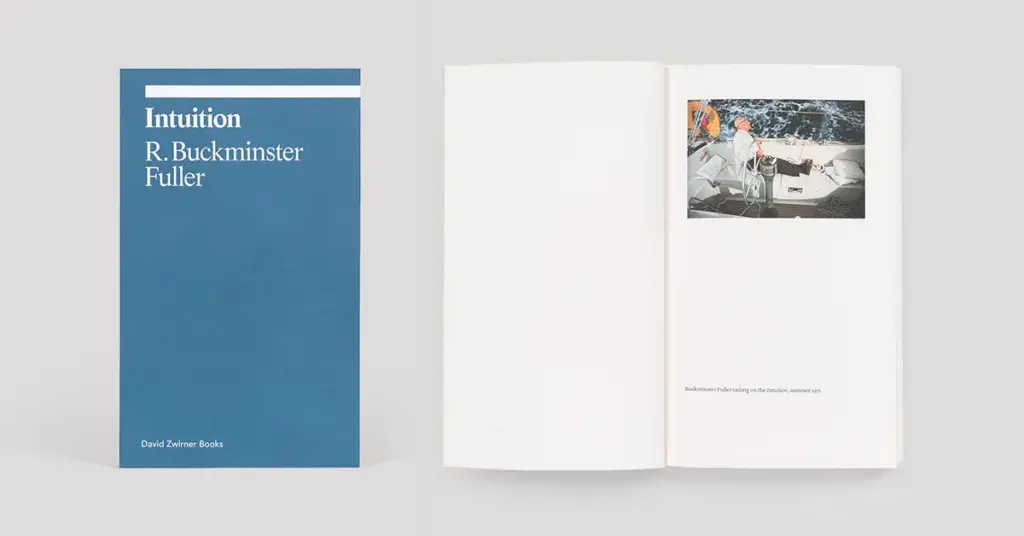
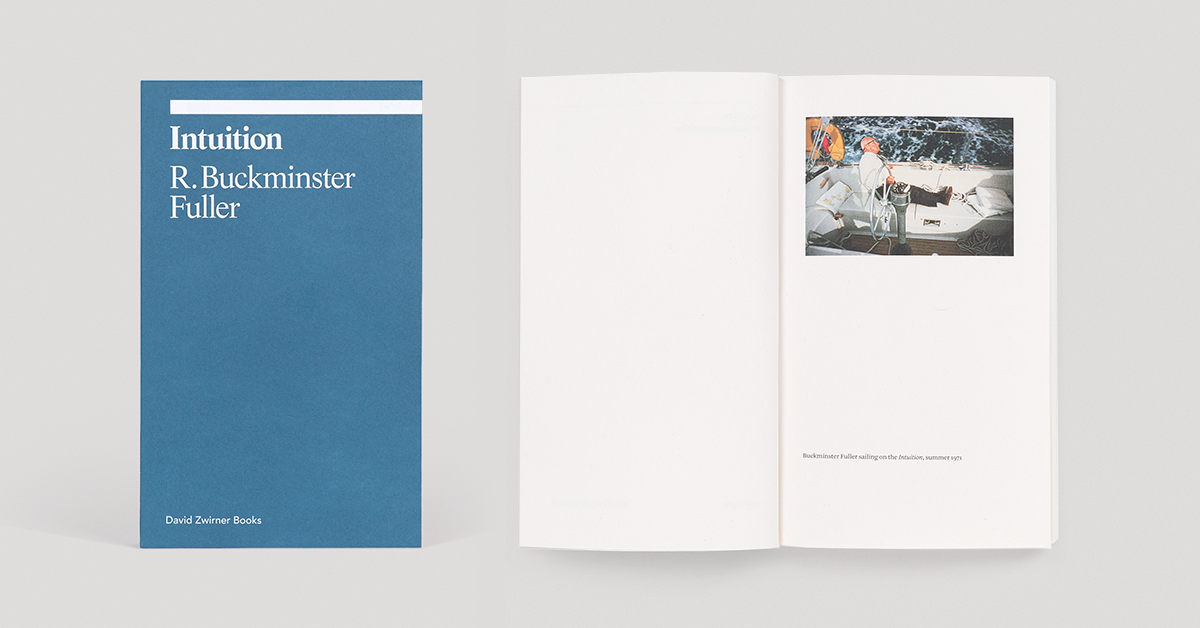
David Zwirner Books has recently introduced a new edition of R. Buckminster Fuller’s lyrical 1968 work, Intuition, as part of its ongoing ekphrasis series. Featuring a fresh introduction by Anahid Nersessian, Fuller’s concise text makes a passionate case for intuition as the vital, unifying force that bridges the seemingly disparate worlds of the sciences and the arts.
Concurrently, the MIT Press is rolling out a bold slate of new books focusing on visual culture, spanning radical activist art, trans aesthetics, the cultural geography of lowriders, global skateboarding histories, and Vilém Flusser’s remarkably prescient visions of the emerging screen age. These publications demonstrate a growing appetite for cultural histories that intersect with sociology, technology, and identity politics.
What We’re Reading Across the Desk
Within the editorial offices, critics and editors are diving into personal memoirs and revisiting classic texts as the seasons shift.
Associate Books Editor Lakshmi Rivera Amin has been immersed in Isabel Allende’s newest memoir, Story Telling: A Writing Life, which reflects on nearly five decades dedicated to the craft of fiction. Writing at the age of 84, Allende addresses the reality of approaching death with striking clarity—not with fear or moroseness, but with a profound reverence for a life well-lived and the literature that sustained it. The memoir provides an intimate look at the internal engine of a literary icon.
Meanwhile, associate editor Lisa Yin Zhang has turned her attention to the uncanny as Halloween approaches, revisiting Henry James’s definitive 1898 ghost story, The Turn of the Screw, a foundational text that arguably established the psychological parameters of the modern ghost story.
Whether untangling the complex personal histories of towering cultural critics, re-evaluating the domestic and artistic partnerships of female Surrealists, or tracing the rich, subversive histories woven into global textile traditions, contemporary writing about art continues to prove that our understanding of the past is never truly finished. Every generation finds new ways to look closer, question the canon, and rewrite the stories we tell about the things we make.






