Overcrowded beaches, relentless heatwaves, and streets packed shoulder-to-shoulder have long defined the quintessential midsummer getaway to the Mediterranean. For many modern travelers, the peak summer months have transformed what should be a relaxing escape into an exercise in endurance. Temperatures frequently climb so high that even lounging poolside loses its appeal, and the sheer volume of tourists diminishes the authentic charm of iconic coastal towns. Yet, a growing shift is underway as discerning travelers catch on to a simpler, more rewarding truth: the Mediterranean is far easier to appreciate, navigate, and enjoy during the offseason.
This changing tide in traveler behavior is already reshaping the logistics of international tourism. Demand for transatlantic connectivity during cooler months has surged to the point where all-business airline La Compagnie recently upgraded its operational schedule, turning its New York-to-Nice route into a year-round offering. This strategic expansion signals a broader evolution in how people approach European vacations, moving away from rigid summer holiday windows toward a more sustainable, climate-friendly rhythm.
In many ways, this shift represents a return to form for the region. Long before cultural icons like Zelda and F. Scott Fitzgerald popularized the Côte d’Azur as a vibrant summer hot spot during the Roaring Twenties, the Mediterranean coast was originally cherished as a sophisticated winter retreat for European royalty. Today, classic warm-weather destinations are proactively adapting to an influx of off-season requests. Lake Como’s famed Passalacqua, for example, has recently installed an indoor pool to accommodate guests seeking its legendary hospitality long after the summer sun has faded. For travelers eager to experience the cultural richness, culinary depth, and scenic beauty of the Mediterranean without oppressive heat or overwhelming crowds, leading travel specialists have mapped out an ideal seasonal itinerary from late autumn through early spring.

November
The late autumn months offer a brilliant entry point for off-season exploration, starting with a Thanksgiving holiday spent in the principality of Monaco. Rather than battling congested coastal corridors, travelers can time their visit to coincide with the 12-day-long Monte-Carlo Jazz Festival, which traditionally features world-class acts—such as the Brand New Heavies headlining on the holiday itself.
Logistical innovations make arriving during this period remarkably seamless. Jack Ezon of luxury travel consultancy Embark Beyond recommends an efficient transit strategy: send your luggage ahead by car from Nice, then take a quick 15-minute helicopter ride from the airport. This clever maneuver bypasses any potential gridlock along the scenic coastal roads. An added, highly practical benefit, according to Ezon, is that passengers can clear security directly in Monaco with virtually no lines.
For accommodations, Ezon suggests staying at the Hôtel Hermitage, a property that strikes a balance by being simultaneously more low-down-to-earth and deeply high-end than its headline-grabbing neighbor, the iconic Hôtel de Paris. Even as late as November, the weather often remains mild enough to enjoy evening drinks on the terrace at Amazónico, located right on the vibrant Place du Casino. Visitors should arrive prepared for an energetic atmosphere, as the sophisticated restaurant frequently transitions into a lively club as the evening unfolds.

December
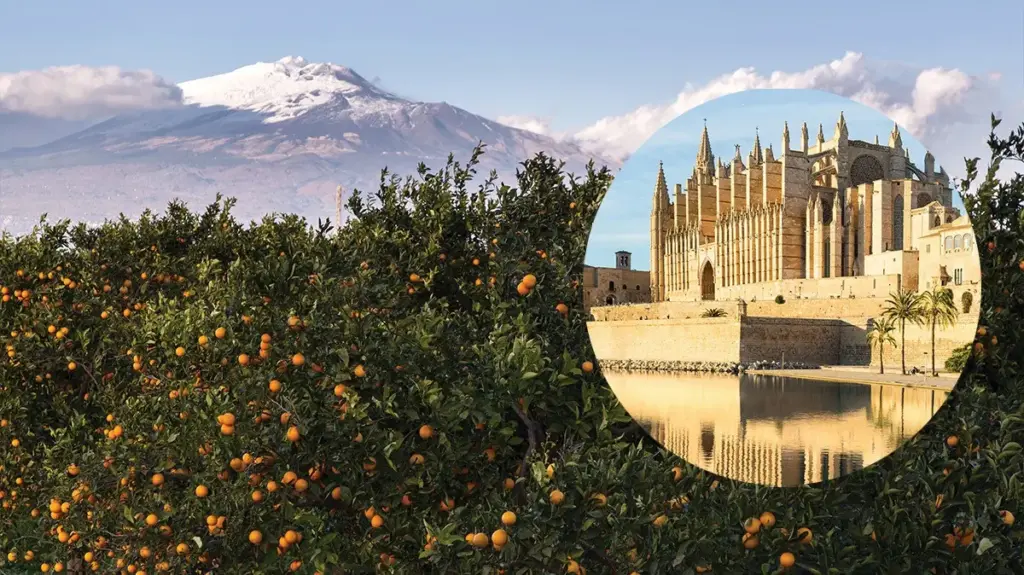
As the calendar turns to December, attention shifts south to Sicily, where the winter months bring the vibrant citrus harvest. During this crisp season, local menus abound with an extraordinary variety of freshly picked citrus fruits. Beyond the culinary bounty, travelers are treated to spectacular, unobstructed views of snow-capped Mount Etna, while the island’s northern slopes offer accessible, family-friendly ski pistes that surprise many first-time visitors.
To fully immerse oneself in the Sicilian winter landscape, luxury accommodations set the tone. The Thinking Traveller offers a curated portfolio of elite estates, with Rocca delle Tre Contrade standing out as a premier choice. Perched on a panoramic vantage point along the east coast, this grand 12-bedroom villa provides sweeping vistas alongside secluded comfort.
The culinary scene during the winter months remains exceptionally high. Andrea Grisdale of IC Bellagio recommends visiting Michelin-starred I Pupi, where chef Tony Lo Coco crafts elegant, imaginative riffs on beloved Sicilian staples like arancini. Alternatively, travelers can visit Kalos, a contemporary dining destination in Agrigento that pairs inventive local plates with sweeping views over the ancient landscape of the Valley of the Temples.

January
While much of Europe bundles up indoors, Mallorca has quietly emerged as one of the continent’s best-kept secrets for cycling enthusiasts, transforming its rolling countryside into an ideal off-season training ground. Late in January, the island plays host to the annual Challenge Ciclista, a major sporting event comprising five distinct one-day races, known locally as trofeus.
Travelers can choose to catch the professional action from the sidelines or test their own endurance by tracing the identical routes across the island’s scenic terrain—with electric-bike rentals readily available for those seeking an assist on the more challenging mountain climbs.
For lodging, Virginia Irurita of Made for Spain & Portugal recommends booking a room at Cap Rocat, which she describes as the premier hotel on the island, and arguably in all of Spain. Situated directly on the water and overlooking the Bay of Palma, the property occupies a brilliantly restored historic fortress. To recover from a day of cycling or exploring, visitors can carbo-load at Andana, a well-regarded Palma restaurant operated by Mallorca-born Michelin-recognized chef Maca de Castro.

February and March
For travelers seeking a vibrant cultural experience far removed from the summer rush, late winter offers the Mediterranean equivalent of Mardi Gras. Ileana von Hirsch of Five Star Greece champions a journey to Crete during this window, noting that the island boasts some of the most favorable weather in the Mediterranean during late winter. Crucially, the scarcity of conventional tourists allows the historic island to reclaim what she describes as its charming and authentic self.
Visitors can reserve a villa in Chania, a port city that maintains a lively, lived-in atmosphere even out of season. If passing winter weather brings a brisk afternoon shower, travelers can duck into Fagotto Jazz Bar, tucked away within the historic chora, or old town. Von Hirsch characterizes the venue as dark, intimate, and wonderfully atmospheric.
The cultural highlight of the season arrives with the weeks-long lead-up to Orthodox Lent, culminating in Tsiknopempti, or Smoky Thursday, which falls on March 4, 2027. This spirited regional celebration serves as the local counterpart to Fat Tuesday, offering visitors ample opportunity to immerse themselves in local traditions and feast on an abundance of delicious barbecued meats.