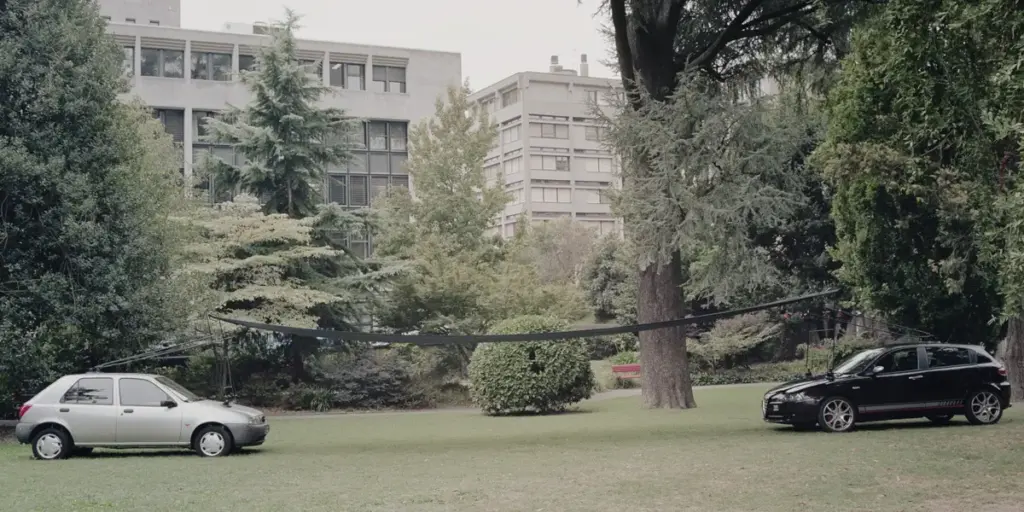
The future of automotive resource management and material reuse in Switzerland is taking center stage through a thought-provoking art and architectural installation titled It all remains. Designed by Giona Bierens de Haan, the project offers a critical lens on how the country handles its automotive waste, prompting a larger conversation about sustainability, environmental accountability, and the untapped potential sitting dormant in decommissioned vehicles.
Switzerland currently maintains a dense vehicular landscape, with nearly 5 million registered automobiles circulating domestically. This translates to an average of roughly 0.5 cars for every inhabitant in the country. Alongside this massive active fleet, an ongoing cycle of renewal sees approximately 200,000 vehicles removed from service annually. While these numbers reflect the high mobility demands of a modern European nation, they also bring to light a pressing logistical and environmental challenge: what happens to these machines once they reach the end of their operational lifespans?
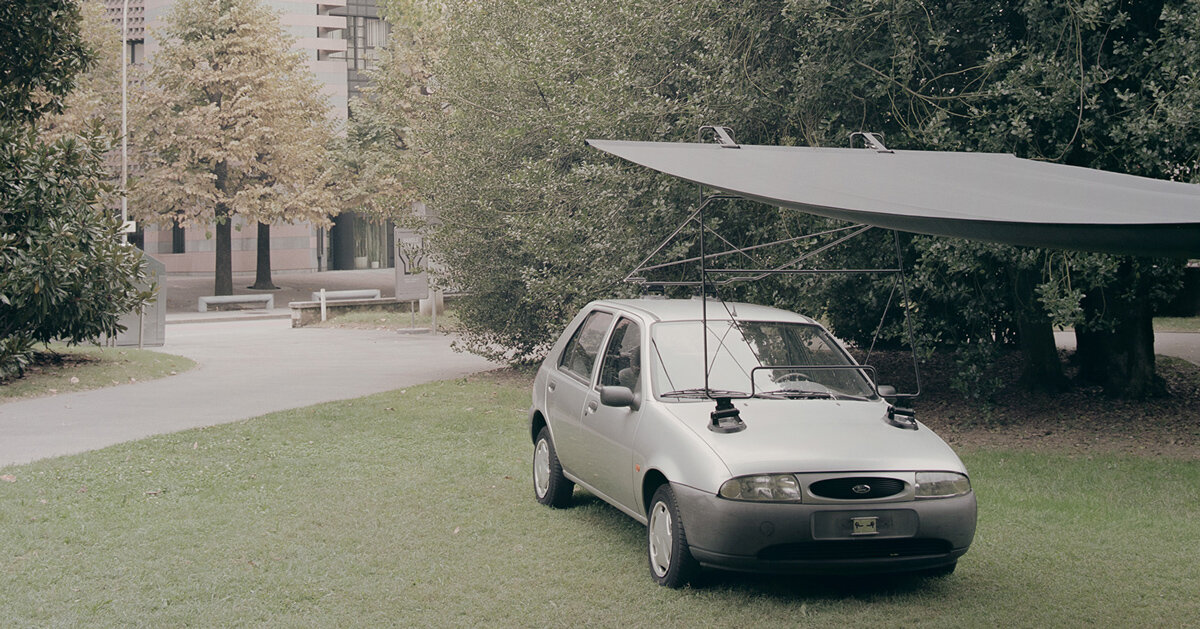
According to data highlighted by the installation, the reality of Swiss automotive disposal extends far beyond national borders. Two-thirds of all decommissioned automobiles are routinely exported out of the country. These vehicles are predominantly sent to nations with significantly less stringent environmental regulations and weaker waste management infrastructure. This practice effectively outsources the environmental burden of Swiss consumption, raising profound ethical and ecological questions about how affluent nations account for the full lifecycle of the industrial goods they rely upon.
The reliance on foreign markets for waste disposal points to a systemic blind spot in domestic resource management. Rather than confronting the material value embedded within these obsolete machines, the prevailing system treats them as disposable commodities to be shipped away out of sight and out of mind. It all remains directly confronts this paradigm, challenging the notion that automotive waste is an inevitable export and arguing instead for a localized model of responsibility and material stewardship.
CONVERTING OBSOLETE VEHICLES INTO STRUCTURAL BUILDING BLOCKS
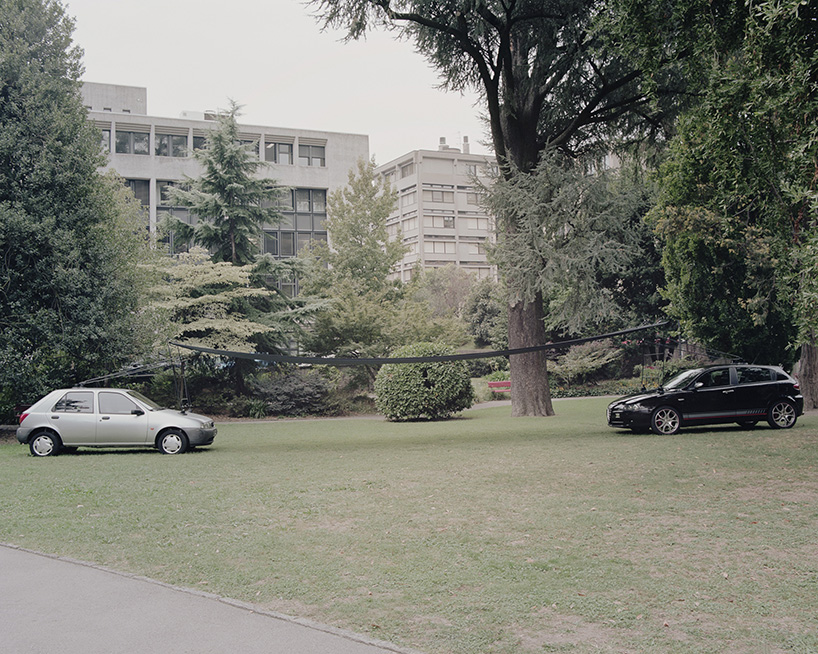
At the heart of Giona Bierens de Haan’s conceptual project is a radical yet pragmatic proposition: what if decommissioned cars were not viewed as waste, but as vital structural resources and foundational building blocks for future architectural construction? This forward-looking design response anticipates the inevitable post-fossil-fuel transition, a period in which internal combustion engine vehicles—and potentially personal car ownership models as a whole—will become increasingly obsolete, leaving behind vast quantities of engineered materials.
The installation photographs, captured by photographer Simone Bossi, reveal a striking aesthetic that bridges the worlds of industrial manufacturing and architectural design. By reframing car components—ranging from heavy steel frames and chassis elements to glass, plastics, and specialized alloys—the project shifts the public perception of automotive scrap from systemic waste to valuable structural materials. In doing so, it opens up a compelling dialogue about the circular economy, demonstrating how urban mining and adaptive reuse can transform what would otherwise be ecological liabilities into the foundational elements of future human habitats.
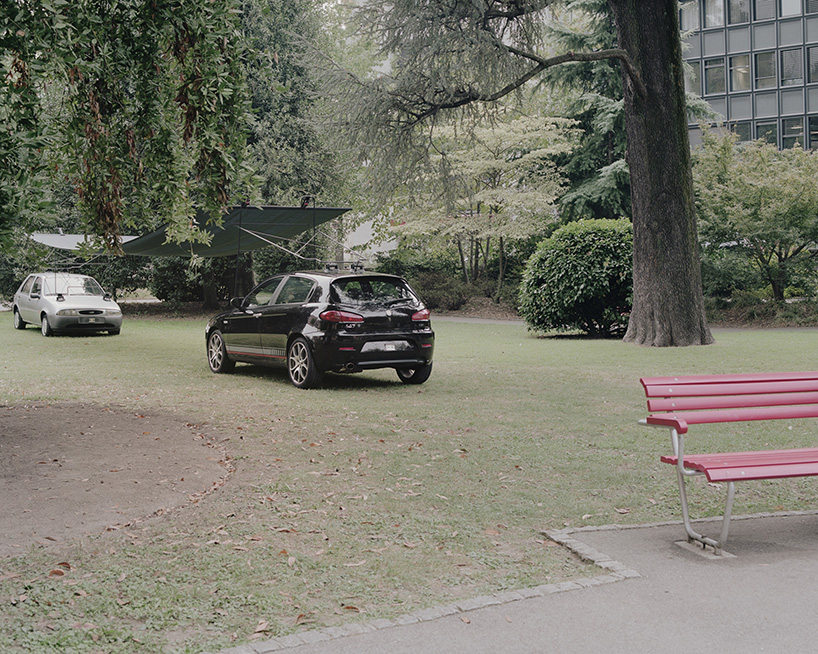
This local material revalorization proposed by Bierens de Haan serves as a direct alternative to the current export-heavy model. Instead of shipping automotive remnants across international borders, the designer envisions a closed-loop system where the material wealth accumulated in domestic vehicles is retained, processed, and reintegrated into the Swiss built environment. This approach aligns with broader architectural movements seeking to minimize the carbon footprint of construction by maximizing the utility of existing, embodied materials rather than constantly extracting new virgin resources from the earth.
As discussions surrounding sustainable urban development, embodied carbon, and resource scarcity intensify across Europe, It all remains acts as both an artistic critique and a visionary blueprint. By investigating the lifecycle of the millions of automobiles currently populating Swiss roads and tracing their potential futures, the project underscores the urgent need for policy shifts and creative interventions in how modern societies manage their material legacies.