For something that determines so much—the art we make, the art we get to see or not, and the art that may never be made at all—the issue of class is remarkably rarely discussed in the contemporary art world. While discussions around race, gender, and geography have increasingly taken center stage in cultural institutions, class remains the great unmentioned elephant in the room, dictating access, validation, and survival. Breaking this long-standing silence, artist, writer, and publisher Mark Alice Durant speaks up in his powerful new memoir-cum-rebuke, Confessions of a Working Class Artist.
Released in 2026, the book reads simultaneously as a traditional Künstlerroman—a narrative chronicling an artist’s formative years and growth—and an updated, biting version of Rainer Maria Rilke’s seminal guide for aspiring creators, Letters to a Young Poet, tailored specifically for our dystopian neo-Gilded Age.

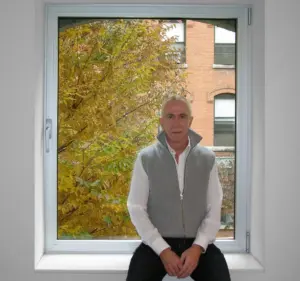
Durant is already well-known within photographic and literary circles. He is the author of the moving photographic memoir Summer of the White Fox, and After, published in 2024, and serves as a publisher at Saint Lucy Books, the independent press that released both his previous photographic memoir and his latest title. In Confessions of a Working Class Artist, Durant trains his critical and reflective eye on the structural economics that govern the art world, utilizing his own life trajectory to illustrate a broader, systemic failure to account for class backgrounds in creative fields.
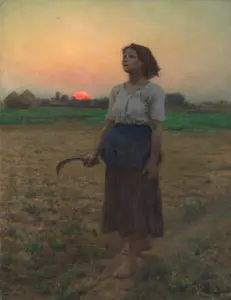
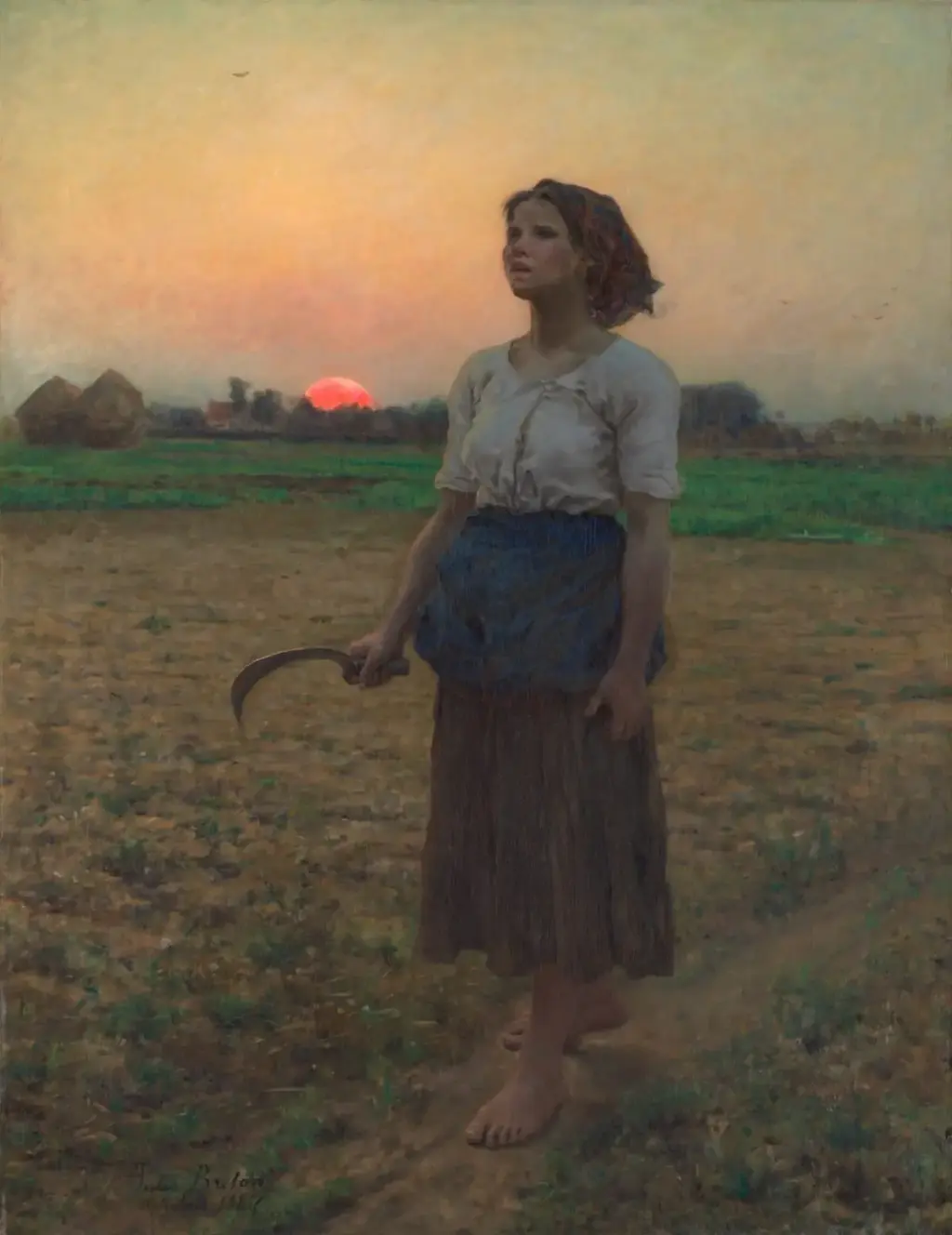
For Durant, choosing to become an artist was not merely a career choice; it was an act of profound self-exile. In the memoir, he writes candidly about how he psychically uprooted himself from the working-class precincts of Boston where he grew up. This departure severed him from his extended family and familiar surroundings, creating a permanent chasm between his origins and his adopted cultural milieu. The sole exception to this familial alienation was his mother, whom he describes as unusually open-minded and supportive of her son’s creative ambitions. Perhaps, Durant reflects, she recognized something of herself in his youthful gesture of giving her a framed reproduction of Jules Breton’s 1884 painting of a field worker, “The Song of the Lark.” That early gift foreshadowed a lifelong preoccupation with labor, working-class dignity, and the representation of ordinary people.
Yet, stepping into the realm of fine art meant stepping away from everything he knew. After deciding on this artistic path, Durant writes with stark honesty, “I could never return home on some level.” This psychological displacement is central to his critique. The art world, despite its professed progressive politics and celebration of diverse perspectives, often operates on an invisible infrastructure of inherited wealth, familial safety nets, and social capital. For individuals lacking these foundational privileges, navigating the gallery system, funding ambitious projects, or simply sustaining a daily studio practice requires a constant, exhausting negotiation with economic precarity.

By framing his personal history against the backdrop of the modern art economy, Durant challenges cultural institutions and fellow practitioners to confront the silent classism that dictates who gets to participate in the conversation. Confessions of a Working Class Artist serves as both a personal reckoning and a public service, offering a rare, unvarnished look at the financial realities that shadow the pursuit of creative expression today.