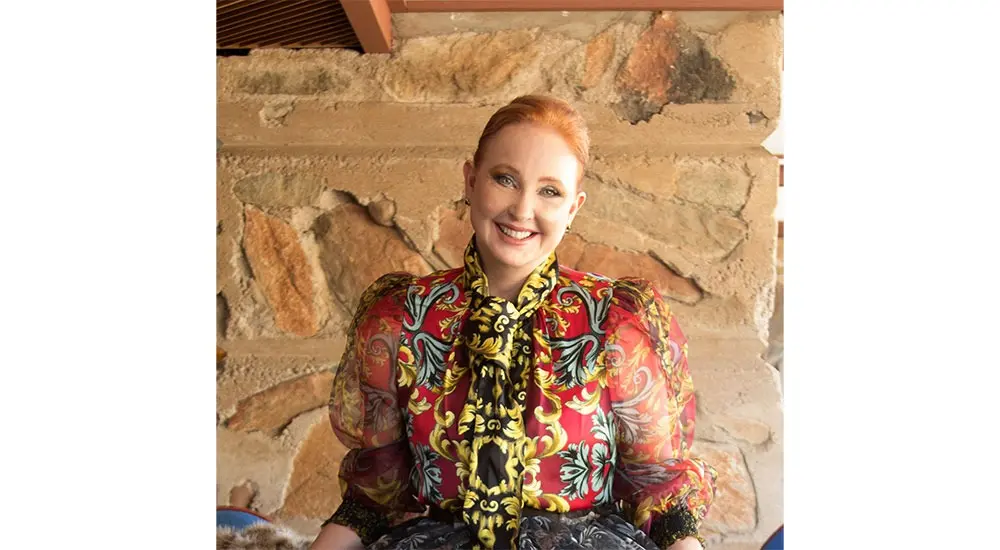
When homeowners embark on a luxury renovation, they rarely articulate a desire for a mere room upgrade; instead, they are searching for a specific state of mind. According to Scottsdale, Arizona-based designer Jaque Bethke, clients are not asking for a hotel in the literal sense—they are chasing the elusive, restorative feeling they experienced during a memorable vacation at a five-star resort.
Bethke recently appeared as a featured guest on an episode of the KBB From the Tap podcast, where she broke down her comprehensive philosophy for translating that high-end resort sensation directly into residential kitchens and bathrooms. Drawing from a rich professional background that includes more than two decades spent working in hospitality design at Wynn Resorts, Bethke argues that a successful luxury residential transformation must start long before anyone selects a tile finish, a plumbing fixture, or a cabinet paint color.
The core of her methodology relies on shifting the perspective of interior architecture from simple space planning to holistic experience curation. By examining how individuals interact with their living environments on a micro-level, designers can uncover the subtle friction points in daily routines and replace them with seamless moments of luxury and calm.
Design the Experience, Then the Space
For Bethke, the design process does not begin with floor plans or mood boards. It begins with a deep, analytical study of how her clients actually live their lives. She observes the rhythm of their days—when they wake up, how they wind down in the evening, and whether their daily grooming habits involve a full hair and makeup routine. Her investigative approach even extends to seemingly mundane details, such as whether a client’s personal vehicle is kept spotless or remains cluttered with the debris of daily commuting.
Crucially, Bethke pays close attention to domestic dynamics, noting that if one partner naturally leans toward tidy habits while the other tends to be more disorganized, that underlying tension represents a design conflict that the architecture of the home should actively resolve.
In luxury hotels, the invisible machinery of housekeeping works tirelessly behind the scenes to hide the chaos of daily living, maintaining an immaculate and serene environment for the guest. Translating that concept to a private residence requires clever spatial planning. Bethke recalled a project involving a longtime client couple who struggled with morning congestion in their primary suite. To solve the issue, she designed a single, expansive bathroom featuring two separate entry points and a cleverly divided dressing area. By eliminating the daily bottleneck at the vanity, the domestic standoff disappeared.
What remained in its place was a profound sense of calm—the exact feeling the couple had experienced during a memorable trip to an Icelandic wellness resort. To ensure the authenticity of the design, Bethke went so far as to book the exact same travel itinerary herself, allowing her to physically experience the atmosphere, lighting, and textures her clients had found so restorative, and then carefully adapt those sensory elements for their home in Arizona.
Personalization Is the Real Luxury
While commercial hospitality design must always adhere to a strict overarching brand identity, residential design operates under a fundamentally different mandate: it must serve as an authentic reflection of an individual. Bethke guides her residential clients through a rigorous personal branding exercise designed to unearth their true preferences. This process utilizes psychological archetypes and even asks clients to identify which specific flower or tree they feel a connection to.
The answers provided during these exercises directly inform critical material and layout decisions later in the project. Bethke emphasizes that the concept of calm looks entirely different from one person to the next. For some homeowners, a peaceful environment is defined by quiet restraint, minimalist lines, and understated elegance. For others, true relaxation is found in richly layered textures, organic imperfections, and tactile warmth.
At the same time, Bethke stresses that aesthetic personalization must be paired with uncompromising durability. Designers must choose timeless, high-quality materials that will continue to resonate aesthetically and functionally a decade down the line, rather than chasing fleeting design fads. Once the foundational durability is established, designers can layer in what Bethke refers to as the jewelry of the space: a meticulously crafted faucet that clients genuinely love to touch, or a customized steam shower equipped with advanced body jets that transforms an ordinary morning hygiene routine into an intentional daily wellness ritual. By designing spaces that accommodate not just who clients are today, but who they are becoming in the future, designers build the kind of lasting trust that ensures they will be the first phone call when it is time for the next renovation.
Engage Every Sense
The elusive atmosphere of a world-class resort rarely relies on visual impact alone; instead, it lives primarily in the subtle, subconscious details that guests absorb without actively noticing them. Bethke notes that true luxury design must engage every human sense simultaneously. In her projects, she layers ambient scents through discreetly integrated diffusers within the HVAC ductwork, complementing the sensory experience with carefully curated tactile surfaces, sophisticated lighting schemes, and acoustic considerations.
Working in the climate of Scottsdale, Bethke focuses heavily on breaking down the barriers between indoor and outdoor living, seamlessly blending conditioned interior spaces with open-air patios and courtyards. At the same time, she recognizes the importance of planning for geographical contexts and climates that may not be as naturally forgiving or temperate, ensuring that the indoor environment provides a protective, climate-controlled sanctuary regardless of what is happening outside.
Listeners interested in hearing more of Bethke’s comprehensive design playbook can tune in to the full podcast episode, which is available across multiple major audio platforms, including Spotify, Apple Podcasts, and Pandora. Meanwhile, industry observers and design professionals can look forward to expanded editorial coverage of hospitality-driven residential design trends from media outlets as the sector continues to evolve in the coming years.