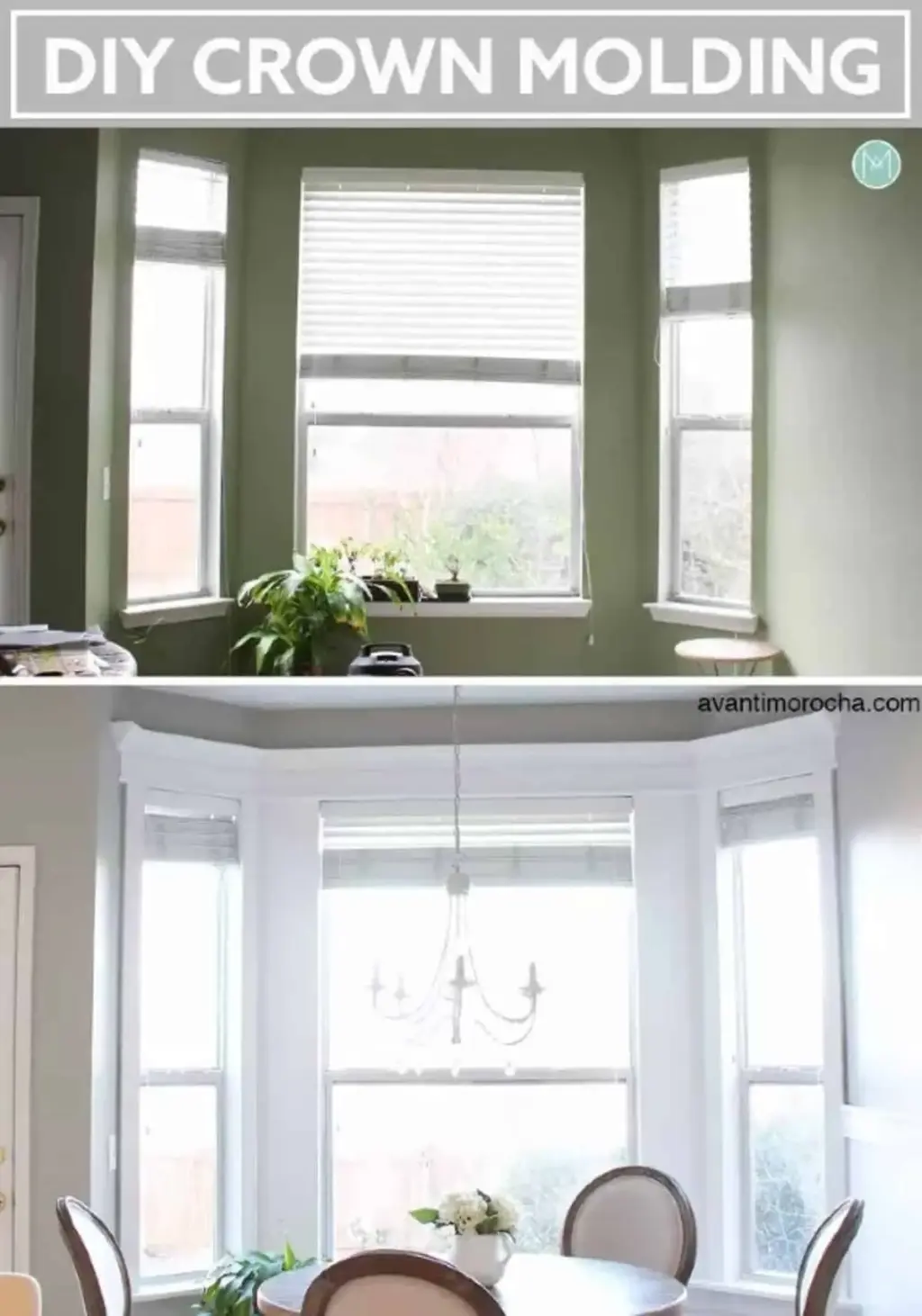
Crown molding has long been regarded as one of the most effective architectural details for elevating the style and sophistication of any residential space. Beyond its undeniable aesthetic appeal, this elegant trim serves a practical purpose by seamlessly concealing imperfections and minor flaws where walls meet ceilings. However, despite its popularity in interior design, traditional crown molding has historically presented a significant hurdle for homeowners. The process typically involves purchasing expensive materials, wrestling with intricate and complex installation angles, and hiring professional contractors, which can quickly inflate home improvement budgets.

In response to these financial and technical barriers, a growing wave of creative alternatives has emerged, offering homeowners practical ways to upgrade their living spaces without breaking the bank or putting excessive physical strain on their bodies. Recent developments in home improvement products and techniques have introduced a wide variety of DIY crown molding options designed to simplify measuring, cutting, and installation. These modern solutions make it possible for everyday homeowners to achieve high-end architectural effects independently, transforming ordinary rooms into polished, custom-designed environments.

The modern DIY approach to crown molding extends far beyond basic wall-to-ceiling trim, allowing individuals to experiment with striking architectural effects such as coffered ceilings, tray ceilings, and sophisticated wall frames. Furthermore, homeowners are increasingly combining these installations with complementary design elements like accent lighting, patterned wallpaper, or decorative stencils to further personalize their interiors. With manufacturers now producing materials that are pre-cut, lightweight, or self-adhesive, the traditional intimidation factor associated with carpentry work is rapidly diminishing, opening up home renovation to a much broader audience.

Whether a homeowner aims to establish a classic, traditional aesthetic, a sleek modern look, or a warm, rustic atmosphere, the current market offers a diverse array of products tailored to varying tastes and financial plans. Industry suppliers and design enthusiasts have documented numerous innovative products and methods that streamline the renovation process. Among the standout manufactured products reshaping the market is the Ekena Millwork Tristan Crown Moulding. This intricate architectural profile is designed to revamp plain spaces while offering straightforward installation, painting, and maintenance. Additionally, its moisture-proof and rot-proof composition ensures long-lasting durability, making it an attractive option for rooms prone to humidity fluctuations.

For those looking to combine decorative flair with practical utility, creative repurposing projects have also gained traction. One popular method involves constructing an easy, inexpensive crown molding wall shelf using basic lumber, wood glue, nails, and paint. This approach not only introduces architectural charm to bare walls but also creates valuable display and storage space, proving that decorative trim can serve dual purposes in compact or minimalist interiors.

Homeowners favoring contemporary design aesthetics can also achieve clean lines through specialized modern tutorials. By utilizing lightweight foam materials, construction adhesive, caulk, and paint, individuals can construct contemporary crown molding profiles that rival professional installations. This minimalist approach has proven particularly effective for modern apartments and urban homes where heavy, ornate woodwork might feel out of place, allowing DIYers to impress visitors with sophisticated interior finishes.

For those seeking maximum ease of installation, manufacturers have introduced specialized products such as A La Maison Ceilings DIY glue-up foam crown molding. Featuring detailed dentil designs, these lightweight, water-resistant products provide an elegant, classic appearance without requiring any nails, screws, or heavy hardware. Similarly, classic cornice moldings from brands like Orac Decor offer traditional dentil effects for ceilings while remaining exceptionally lightweight, paintable, and simple to apply directly to surfaces without the need for an initial primer or undercoat.

Beyond manufactured synthetic products, traditional woodworking techniques continue to inspire hands-on homeowners. Detailed tutorials on crafting custom crown molding using standard wood boards, adhesive, and finishing nails demonstrate that traditional home improvement methods remain accessible and cost-effective. For miniaturists and hobbyists, specialized materials such as Ogee basswood trim in miniature scales allow enthusiasts to apply the same architectural principles to dollhouses and detailed craft projects, proving that the appeal of crown molding transcends full-scale residential construction.

Advanced DIYers equipped with table saws frequently explore custom milling techniques, fabricating Shaker-style crown molding from scratch to achieve precise dimensions and unique profiles tailored specifically to their room layouts. At the same time, comprehensive educational resources focusing on foam crafts provide beginners with foundational knowledge regarding the types, sources, and handling techniques required to work safely and effectively with lightweight architectural foam.

Creative problem-solving in home improvement has also extended to challenging architectural environments, such as installing crown molding directly over tiled walls. By employing clever framing solutions using wooden boards and secure fasteners, DIY enthusiasts have found ways to bridge awkward transitions between tile and ceiling surfaces, thereby enhancing room cohesion in spaces like kitchens and bathrooms. Other manufactured innovations include pre-formed foam crown molding variations incorporating timeless corbel designs, peel-and-stick foam samples from suppliers like Architectural Products by Outwater, and smooth, flat-back foam profiles from Creative Crown that offer fire-rated safety alongside aesthetic versatility.

To address the notorious difficulty of cutting precise corner angles—historically the most frustrating aspect of any crown molding project—the market now features specialized accessories. Foam-made crown molding corners designed to match standard molding dimensions provide tailored, seamless solutions that eliminate the need for complicated compound miter cuts. Low-profile inside corners tailored for narrower trim sizes allow for quick application using simple glue or caulk, yielding a professional, polished finish with minimal effort.

Kitchen renovations have likewise benefited from these accessible techniques. Homeowners frequently simulate high-end cabinetry trim by combining simple lumber boards, such as 1x2s, with foam cove molding. Through straightforward measuring, cutting, and fastening steps, standard builder-grade cabinets can be visually elevated to resemble expensive, custom-built kitchen cabinetry. Similar multi-piece trim strategies allow renovators to stack stock moldings together, creating wide, custom-looking crown molding profiles on a modest budget.

Furthermore, recent home improvement trends emphasize clever installation shortcuts, such as utilizing pre-made corner blocks to drastically reduce the time and expense associated with traditional carpentry. By pairing these pre-fabricated corners with flat crown profiles or employing faux finishing hacks—such as adding a secondary bottom molding to create a thick, shadowed profile—homeowners can achieve luxurious, high-end architectural results with remarkable ease. As these diverse products and methods continue to evolve, the ability to execute sophisticated interior trim work has shifted from a specialized trade skill to an achievable weekend project for ambitious homeowners nationwide.