The initiative highlights that proper preparation before a shed kit arrives on-site can significantly streamline the building process and protect the investment over the long term. Outdoor Living Today stresses that a well-prepared site prevents structural shifting, door misalignment, and premature wear caused by uneven ground moisture. By breaking down the process into logical phases, the company aims to demystify site preparation, precise measurement, and material selection, ensuring that every backyard structure stands securely for years to come.
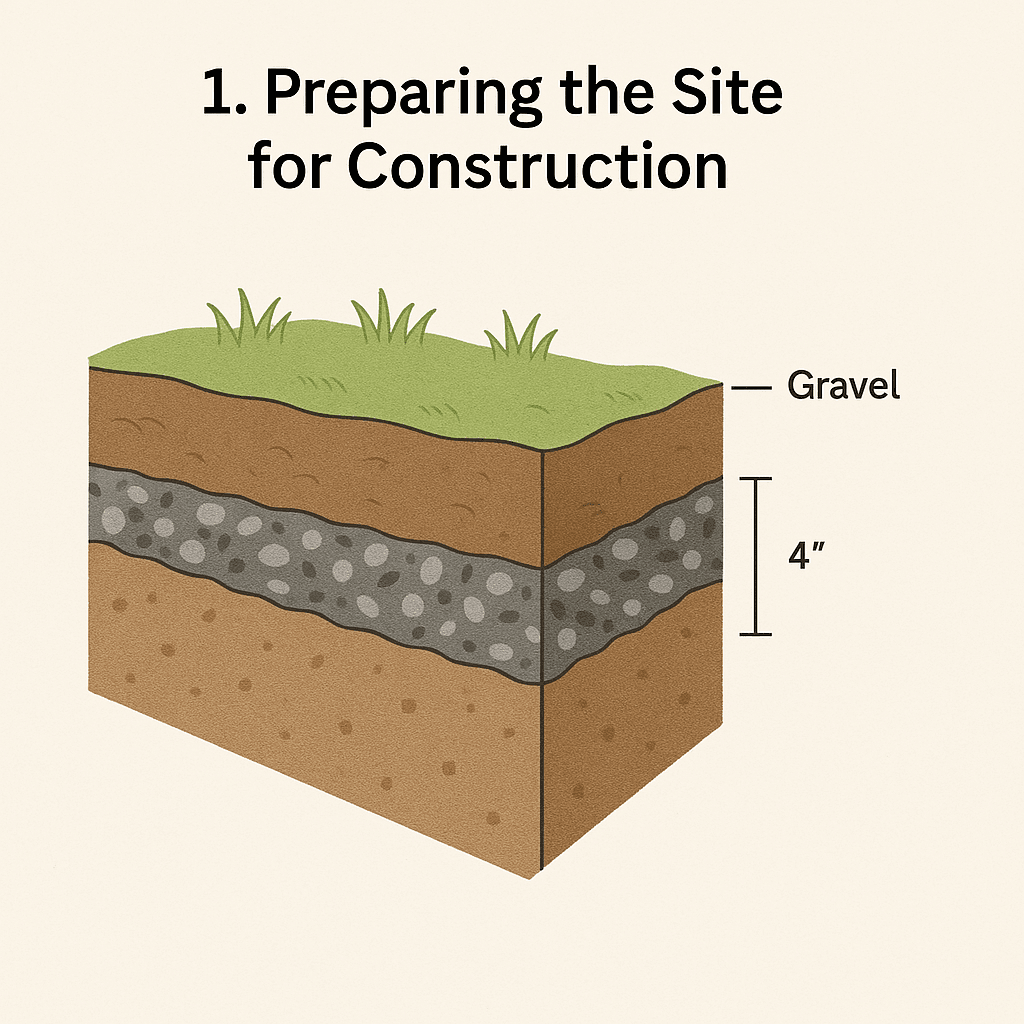
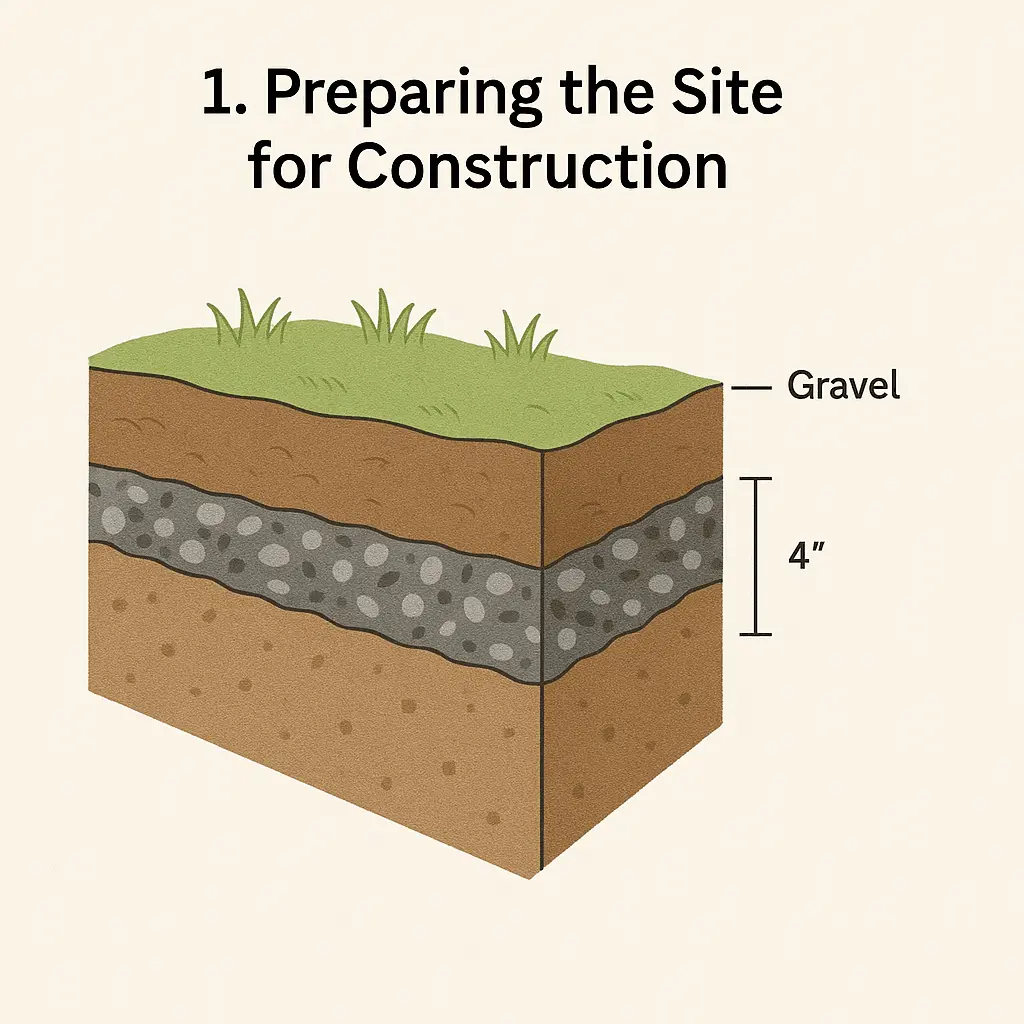
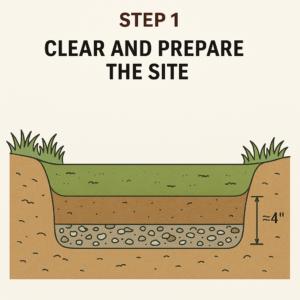
The first major phase outlined in the advisory centers on clearing and preparing the installation site. Before any shed kit is delivered, builders are advised to thoroughly clear the designated area of all debris, large rocks, tree roots, and organic matter that could decompose and cause the ground to settle unevenly. Experts recommend extending the cleared footprint slightly beyond the actual dimensions of the shed to create a clean perimeter. Furthermore, a key professional recommendation from the advisory suggests laying down high-quality landscape fabric beneath any gravel base. This simple yet effective measure prevents weed growth from penetrating the foundation and helps stabilize the soil beneath the structure over time, reducing the risk of shifting ground.
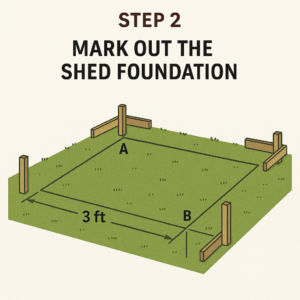
Following site clearance, the second critical phase involves accurately marking out the shed foundation and ensuring the perimeter is perfectly square. Precision during this stage is vital, as an out-of-square base will cause structural complications when assembling the walls and roof panels later on. To assist builders with this geometric challenge, the advisory notes that modern technology offers numerous helpful resources, including mobile applications and online calculators designed to compute exact right angles using specific shed dimensions. Taking the time to measure diagonals and verify squareness before moving forward prevents costly adjustments during the assembly phase.
Once the site is cleared, leveled, and squared, builders must select the appropriate foundation type that best fits their property conditions and personal preferences. Outdoor Living Today highlights three recommended foundation types, each offering distinct advantages.
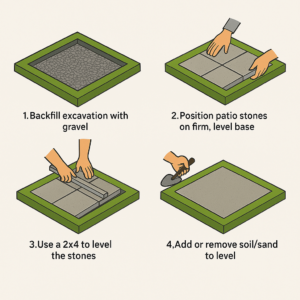
The first option is the patio stone foundation. This method is frequently chosen for its simplicity and flexibility, making it an attractive option for builders seeking a straightforward approach. Patio stones provide a solid surface that distributes the weight of the shed evenly across the ground. According to the advisory, a patio stone foundation is quick to install, relatively affordable, and remarkably easy to modify, move, or adjust if ground conditions shift over time.
The second recommended option utilizes four-by-four pressure-treated beams. This wooden skid foundation elevates the structure slightly above ground level, which provides significant functional benefits. The primary advantage of a beam foundation is that it leaves open space underneath the floor structure for continuous air circulation. This natural ventilation helps control moisture accumulation and significantly reduces the risk of wood rot, extending the lifespan of the timber components.
The third option presented is the concrete slab foundation, which represents the most permanent and robust solution available. A poured concrete pad offers unbeatable durability, exceptional weight capacity, and complete pest resistance, making it an ideal choice for heavier storage needs or workshops. While concrete requires more intensive initial labor and curing time, it provides a permanent, perfectly flat platform that anchors the structure securely against severe weather conditions.
As builders prepare to break ground, Outdoor Living Today emphasizes several final practical tips to ensure a smooth project execution. Proper site drainage should always be evaluated, ensuring that rainwater flows away from the foundation rather than pooling underneath the structure. Additionally, builders are reminded that while general best practices apply to nearly all backyard installations, individual product designs may feature unique structural requirements.
To ensure complete accuracy and safety, the company advises property owners to consult the specific product assembly manuals included with their kits or available through official documentation channels before finalizing their construction plans. By following these structured guidelines and tailoring the approach to match the exact specifications of their chosen model, property owners can achieve a professional, durable result that safeguards their outdoor investment for decades.