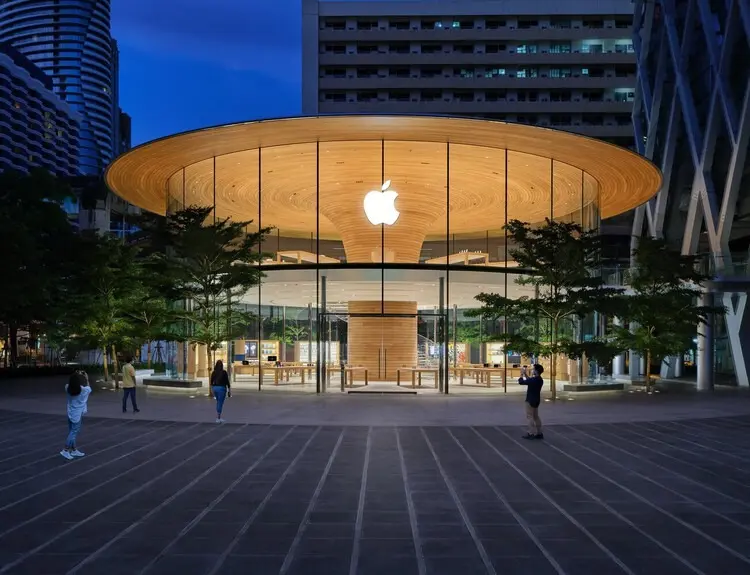
In the autumn of 1972, a groundbreaking volume emerged that would permanently alter how thinkers and practitioners viewed the built environment. Authored by Robert Venturi, Denise Scott Brown, and Steven Izenour, Learning from Las Vegas challenged architects to reconsider the underappreciated and largely dismissed commercial landscape of the United States. Rather than dismissing the neon-lit strips, billboards, and casinos of the American West as vulgar or low-brow, the authors urged the architectural establishment to study them. At the heart of their thesis was a memorable and enduring distinction: the "duck," a building whose physical form literally communicates its primary function, versus the "decorated shed," an ordinary, functional structure whose identity and meaning are conveyed through signs, symbols, and applied ornamentation.
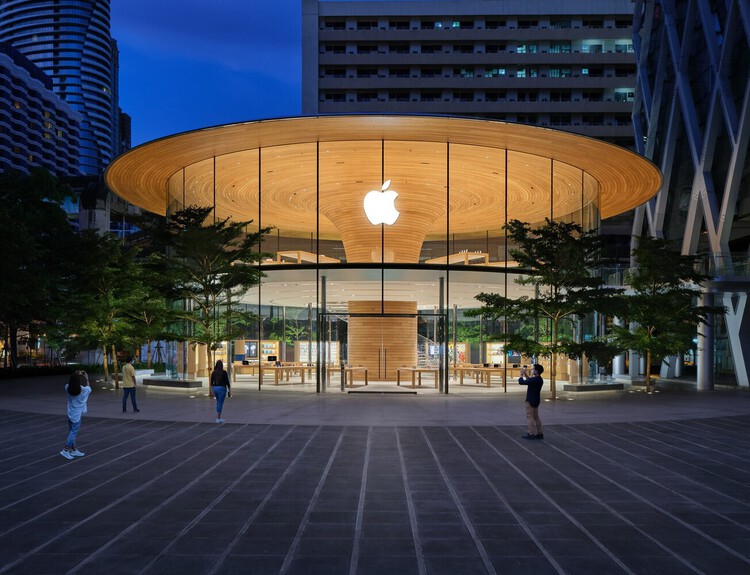
This formulation directly questioned a deeply entrenched and widely accepted modernist assumption that architectural expression should emerge strictly and honestly from form and function. By examining the commercial strips of Las Vegas and the vernacular architecture of consumer culture, Venturi, Scott Brown, and Izenour argued that architecture had much to learn from the visual languages of American capitalism. Rather than fleeing from the realities of commerce, they suggested that architects should embrace them, recognizing that buildings could function as communicative billboards in a mass-media society.

Over the decades that followed, postmodernism came to be understood broadly as a rejection of the austere promises and utopian rigidities of traditional modernism. It became characterized by its playful and ironic historical quotation, a renewed embrace of ornament, and a seamless integration with popular culture. However, its historical relationship with American capitalism proved to be far more complicated than a simple rebellious architectural movement or a rigid, reactionary response to corporate interests.
To understand this dynamic, one must look at what preceded it. Modernism had long provided American corporations with a powerful, authoritative visual identity. The sleek glass towers and minimalist design aesthetics of the mid-20th century successfully associated corporate headquarters with efficiency, progress, and institutional authority. Modernist skyscrapers projected a sense of universal corporate power, where every building looked rational, orderly, and streamlined.

What postmodernism ultimately offered to architects and corporate clients alike was something radically different: a fundamental reframing of how buildings communicate meaning to the public. This shift arrived at a crucial historical juncture when corporate differentiation, consumer identity, and the symbolic value of products were becoming central pillars of American business strategy. As companies sought to distinguish themselves in an increasingly competitive marketplace, the uniform language of modernism no longer sufficed. Postmodern architecture provided a new vocabulary—one that could be tailored, decorated, and imbued with historical irony or corporate branding, effectively turning buildings into active participants in consumer capitalism.